
Mexican Whorled Milkweed
Asclepias fascicularis
- Native to:
- Mexico, United States
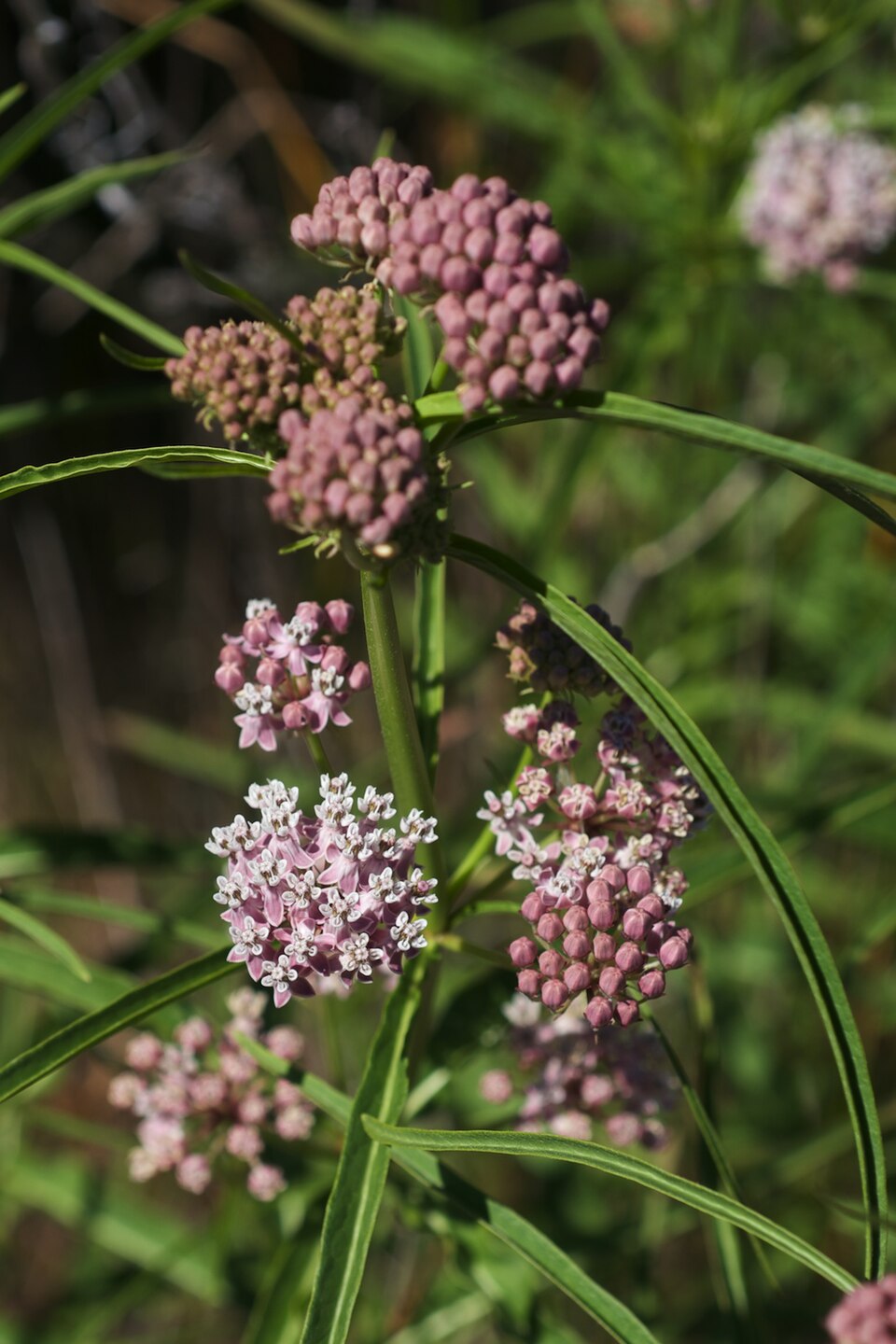
Eric Hunt
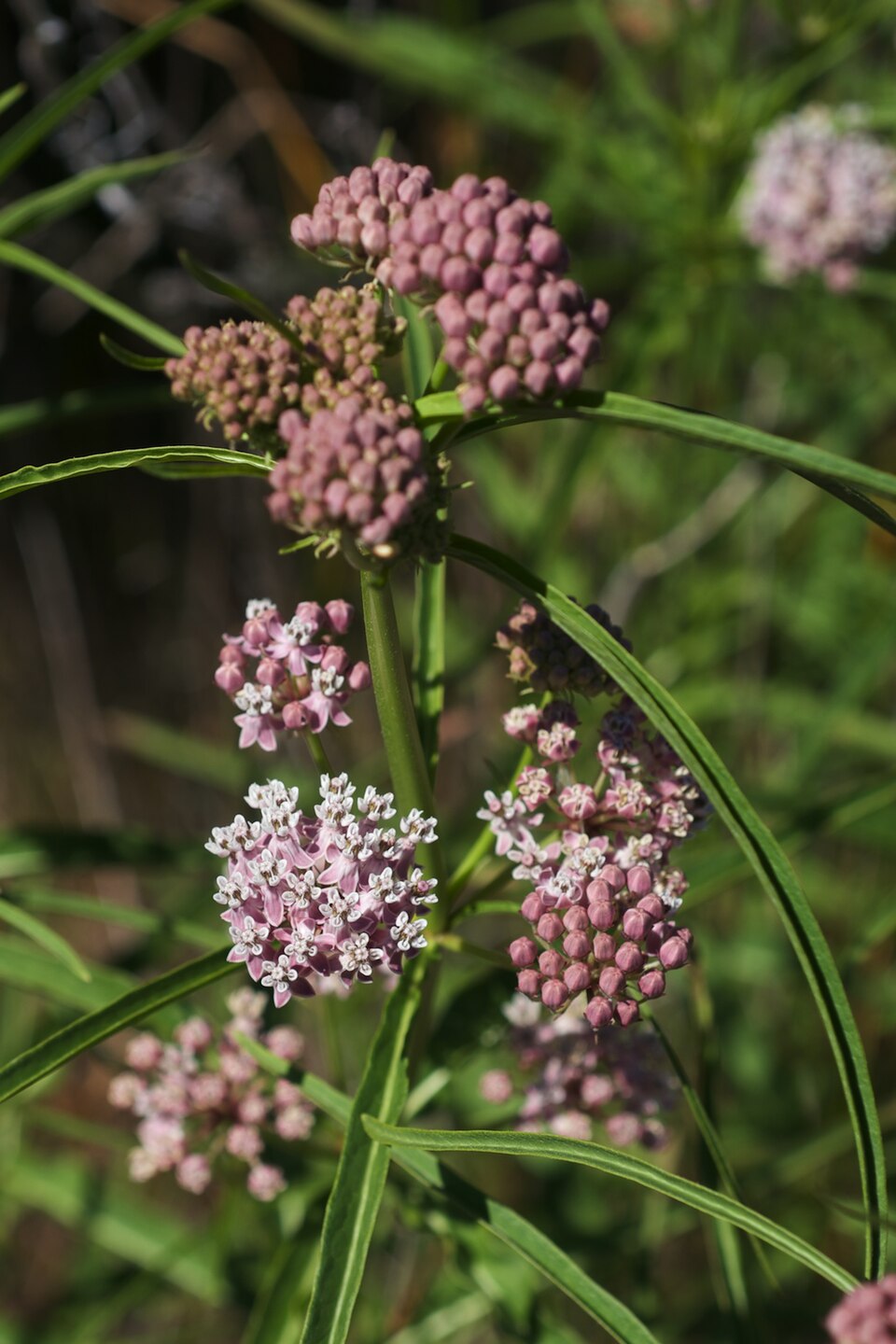
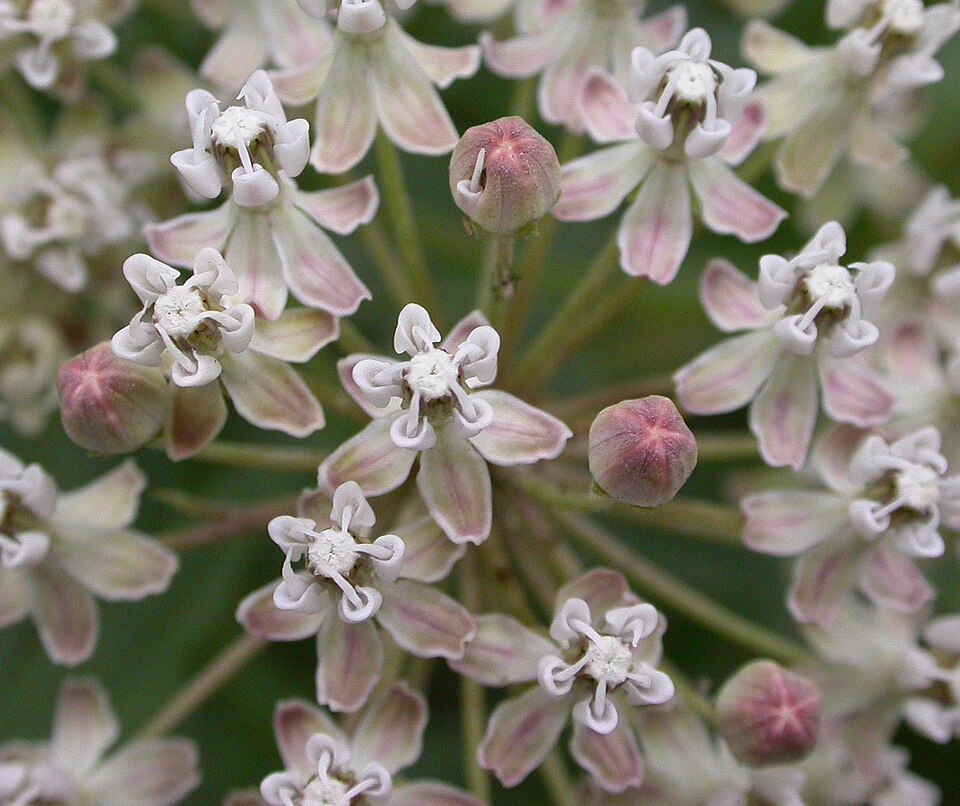
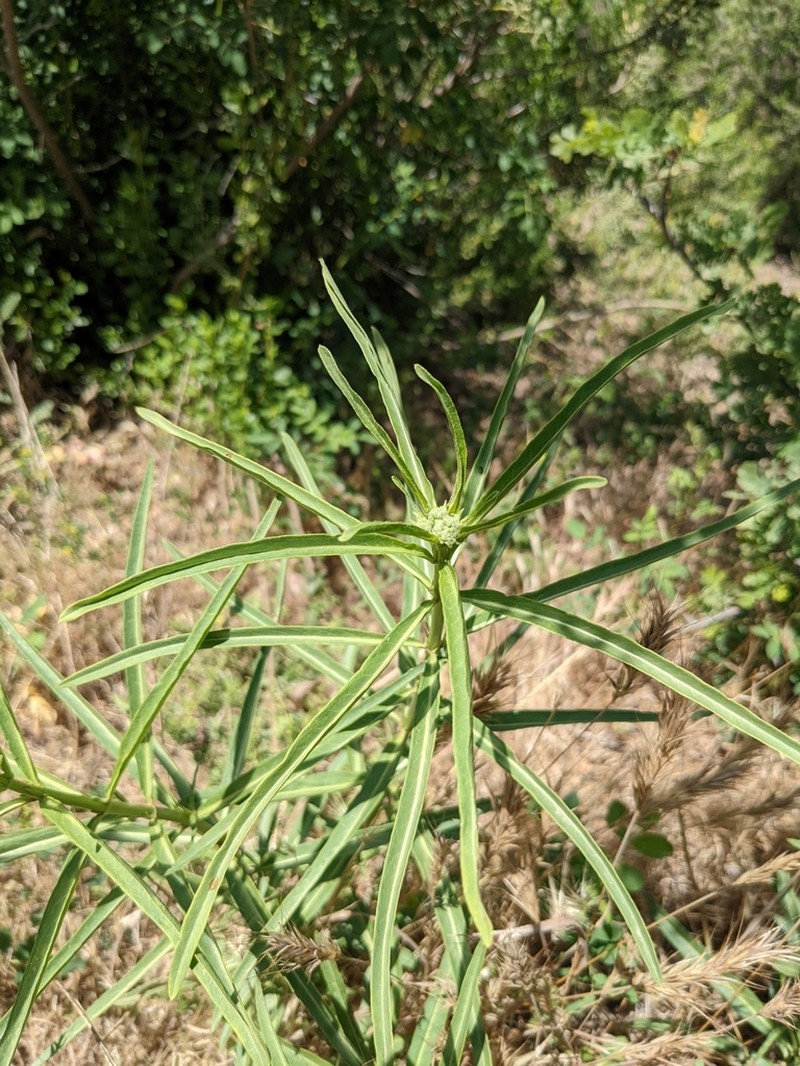
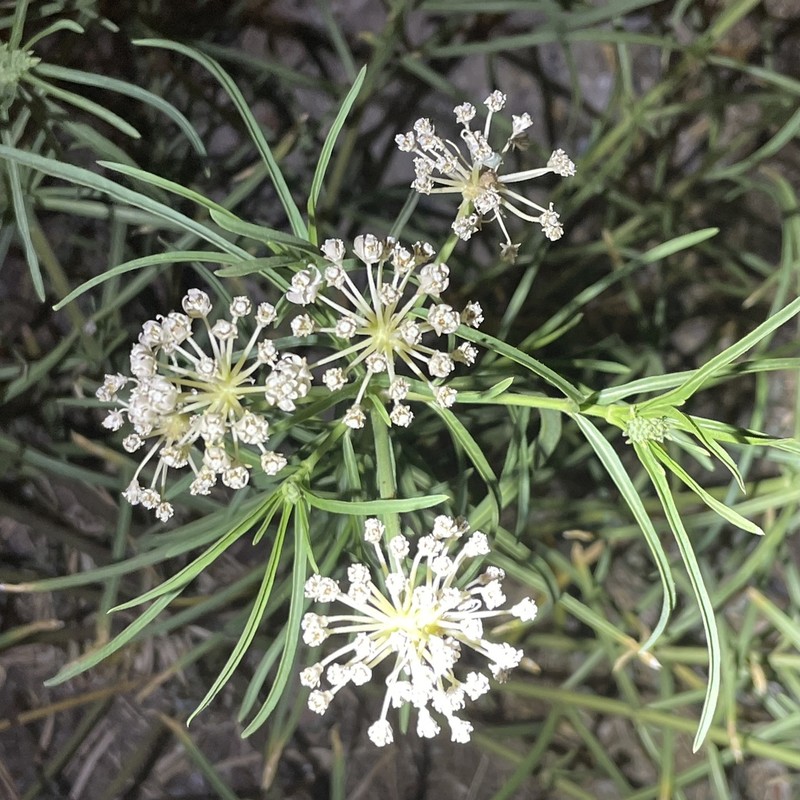
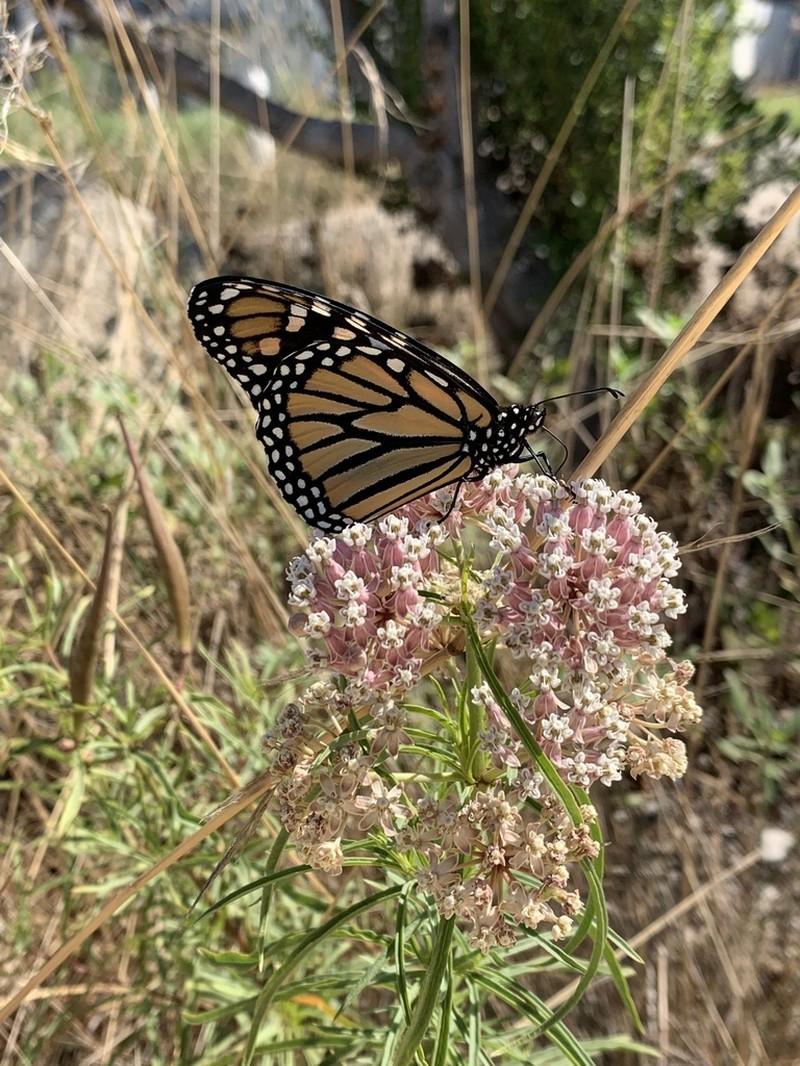
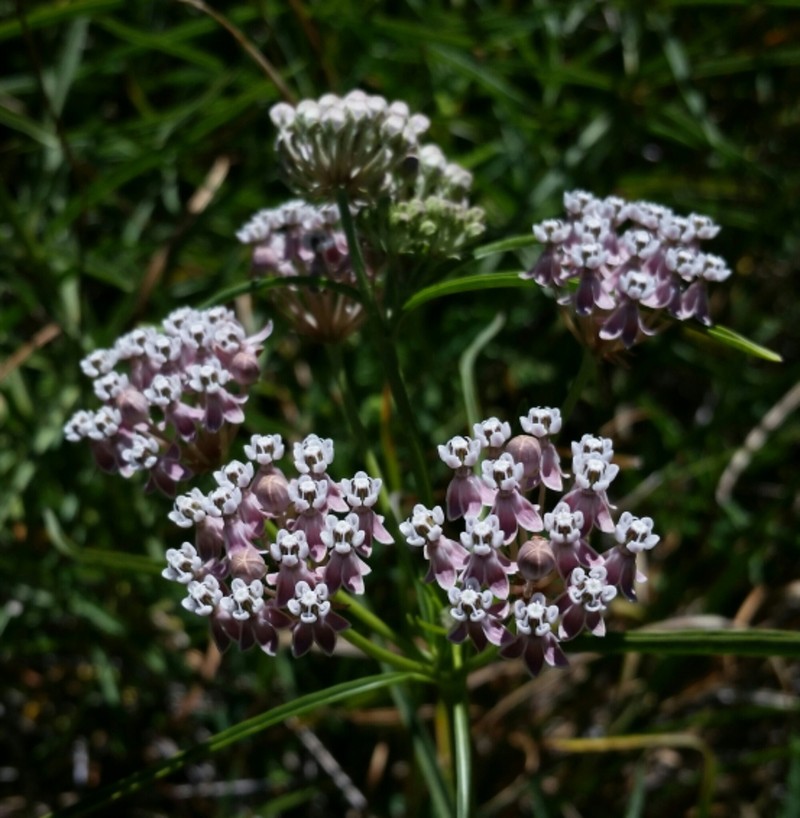
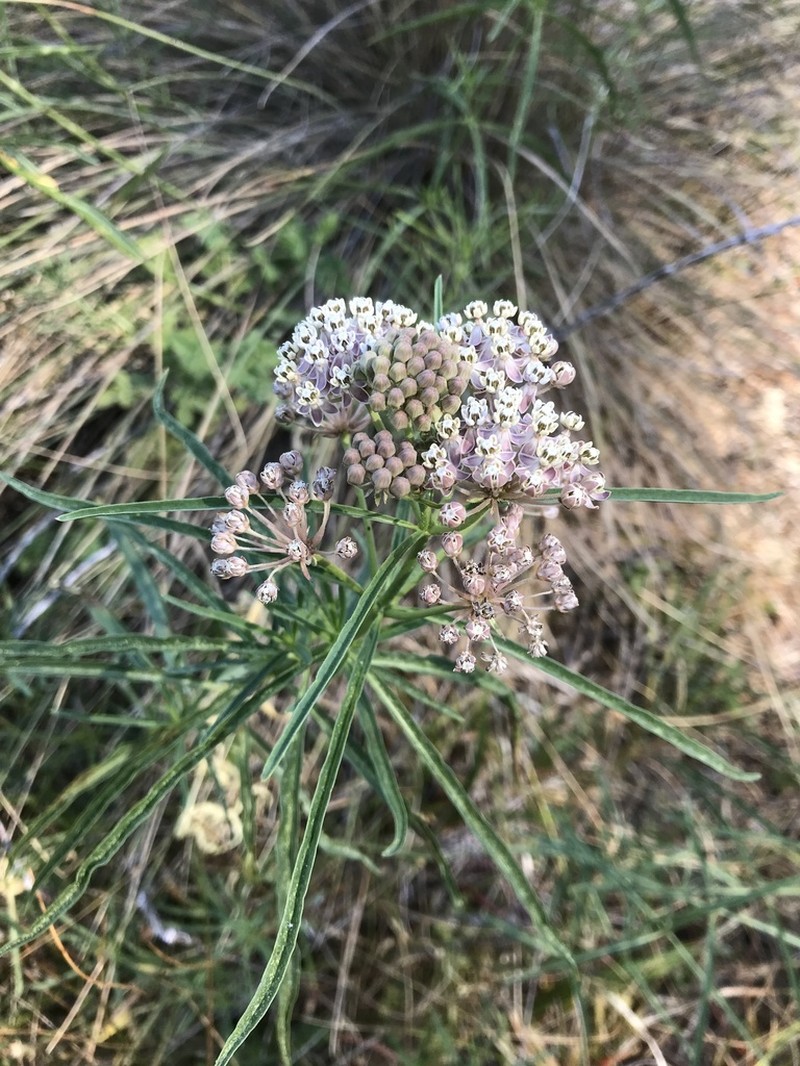
Taxonomy
- Division:
- Magnoliophyta | - Flowering plants
- Family:
- Apocynaceae
- Genus:
- Asclepias
- Species:
- Asclepias fascicularis
- USDA Symbol:
- ASFA
Growth Characteristics
- Life Cycle:
- Perennial
- Growth Habit:
- Forb/herb
- Height:
- 120 cm
- Light Requirements:
- Full Sun
- Drought Tolerance:
- High
- Bloom Months:
- jun,jul,aug,sep
- Bloom Colors:
- pink, purple, white
Wildlife Benefits
- Bees:
- ★☆☆☆☆ Documented bee visitation (GBIF)
- Butterflies & Moths:
- ★☆☆☆☆ Documented Lepidoptera association (GBIF)
- Caterpillars:
- ★☆☆☆☆ Recorded caterpillar host plant (HOSTS Database)
Keystone Species Ranking
- Caterpillar Keystone:
- ★★☆☆☆ Butterfly & moth species supported by this genus (NWF)
Host Plant for Caterpillars
Reported Fauna Sightings
Garden & Ecology Notes
- Wildlife Value:
- bees, butterflies, hummingbirds
- Fragrant:
- Yes
Soil Requirements
- Soil Type:
- well-drained, sandy or loamy soil
- pH:
- 6.0 - 8.0 (slightly acidic to neutral)
- Drainage:
- excellent drainage required
- Moisture:
- dry to moderate
- Notes:
- Thrives in open, sunny areas; often found in grasslands and open woodlands.
Propagation & Germination
- Stratification:
- Cold/moist stratification required — 30–60 days
- Germination Time:
- 14–30 days
- Notes:
- Seeds benefit from cold moist stratification for 30-60 days to break dormancy.
Pre-treatment: Seeds are placed in fine mesh bags into a 1% hydrogen peroxide (3:1 water/3% hydrogen peroxide) soak for 24 hours, rinsed, and placed in water for an additional 24 hours. The bags are placed in sealed containers in refrigeration at 1 to 3 °C for 45 days. Check seeds weekly for mold and treat with 1% hydrogen peroxide if necessary.
Establishment: There are some variations in the protocols. Protocol 1 does not require any pre-treatment and germination takes 6-8 weeks, while Protocol 2 suggests a hydrogen peroxide treatment and germination takes 10-14 days. Collect seeds after pods have ripened, but before they have split open. The seeds are wind dispersed, so be careful when gathering to place in a paper or burlap bag to avoid losing them.
Source: npn.rngr.net
ORGHPS Germination Guide: Should not need chilling