
Swamp Milkweed
Asclepias incarnata
- Native to:
- Canada, Mexico, Prince Edward I., United States, Virgin Islands
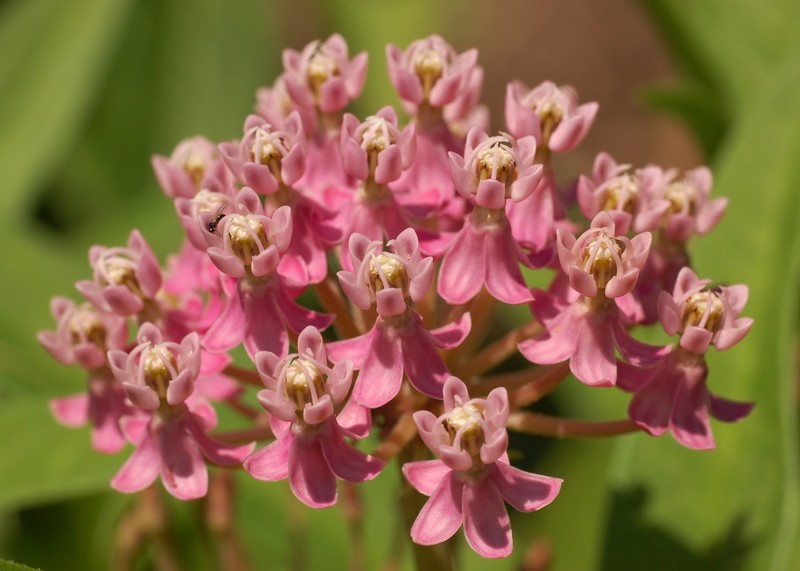
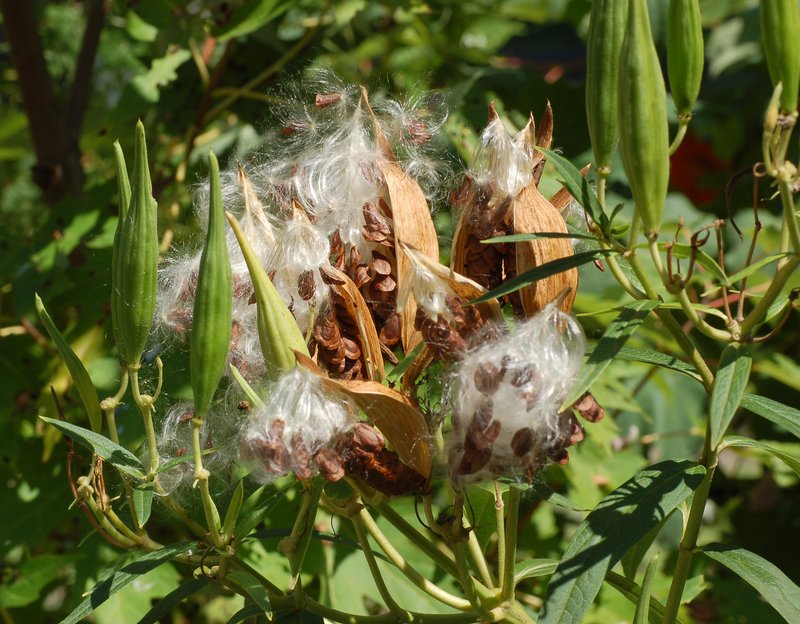
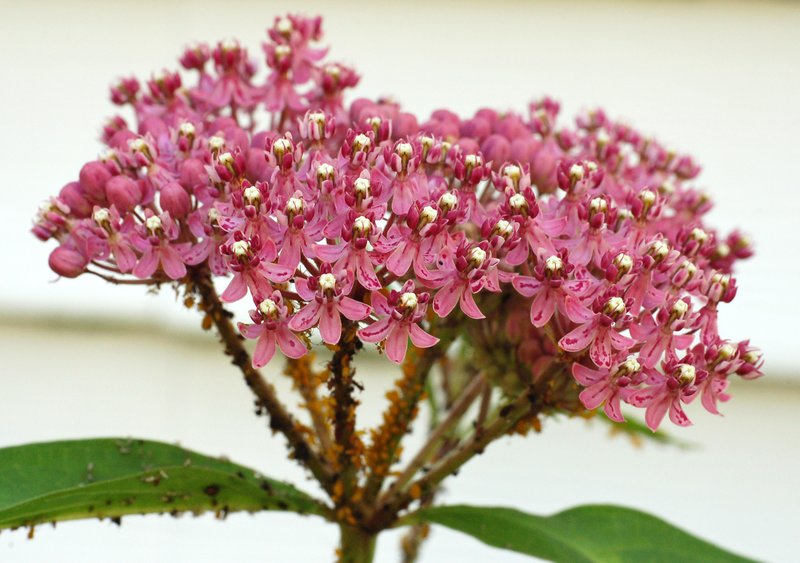
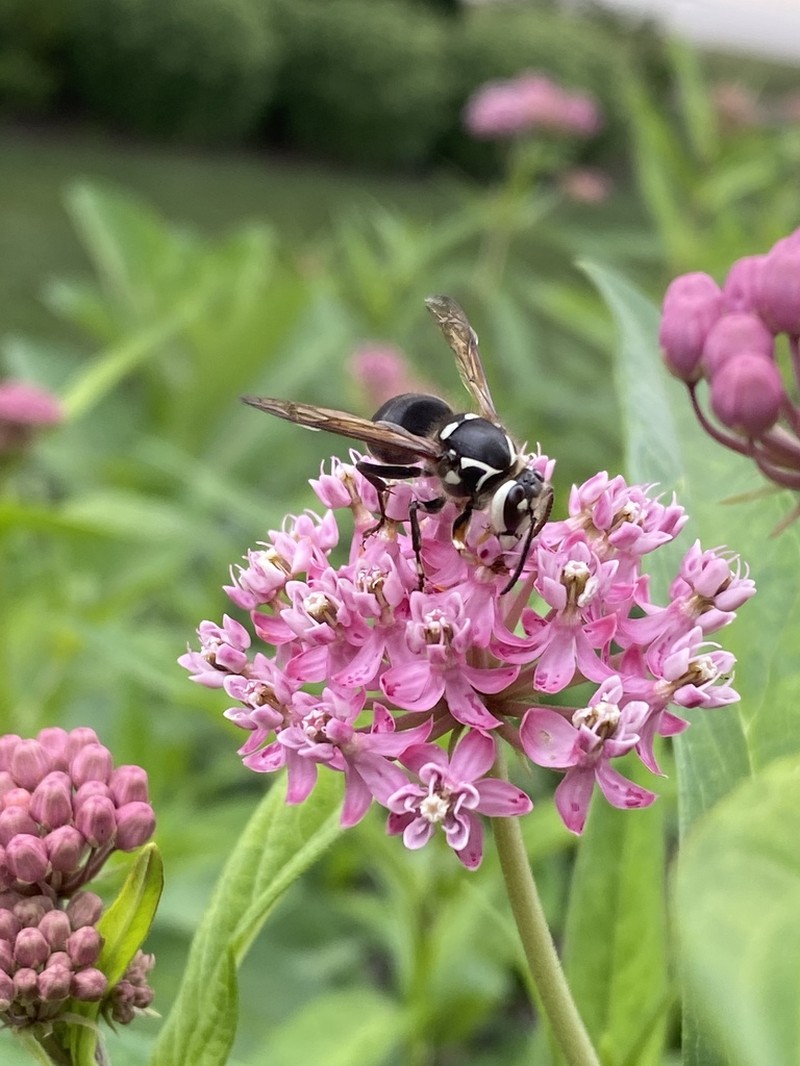
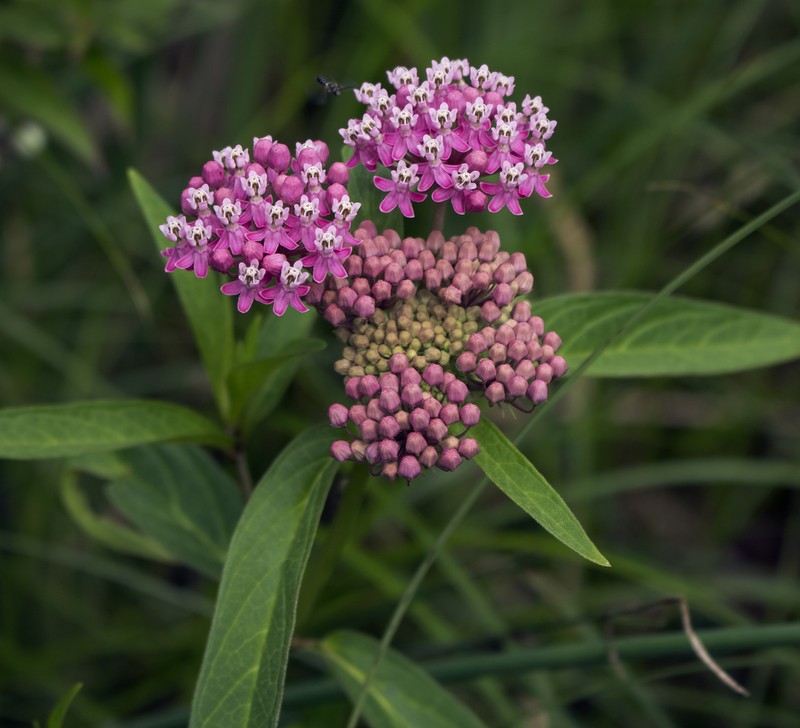
Photo by and (c)2007 Derek Ramsey ( Ram-Man (en.wikipedia.org) )
Taxonomy
- Division:
- Magnoliophyta | - Flowering plants
- Family:
- Apocynaceae
- Genus:
- Asclepias
- Species:
- Asclepias incarnata
- USDA Symbol:
- ASIN
Growth Characteristics
- Life Cycle:
- Perennial
- Growth Habit:
- Forb/herb
- Height:
- 150 cm
- Light Requirements:
- Full Sun,Part Shade
- Drought Tolerance:
- Low
- Bloom Months:
- jun,jul,aug
- Bloom Colors:
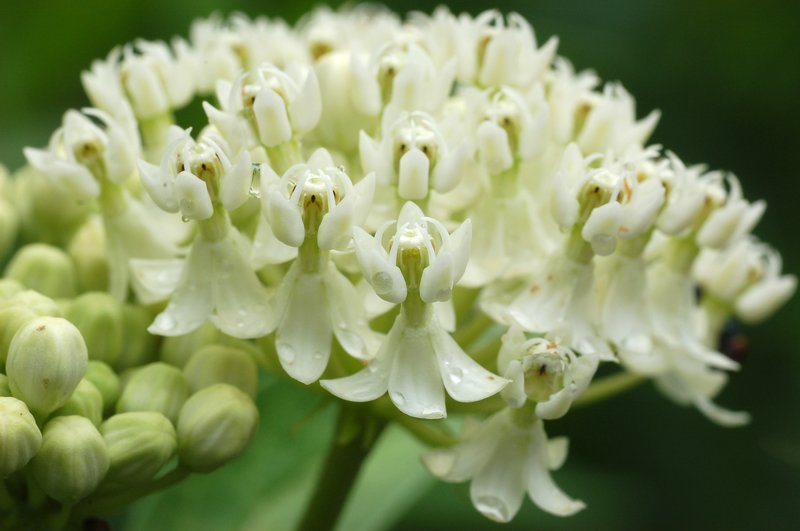
- pink, white
Wildlife Benefits
- Bees:
- ★★☆☆☆ Documented bee visitation (GBIF)
- Butterflies & Moths:
- ★★★★☆ Documented Lepidoptera association (GBIF)
- Caterpillars:
- ★☆☆☆☆ Recorded caterpillar host plant (HOSTS Database)
- Hummingbirds:
- ★☆☆☆☆ Documented hummingbird visits (GBIF)
Keystone Species Ranking
- Caterpillar Keystone:
- ★★☆☆☆ Butterfly & moth species supported by this genus (NWF)
Host Plant for Caterpillars
Reported Fauna Sightings
Garden & Ecology Notes
- Wildlife Value:
- butterflies, bees, hummingbirds
- Fragrant:
- Yes
Soil Requirements
- Soil Type:
- moist, rich, well-drained loamy soil
- pH:
- 5.5 - 7.0 (slightly acidic to neutral)
- Drainage:
- tolerates poor drainage
- Moisture:
- consistently moist
- Notes:
- prefers wetland areas and stream banks
Propagation & Germination
- Stratification:
- Cold/moist stratification required — 30–60 days
- Germination Time:
- 14–30 days
- Notes:
- Seeds benefit from cold stratification for 30-60 days to break dormancy; sow in spring after last frost.
Pre-treatment: Seeds require one week of moist cold stratification or can be placed in fine mesh bags into a 1% hydrogen peroxide (3:1 water/3% hydrogen peroxide) soak for 24 hours, rinsed, and placed in water for an additional 24 hours. The bags are then placed in sealed containers in refrigeration at 1 to 3 °C for 45 days. Check seeds weekly for mold and treat with 1% hydrogen peroxide if needed.
Establishment: Seeds are collected in the fall, when the brown pods are dry and have begun to split. Swamp milkweed is widely distributed across the U.S. and Canada. It is found in a variety of soil types, inhabiting wet places but also grows well in fields, roadsides, waste places and dry sites.
Source: npn.rngr.net
ORGHPS Germination Guide: Sow @ 20°C. Seed germinates within 3 months Resents transplanting. Requires light or the seed is very fine. Surface sow and expose to light. * plant in deep pot or in situ to avoid damaging long taproot; seed viability < 1 year
Where to Buy
Nationwide Seller
- Vermont Wildflower Farm (nursery and seeds)
- Sheffield's Seed (seeds)
- Wild Seed Project (seeds)
- Native Plants Nursery (nursery)
- Native Plants Nursery (nursery)
- Pizzo Native Plant Nursery (wholesale nursery)
- Prairie Moon Nursery (nursery and seeds)
- Ernst Seeds (seeds)
- Ernst Seeds (seeds)
- Ernst Seeds (seeds)
- North Creek Nurseries (nursery)
- Native American Seed (nursery and seeds)