
Showy Milkweed
Asclepias speciosa
- Native to:
- Canada, United States
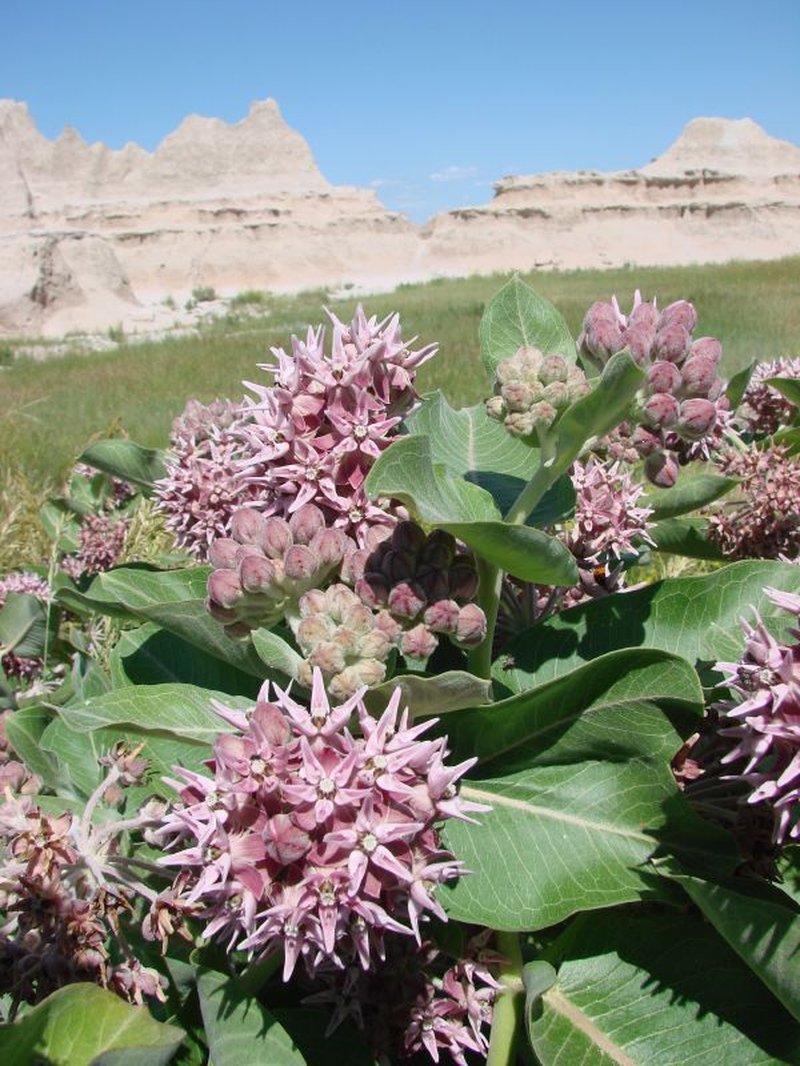
vicki watkins (www.flickr.com) from USA
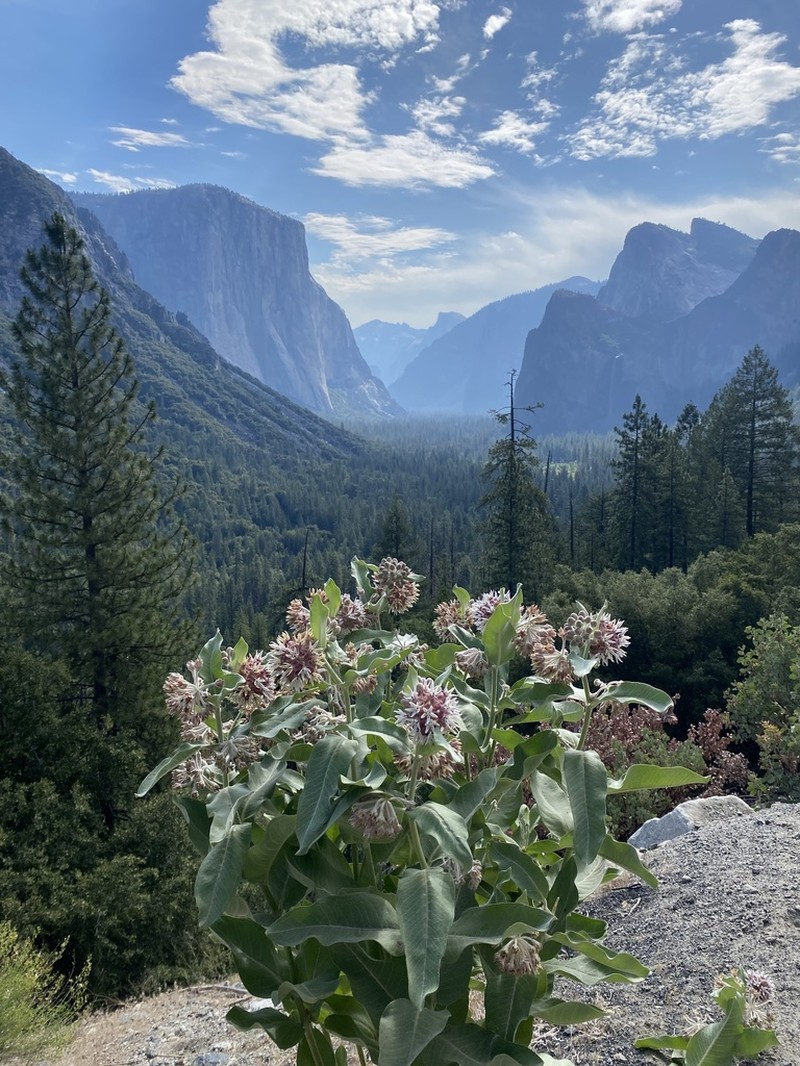
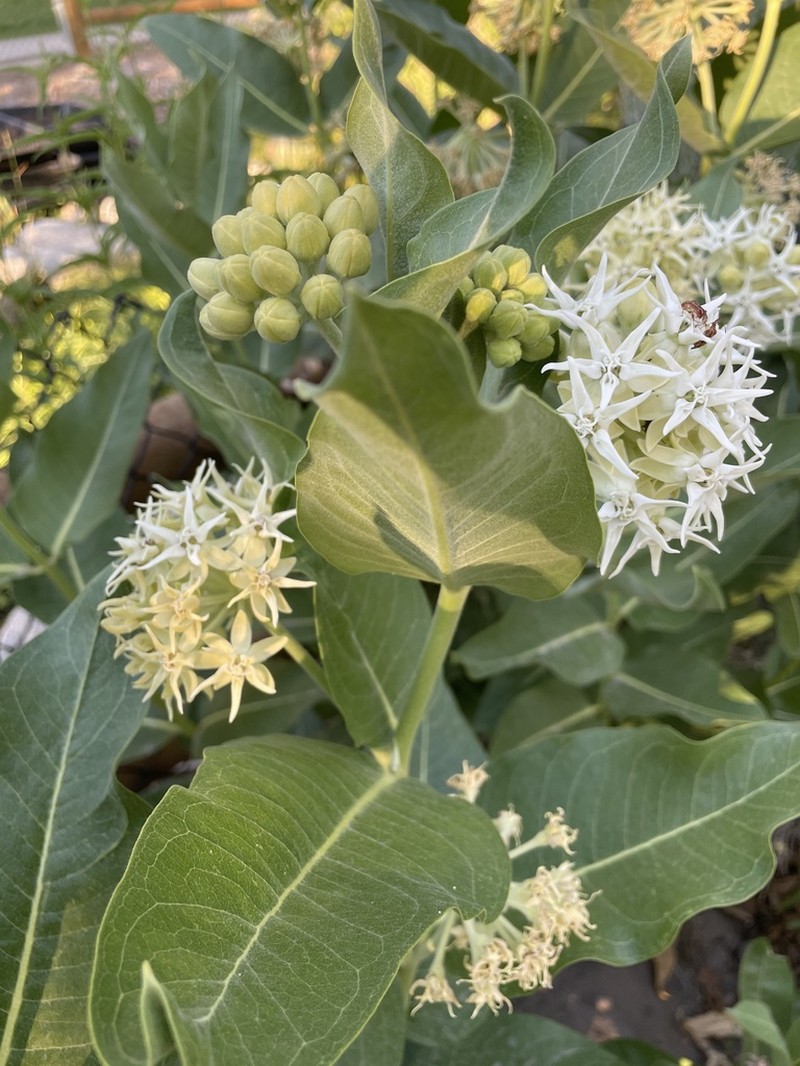
Taxonomy
- Division:
- Magnoliophyta | - Flowering plants
- Family:
- Apocynaceae
- Genus:
- Asclepias
- Species:
- Asclepias speciosa
- USDA Symbol:
- ASSP
Growth Characteristics
- Life Cycle:
- Perennial
- Growth Habit:
- Forb/herb
- Height:
- 150 cm
- Light Requirements:
- Full Sun
- Drought Tolerance:
- Medium
- Bloom Months:
- jun,jul,aug
- Bloom Colors:
- pink, purple, white
Wildlife Benefits
- Bees:
- ★★☆☆☆ Documented bee visitation (GBIF)
- Butterflies & Moths:
- ★★★★★ Documented Lepidoptera association (GBIF)
- Caterpillars:
- ★☆☆☆☆ Recorded caterpillar host plant (HOSTS Database)
- Hummingbirds:
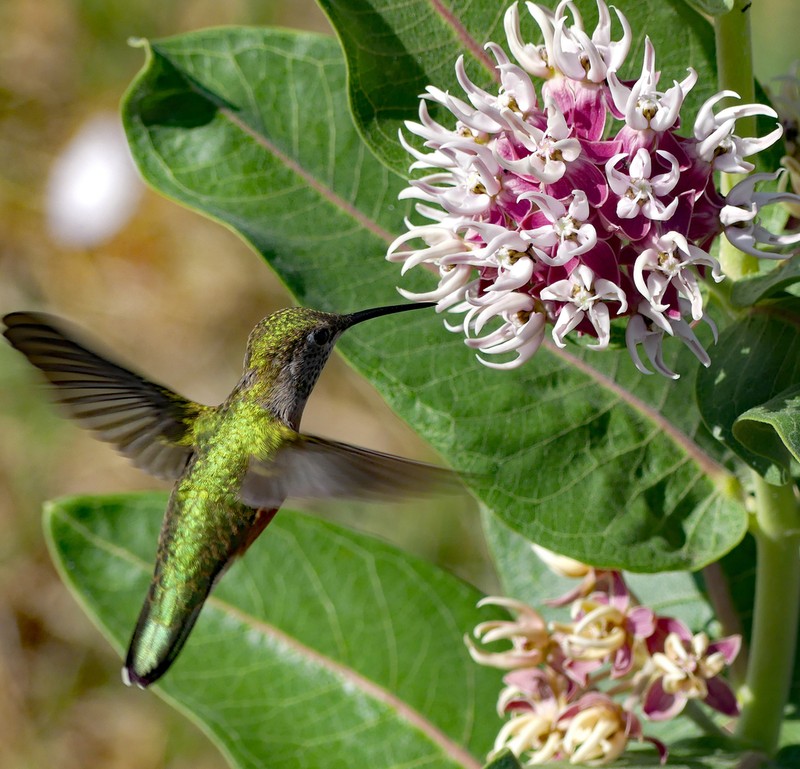
- ★☆☆☆☆ Documented hummingbird visits (GBIF)
Keystone Species Ranking
- Caterpillar Keystone:
- ★★☆☆☆ Butterfly & moth species supported by this genus (NWF)
Host Plant for Caterpillars
Reported Fauna Sightings
Garden & Ecology Notes
- Wildlife Value:
- bees, butterflies, hummingbirds
- Fragrant:
- Yes
- Fire Ecology:
- Fire adapted — tolerates or benefits from fire
- Fire Notes:
- Can resprout from root crown after fire; fire may stimulate seed germination.
Soil Requirements
- Soil Type:
- well-drained, sandy or loamy soil
- pH:
- 6.0 - 8.0 (slightly acidic to neutral)
- Drainage:
- excellent drainage required
- Moisture:
- dry to moderate
- Notes:
- native to open, sunny areas with poor soil
Propagation & Germination
- Stratification:
- Cold/moist stratification required — 30–60 days
- Germination Time:
- 14–30 days
- Notes:
- Seeds benefit from cold moist stratification for 30-60 days to break dormancy.
Pre-treatment: Seeds are stored in cool-dry conditions with temperatures of approximately 10° C (50° F) and relative humidity of 20 to 30%. Some seeds may require a cold stratification treatment for germination, but others may not. Some seeds are soaked in a 1% hydrogen peroxide solution for 24 hours, rinsed, and placed in water for an additional 24 hours, then refrigerated at 1 to 3 °C for 45 days.
Establishment: There are variations in the pre-treatment and establishment protocols among different sources. The germination rate and time range are also variable. The plant is native to mesic places in western North America from British Columbia to Manitoba and south to Texas.
Source: npn.rngr.net
ORGHPS Germination Guide: Sow @ 4C for 3 weeks, then place @ 20C.
Where to Buy
Nationwide Seller
- Prairie Moon Nursery (nursery and seeds)
- Ernst Seeds (seeds)
- Native American Seed (nursery and seeds)
- Butterfield Seeds (seeds)
- Butterfield Seeds (seeds)
- Butterfield Seeds (seeds)
- Butterfield Seeds (seeds)
- Butterfield Seeds (seeds)
- Butterfield Seeds (seeds)
- Butterfield Seeds (seeds)
- Butterfield Seeds (seeds)
- Butterfield Seeds (seeds)
- Butterfield Seeds (seeds)
- Native Seed Group (seeds)
- Native Plants Nursery (nursery)
- Vermont Wildflower Farm (nursery and seeds)
- Sheffield's Seed (seeds)