Taxonomy
- Division:
- Magnoliophyta | - Flowering plants
- Family:
- Apocynaceae
- Genus:
- Asclepias
- Species:
- Asclepias syriaca
- USDA Symbol:
- ASSY
Growth Characteristics
- Life Cycle:
- Perennial
- Growth Habit:
- Forb/herb
- Height:
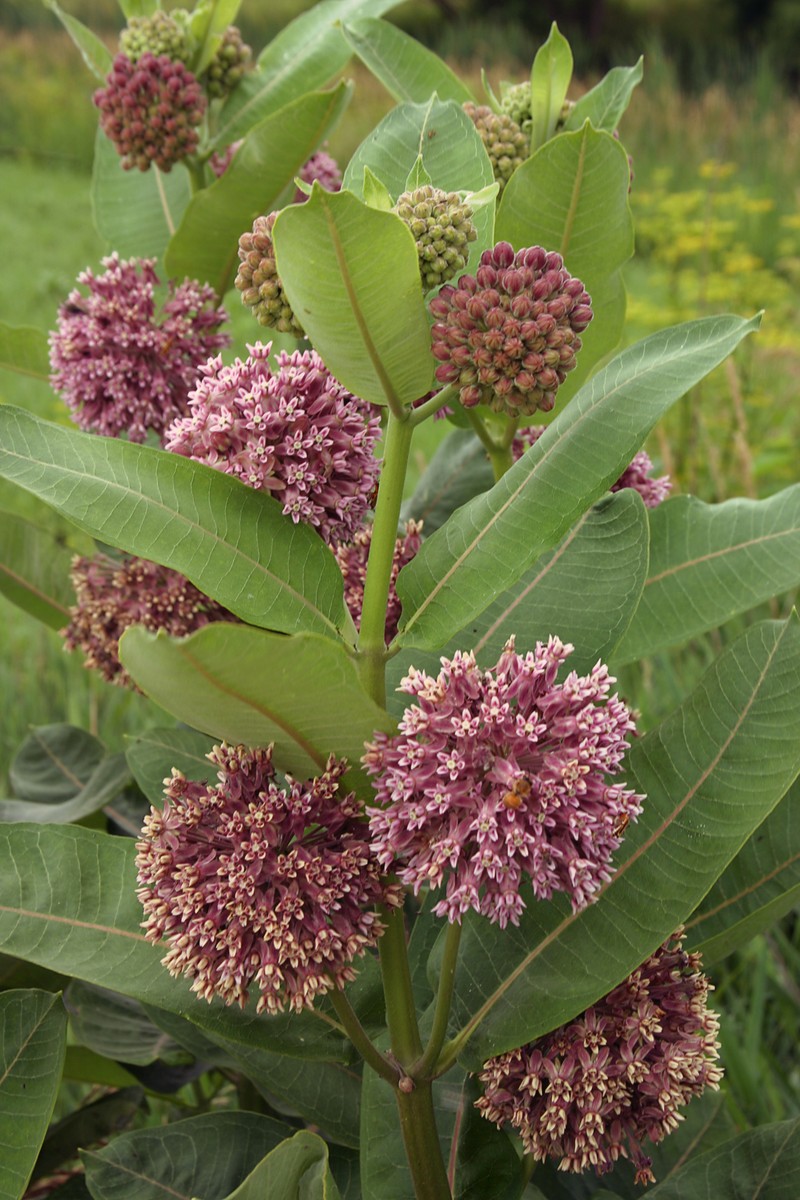
- 180 cm
- Light Requirements:
- Full Sun
- Drought Tolerance:
- Medium
- Bloom Months:
- jun,jul,aug
- Bloom Colors:
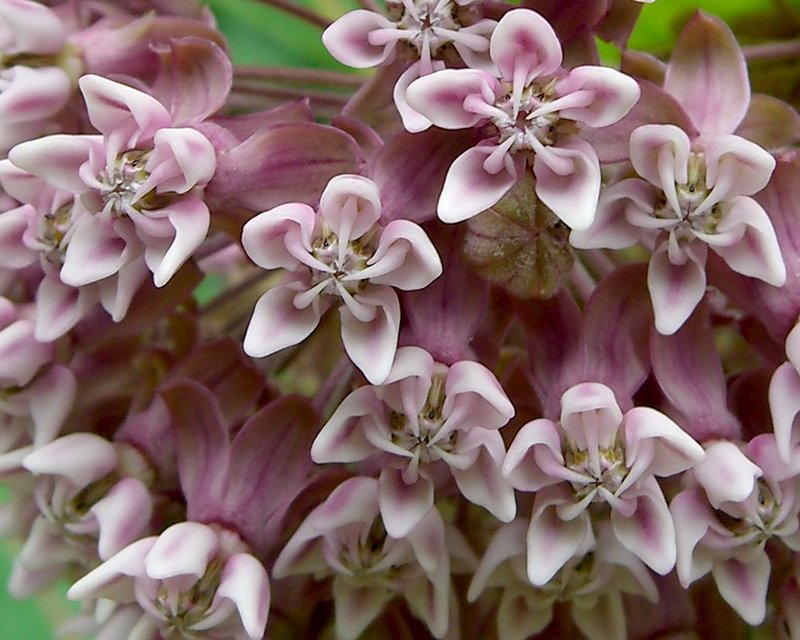
- pink, purple
Wildlife Benefits
- Bees:
- ★★★★☆ Documented bee visitation (GBIF)
- Butterflies & Moths:
- ★★★★★ Documented Lepidoptera association (GBIF)
- Caterpillars:
- ★★☆☆☆ Recorded caterpillar host plant (HOSTS Database)
- Hummingbirds:
- ★☆☆☆☆ Documented hummingbird visits (GBIF)
Keystone Species Ranking
- Caterpillar Keystone:
- ★★☆☆☆ Butterfly & moth species supported by this genus (NWF)
Host Plant for Caterpillars
Cecropia moth (Hyalophora cecropia), Delicate Cycnia (Cycnia tenera), Lined Ruby Tiger Moth (Phragmatobia lineata), Milkweed Tussock Moth (Euchaetes egle), stalk borer moth (Papaipema nebris), ⚠️Monarch butterfly (Danaus plexippus)
Reported Fauna Sightings
Bees: American bumble bee (Bombus pensylvanicus), Anthophora abrupta, Anthophora walshii, Black and (Bombus auricomus), Bombus Latreille, Confusing bumble (Bombus perplexus), Eastern Carpenter Bee (Xylocopa virginica), Fernald cuckoo bumble bee (Bombus flavidus), Half-black bumble (Bombus vagans), Northern amber (Bombus borealis), Pyrobombus Dalla, Red-belted bumble (Bombus rufocinctus), 🛑Rusty-patched bumble (Bombus affinis), Tri-colored bumble (Bombus ternarius), ⚠️Western honey bee (Apis mellifera), Yellow bumble (Bombus fervidus), Yellow-banded bumble (Bombus terricola), Zadontomerus Ashmead Hummingbirds: Ruby-throated Hummingbird (Archilochus colubris) Moths:Atteva aurea, Banded Tussock Moth (Halysidota tessellaris), Cycnia collaris, Delicate Cycnia (Cycnia tenera), Eichlinia cucurbitae, Eight-spotted Forester (Alypia octomaculata), Fall webworm (Hyphantria cunea), Geina Tutt, Grapeleaf skeletonizer (Harrisina americana), Halysidota Hübner, Horned Spanworm (Nematocampa resistaria), Hummingbird Clearwing (Hemaris thysbe), Isabella tiger moth (Pyrrharctia isabella), Macaria pustularia, Milkweed Tussock Moth (Euchaetes egle), Nessus sphinx (Amphion floridensis), orange mint moth (Pyrausta orphisalis), Orange-patched Pyromorpha (Pyromorpha dimidiata), Reversed Haploa (Haploa reversa), Salt Marsh Moth (Estigmene acrea), Snowberry Clearwing (Hemaris diffinis), Virginia Ctenucha (Ctenucha virginica), Virginia Tiger Moth (Spilosoma virginica), Yellow-collared Scape Moth (Cisseps fulvicollis) Butterflies:Aaron's Skipper (Poanes aaroni), American Copper (Lycaena hypophlaeas), American Lady (Vanessa virginiensis), American snout butterfly (Libytheana carinenta), Aphrodite Fritillary (Argynnis aphrodite), Argynnis idalia, Atalopedes Scudder, Atlantis Fritillary (Argynnis atlantis), Baltimore checkerspot (Euphydryas phaeton), Banded Hairstreak (Satyrium calanus), Black Swallowtail (Papilio polyxenes), Broad-winged Skipper (Poanes viator), Byssus Skipper (Problema byssus), Cabbage White (Pieris rapae), Canadian Tiger Swallowtail (Papilio canadensis), Cecropterus lyciades, Clouded Sulphur (Colias philodice), Common Buckeye (Junonia coenia), Common Checkered-Skipper (Pyrgus communis), Common Wood-Nymph (Cercyonis pegala), Coral Hairstreak (Satyrium titus), Crescents (Phyciodes Hübner), Delaware Skipper (Anatrytone logan), Dun Skipper (Euphyes vestris), Eastern Comma (Polygonia comma), Eastern Tailed-Blue (Cupido comyntas), Eastern Tiger Swallowtail (Pterourus glaucus), Eastern Tiger Swallowtail (Papilio glaucus), Field Skipper (Atalopedes campestris), Fiery Skipper (Hylephila phyleus), Gray Hairstreak (Strymon melinus), Great Spangled (Argynnis cybele), Greater Fritillary (Speyeria Scudder), Hackberry Emperor (Asterocampa celtis), Hickory Hairstreak (Satyrium caryaevorus), Hobomok Skipper (Lon hobomok), Horace's Duskywing (Gesta Evans), Juniper Hairstreak (Callophrys gryneus), Least Skipper (Ancyloxypha numitor), Little Glassywing (Vernia verna), Little Wood Satyr (Megisto cymela), Long Dash Skipper (Polites mystic), Mourning Cloak (Nymphalis antiopa), Northern Broken-Dash (Polites egeremet), Orange Sulphur (Colias eurytheme), Painted Lady (Vanessa cardui), Pearl Crescent (Phyciodes tharos), Peck's skipper (Polites peckius), Peck's Skipper (Polites coras), Pipevine Swallowtail (Battus philenor), Queen butterfly (Danaus gilippus), Question Mark (Polygonia interrogationis), Red Admiral (Vanessa atalanta), Red-banded Hairstreak (Calycopis cecrops), Red-spotted Admiral (Limenitis arthemis), Silver-spotted Skipper (Epargyreus clarus), Silvery Checkerspot (Chlosyne nycteis), Spicebush Swallowtail (Pterourus troilus), Spicebush Swallowtail (Papilio troilus), Striped Hairstreak (Satyrium liparops), Summer Azure (Celastrina neglecta), Tawny-edged Skipper (Polites themistocles), Tiger Swallowtails and Allies (Pterourus Scopoli), Variegated Fritillary (Euptoieta claudia), Viceroy butterfly (Limenitis archippus), Zabulon Skipper (Poanes zabulon), Zabulon Skipper (Lon zabulon), Zebra Swallowtail (Eurytides marcellus)
Garden & Ecology Notes
- Wildlife Value:
- bees, butterflies, birds
- Fragrant:
- Yes
- Fire Ecology:
- Fire adapted — tolerates or benefits from fire
- Fire Notes:
- Can resprout from root buds after fire; fire may stimulate seed germination in some populations.
Soil Requirements
- Soil Type:
- sandy, well-drained, nutrient-poor soil
- pH:
- 4.8 - 6.8 (slightly acidic to neutral)
- Drainage:
- excellent drainage required
- Moisture:
- dry to moderate
- Notes:
- Prefers open, sunny locations; common in disturbed areas
Propagation & Germination
- Stratification:
- Cold/moist stratification required — 30–60 days
- Germination Time:
- 14–30 days
- Notes:
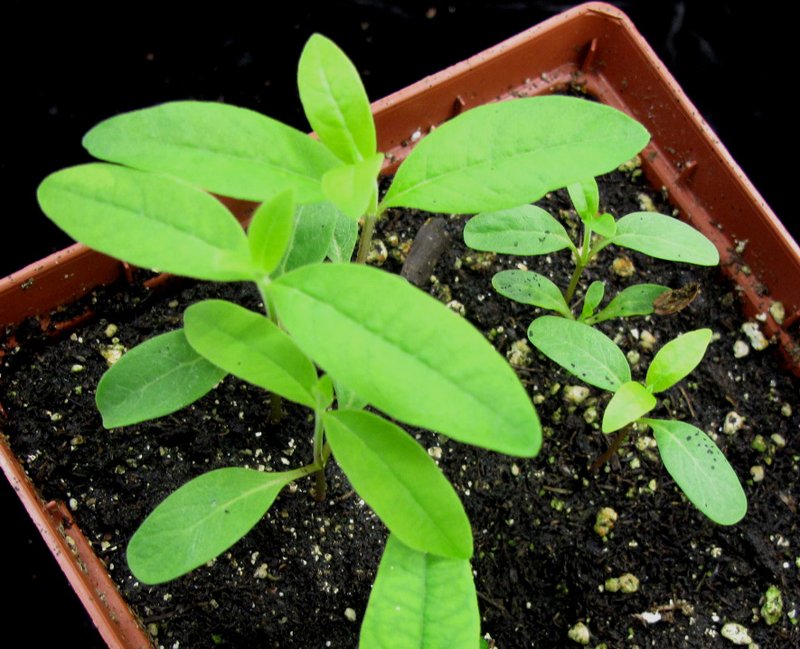
- Seeds benefit from cold moist stratification for 30-60 days; sow in spring after last frost.
Pre-treatment: Mix the seeds with an equal amount of moist perlite or vermiculite. Seal mixture into a Ziploc-style bag or a Rubbermaid-style container. One-month cold moist stratification in a cool dry place (refrigerator or cold garage). Cold store until planted (up to 3 years).
Establishment: Seed is collected by hand from locally native plants within the eastern central Upper Peninsula. The plant blooms from approximately June to Aug. and seed is harvested Sept. thru Oct. The habitat is dry to somewhat moist, usually sandy, often disturbed areas. The plant is stout, finely downy, grayish-green, usually unbranched stem up to 2 meters tall and rapidly spreads by underground stems.
Source: npn.rngr.net
Where to Buy
Nationwide Seller