
Butterfly Milkweed
Asclepias tuberosa
- Native to:
- Canada, Mexico, United States, Virgin Islands
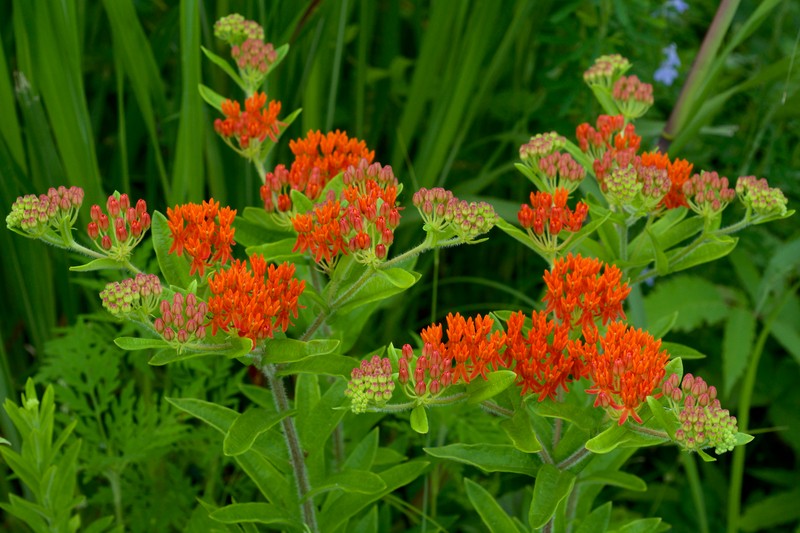
Eric Hunt
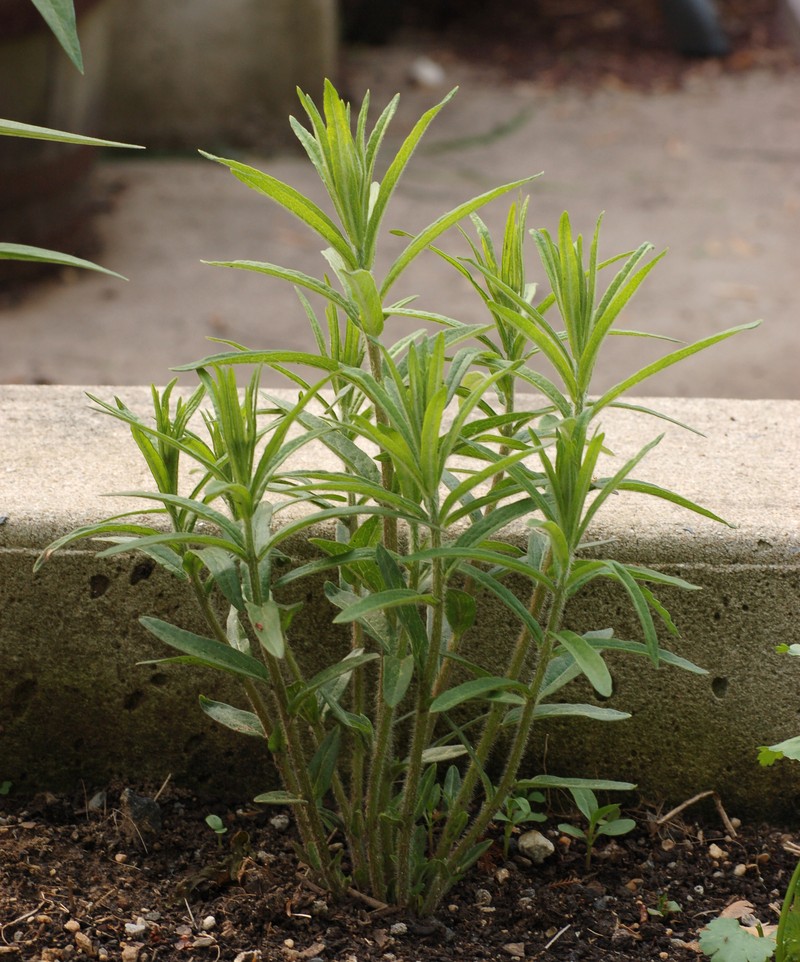
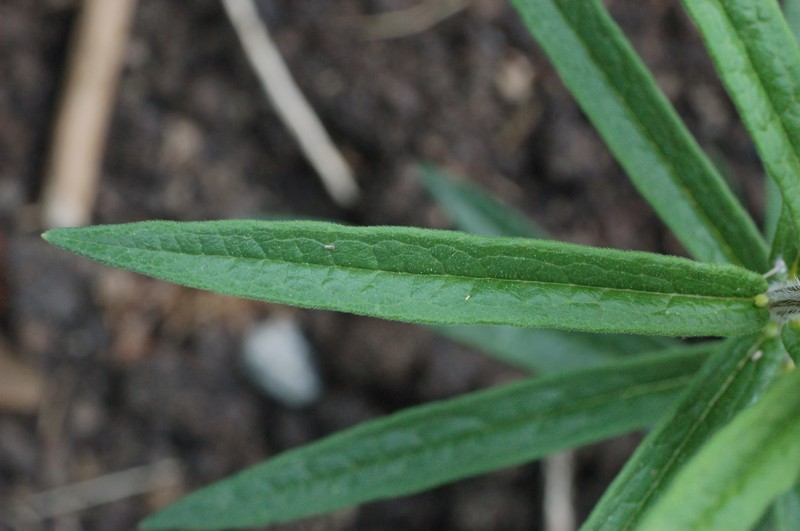
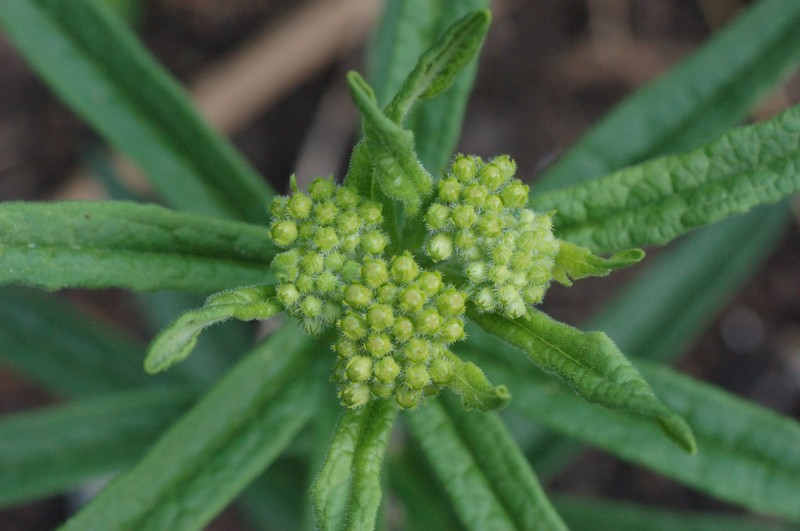
Taxonomy
- Division:
- Magnoliophyta | - Flowering plants
- Family:
- Apocynaceae
- Genus:
- Asclepias
- Species:
- Asclepias tuberosa
- USDA Symbol:
- ASTU
Growth Characteristics
- Life Cycle:
- Perennial
- Growth Habit:
- Forb/herb
- Height:
- 90 cm
- Light Requirements:
- Full Sun
- Drought Tolerance:
- High
- Bloom Months:
- jun,jul,aug
- Bloom Colors:
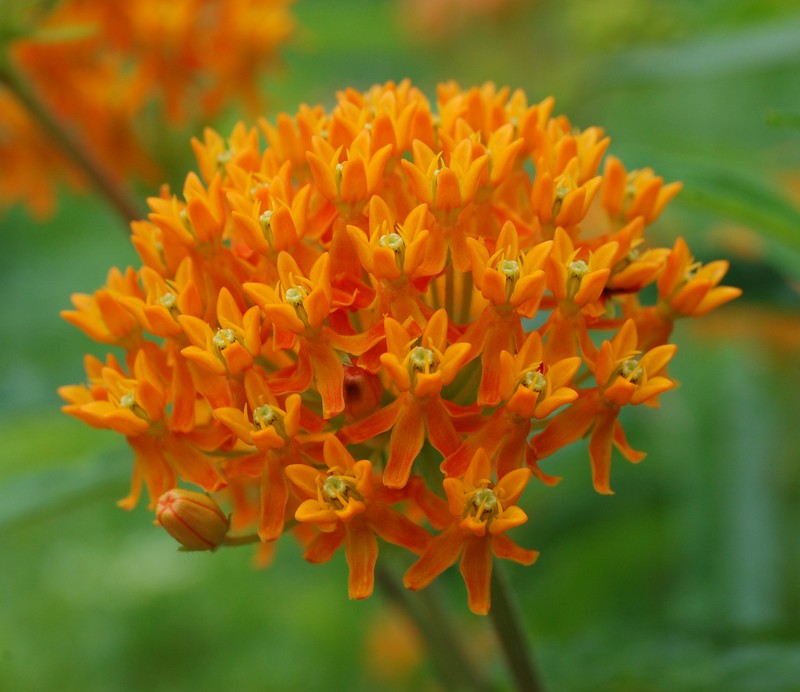
- orange, yellow, red
Wildlife Benefits
- Bees:
- ★★★☆☆ Documented bee visitation (GBIF)
- Butterflies & Moths:
- ★★★★☆ Documented Lepidoptera association (GBIF)
- Caterpillars:
- ★☆☆☆☆ Recorded caterpillar host plant (HOSTS Database)
- Hummingbirds:
- ★☆☆☆☆ Documented hummingbird visits (GBIF)
Keystone Species Ranking
- Caterpillar Keystone:
- ★★☆☆☆ Butterfly & moth species supported by this genus (NWF)
Host Plant for Caterpillars
Reported Fauna Sightings
Garden & Ecology Notes
- Wildlife Value:
- butterflies, bees, hummingbirds
- Deer Resistant:
- Yes
- Fire Ecology:
- Fire adapted — tolerates or benefits from fire
- Fire Notes:
- Can resprout from root crown after fire; fire may stimulate seed germination in some populations.
Soil Requirements
- Soil Type:
- sandy, well-drained, nutrient-poor soil
- pH:
- 5.5 - 7.5 (slightly acidic to neutral)
- Drainage:
- excellent drainage required
- Moisture:
- dry to moderate
- Notes:
- Thrives in open, sunny locations
Propagation & Germination
- Stratification:
- Cold/moist stratification required — 30–60 days
- Germination Time:
- 14–30 days
- Notes:
- Seeds benefit from cold stratification for 30-60 days to break dormancy; sow in spring after last frost.
Pre-treatment: Seeds are mixed with equal amounts of vermiculite and lightly dampened in a plastic bag or container. They are then placed in cold moist stratification for 60 days to 3-4 months at 34-36 degrees F.
Establishment: Seed is collected by hand from nursery stock. The plant flowers from approx. June 10 to July 10. Seed is harvested September 18. The plant is found from southeastern Canada to New York and Minnesota, South Dakota, Colorado, eastern Kansas and Nebraska south to Texas, New Mexico and northern Mexico. It is found east to Missouri and Mississippi.
Source: npn.rngr.net
ORGHPS Germination Guide: Sow @ 20°C. Seed germinates within 3 months Resents transplanting. * plant in deep pot or in situ to avoid damaging long taproot; warm cycle should be hot 30-37°C. They should be planted in moist soil mix and put in the refrigerator for at least 4 weeks, or what I do is mix them with a little moist Promix and put them in a pill container and refrigerate them for the same length of time; the seeds are big enough to be easily seen when planting. With this method I almost always have very good germination and it can be done a few months ahead and then planted at the right time. 20 degrees C. is fine after the cold period. I?ve been growing this plant for over 30 years, and this method works well.
Where to Buy
Nationwide Seller
- Prairie Moon Nursery (nursery and seeds)
- Sheffield's Seed (seeds)
- Wild Seed Project (seeds)
- Vermont Wildflower Farm (nursery and seeds)
- Native American Seed (nursery and seeds)
- Ernst Seeds (seeds)
- Bamert Seed (seeds)
- North Creek Nurseries (nursery)
- Native Seed Group (seeds)
- Native Plants Nursery (nursery)
- Pizzo Native Plant Nursery (wholesale nursery)