
Honeyvine
Cynanchum laeve
- Native to:
- United States, Virgin Islands
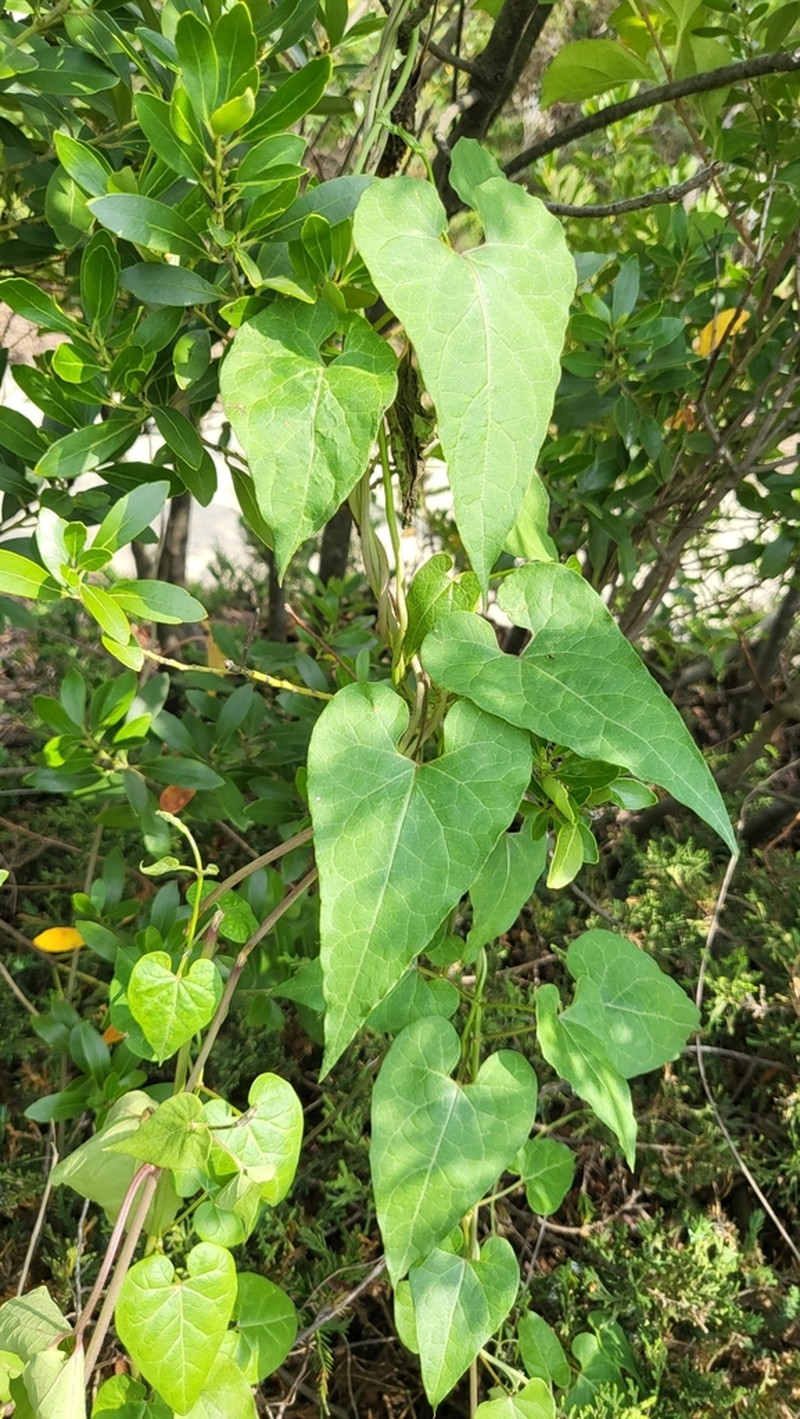
iNaturalist: © shainatheplantgirl (iNaturalist #169998703)
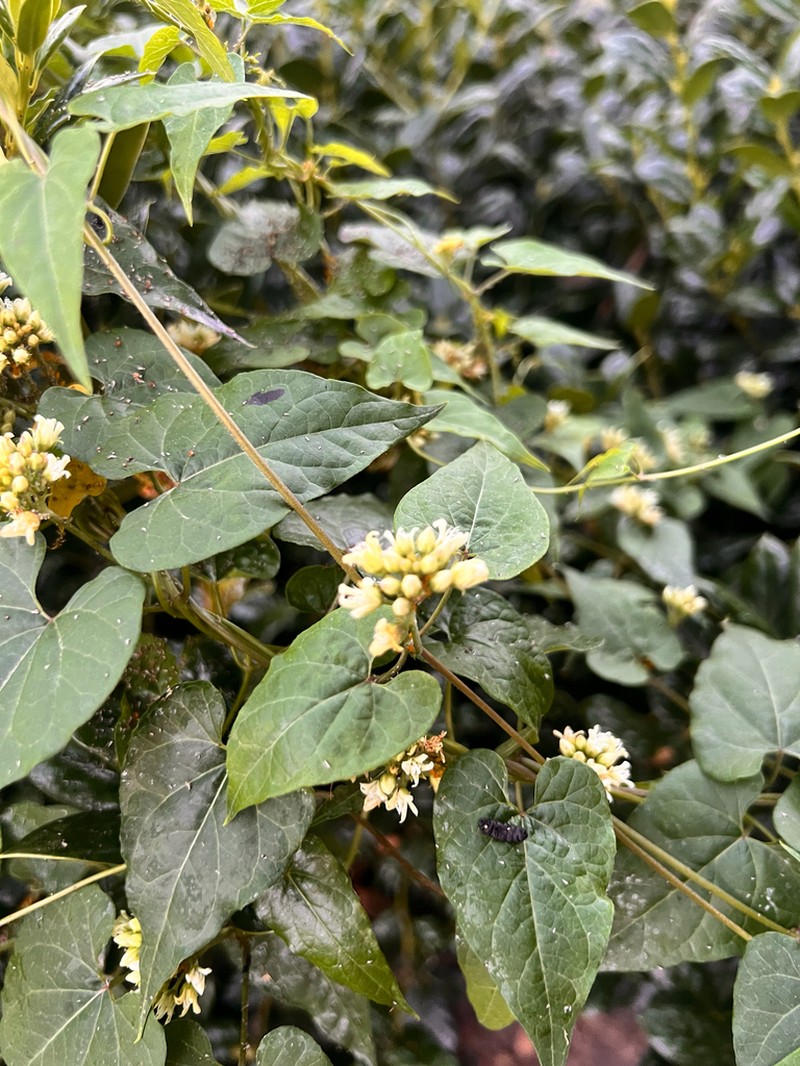
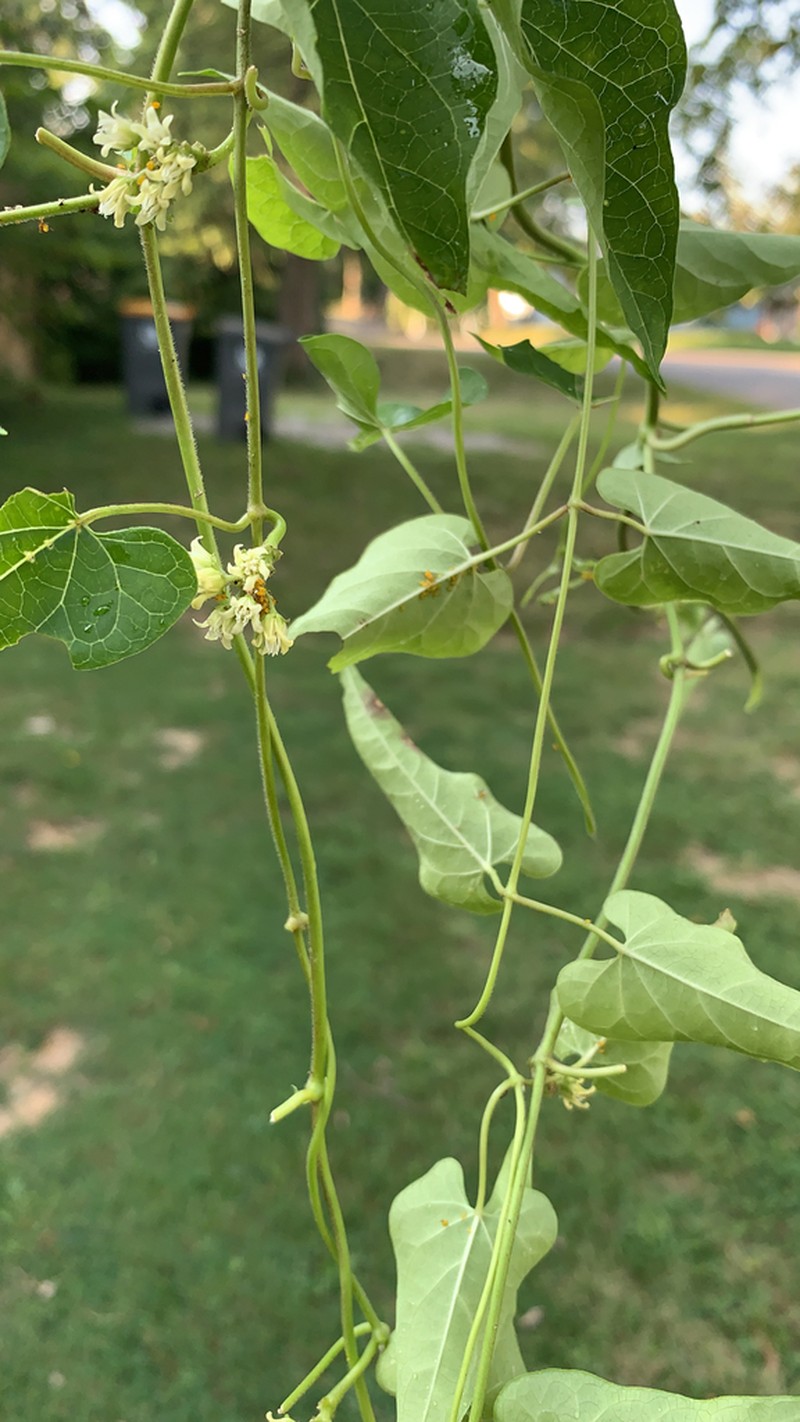
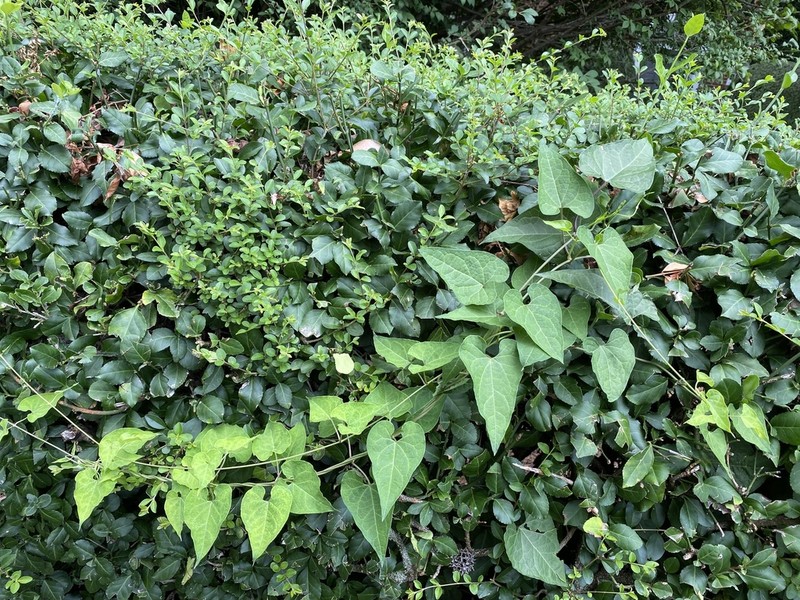
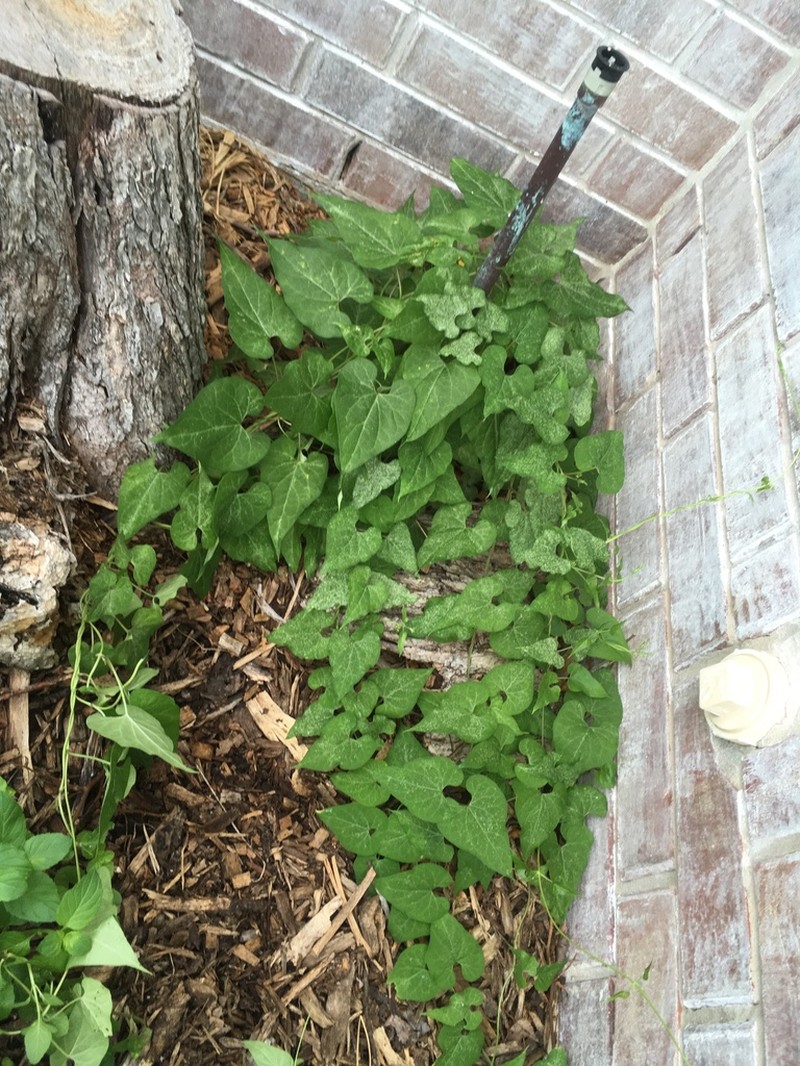
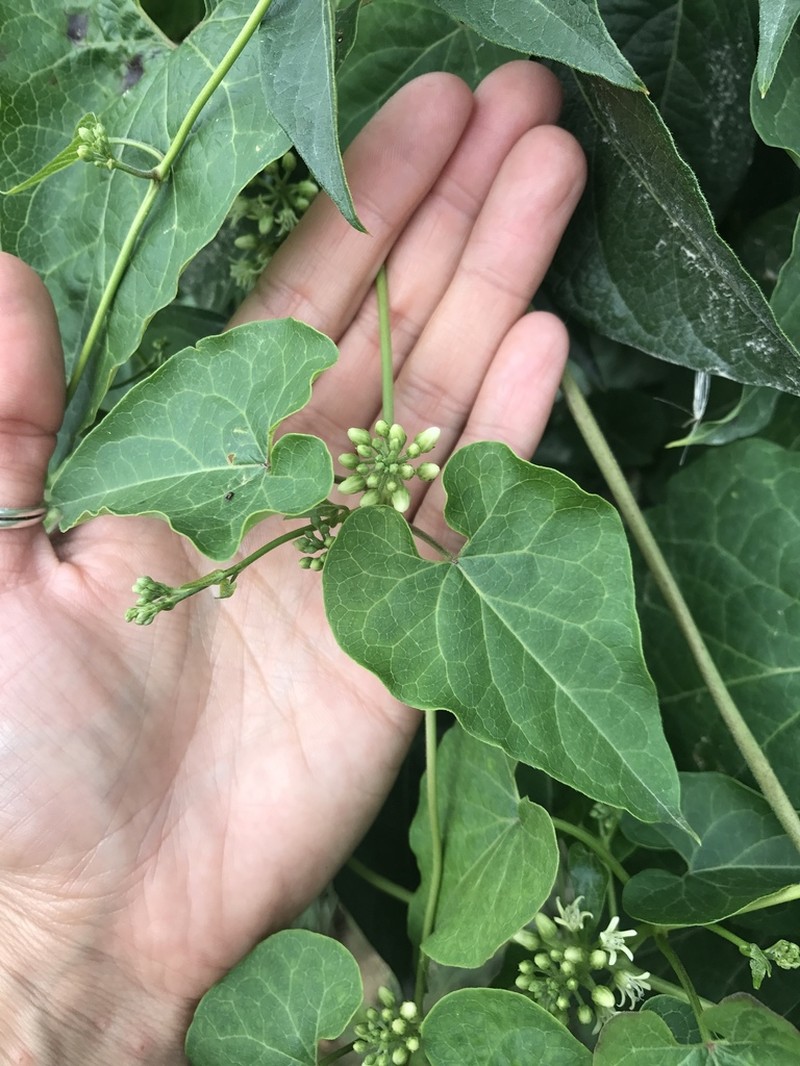
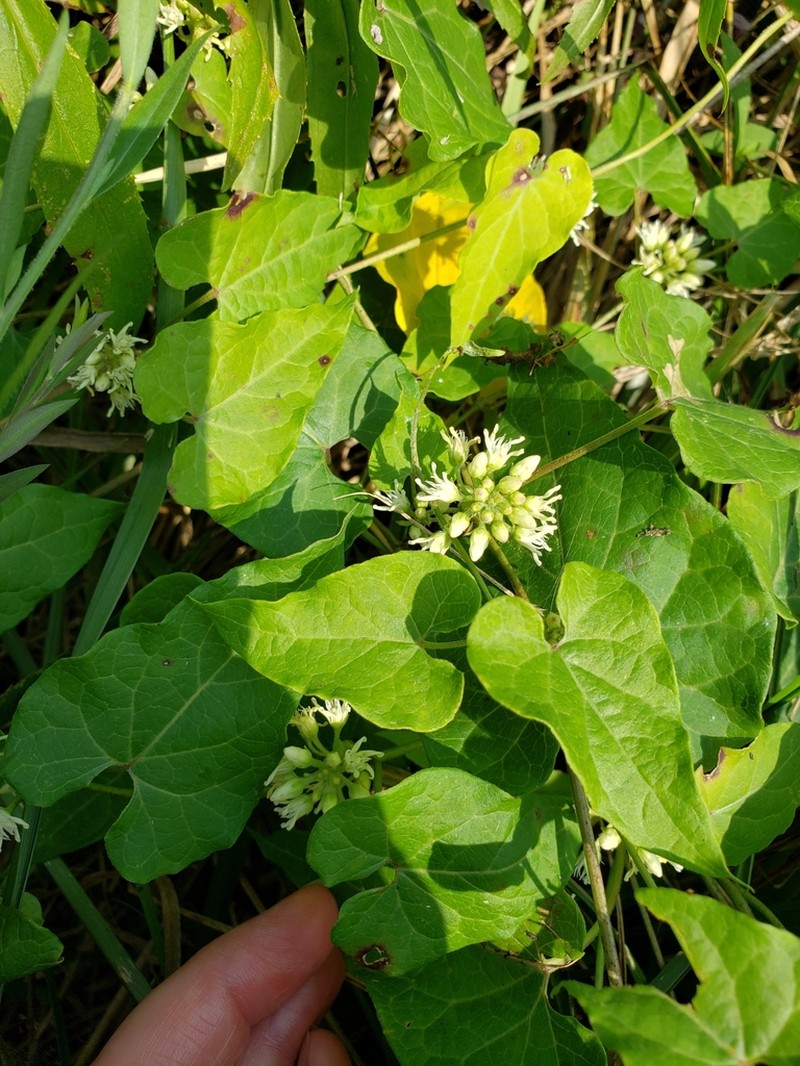
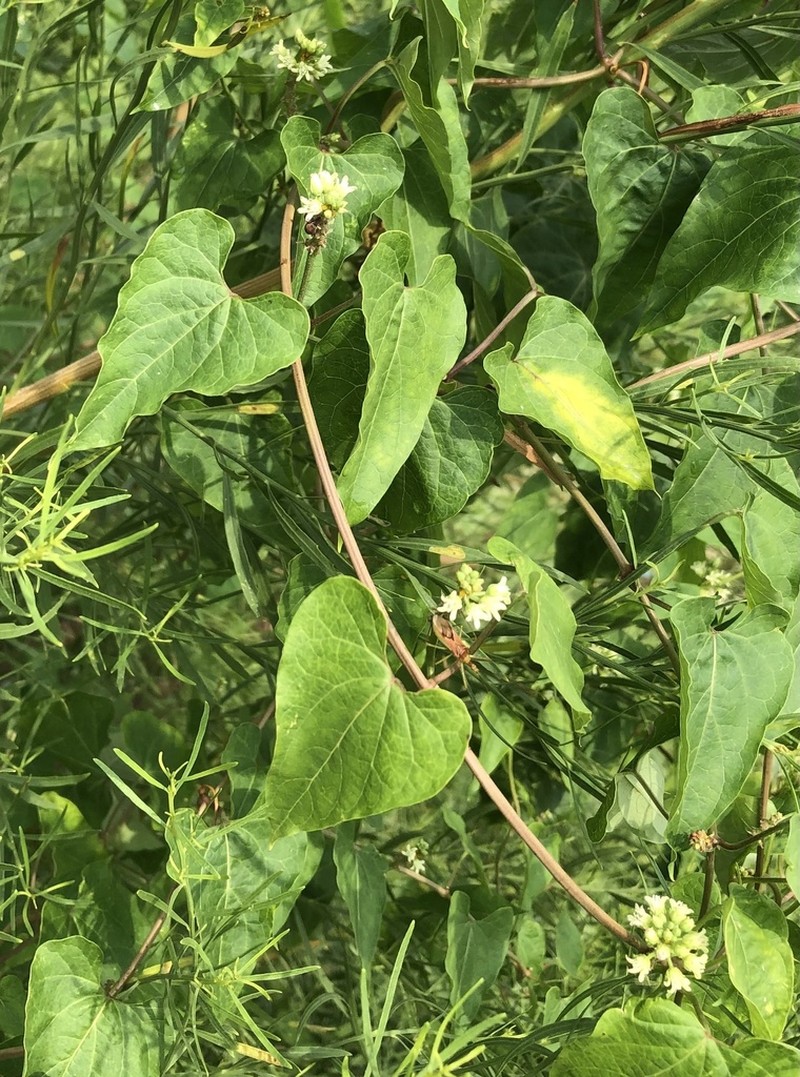
Taxonomy
- Division:
- Magnoliophyta | - Flowering plants
- Family:
- Apocynaceae
- Genus:
- Cynanchum
- Species:
- Cynanchum laeve
- USDA Symbol:
- CYLA
Growth Characteristics
- Life Cycle:
- Perennial
- Growth Habit:
- Forb/herb , Vine
- Height:
- 200 cm
- Light Requirements:
- Full Sun
- Drought Tolerance:
- Low
- Bloom Months:
- jun,jul,aug,sep
- Bloom Colors:
- white
Wildlife Benefits
- Bees:
- ★☆☆☆☆ Documented bee visitation (GBIF)
- Butterflies & Moths:
- ★☆☆☆☆ Documented Lepidoptera association (GBIF)
- Caterpillars:
- ★☆☆☆☆ Recorded caterpillar host plant (HOSTS Database)
Host Plant for Caterpillars
Milkweed Tussock Moth (Euchaetes egle), ⚠️Monarch butterfly (Danaus plexippus)
Reported Fauna Sightings
Bees: Eastern Carpenter Bee (Xylocopa virginica), ⚠️Western honey bee (Apis mellifera) Moths:Milkweed Tussock Moth (Euchaetes egle) Butterflies:⚠️Monarch butterfly (Danaus plexippus)
Garden & Ecology Notes
- Wildlife Value:
- butterflies, bees
Soil Requirements
- Soil Type:
- moist, fertile, well-drained loam
- pH:
- 5.5 - 7.5 (slightly acidic to neutral)
- Drainage:
- tolerates poor drainage
- Moisture:
- consistently moist
- Notes:
- Commonly found in floodplains and wetlands