
Inkberry
Ilex glabra
- Native to:
- Canada, United States, Virgin Islands
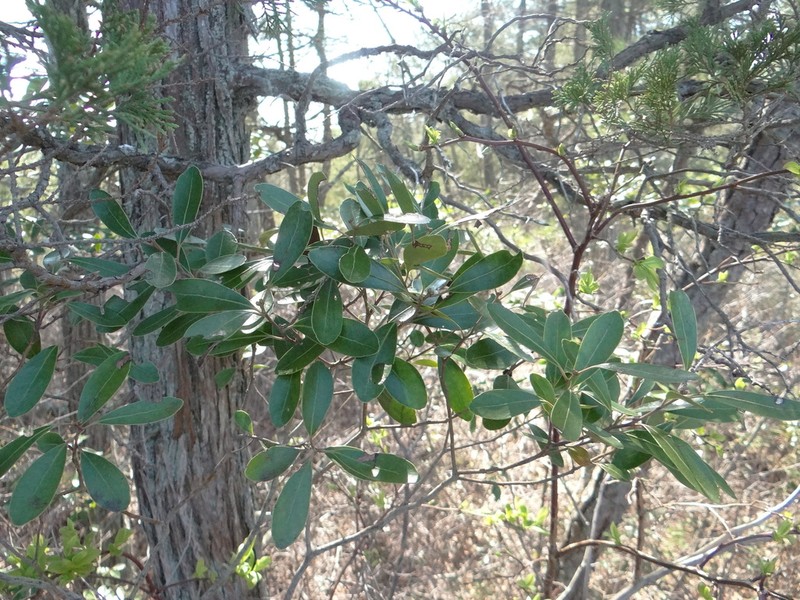
iNaturalist: © mgochfeld (iNaturalist #3220162)
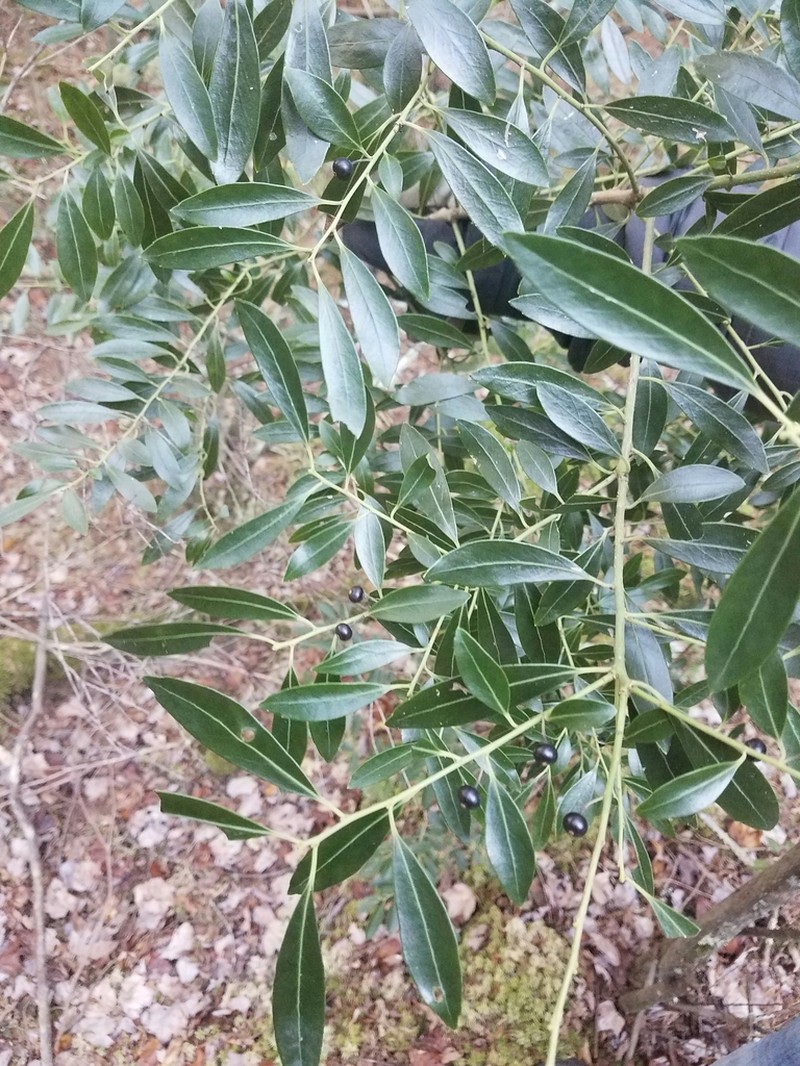
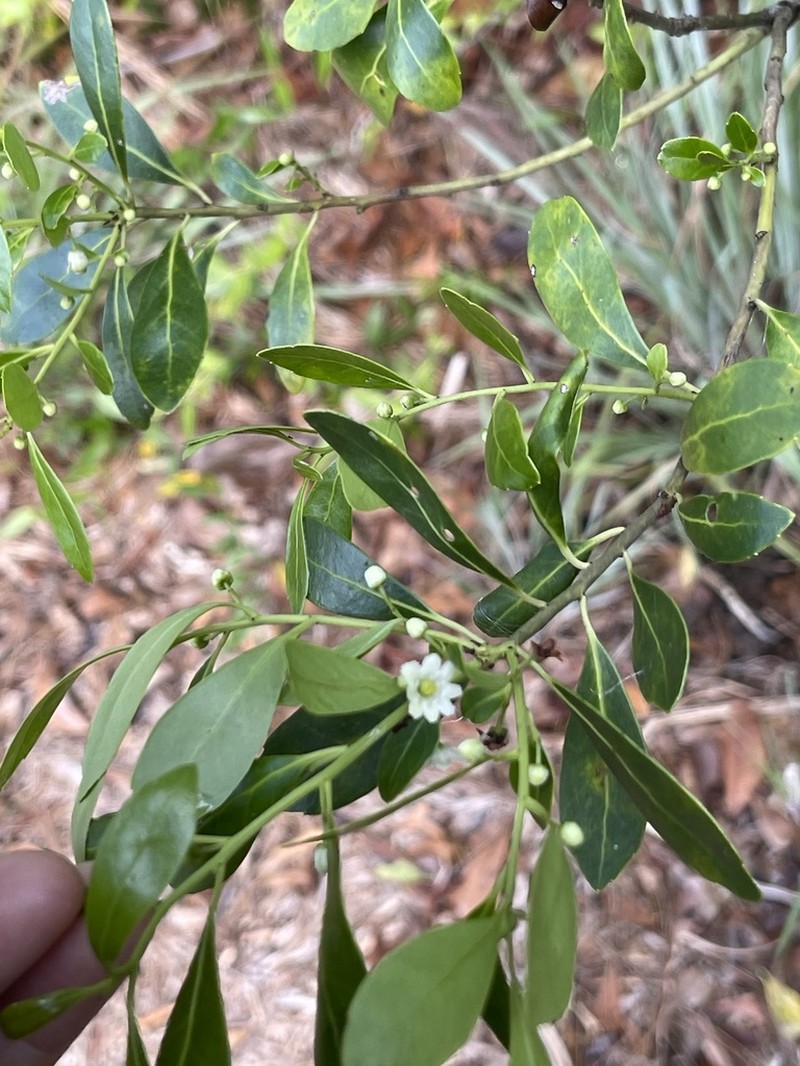
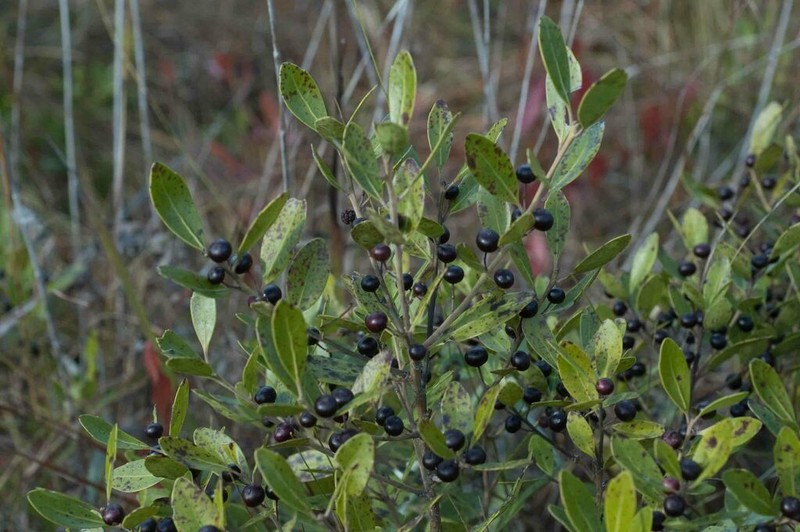
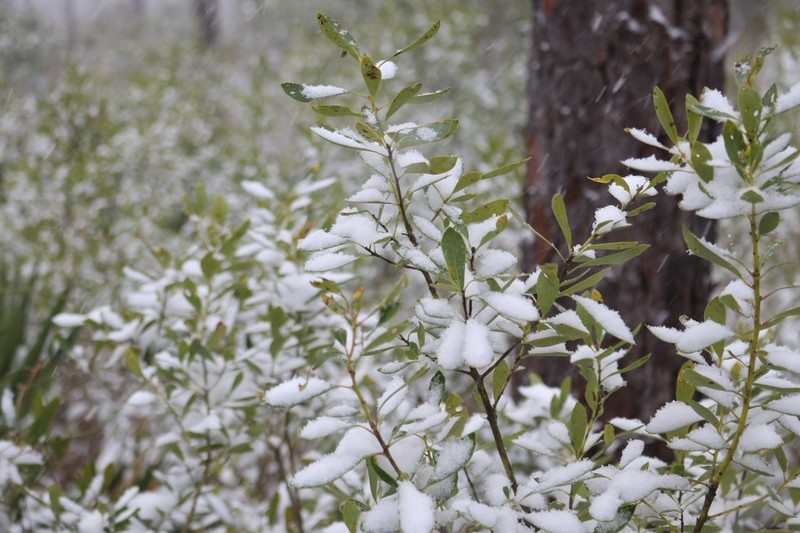
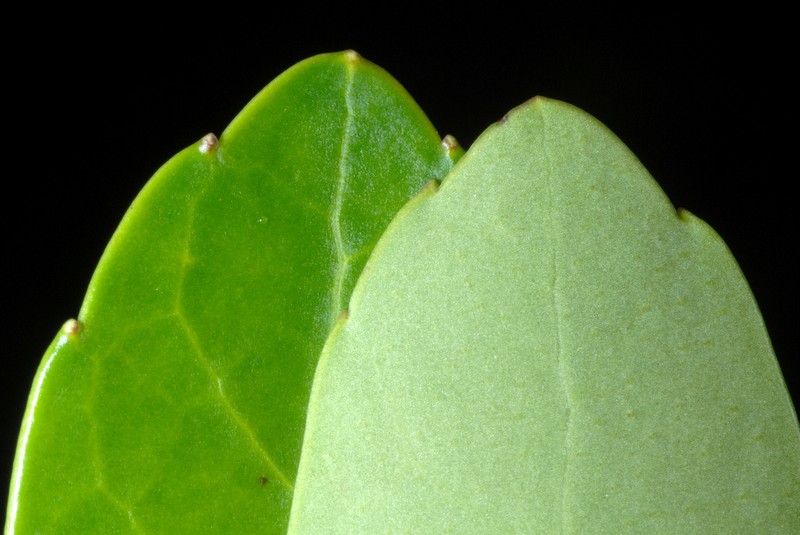
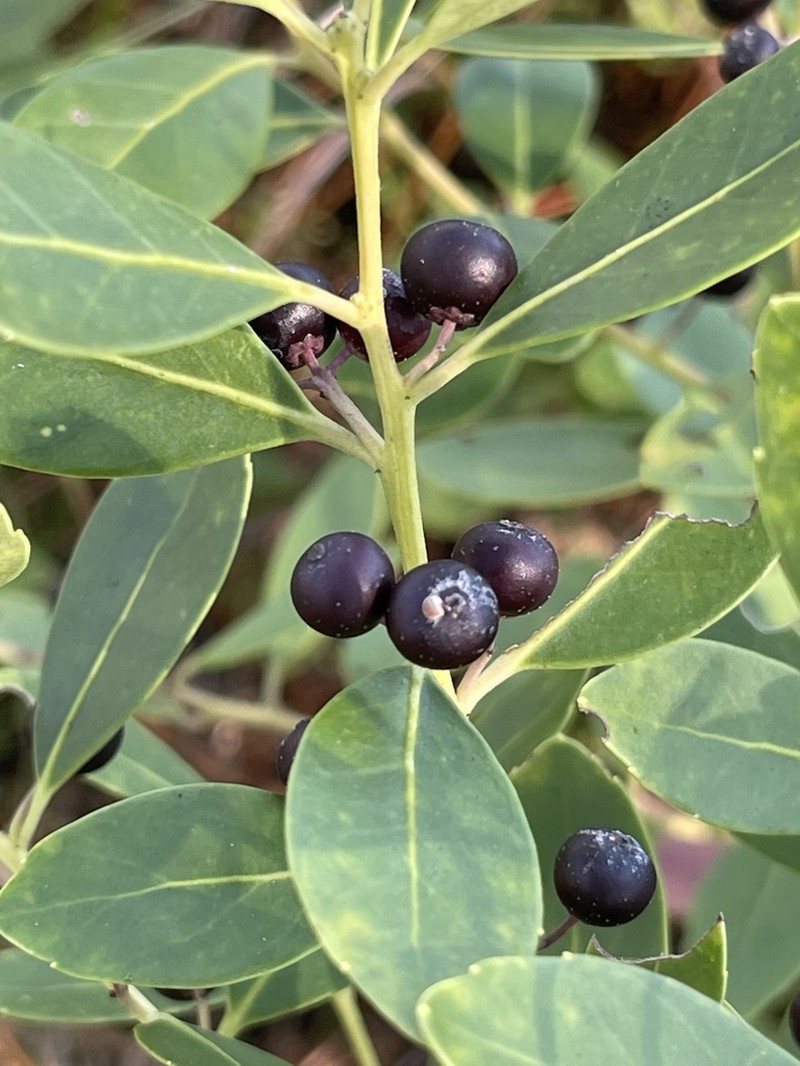
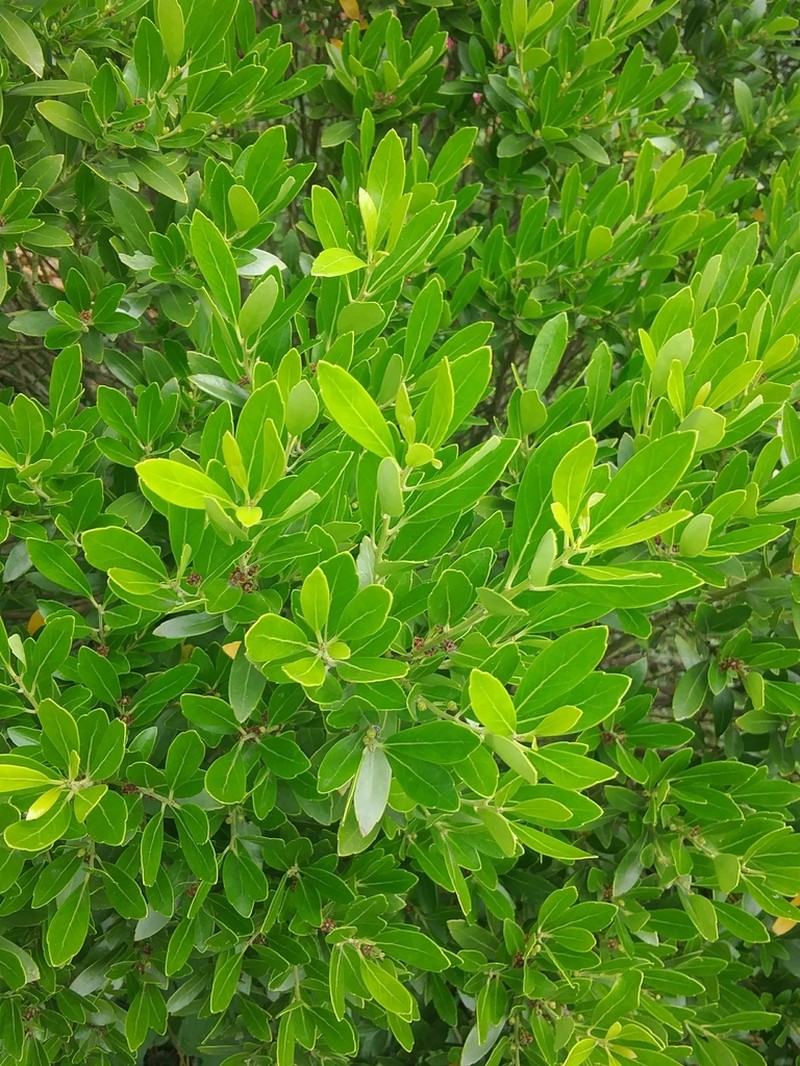
Taxonomy
- Division:
- Magnoliophyta | - Flowering plants
- Family:
- Aquifoliaceae
- Genus:
- Ilex
- Species:
- Ilex glabra
- USDA Symbol:
- ILGL
Growth Characteristics
- Life Cycle:
- Perennial
- Growth Habit:
- Shrub
- Height:
- 300 cm
- Light Requirements:
- Part Shade
- Drought Tolerance:
- Low
- Bloom Months:
- may,jun
- Bloom Colors:
- white
- Evergreen Shrub:
- Yes
- Landscaping Shrub:
- Yes
Wildlife Benefits
- Bees:
- ★☆☆☆☆ Documented bee visitation (GBIF)
- Butterflies & Moths:
- ★★★☆☆ Documented Lepidoptera association (GBIF)
- Caterpillars:
- ★☆☆☆☆ Recorded caterpillar host plant (HOSTS Database)
Keystone Species Ranking
- Caterpillar Keystone:
- ★★★★☆ Butterfly & moth species supported by this genus (NWF)
- Pollen Specialist Bee Keystone:
- ★☆☆☆☆ Native pollen specialist bee species supported by this genus (NWF)
Host Plant for Caterpillars
Gypsy moth (Lymantria dispar), lilac sphinx (Sphinx kalmiae), pawpaw sphinx (Dolba hyloeus), Spotted Apatelodes (Apatelodes torrefacta), Holly Blue (Celastrina argiolus)
Reported Fauna Sightings
Bees: Two-spotted bumble bee (Bombus bimaculatus), ⚠️Western honey bee (Apis mellifera) Moths:pawpaw sphinx (Dolba hyloeus)
Garden & Ecology Notes
- Wildlife Value:
- birds, small mammals
- Salt Tolerant:
- Yes
- Fire Ecology:
- Fire adapted — tolerates or benefits from fire
- Fire Notes:
- Resprouts from root crown after fire; benefits from periodic fire to reduce competition.
Soil Requirements
- Soil Type:
- sandy, acidic, nutrient-poor soil
- pH:
- 4.5 - 6.5 (acidic to slightly acidic)
- Drainage:
- tolerates poor drainage
- Moisture:
- consistently moist
- Notes:
- Commonly found in bogs and wetlands
Propagation & Germination
- Stratification:
- Cold/moist stratification required — 60–90 days
- Germination Time:
- 30–60 days
- Notes:
- Seeds require cold stratification for 60-90 days to break dormancy.
Where to Buy
Nationwide Seller
- Sheffield's Seed (seeds)