
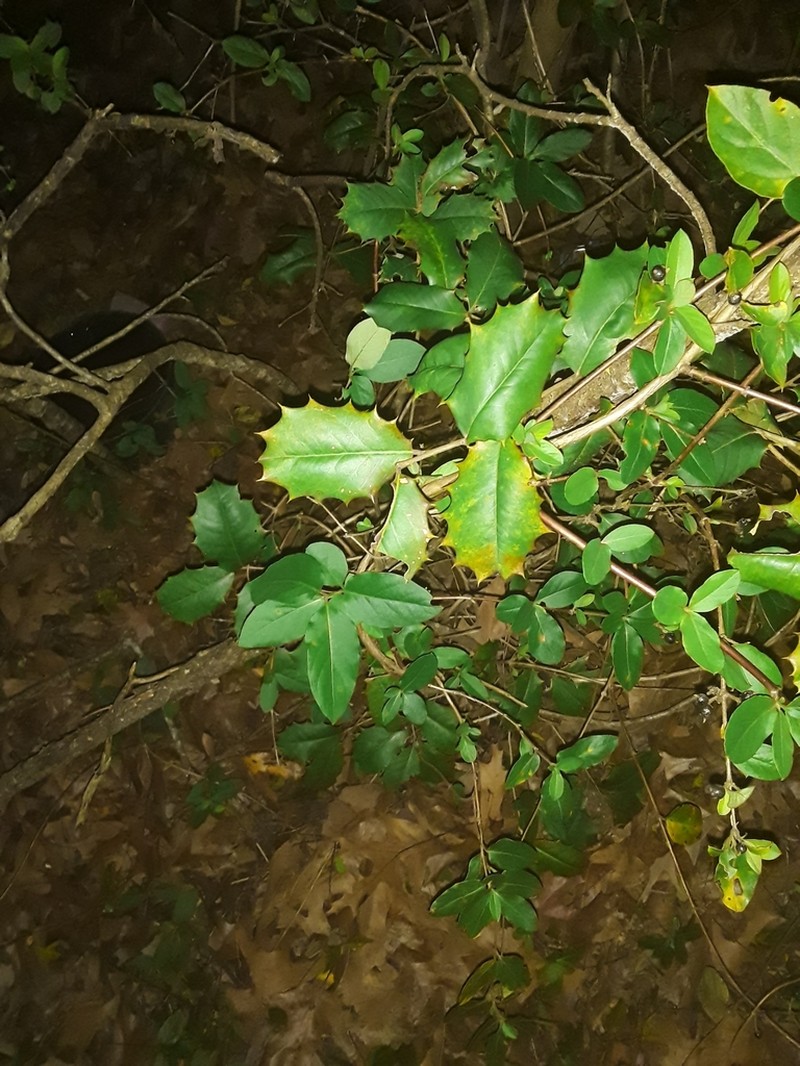
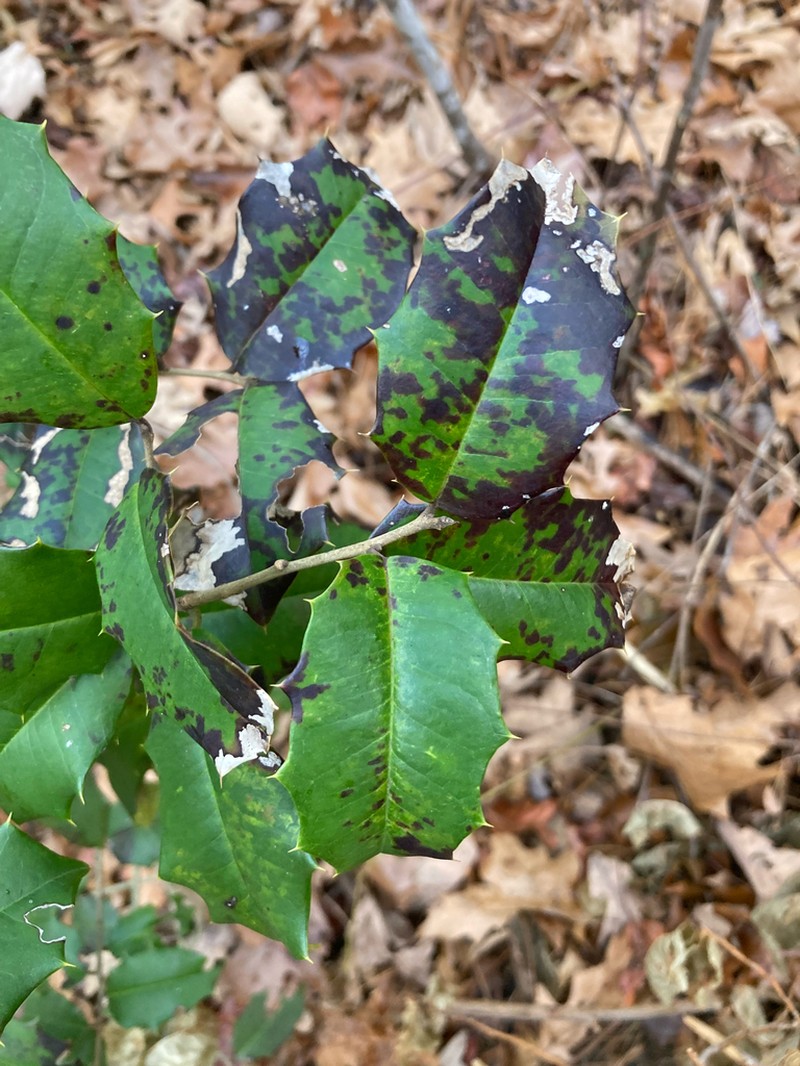
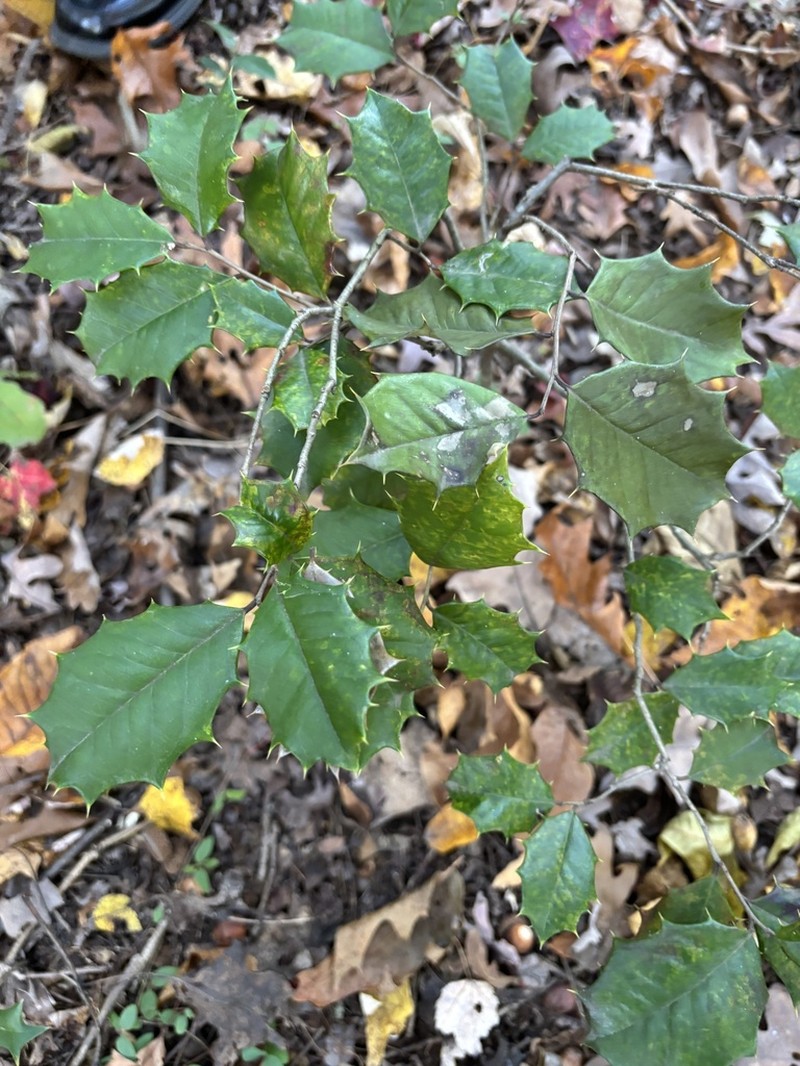
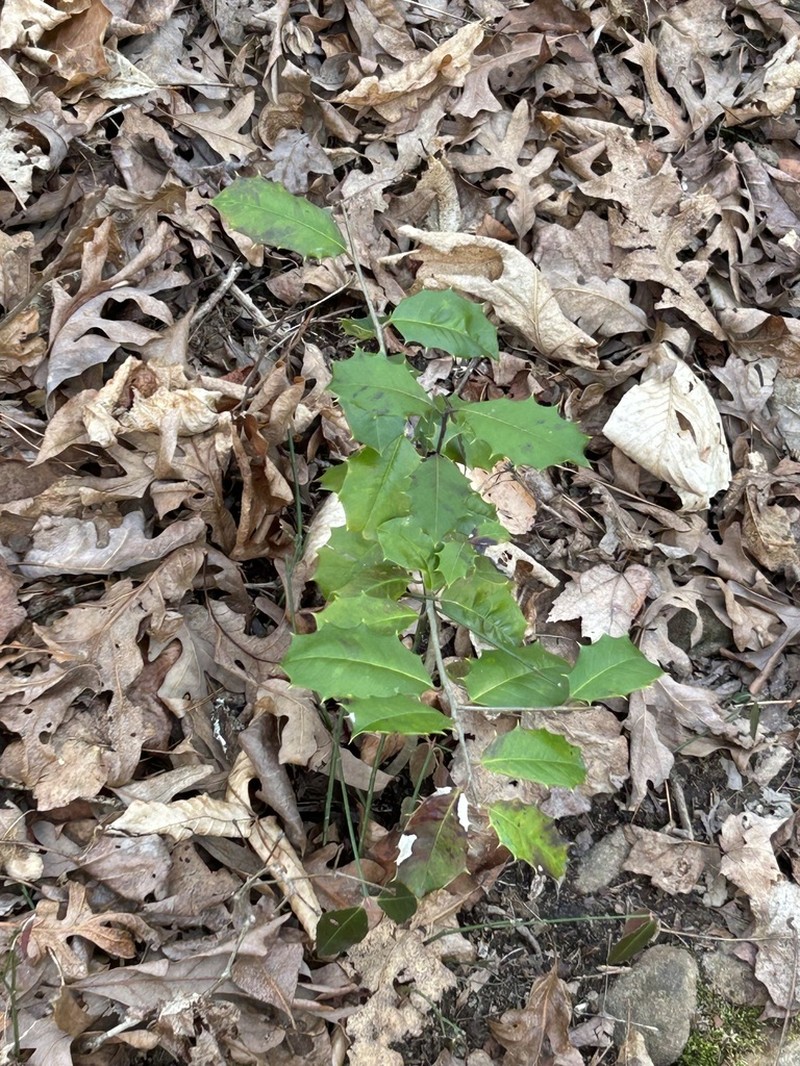
American Holly
Ilex opaca
- Native to:
- United States, Virgin Islands
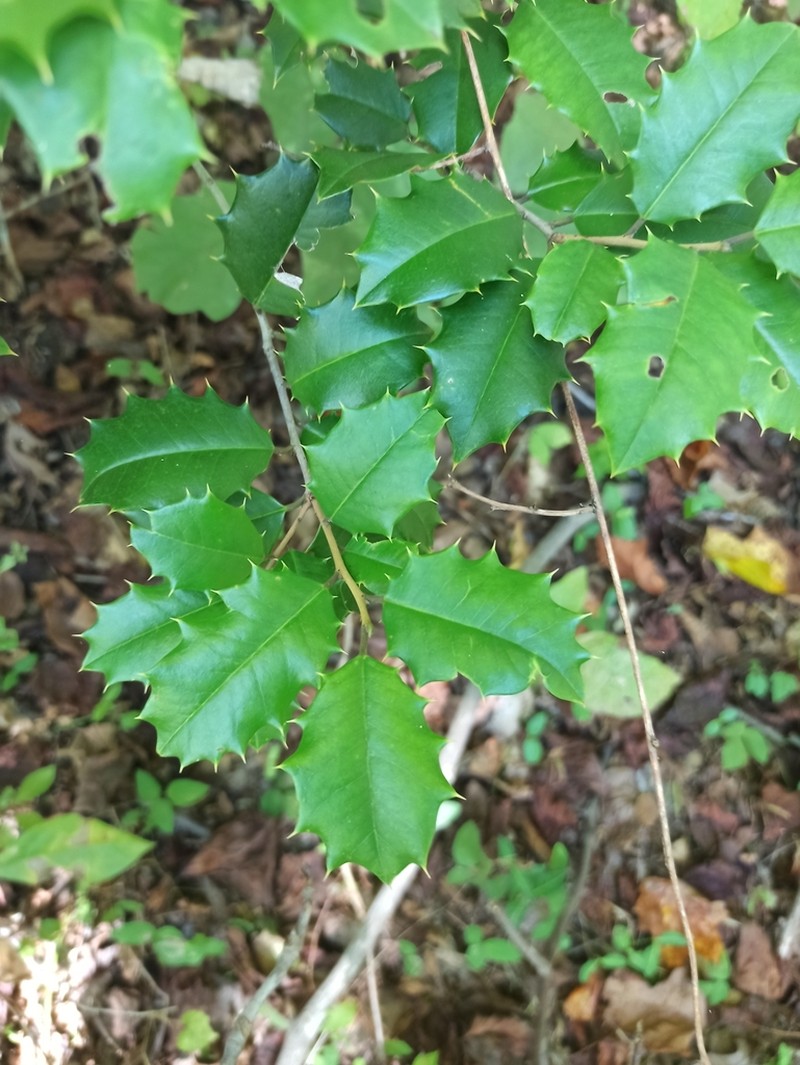
iNaturalist: © milopyne (iNaturalist #39854130)
Taxonomy
- Division:
- Magnoliophyta | - Flowering plants
- Family:
- Aquifoliaceae
- Genus:
- Ilex
- Species:
- Ilex opaca
- USDA Symbol:
- ILOP
Growth Characteristics
- Life Cycle:
- Perennial
- Growth Habit:
- Shrub , Tree
- Height:
- 1830 cm
- Light Requirements:
- Full Sun,Part Shade,Shade
- Drought Tolerance:
- Medium
- Bloom Months:
- may,jun
- Bloom Colors:
- white
- Evergreen Shrub:
- Yes
- Landscaping Shrub:
- Yes
Wildlife Benefits
- Bees:
- ★☆☆☆☆ Documented bee visitation (GBIF)
- Butterflies & Moths:
- ★★★☆☆ Documented Lepidoptera association (GBIF)
- Caterpillars:
- ★★☆☆☆ Recorded caterpillar host plant (HOSTS Database)
Keystone Species Ranking
- Caterpillar Keystone:
- ★★★★☆ Butterfly & moth species supported by this genus (NWF)
- Pollen Specialist Bee Keystone:
- ★☆☆☆☆ Native pollen specialist bee species supported by this genus (NWF)
Host Plant for Caterpillars
Ailanthus silkmoth (Samia cynthia), Alfalfa Looper (Autographa californica), Fall webworm (Hyphantria cunea), Gypsy moth (Lymantria dispar), Metaxaglaea violacea, orange tortrix moth (Argyrotaenia citrana), Unicorn caterpillar moth (Schizura unicornis), Walker’s Atlas Moth (Samia walkeri), White-marked Tussock Moth (Orgyia leucostigma), Henry's Elfin (Incisalia henrici), Holly Blue (Celastrina argiolus), Striped Hairstreak (Satyrium liparops)
Reported Fauna Sightings
Bees: Eastern Carpenter Bee (Xylocopa virginica), ⚠️Western honey bee (Apis mellifera) Moths:Episemasia solitaria, Ilexia intractata, Psyche casta, Rhopobota Lederer Butterflies:Azure sp. (Celastrina Tutt), Henry's Elfin (Callophrys henrici)
Garden & Ecology Notes
- Wildlife Value:
- birds, small mammals, butterflies
Soil Requirements
- Soil Type:
- rich, well-drained loamy soil
- pH:
- 5.0 - 6.5 (acidic to slightly acidic)
- Drainage:
- excellent drainage required
- Moisture:
- consistently moist
- Notes:
- Prefers organic matter-rich soils in native forests
Propagation & Germination
- Stratification:
- Cold/moist stratification required — 60–90 days
- Germination Time:
- 30–90 days
- Notes:
- Seeds require cold stratification for 60-90 days to break dormancy; germination can be slow and erratic.
Pre-treatment: Holly seeds exhibit deep dormancy and do not germinate until the second year. After cleaning, seeds are planted in late September using a Love seeder set at 3rd gear at 6 setting into prepared field beds.
Establishment: Seeds are purchased from local people who collect within a 50 mile radius of the nursery. American holly is dioecious; female plants bear red to red-orange fruits during fall months. American holly is found from Massachusetts to Florida east to Texas and Missouri. Seed sources are from south central Missouri.
Source: npn.rngr.net
ORGHPS Germination Guide: Expose to fluctuating outdoor winter temps incl. freezing for 3 months. Increase light/temp in spring.
Where to Buy
Nationwide Seller
- Sheffield's Seed (seeds)