
Common Winterberry
Ilex verticillata
- Native to:
- Canada, Prince Edward I., United States, Virgin Islands
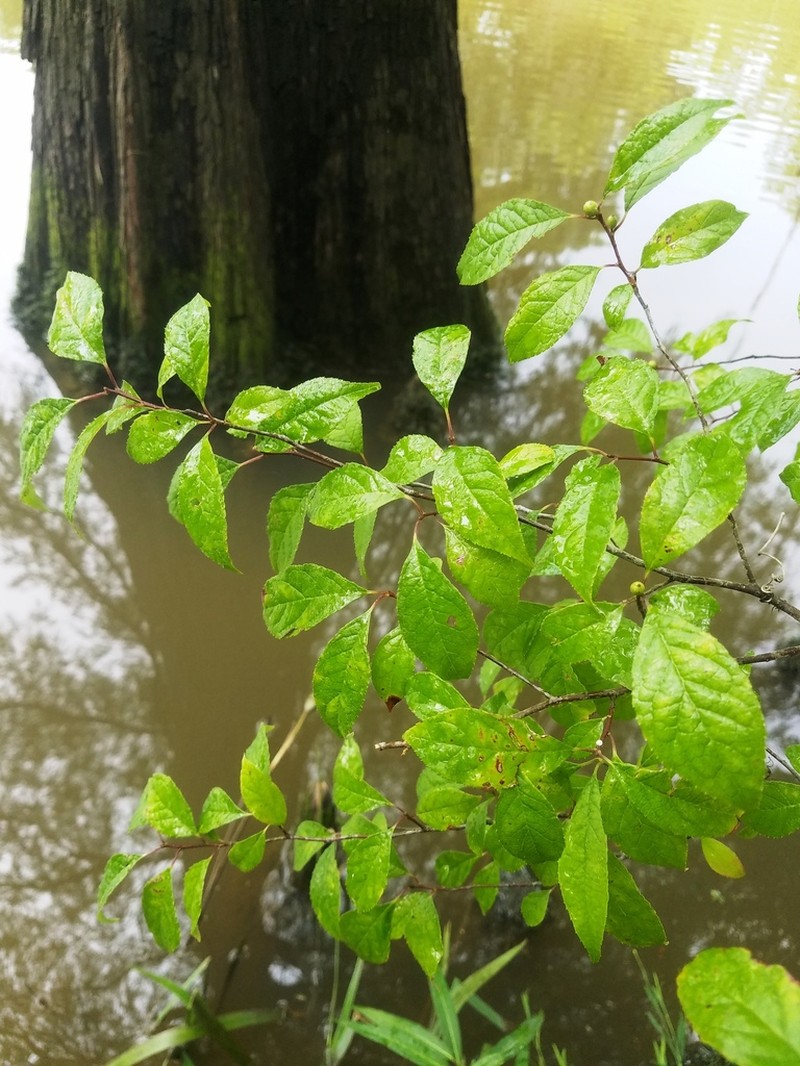
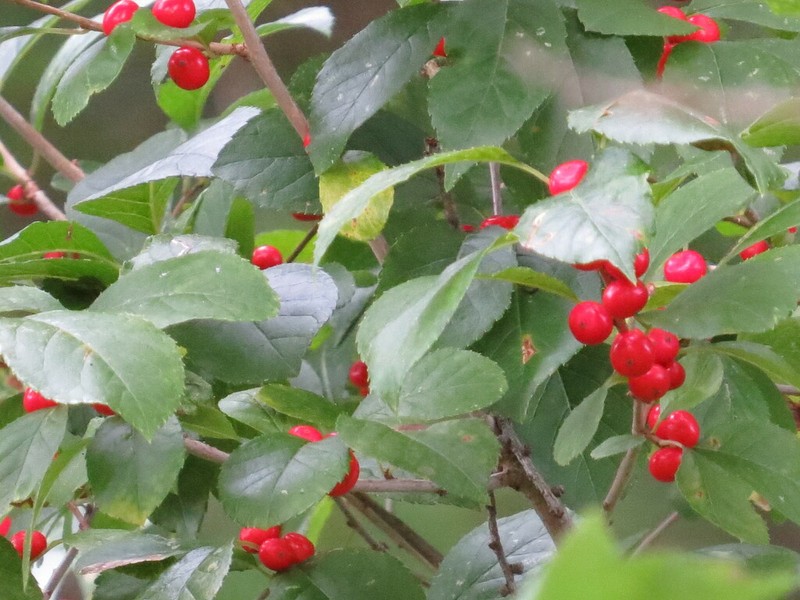
iNaturalist: © eric_keith (iNaturalist #30193311)
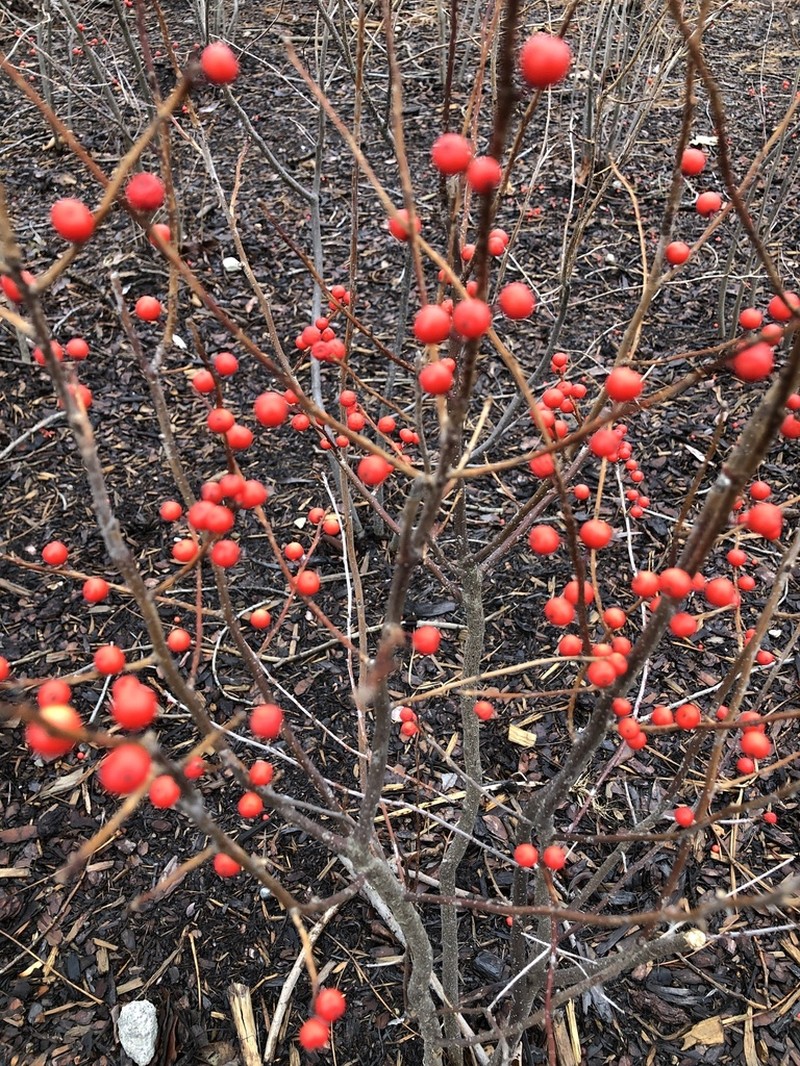
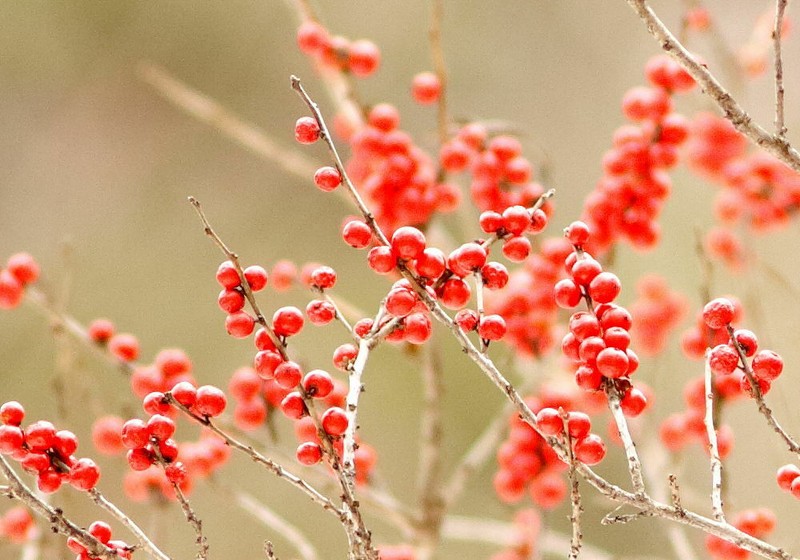
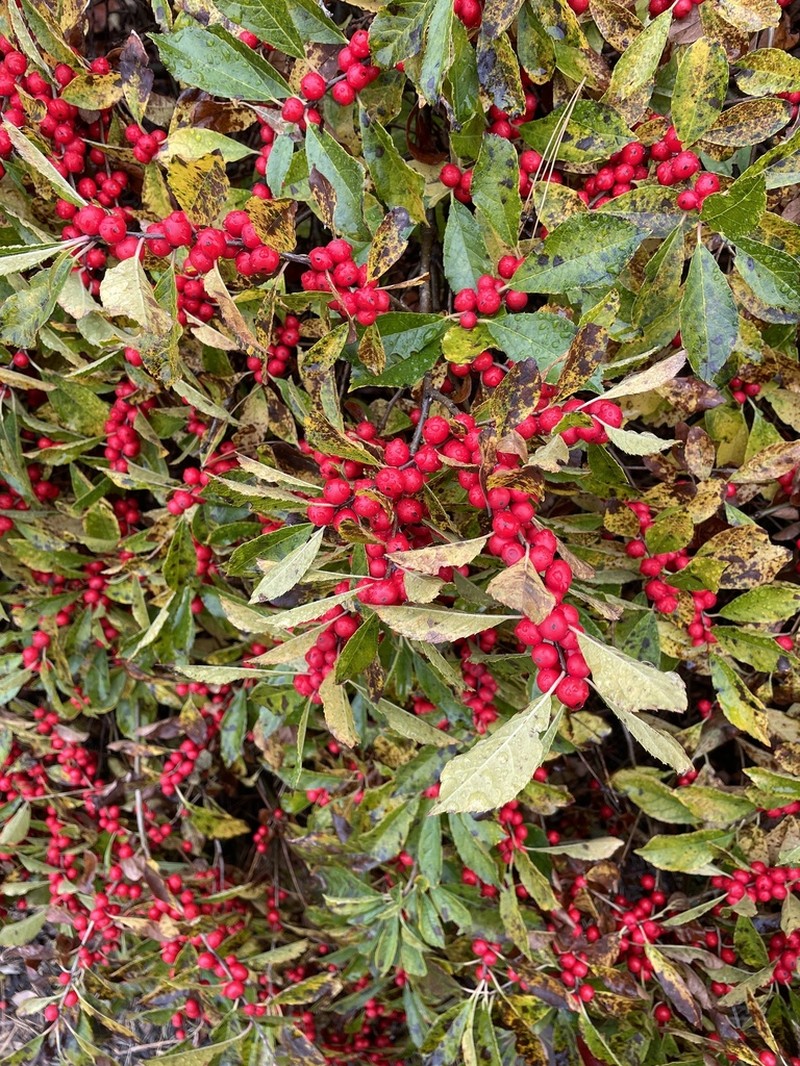
Taxonomy
- Division:
- Magnoliophyta | - Flowering plants
- Family:
- Aquifoliaceae
- Genus:
- Ilex
- Species:
- Ilex verticillata
- USDA Symbol:
- ILVE
Growth Characteristics
- Life Cycle:
- Perennial
- Growth Habit:
- Shrub , Tree
- Height:
- 500 cm
- Light Requirements:
- Full Sun,Part Shade,Shade
- Drought Tolerance:
- Low
- Bloom Months:
- may,jun
- Bloom Colors:
- white, greenish-white
- Landscaping Shrub:
- Yes
Wildlife Benefits
- Bees:
- ★☆☆☆☆ Documented bee visitation (GBIF)
- Butterflies & Moths:
- ★★★☆☆ Documented Lepidoptera association (GBIF)
- Caterpillars:
- ★★☆☆☆ Recorded caterpillar host plant (HOSTS Database)
Keystone Species Ranking
- Caterpillar Keystone:
- ★★★★☆ Butterfly & moth species supported by this genus (NWF)
- Pollen Specialist Bee Keystone:
- ★☆☆☆☆ Native pollen specialist bee species supported by this genus (NWF)
Host Plant for Caterpillars
Reported Fauna Sightings
Garden & Ecology Notes
- Wildlife Value:
- birds, small mammals, butterflies
- Fall Color:
- red, orange, purple
Soil Requirements
- Soil Type:
- moist, acidic, organic-rich soil
- pH:
- 4.5 - 6.5 (acidic to slightly acidic)
- Drainage:
- tolerates poor drainage
- Moisture:
- consistently moist
- Notes:
- prefers wetland areas like swamps and bogs
Propagation & Germination
- Stratification:
- Cold/moist stratification required — 60–90 days
- Germination Time:
- 30–90 days
- Notes:
- Seeds require cold stratification for 60-90 days to break dormancy; germination is often slow and erratic.
Pre-treatment: Requires 2 months of warm moist stratification followed by 2 months of cold moist stratification. Use a Ziploc-style bag or a small Rubbermaid-style container to mix an equal amount of seeds with either perlite or vermiculite. Add a small amount of water. Place in a room temperature setting for at least 2 months followed by cold storage for at least 2 months. Cold store until planted (up to 3 years).
Establishment: Seed is collected by hand from locally native plants. Seed has a deep dormancy, germination will be delayed to the second spring after sowing the seed. Soil is kept consistently damp during germination. Water using a fine mist or light hose setting only.
Source: npn.rngr.net
ORGHPS Germination Guide: Expose to fluctuation outdoor winter temperatures including freezing for 3 months. Gradually increase light and temperature in the spring. Pulpy coat inhibits germination. Remove by soaking and rinsing in clean water for approximately 7 days. Discard water. * soak and rinse seeds in clean water daily x 2 weeks before planting
Where to Buy
Nationwide Seller
- Sheffield's Seed (seeds)
- Vermont Wildflower Farm (nursery and seeds)
- Prairie Moon Nursery (nursery and seeds)