
Saw Palmetto
Serenoa repens
- Native to:
- United States
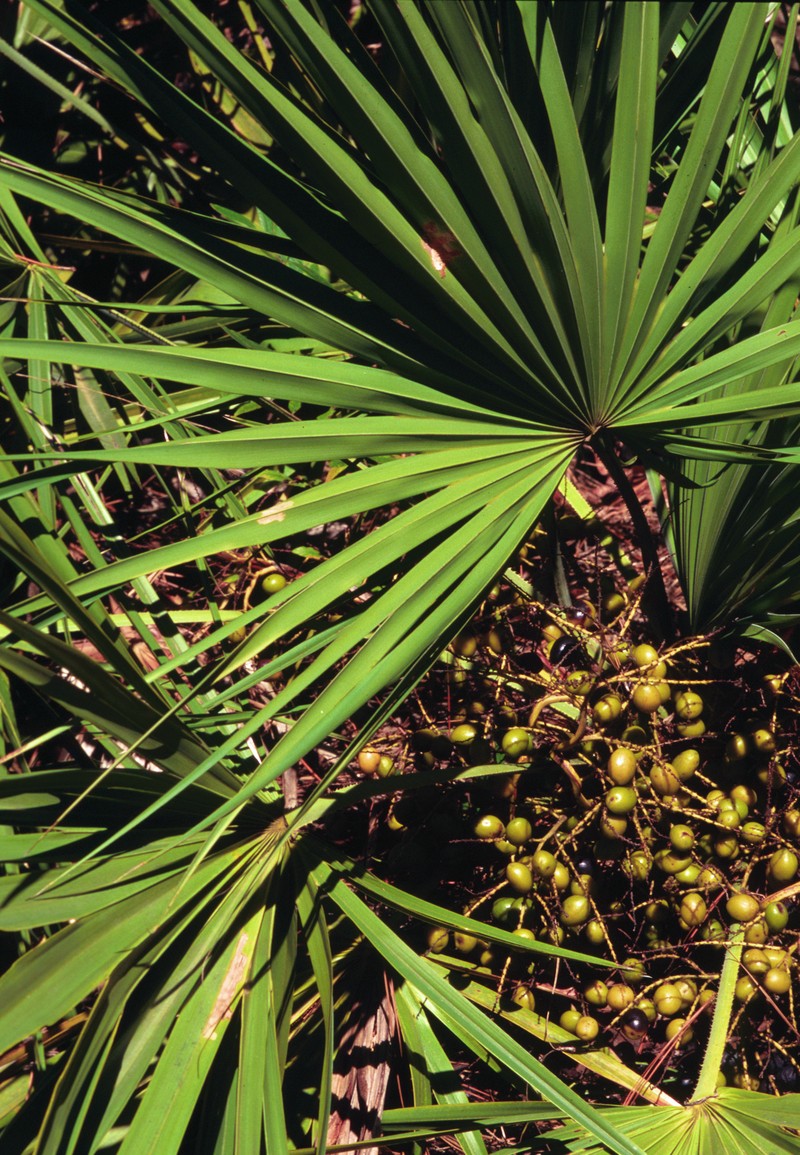
Ted Bodner, Southern Weed Science Society, United States
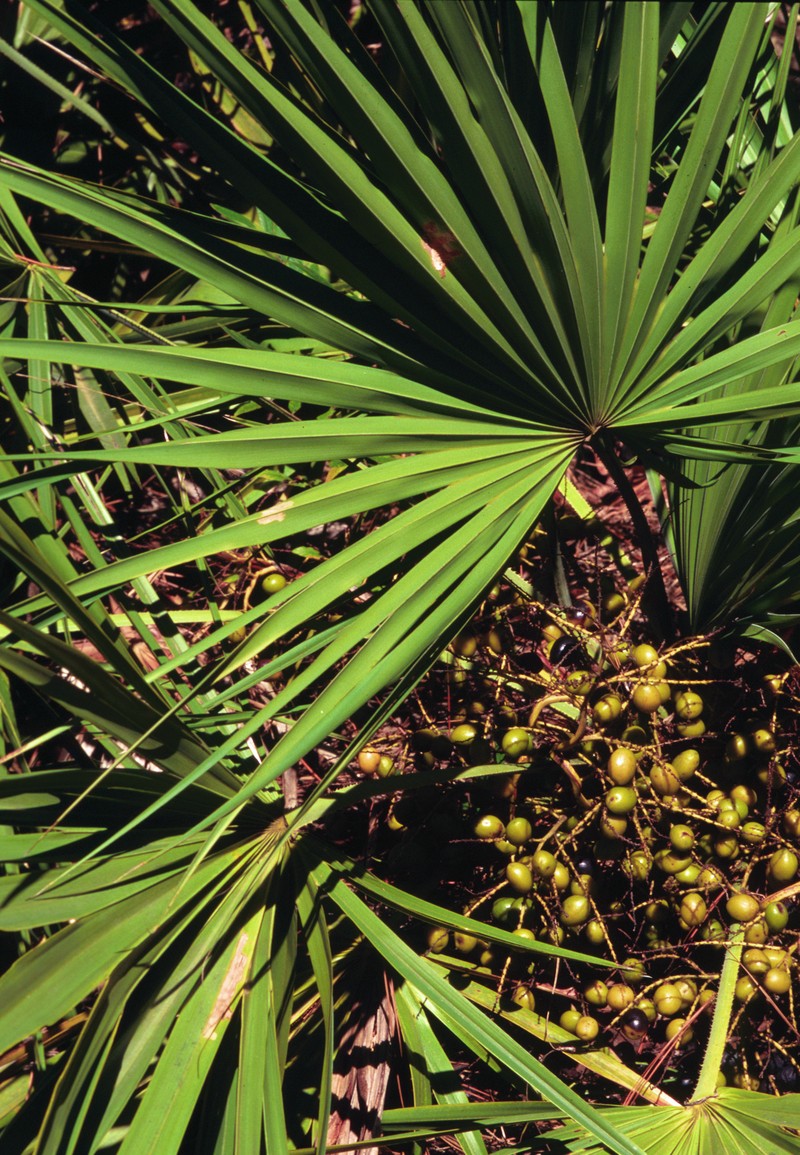
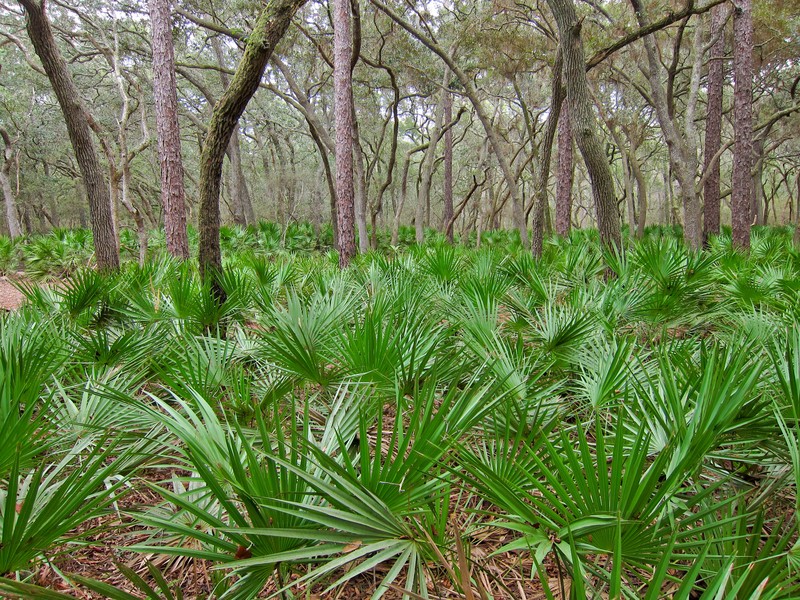
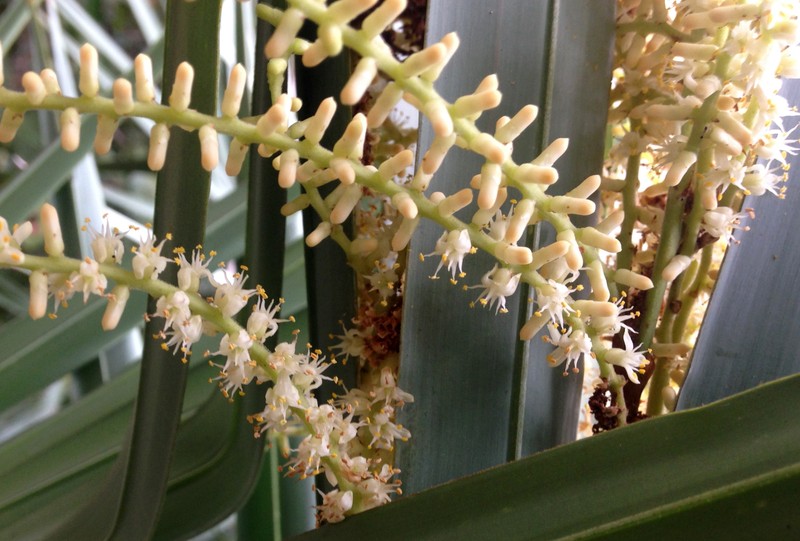
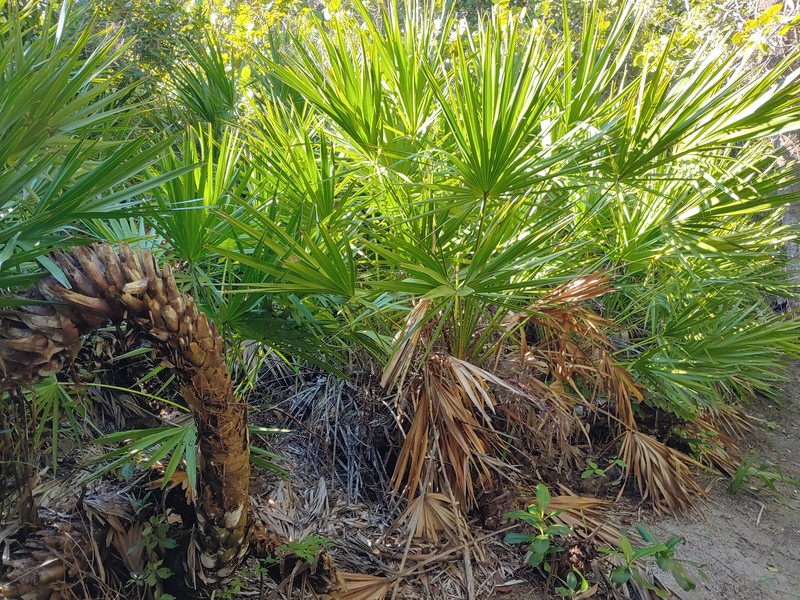
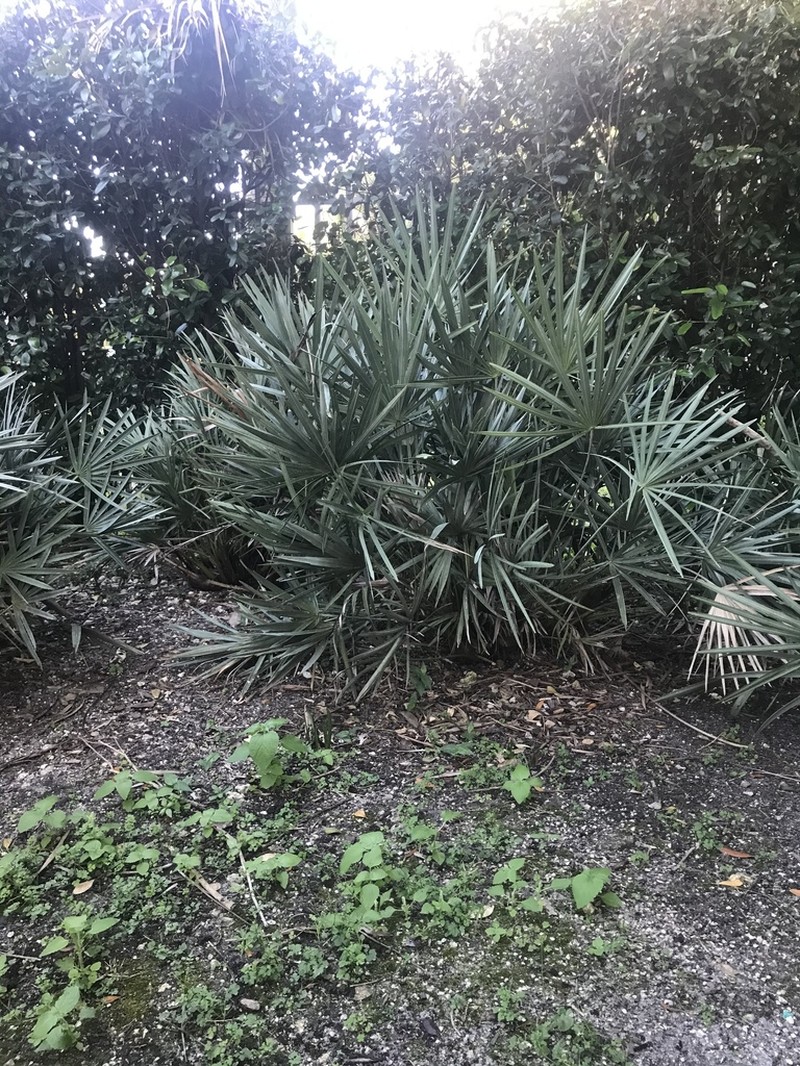
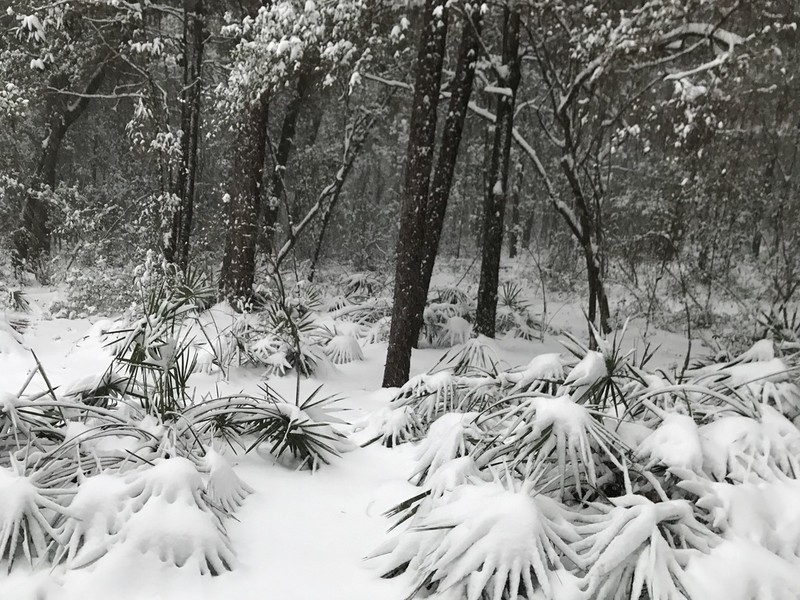
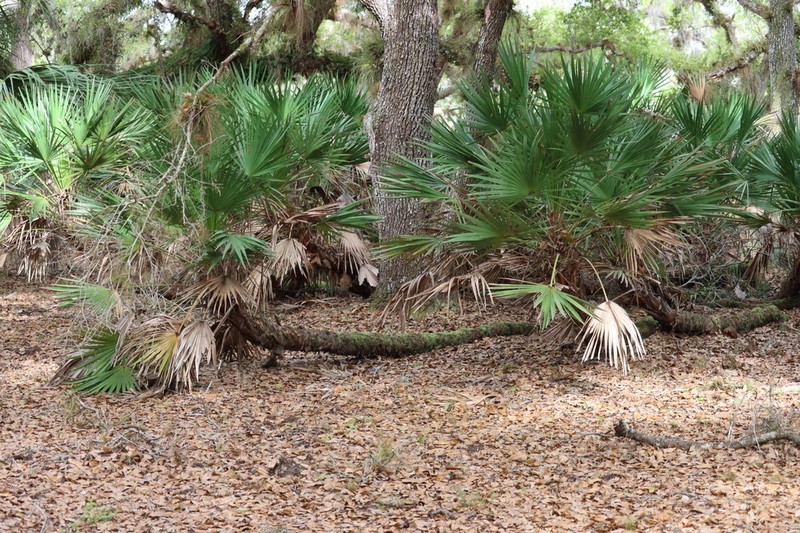
Taxonomy
- Division:
- Magnoliophyta | - Flowering plants
- Family:
- Arecaceae
- Genus:
- Serenoa
- Species:
- Serenoa repens
- USDA Symbol:
- SERE2
Growth Characteristics
- Life Cycle:
- Perennial
- Growth Habit:
- Shrub , Tree
- Height:
- 300 cm
- Light Requirements:
- Part Shade
- Drought Tolerance:
- High
- Bloom Months:
- apr,may,jun
- Bloom Colors:
- white
- Evergreen Shrub:
- Yes
- Landscaping Shrub:
- Yes
Wildlife Benefits
- Bees:
- ★☆☆☆☆ Documented bee visitation (GBIF)
- Butterflies & Moths:
- ★★★★★ Documented Lepidoptera association (GBIF)
- Caterpillars:
- ★★☆☆☆ Recorded caterpillar host plant (HOSTS Database)
Host Plant for Caterpillars
Batrachedra decoctor, Io moth (Automeris io), Melanocinclis vibex, palm leaf skeletonizer moth (Homaledra sabalella), Palmetto Borer Moth (Litoprosopus futilis), yellow horned (Atheloca subrufella), Palmetto Skipper (Euphyes arpa)
Reported Fauna Sightings
Bees: Common eastern (Bombus impatiens), ⚠️Western honey bee (Apis mellifera) Moths:Polka-dot Wasp Moth (Syntomeida epilais)
Garden & Ecology Notes
- Wildlife Value:
- birds, small mammals
- Deer Resistant:
- Yes
- Salt Tolerant:
- Yes
- Fire Ecology:
- Fire adapted — tolerates or benefits from fire
- Fire Notes:
- Saw palmetto resprouts vigorously after fire; fire helps maintain open understory habitat.
Soil Requirements
- Soil Type:
- sandy, acidic, nutrient-poor soil
- pH:
- 4.5 - 7.0 (acidic to neutral)
- Drainage:
- excellent drainage required
- Moisture:
- dry to moderate
- Notes:
- Commonly found in pine flatwoods and coastal dunes
Propagation & Germination
- Stratification:
- Warm stratification required — 30–60 days
- Scarification:
- Seed coat scarification required before sowing
- Germination Time:
- 30–90 days
- Notes:
- Seeds require scarification (nicking or acid treatment) followed by warm stratification; germination is slow and erratic.
Pre-treatment: Single-step cold-moist stratification for temperate woodland species. for 60–120 days
Source: Claude AI
Where to Buy
Nationwide Seller
- Sheffield's Seed (seeds)