
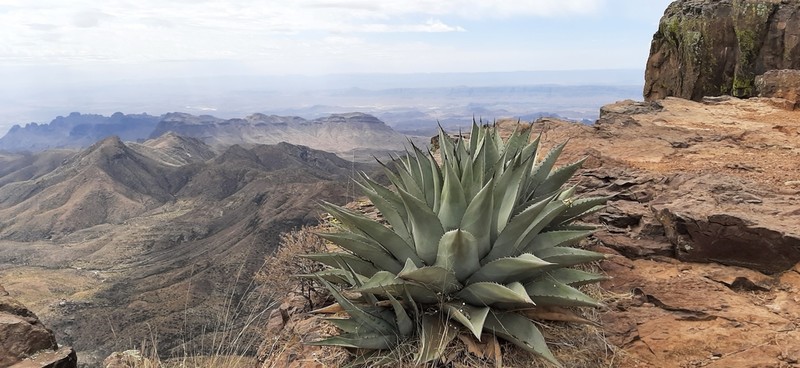
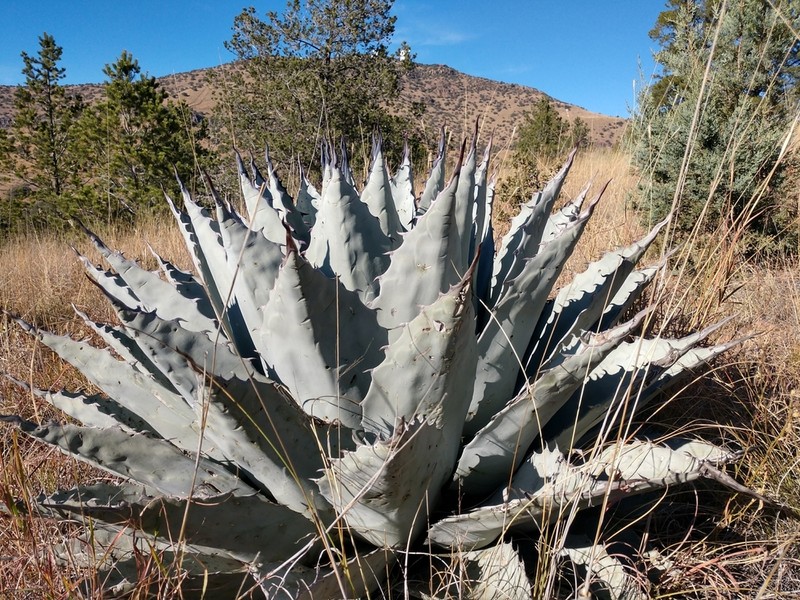
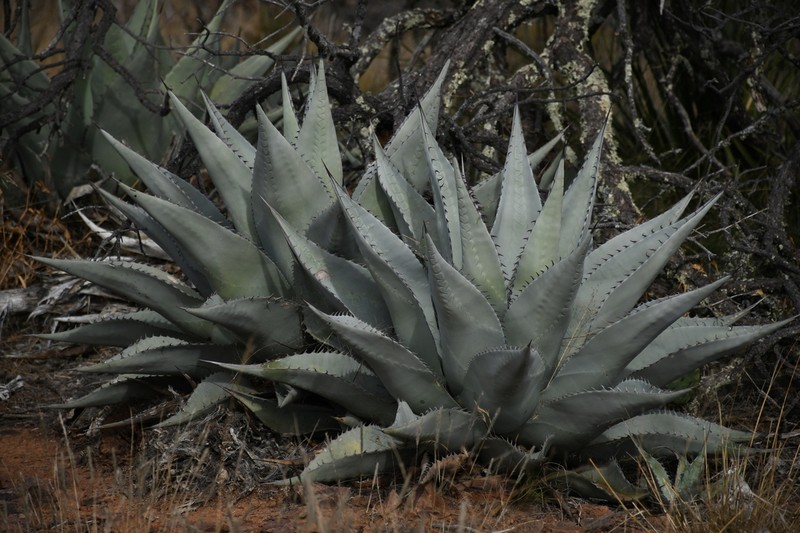
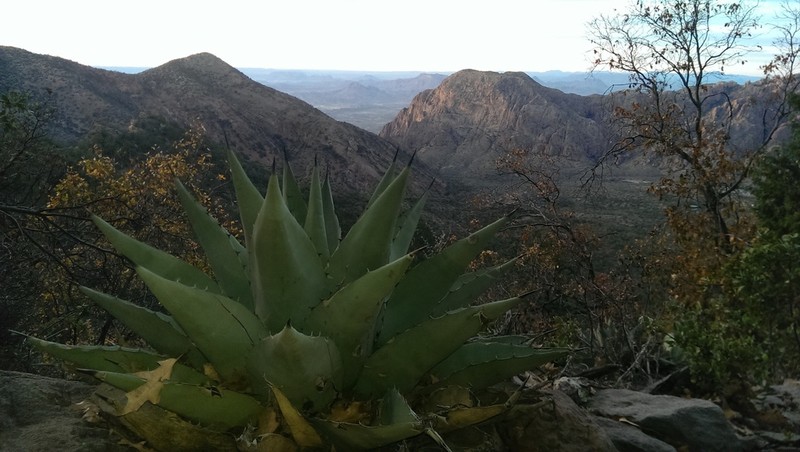
Havard's Century Plant
Agave havardiana
- Native to:
- Mexico, United States
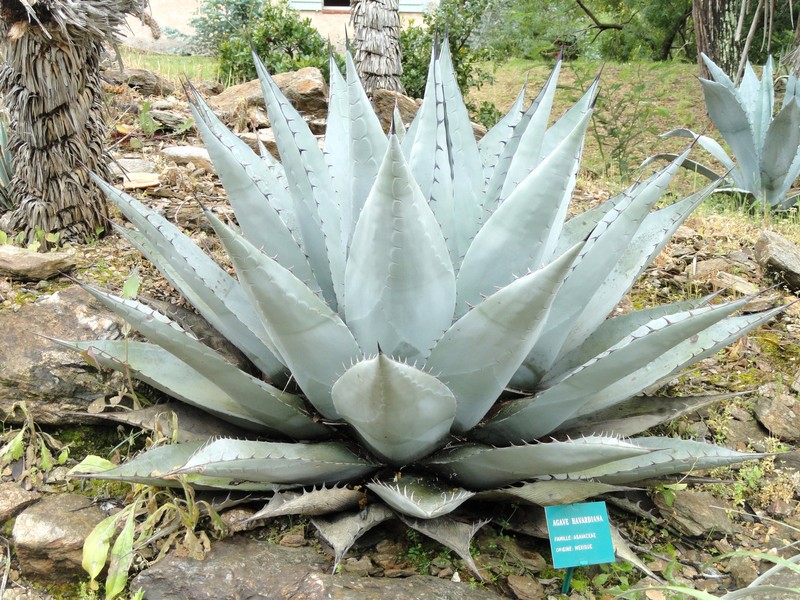
Daderot
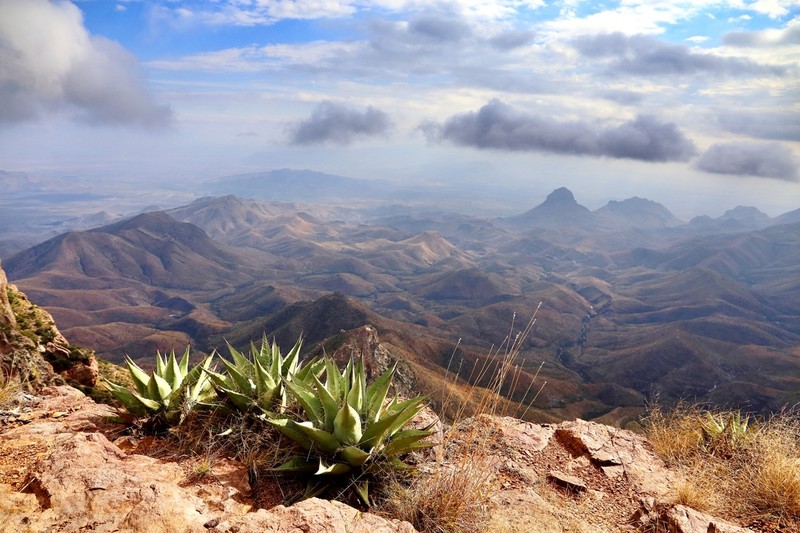
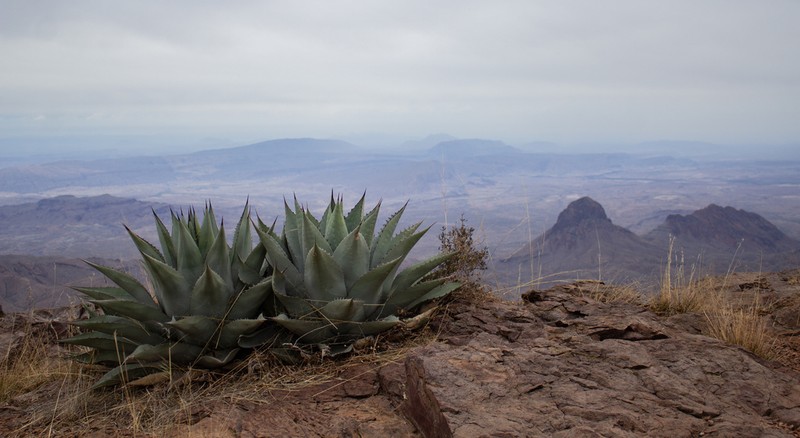
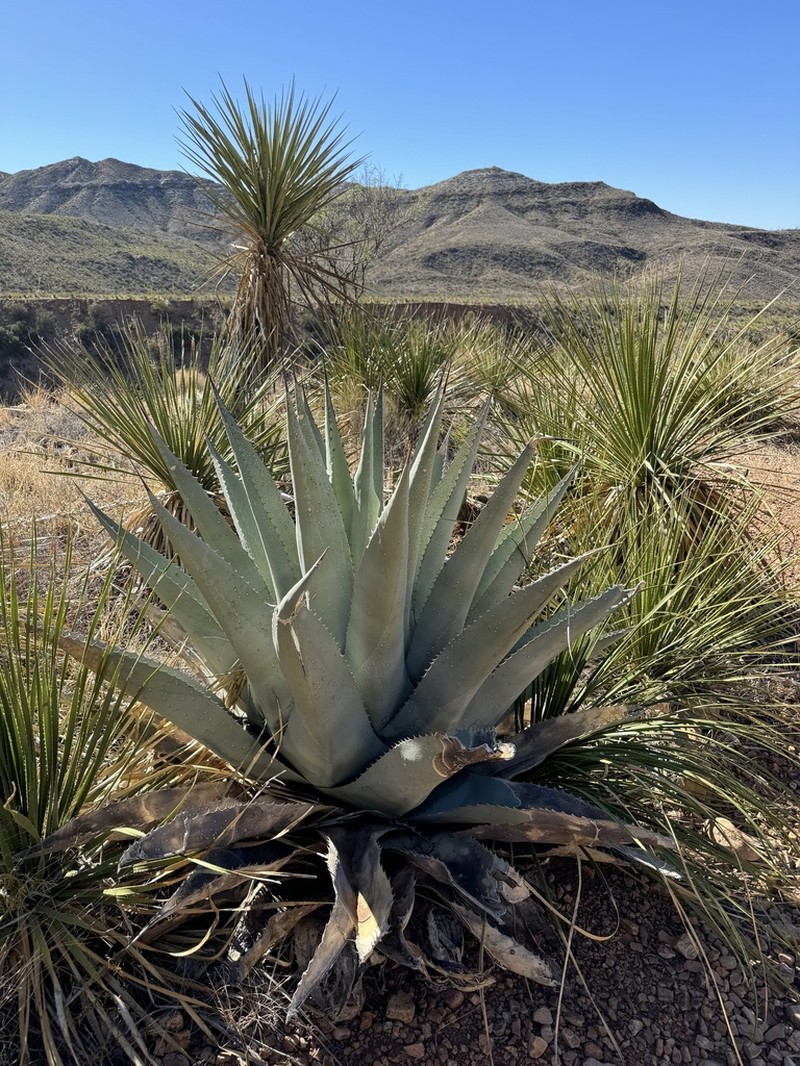
Taxonomy
- Division:
- Magnoliophyta | - Flowering plants
- Family:
- Asparagaceae
- Genus:
- Agave
- Species:
- Agave havardiana
- USDA Symbol:
- AGHA
Growth Characteristics
- Life Cycle:
- Perennial
- Growth Habit:
- Forb/herb , Shrub , Subshrub
- Height:
- 150 cm
- Light Requirements:
- Full Sun
- Drought Tolerance:
- High
- Bloom Months:
- jun,jul,aug
- Bloom Colors:
- yellow
Wildlife Benefits
- Bees:
- ★☆☆☆☆ Documented bee visitation (GBIF)
- Hummingbirds:
- ★☆☆☆☆ Documented hummingbird visits (GBIF)
Garden & Ecology Notes
- Wildlife Value:
- bees, hummingbirds
- Deer Resistant:
- Yes
Soil Requirements
- Soil Type:
- rocky, well-drained, alkaline soil
- pH:
- 6.0 - 7.5 (slightly acidic to neutral)
- Drainage:
- excellent drainage required
- Moisture:
- dry to moderate
- Notes:
- native to rocky limestone slopes