
Palmer's Century Plant
Agave palmeri
- Native to:
- Mexico, United States
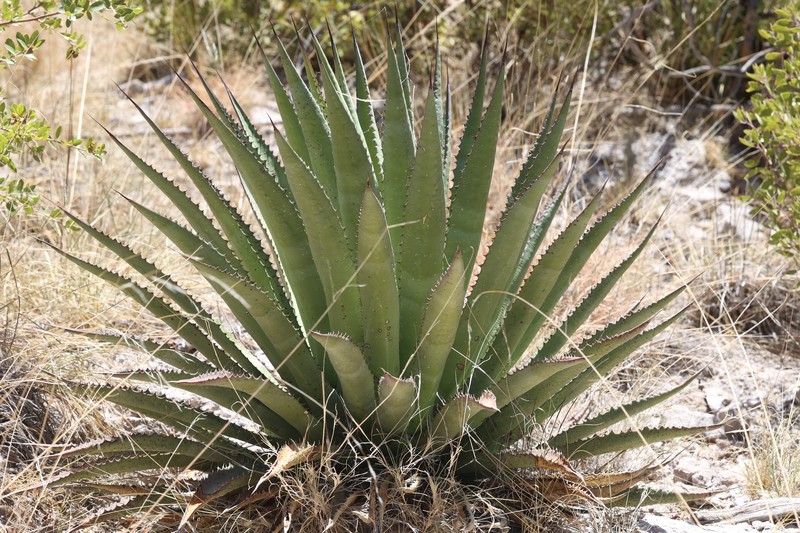
Craig Martin https://www.inaturalist.org/people/craigmartin (www.inaturalist.org)
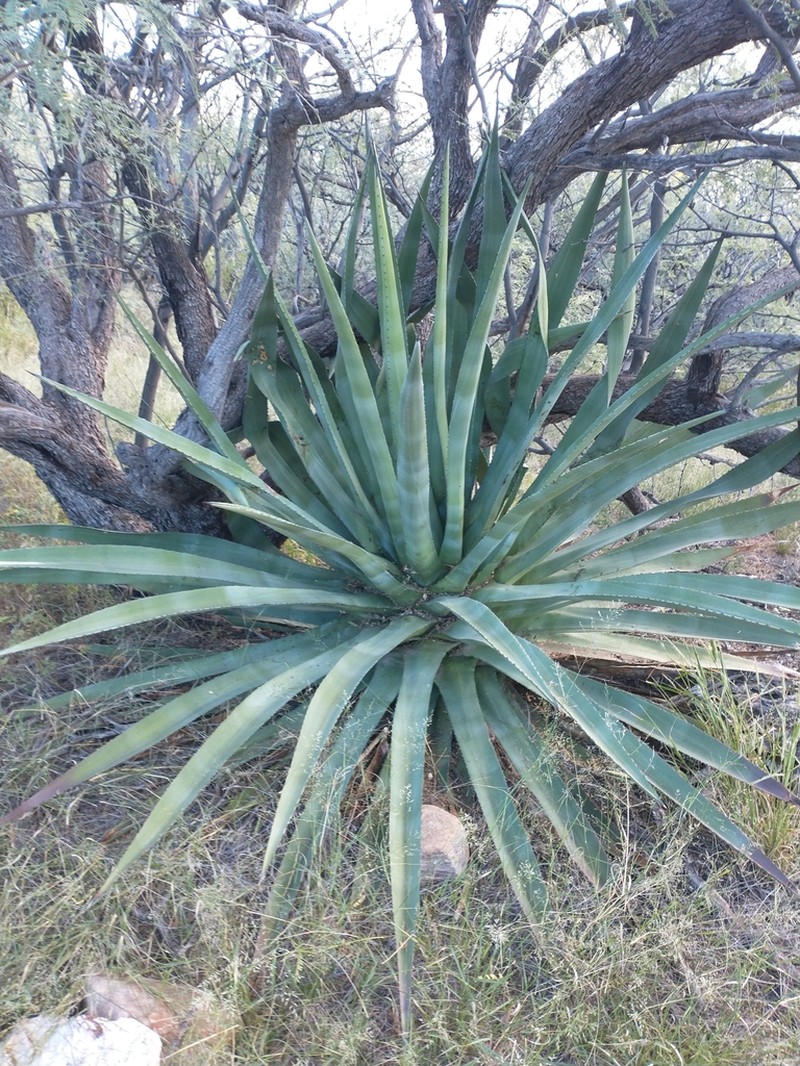
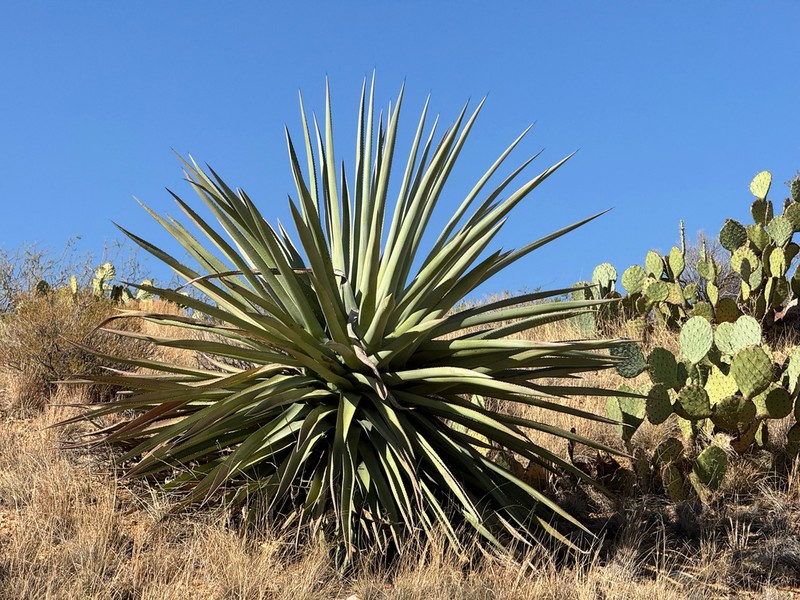
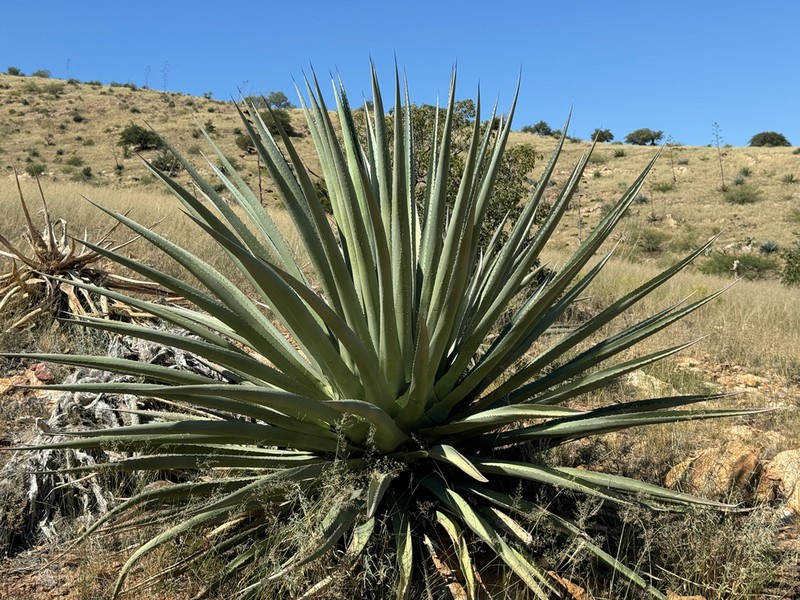
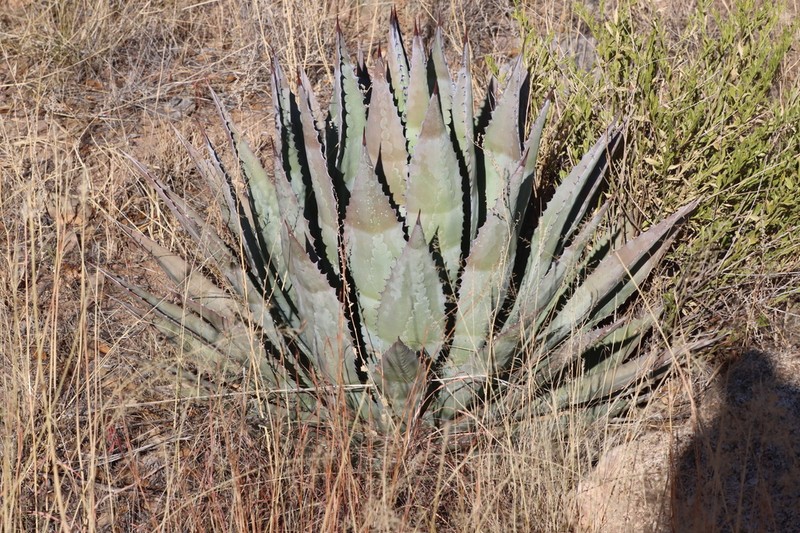
Taxonomy
- Division:
- Magnoliophyta | - Flowering plants
- Family:
- Asparagaceae
- Genus:
- Agave
- Species:
- Agave palmeri
- USDA Symbol:
- AGPA3
Growth Characteristics
- Life Cycle:
- Perennial
- Growth Habit:
- Forb/herb , Shrub , Subshrub
- Height:
- 150 cm
- Light Requirements:
- Full Sun,Part Shade
- Drought Tolerance:
- High
- Bloom Months:
- jun,jul,aug
- Bloom Colors:
- yellow
Wildlife Benefits
- Bees:
- ★☆☆☆☆ Documented bee visitation (GBIF)
- Butterflies & Moths:
- ★★★☆☆ Documented Lepidoptera association (GBIF)
- Caterpillars:
- ★☆☆☆☆ Recorded caterpillar host plant (HOSTS Database)
Host Plant for Caterpillars
Agavenema barberella, Evans' giant skipper (Agathymus evansi)
Garden & Ecology Notes
- Wildlife Value:
- bees, hummingbirds
- Deer Resistant:
- Yes
- Salt Tolerant:
- Yes
- Fire Ecology:
- Fire adapted — tolerates or benefits from fire
- Fire Notes:
- Resprouts from base after fire; seeds germinate well on burned ground.
Soil Requirements
- Soil Type:
- rocky, well-drained, nutrient-poor soil
- pH:
- 6.0 - 8.0 (slightly acidic to neutral)
- Drainage:
- excellent drainage required
- Moisture:
- dry to moderate
- Notes:
- native to arid regions, prefers desert-like conditions
Propagation & Germination
Pre-treatment: None required
Establishment: Seed collection should take place in late November-December, when seed pods have split open but not yet lost all their seed. A specially designed apparatus with a long, extendable pole and a wide-mouth bucket is used for seed collection. The plant reproduces both by seed and vegetatively through rhizomatous clones or 'pups'.
Source: npn.rngr.net