
Harvest Brodiaea
Brodiaea elegans
- Native to:
- United States
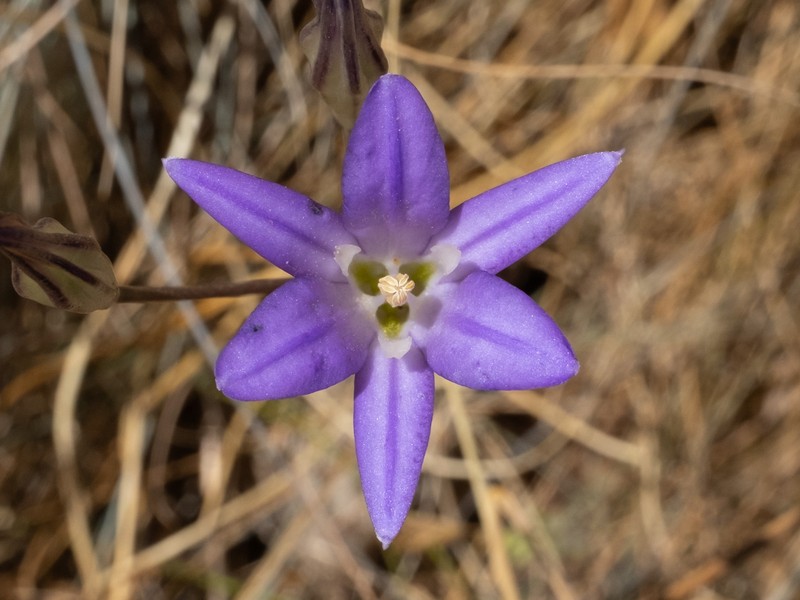
Alex Abair (www.inaturalist.org)
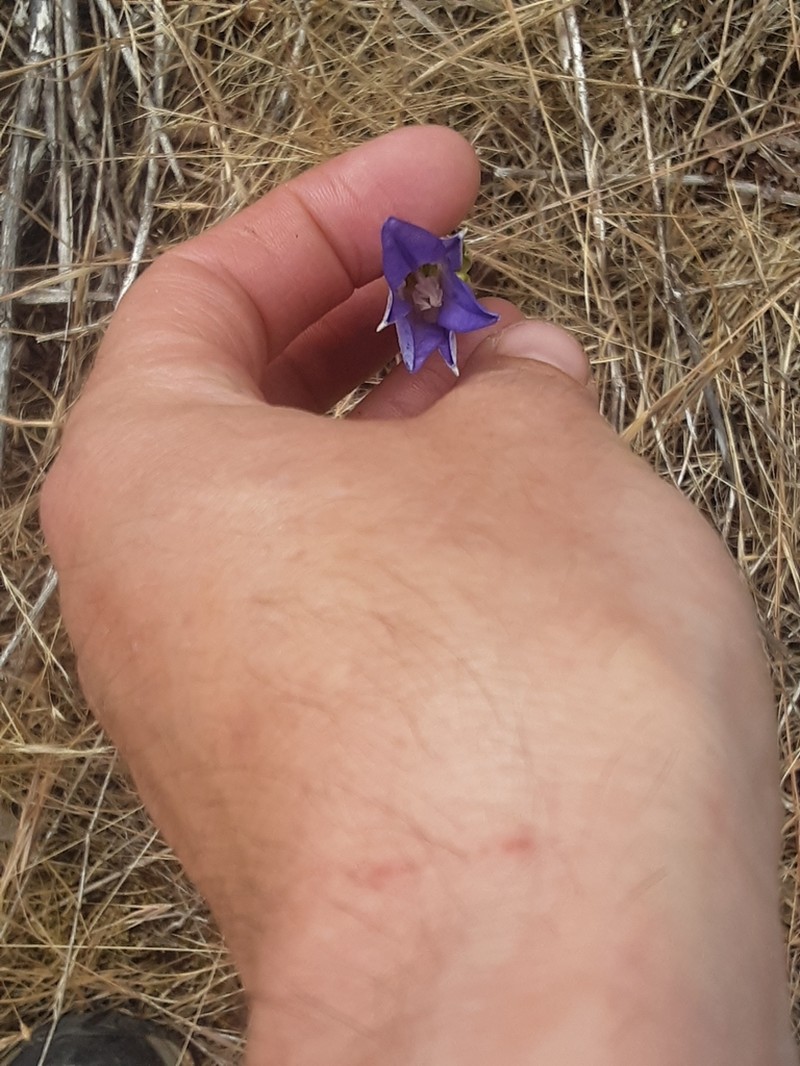
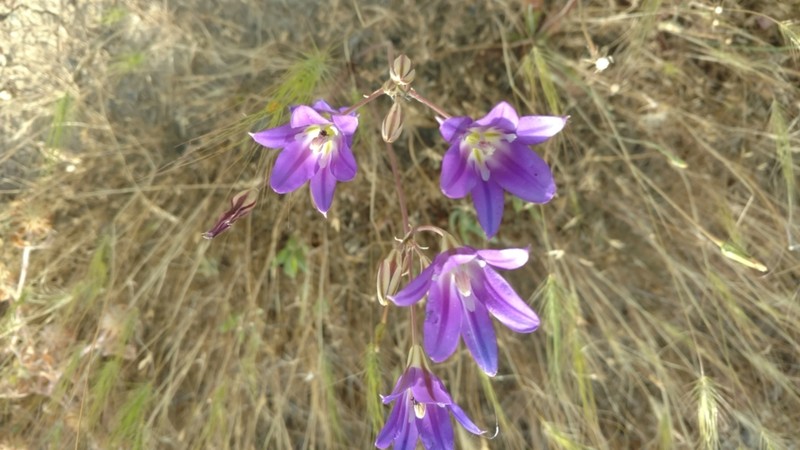
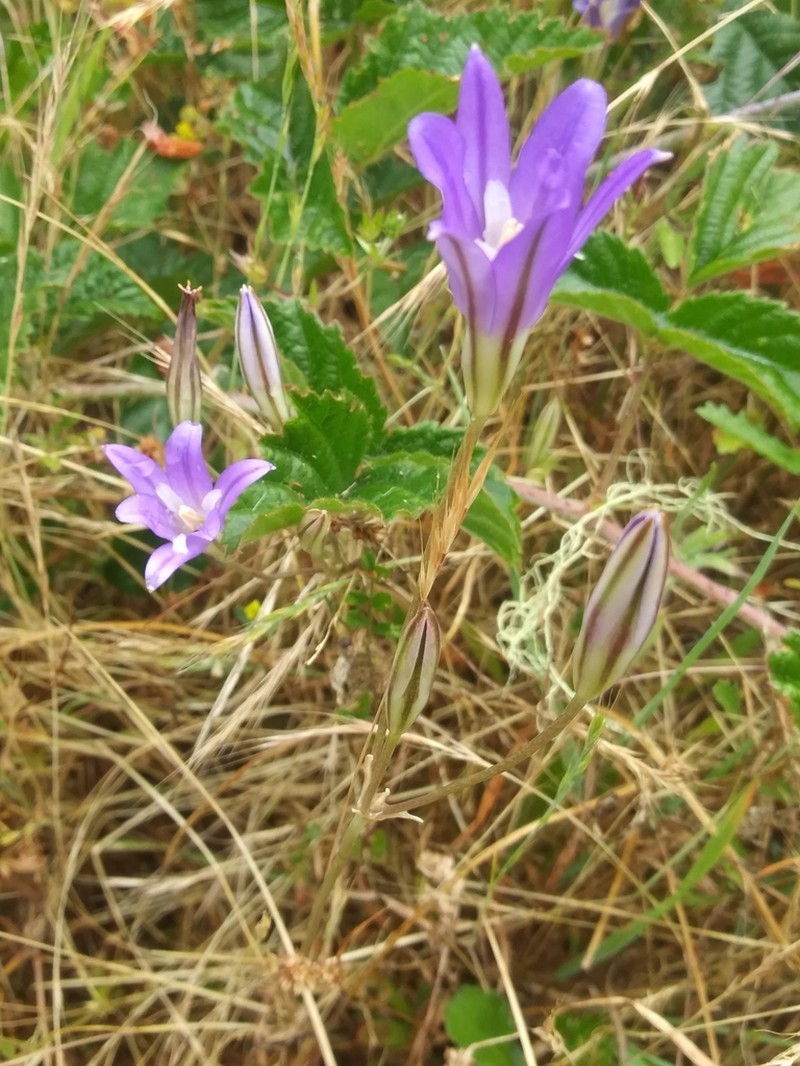
Taxonomy
- Division:
- Magnoliophyta | - Flowering plants
- Family:
- Asparagaceae
- Genus:
- Brodiaea
- Species:
- Brodiaea elegans
- USDA Symbol:
- BREL
Growth Characteristics
- Life Cycle:
- Perennial
- Growth Habit:
- Geophyte
- Height:
- 60 cm
- Light Requirements:
- Part Shade
- Drought Tolerance:
- High
- Bloom Months:
- may,jun,jul
- Bloom Colors:
- purple, blue
Wildlife Benefits
- Bees:
- ★☆☆☆☆ Documented bee visitation (GBIF)
- Butterflies & Moths:
- ★☆☆☆☆ Documented Lepidoptera association (GBIF)
Garden & Ecology Notes
- Wildlife Value:
- bees, butterflies
- Deer Resistant:
- Yes
Soil Requirements
- Soil Type:
- well-drained, sandy or rocky soil
- pH:
- 5.5 - 7.5 (slightly acidic to neutral)
- Drainage:
- excellent drainage required
- Moisture:
- dry to moderate
- Notes:
- native to open grasslands and woodlands
Propagation & Germination
- Stratification:
- Cold/moist stratification required — 30–60 days
- Germination Time:
- 14–30 days
- Notes:
- Seeds benefit from cold stratification for 1-2 months to break dormancy.
Pre-treatment: Clean dry seed was placed in dry, cold storage following collection and prior to sowing
Establishment: Whole fruits can be collected from heads immediately prior to or after ripening. Seed may be shaken from capsules which have split, but capsules which have not opened may need to be mechanically split. If necessary, large numbers of dry fruits may be shattered rapidly by very brief blending. After blending, seed may be cleaned by sifting and/or blowing off chaff.
Source: npn.rngr.net
ORGHPS Germination Guide: Sow @ 20C. Germinates within 3 months.