
Atlantic Camas
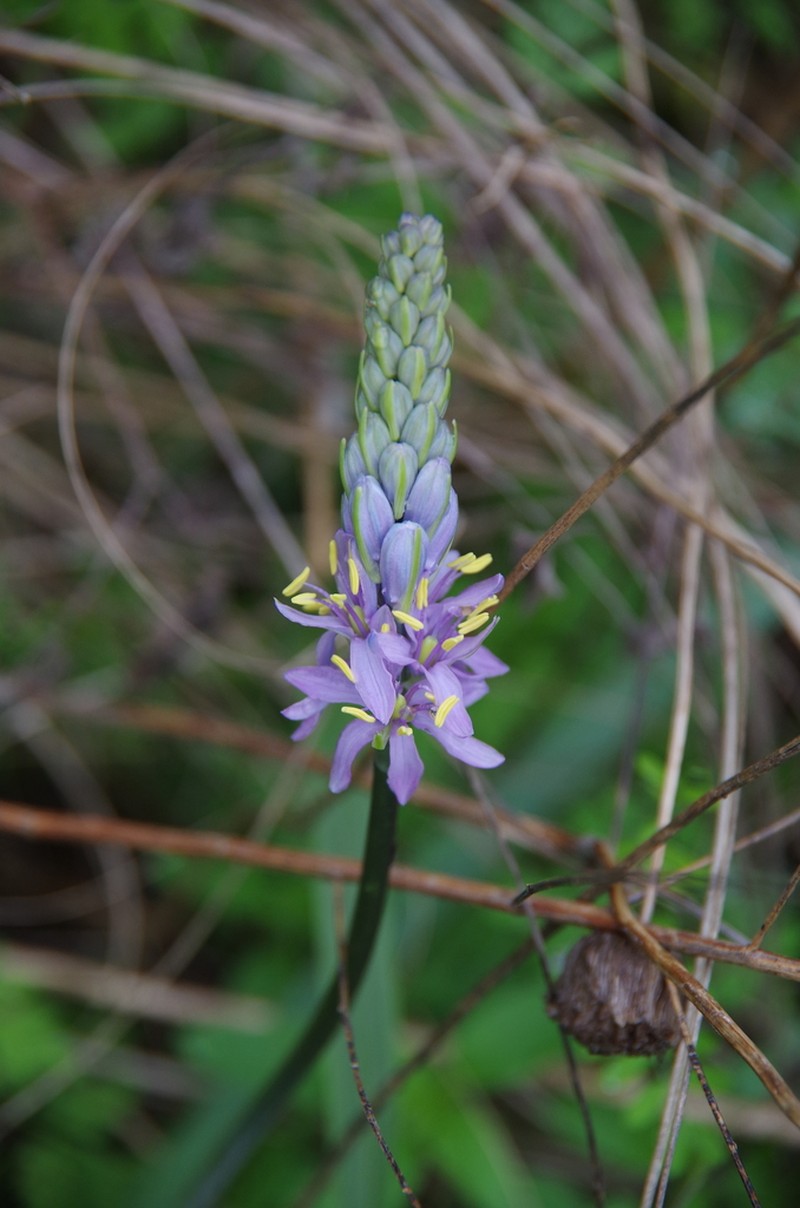
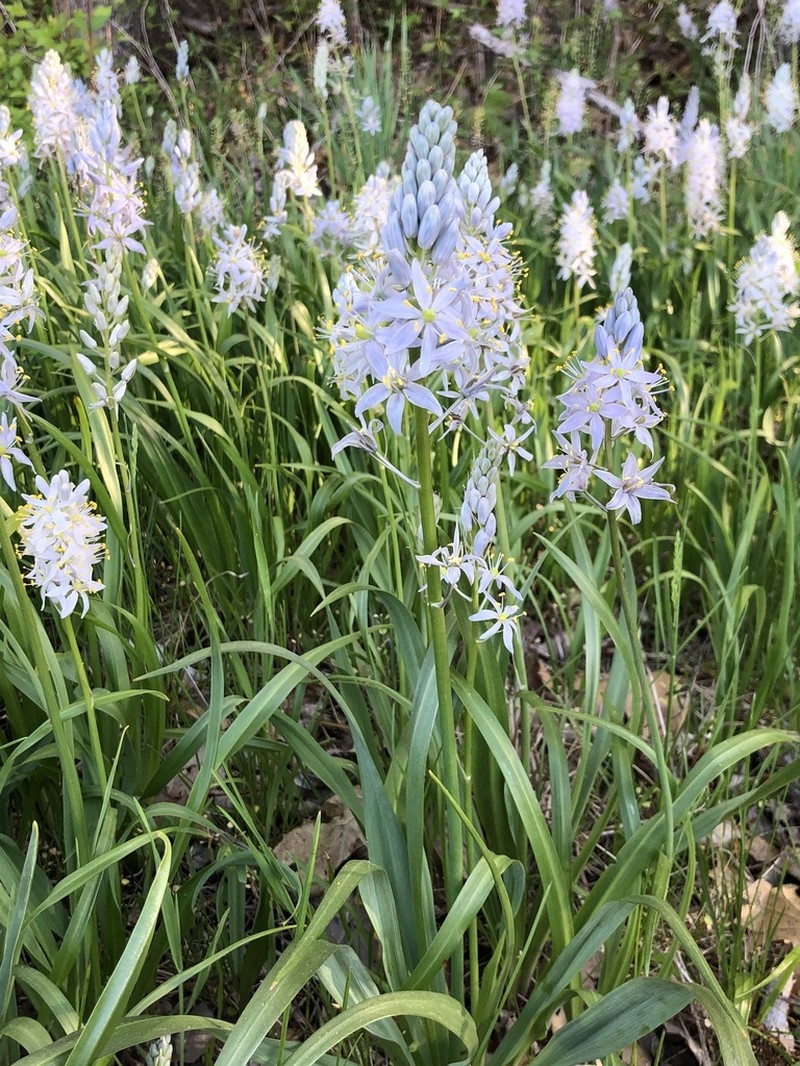
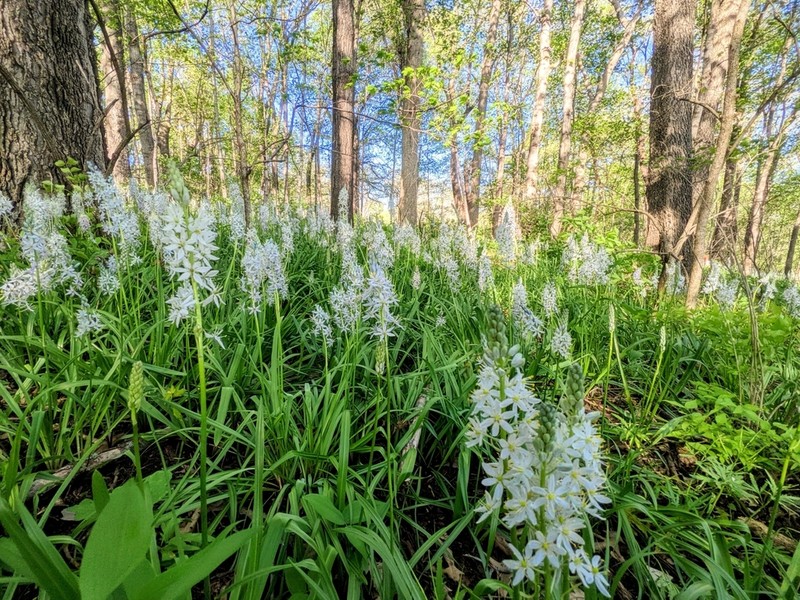
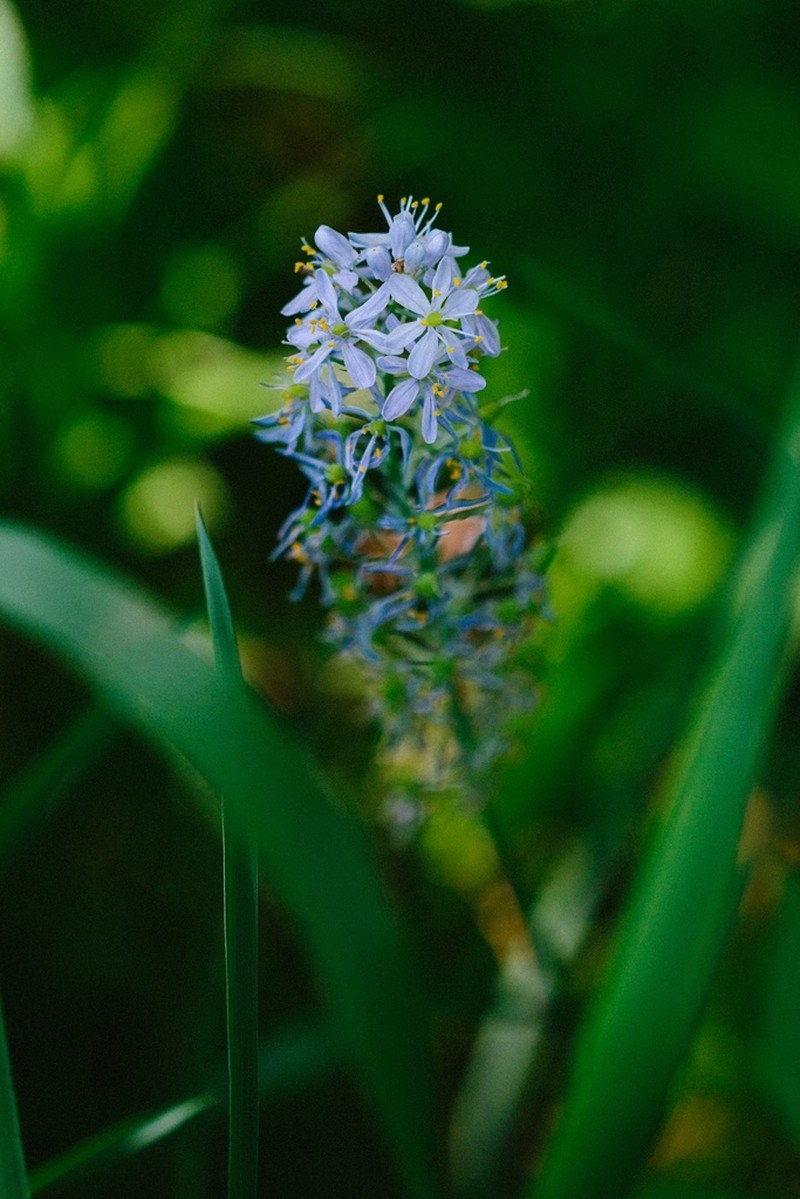
Camassia scilloides
- Native to:
- Canada, United States, Virgin Islands
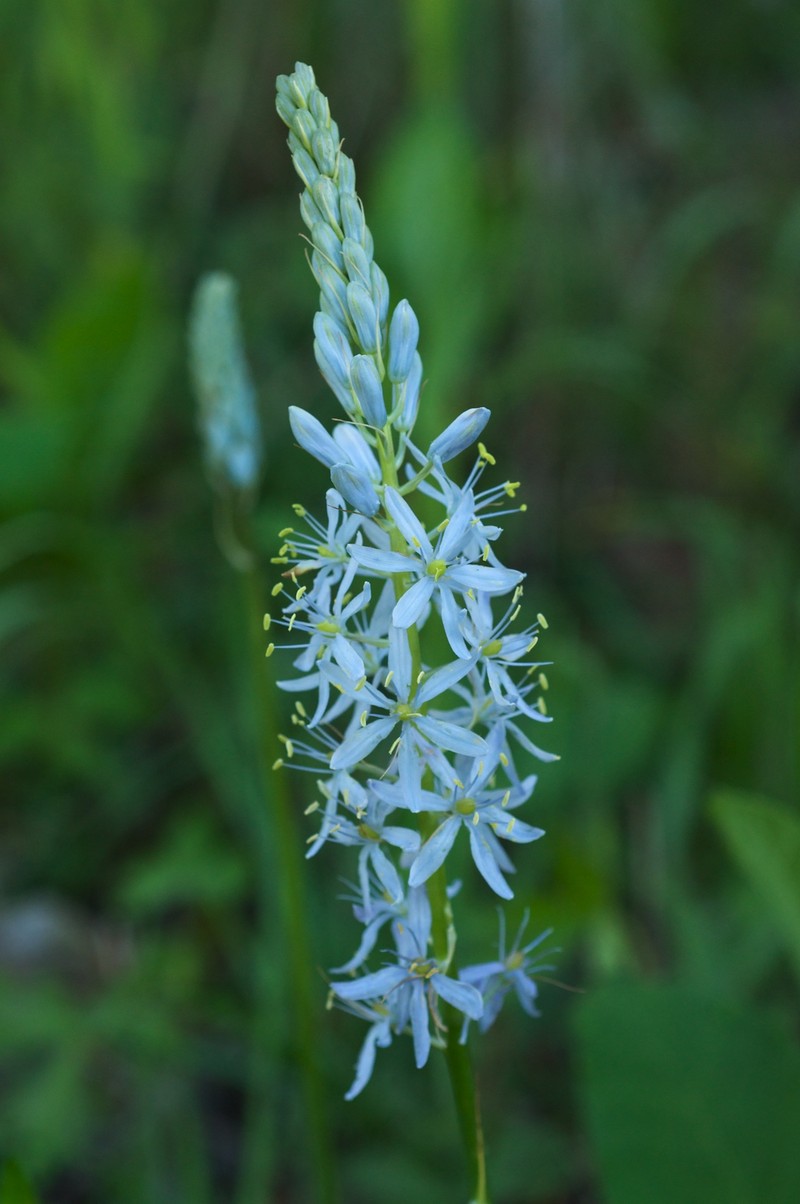
Source: Wikimedia; Credit: Eric in SF https://commons.wikimedia.org/wiki/User:Eric_in_SF
Taxonomy
- Division:
- Magnoliophyta | - Flowering plants
- Family:
- Asparagaceae
- Genus:
- Camassia
- Species:
- Camassia scilloides
- USDA Symbol:
- CASC5
Growth Characteristics
- Life Cycle:
- Perennial
- Growth Habit:
- Geophyte
- Height:
- 90 cm
- Drought Tolerance:
- Low
- Bloom Months:
- apr,may,jun
- Bloom Colors:
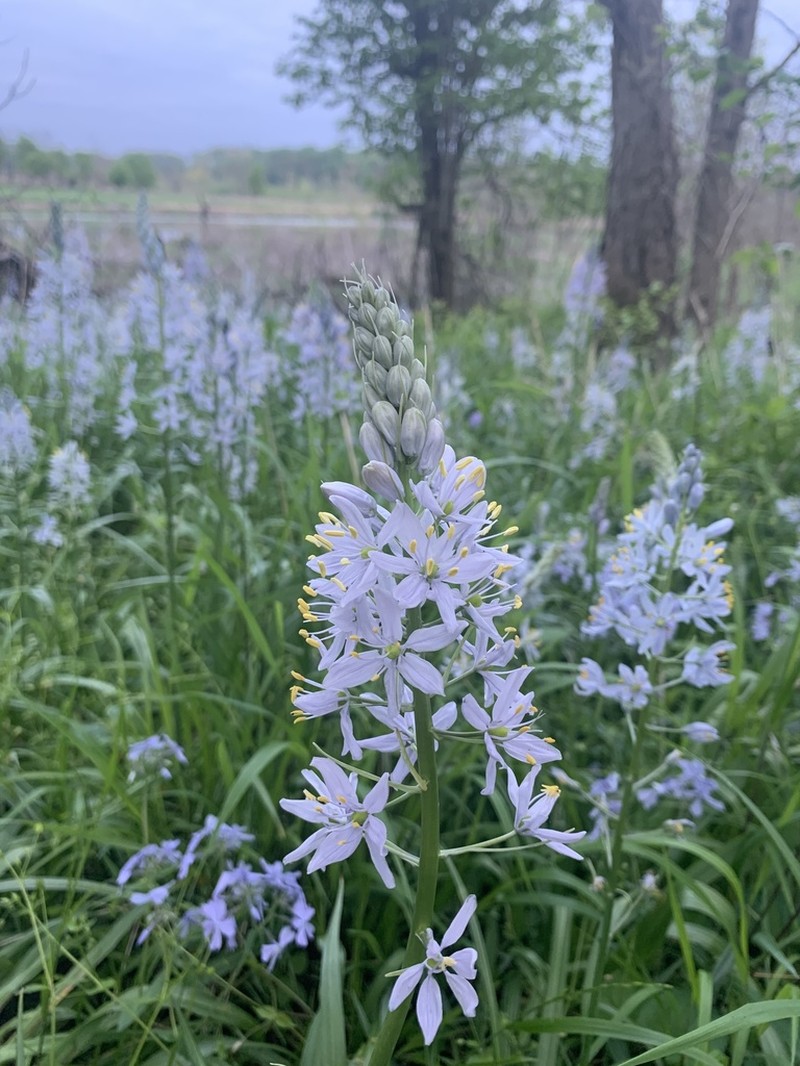
- blue, violet
Wildlife Benefits
- Bees:
- ★☆☆☆☆ Documented bee visitation (GBIF)
- Butterflies & Moths:
- ★☆☆☆☆ Documented Lepidoptera association (GBIF)
Garden & Ecology Notes
- Wildlife Value:
- bees, butterflies
Propagation & Germination
- Stratification:
- Cold/moist stratification required — 60–90 days
- Germination Time:
- 30–60 days
- Notes:
- Seeds require cold stratification for 60-90 days; germination occurs in spring after temperatures warm.
Pre-treatment: Mix seed with equal amounts of vermiculite and lightly dampen in a plastic bag or container. Store this seed for 3-4 months in a cold room of 34-36 degrees F.
Establishment: This is a cool season perennial which germinates and dies early in the season, making its lifecycle different from other warm season forbs. Seed is collected by hand from nursery stock.
Source: npn.rngr.net
ORGHPS Germination Guide: Sow @ 4C for 3 months, then place @ 20C for 3 months.
Where to Buy
Nationwide Seller
- Prairie Moon Nursery (nursery and seeds)
- Pizzo Native Plant Nursery (wholesale nursery)