
Ookow
Dichelostemma congestum
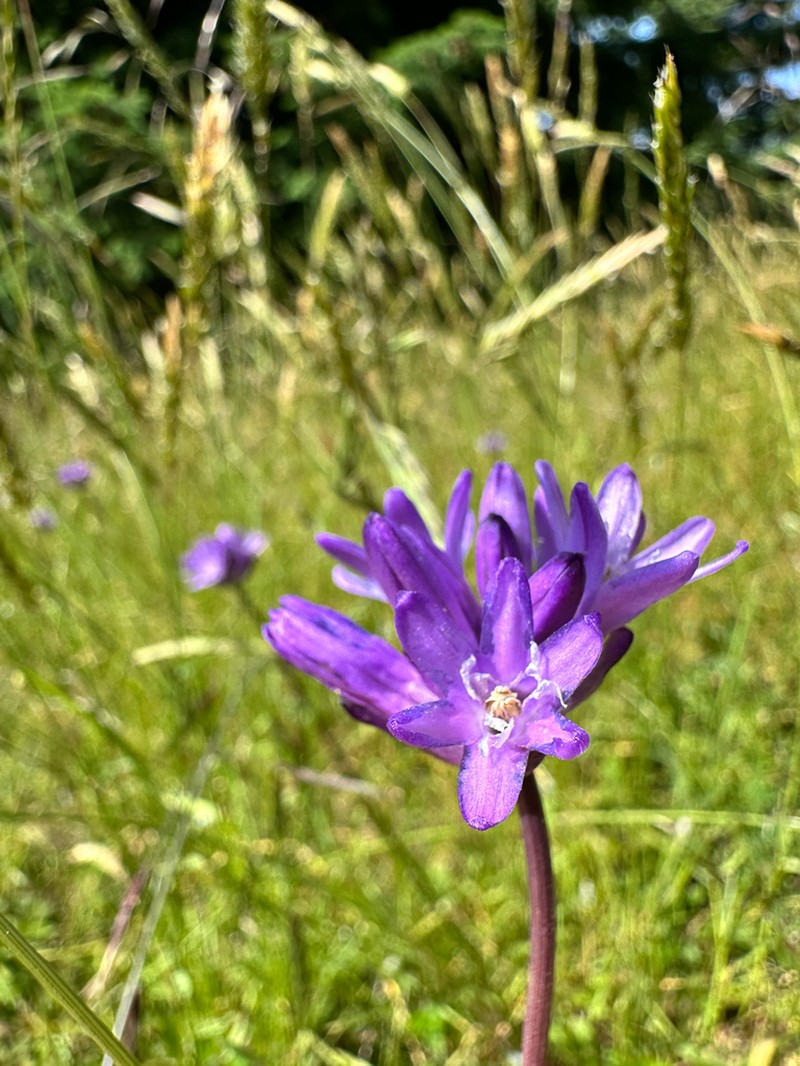
iNaturalist: © ady_m (iNaturalist #287469717)
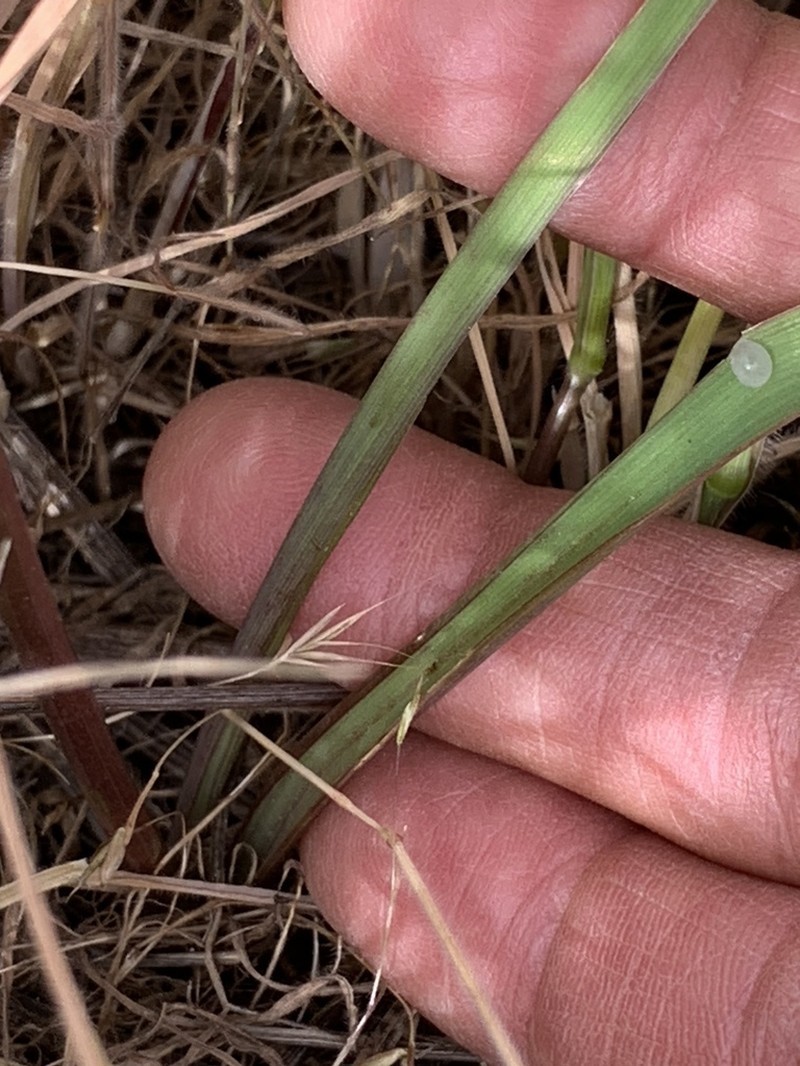
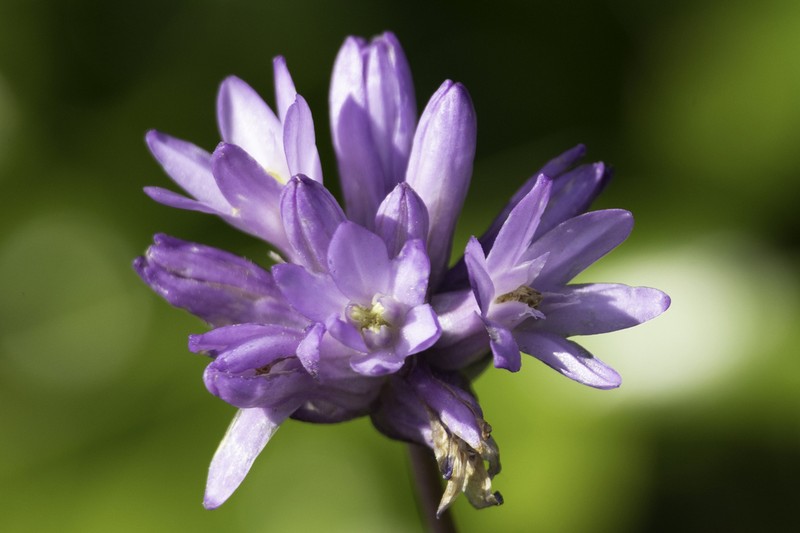
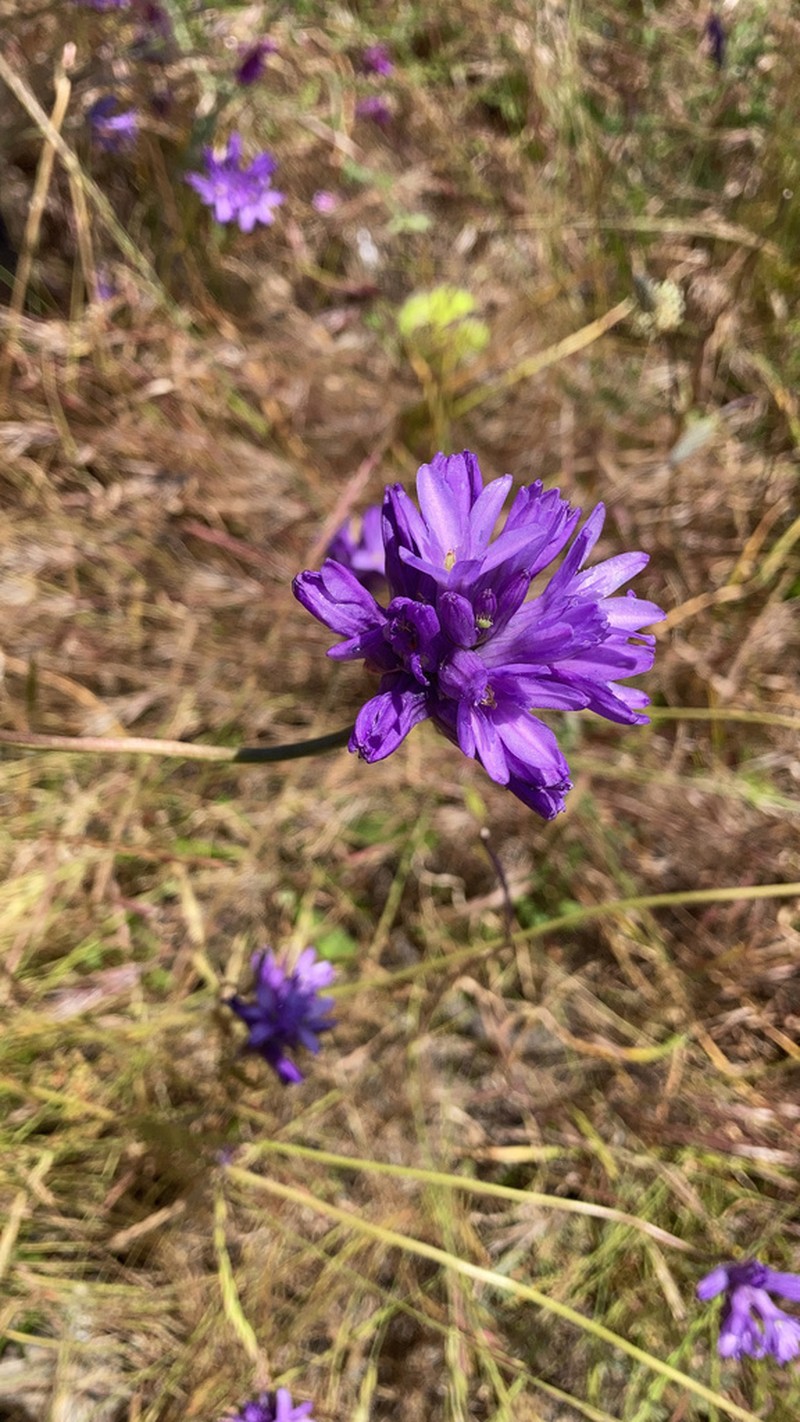
Taxonomy
- Division:
- Magnoliophyta | - Flowering plants
- Family:
- Asparagaceae
- Genus:
- Dichelostemma
- Species:
- Dichelostemma congestum
Growth Characteristics
- Life Cycle:
- Perennial
- Growth Habit:
- Geophyte
- Height:
- 100 cm
- Light Requirements:
- Full Sun
- Drought Tolerance:
- High
- Bloom Months:
- apr,may,jun
- Bloom Colors:
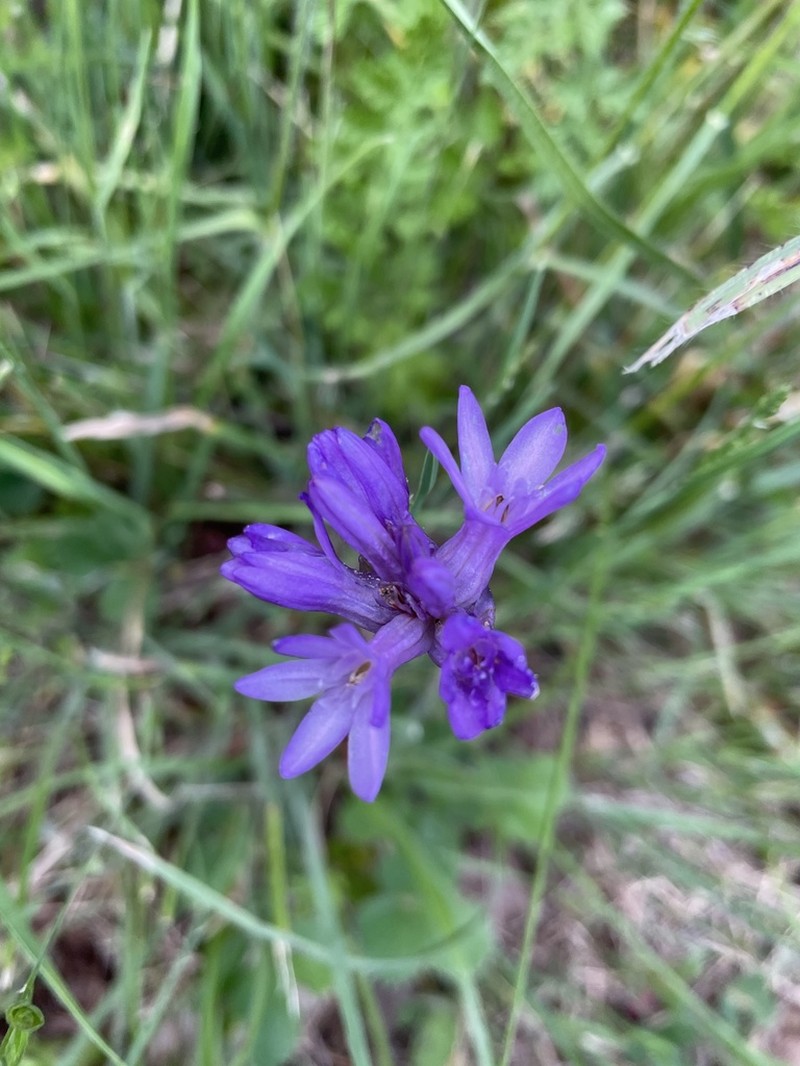
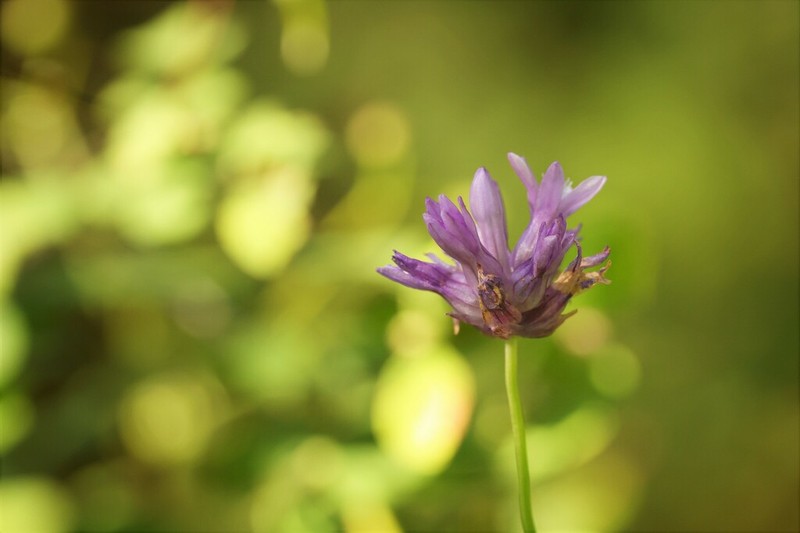
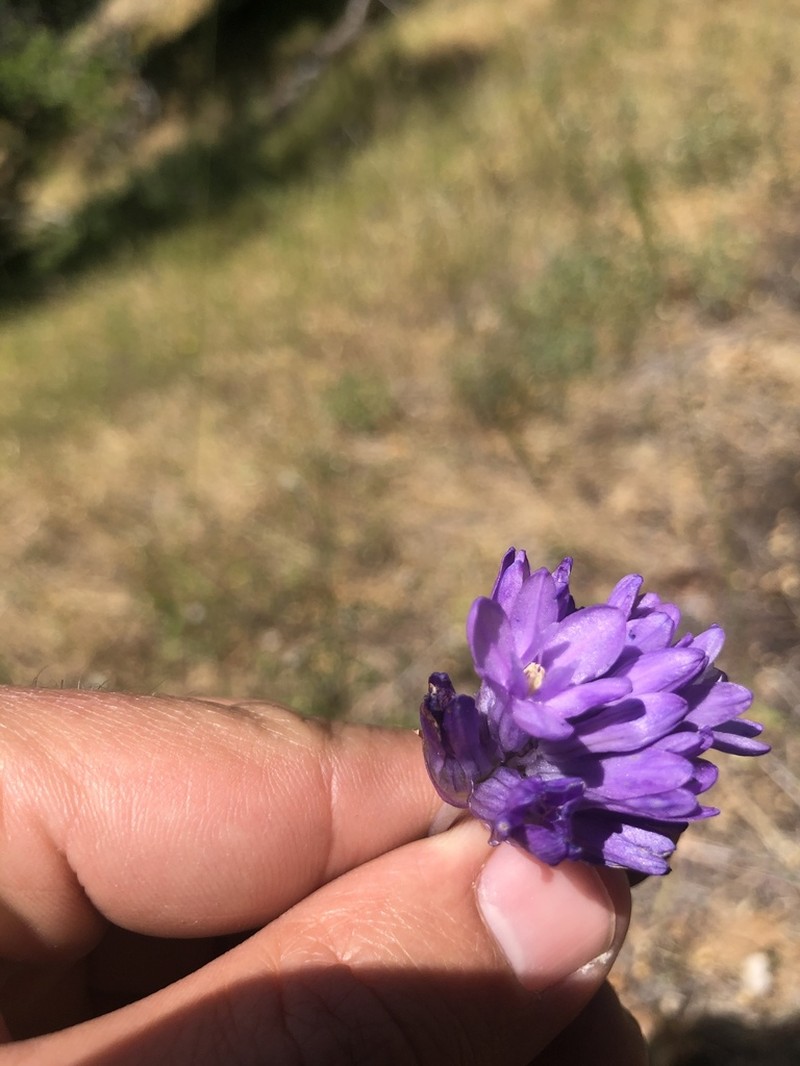
- purple, violet, blue
Native Range
United States
Wildlife Benefits
- Bees:
- ★☆☆☆☆ Documented bee visitation (GBIF)
- Butterflies & Moths:
- ★☆☆☆☆ Documented Lepidoptera association (GBIF)
Garden & Ecology Notes
- Wildlife Value:
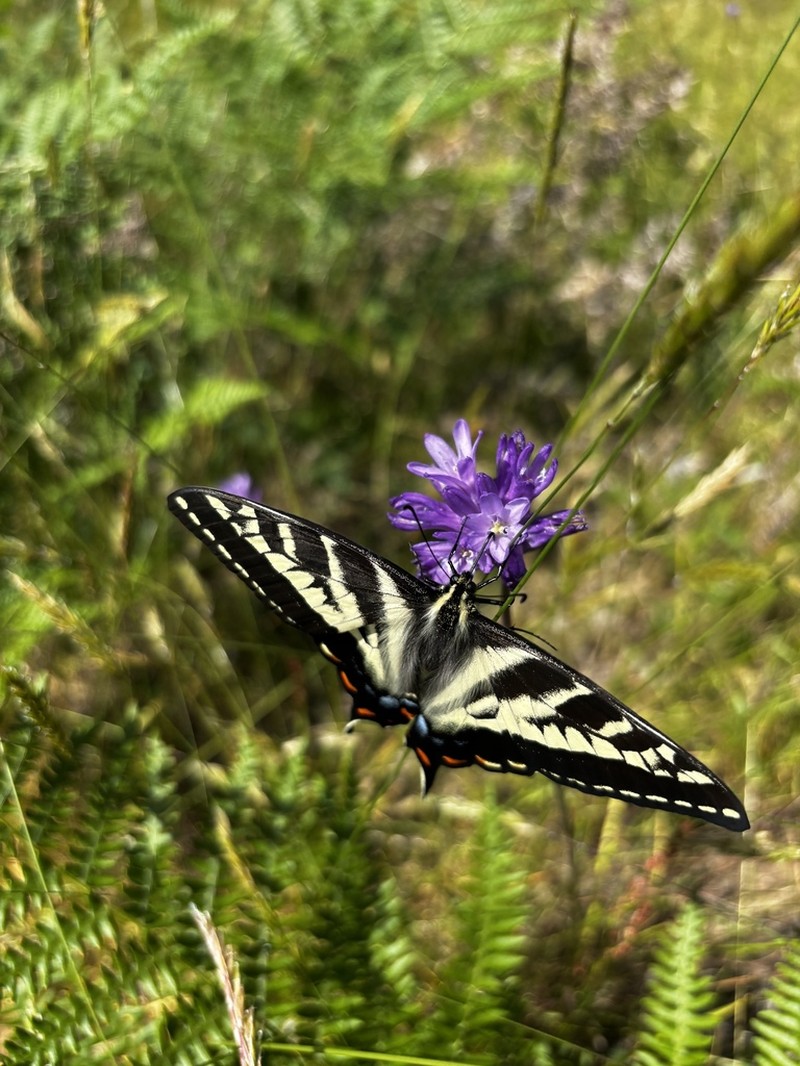
- bees, butterflies, hummingbirds
- Deer Resistant:
- Yes
- Fire Ecology:
- Fire adapted — tolerates or benefits from fire
- Fire Notes:
- Native to fire-prone grasslands and oak woodlands; resprouts from deep corms after fire.
Soil Requirements
- Soil Type:
- well-drained, sandy or rocky soil
- pH:
- 5.5 - 7.0 (slightly acidic to neutral)
- Drainage:
- excellent drainage required
- Moisture:
- dry to moderate
- Notes:
- native to open woodlands and grasslands
Propagation & Germination
- Stratification:
- Cold/moist stratification required — 60–90 days
- Germination Time:
- 14–60 days
- Notes:
- Seeds germinate best with cold stratification. Corms can also be planted directly in fall for spring emergence.
Propagation data sourced from Claude AI
Pre-treatment: Seeds are sown into trays filled with stabilized medium plugs (Q-plugs). Trays are sealed inside plastic boxes and placed into cold stratification (33.8 to 37.4 °F) for 90 days. Trays are checked weekly and kept moist throughout the stratification period. If mold is evident, trays should be treated with 1% hydrogen peroxide.
Establishment: The plant grows in open grassy hillsides, open woodlands, and coastal grasslands. It is found in CA, OR, and WA with disjunct populations in AL and MO. The seeds are hand collected into a paper bag.
Source: npn.rngr.net