
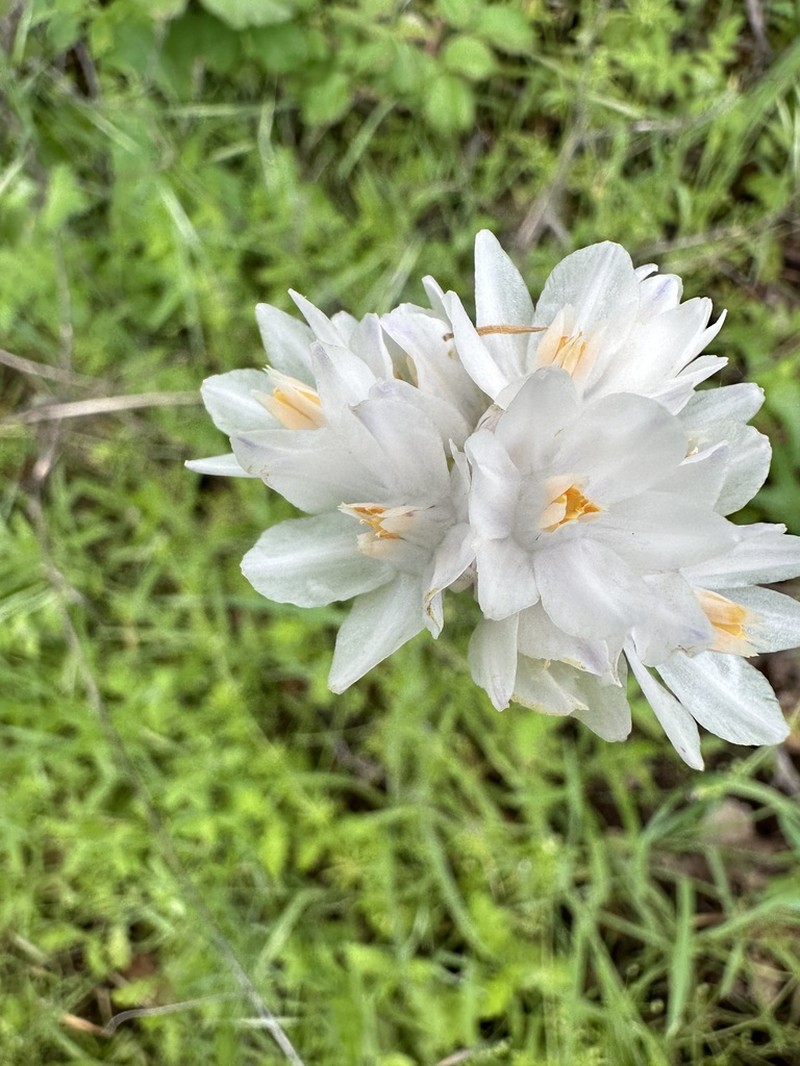
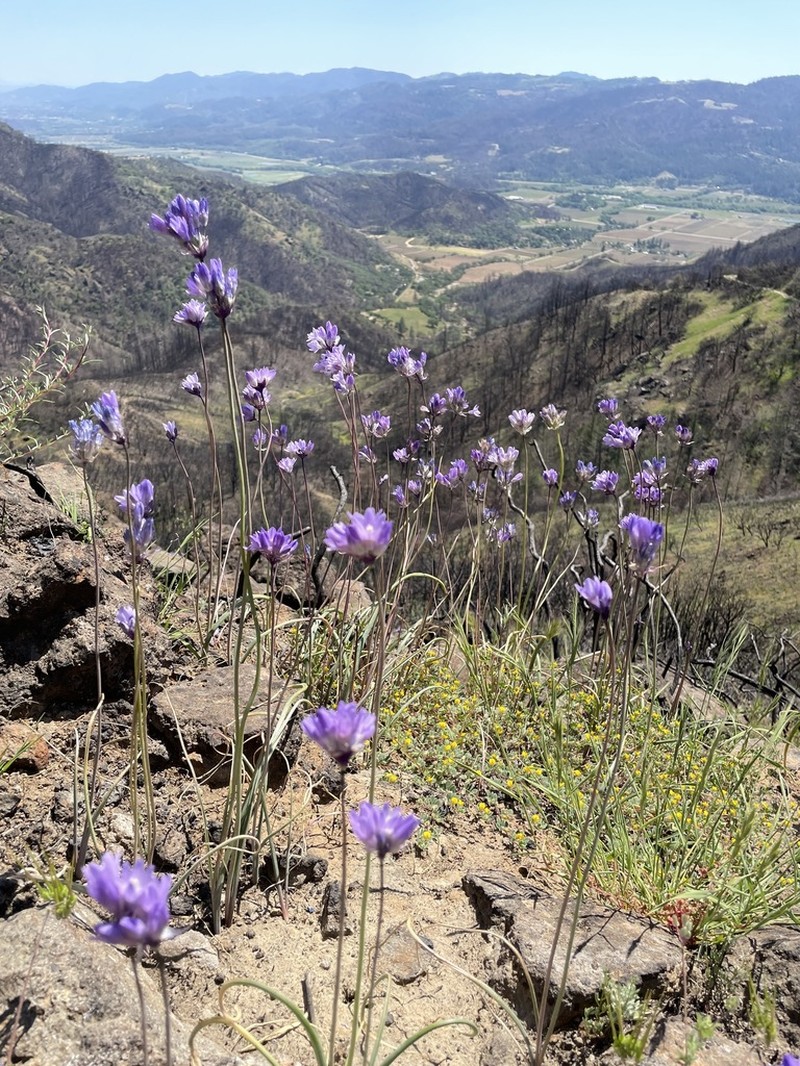
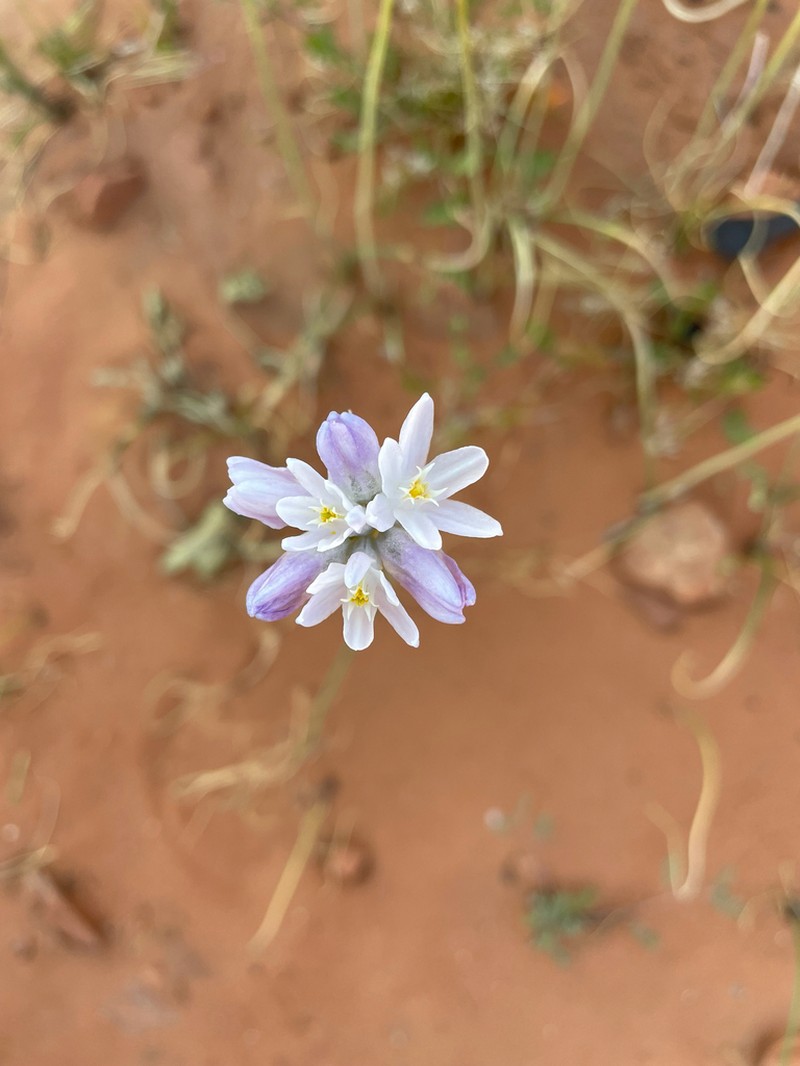
Bluedicks
Dipterostemon capitatus
- Native to:
- Mexico, United States
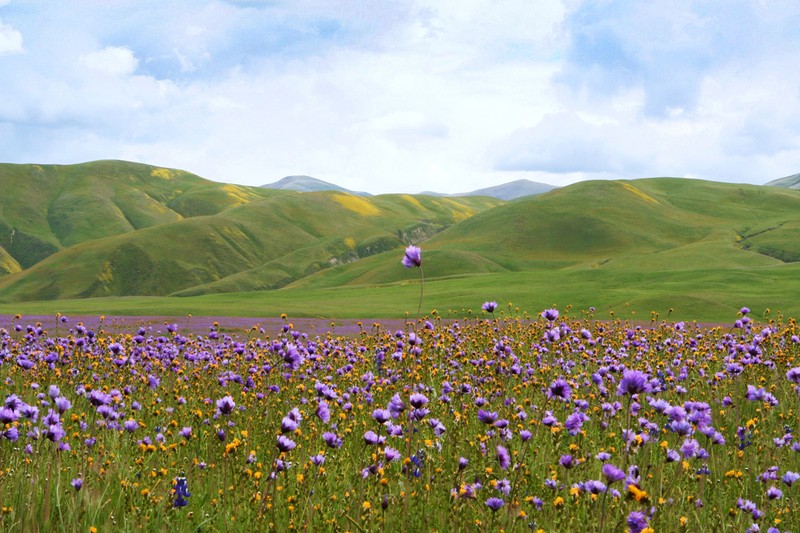
iNaturalist: © rhmartin (iNaturalist #109335122)
Taxonomy
- Division:
- Magnoliophyta | - Flowering plants
- Family:
- Asparagaceae
- Genus:
- Dipterostemon
- Species:
- Dipterostemon capitatus
- USDA Symbol:
- DICA14
Growth Characteristics
- Life Cycle:
- Perennial
- Growth Habit:
- Forb/herb
- Height:
- 30 cm
- Light Requirements:
- Full Sun
- Drought Tolerance:
- High
- Bloom Months:
- mar,apr,may
- Bloom Colors:
- blue, purple, pink, white
Wildlife Benefits
- Bees:
- ★☆☆☆☆ Documented bee visitation (GBIF)
- Butterflies & Moths:
- ★☆☆☆☆ Documented Lepidoptera association (GBIF)
Reported Fauna Sightings
Butterflies:Painted Lady (Vanessa cardui), Pale Swallowtail (Papilio eurymedon)
Garden & Ecology Notes
- Wildlife Value:
- bees, butterflies
- Deer Resistant:
- Yes
- Fire Ecology:
- Fire adapted — tolerates or benefits from fire
- Fire Notes:
- Bulbs survive fire and may flower more profusely in post-fire conditions.
Soil Requirements
- Soil Type:
- well-drained, sandy or rocky soil
- pH:
- 5.5 - 7.5 (slightly acidic to neutral)
- Drainage:
- excellent drainage required
- Moisture:
- dry to moderate
- Notes:
- prefers open, sunny habitats
Propagation & Germination
- Stratification:
- Cold/moist stratification required — 60–90 days
- Germination Time:
- 14–30 days
- Notes:
- Seeds benefit from cold moist stratification for 2-3 months before sowing.
Pre-treatment: Soak seeds in fresh water overnight. Cold stratify for 3 months or longer; until seeds begin to germinate.
Establishment: Seeds are collected between April 1st and September 1st. After collection, sow fresh seed immediately or dry for 2 weeks and soak and stratify. D. capitatum is found on plains and hillsides, from Douglas County, Oregon to lower California, and east to southern Utah and northern Arizona.
Source: npn.rngr.net