
Chaparral Yucca
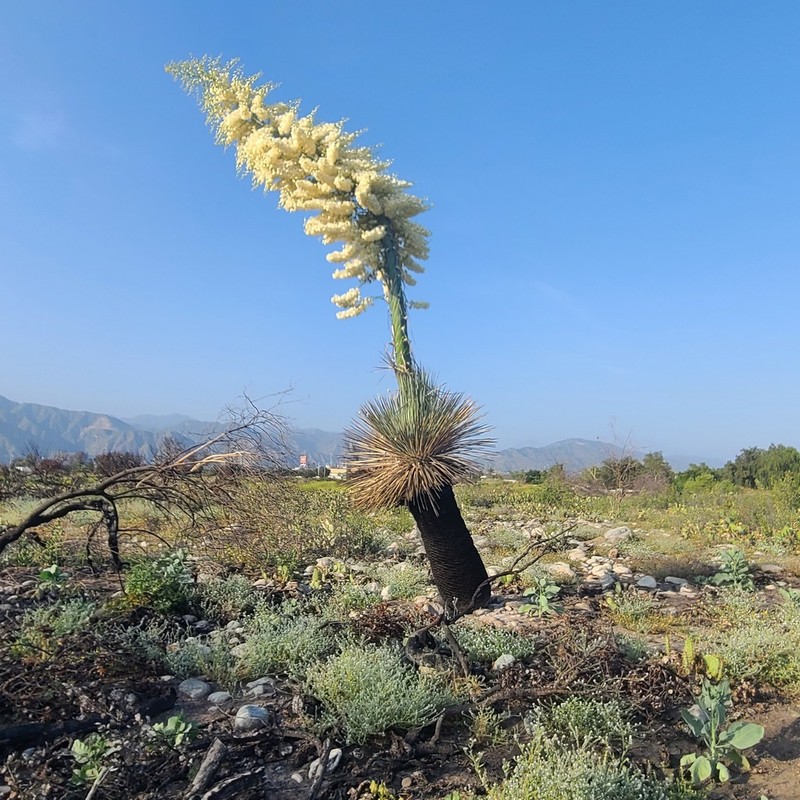
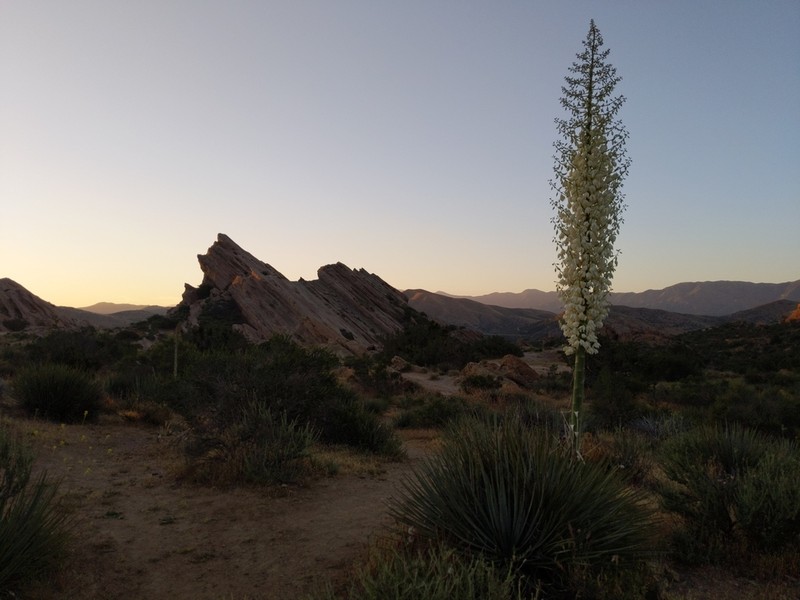
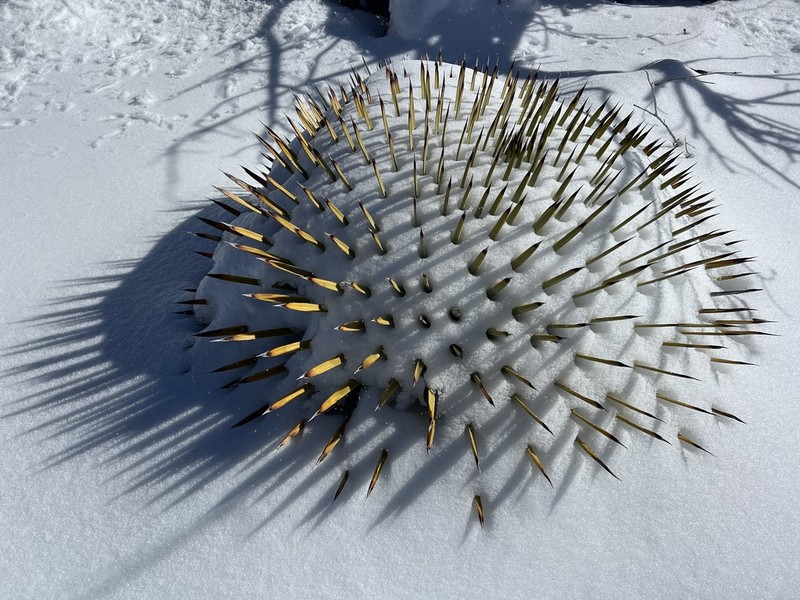
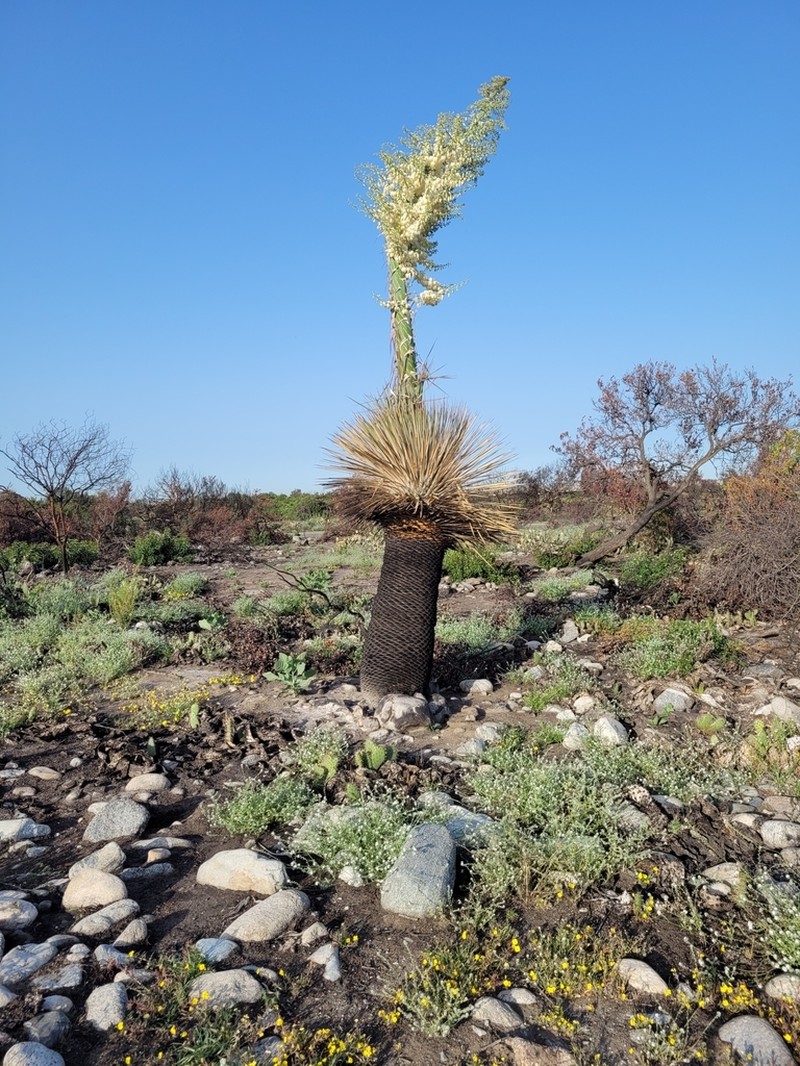
Hesperoyucca whipplei
Also known as: chaparral yucca
- Native to:
- Mexico, United States
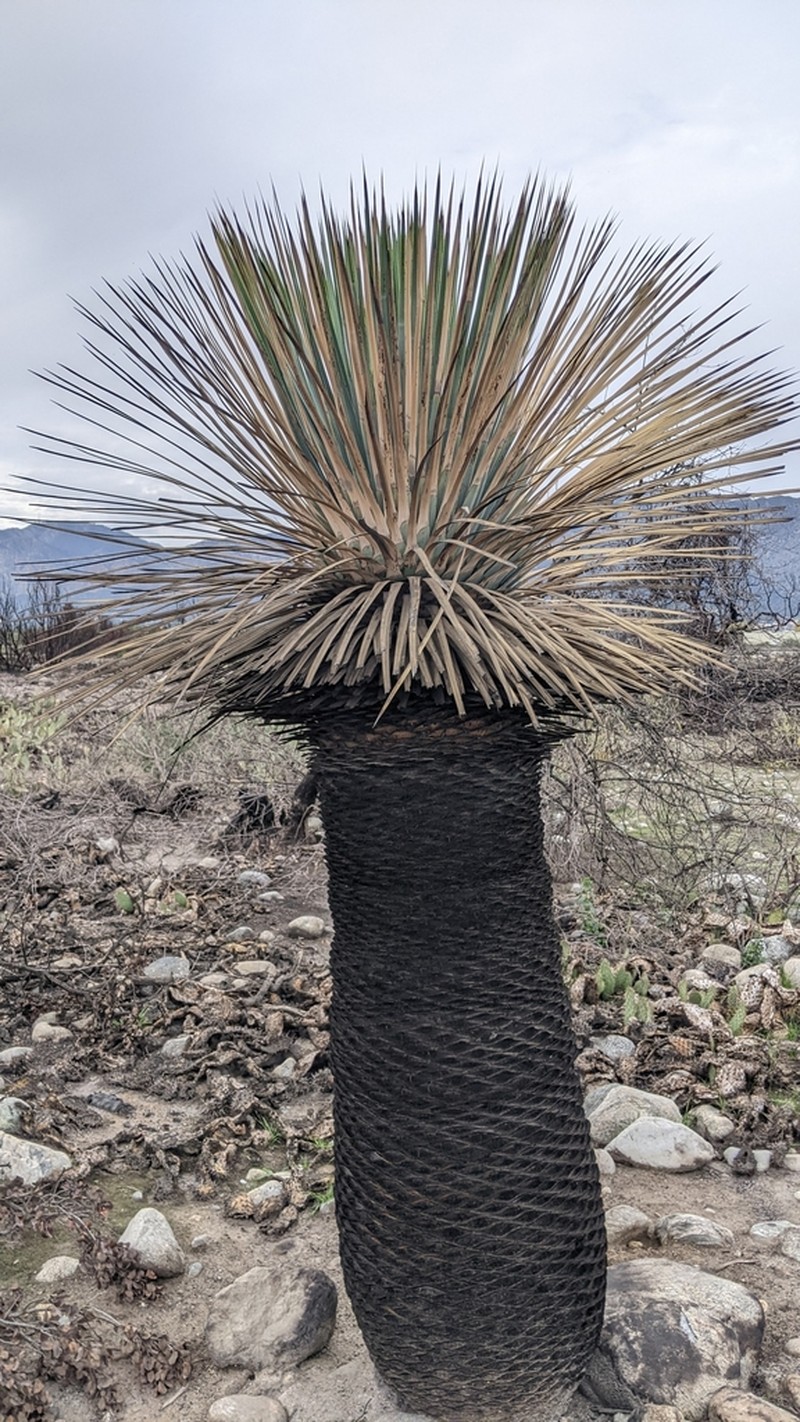
iNaturalist: © velodrome (iNaturalist #105004194)
Taxonomy
- Division:
- Magnoliophyta | - Flowering plants
- Family:
- Asparagaceae
- Genus:
- Hesperoyucca
- Species:
- Hesperoyucca whipplei
- USDA Symbol:
- HEWH
Growth Characteristics
- Life Cycle:
- Perennial
- Growth Habit:
- Forb/herb , Shrub , Subshrub
- Height:
- 150 cm
- Light Requirements:
- Full Sun
- Drought Tolerance:
- High
- Bloom Months:
- apr,may,jun
- Bloom Colors:
- white, cream
Wildlife Benefits
- Bees:
- ★☆☆☆☆ Documented bee visitation (GBIF)
- Butterflies & Moths:
- ★★★☆☆ Documented Lepidoptera association (GBIF)
- Caterpillars:
- ★★☆☆☆ Recorded caterpillar host plant (HOSTS Database)
Host Plant for Caterpillars
Deoclona yuccasella, Holcocera gigantella, Prodoxus aenescens, Prodoxus cinereus, Prodoxus coloradensis, Prodoxus marginatus, Prodoxus pulverulentus, Sosipatra rileyella, Tegeticula maculata, Yucca moth (Tegeticula yuccasella)
Reported Fauna Sightings
Moths:Prodoxus marginatus, Tegeticula maculata
Garden & Ecology Notes
- Wildlife Value:
- bees, hummingbirds
- Deer Resistant:
- Yes
- Fragrant:
- Yes
- Fire Ecology:
- Fire adapted — tolerates or benefits from fire
- Fire Notes:
- Resprouts from base after fire; seeds also germinate in post-fire conditions.
Soil Requirements
- Soil Type:
- rocky, well-drained, nutrient-poor soil
- pH:
- 6.0 - 8.0 (neutral to slightly alkaline)
- Drainage:
- excellent drainage required
- Moisture:
- dry to moderate
- Notes:
- thrives in arid, rocky environments
Propagation & Germination
- Stratification:
- Cold/moist stratification required — 30–60 days
- Germination Time:
- 14–30 days
- Notes:
- Seeds germinate readily after cold stratification; sow in well-drained soil.
Where to Buy
Nationwide Seller
- Native Seed Group (seeds)
- Planet Desert (nursery)