
Siberian Squill
Scilla siberica
- Native to:
- Iran, Iraq, Krym, Lebanon-Syria, North Caucasus, Russia, Transcaucasus, Türkiye, Ukraine
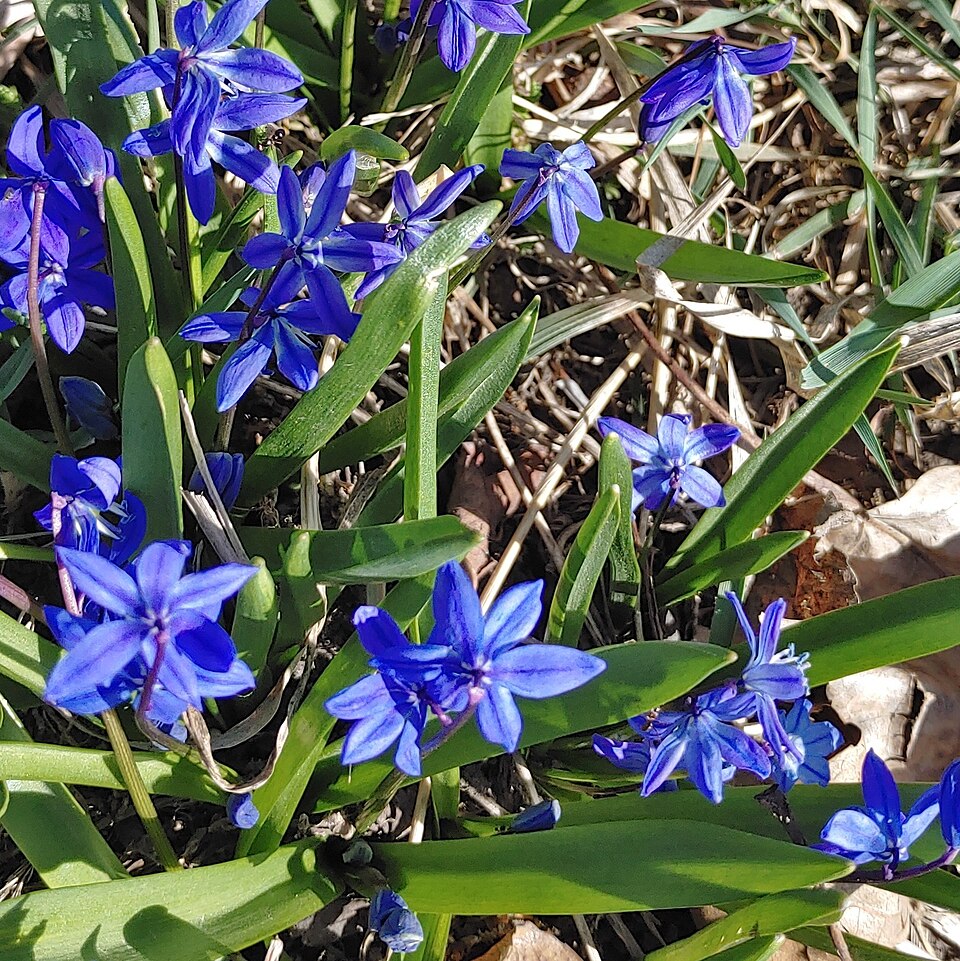
Ivar Leidus
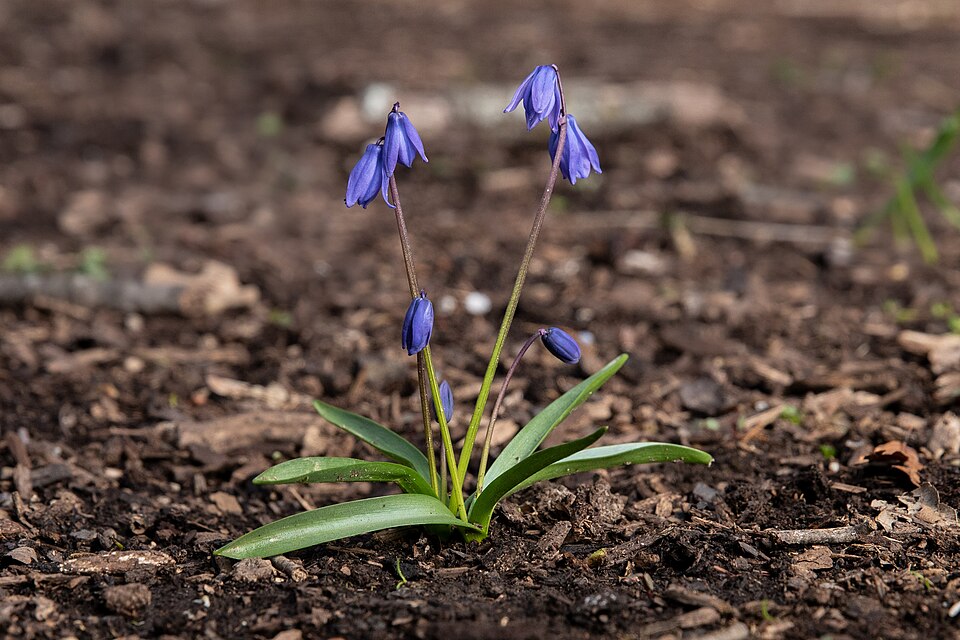
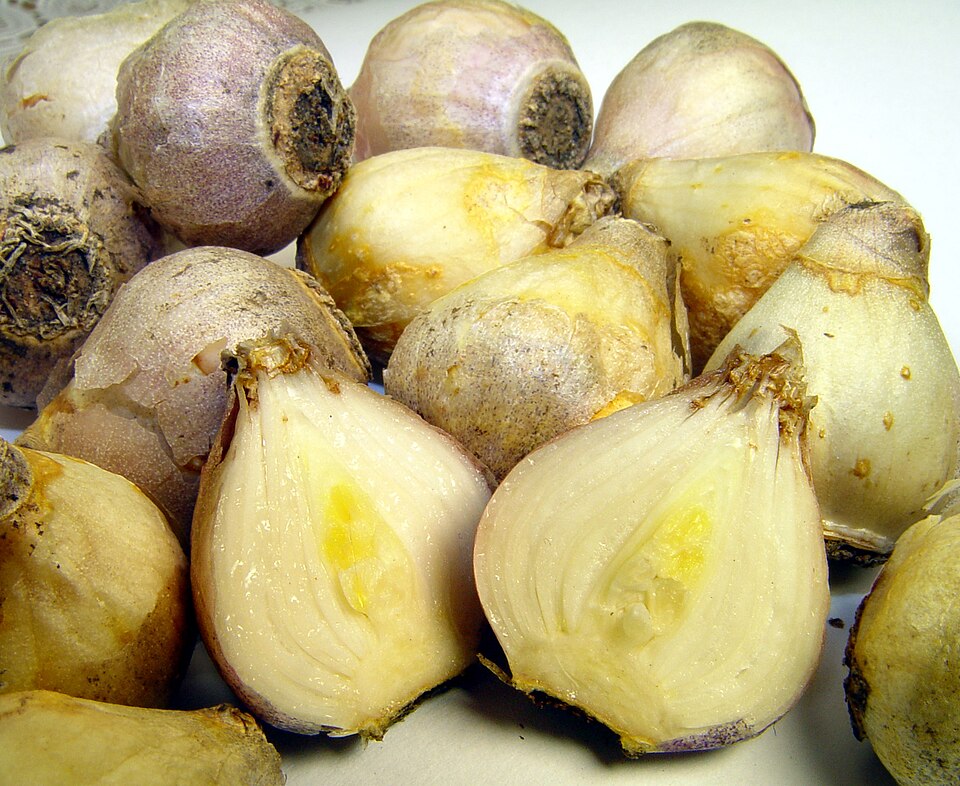
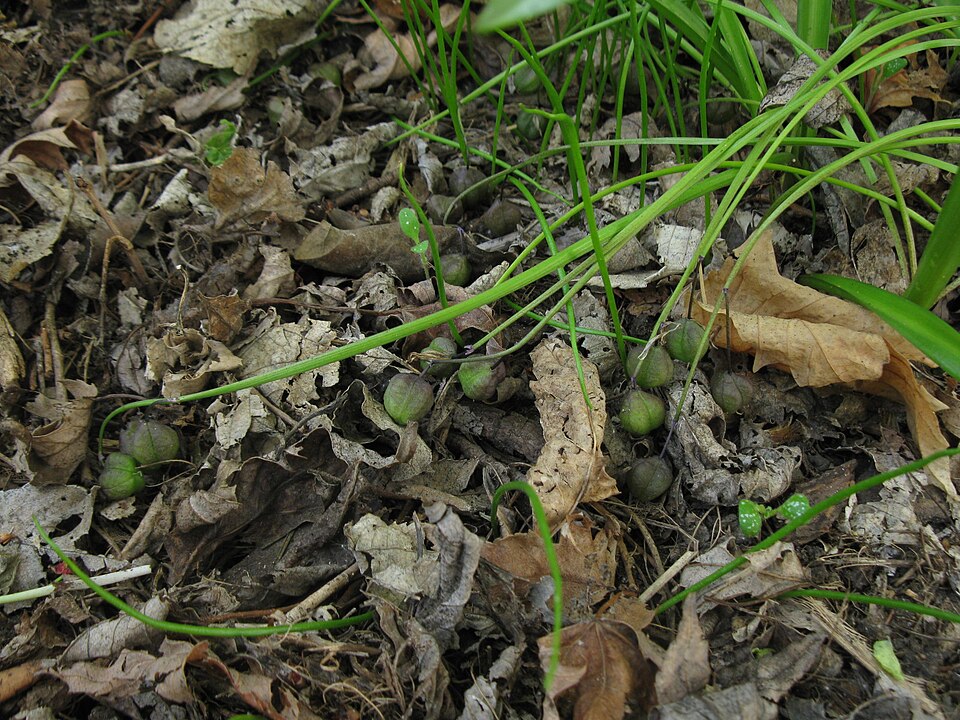
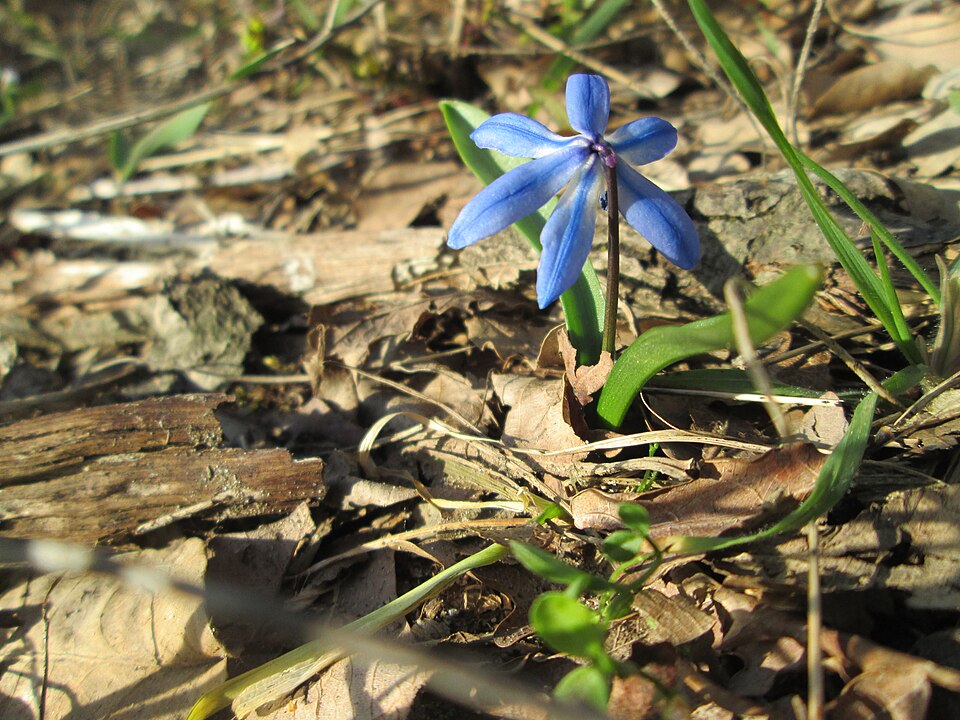
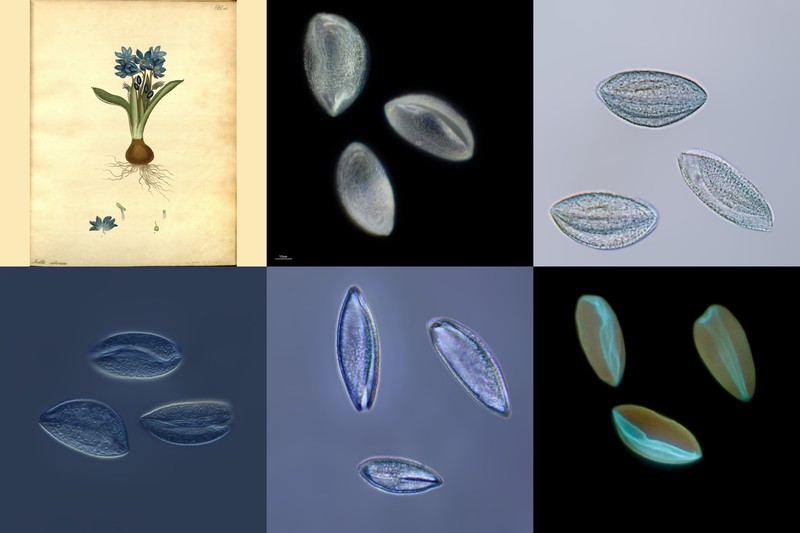
Taxonomy
- Division:
- Magnoliophyta | - Flowering plants
- Family:
- Asparagaceae
- Genus:
- Scilla
- Species:
- Scilla siberica
- USDA Symbol:
- SCSI2
Growth Characteristics
- Life Cycle:
- Perennial
- Growth Habit:
- Forb/herb
- Height:
- 20 cm
- Light Requirements:
- Full Sun
- Drought Tolerance:
- Medium
- Bloom Months:
- mar,apr
- Bloom Colors:
- blue
Reported Fauna Sightings
Bees: Hunt's bumble bee (Bombus huntii), ⚠️Western honey bee (Apis mellifera)
Garden & Ecology Notes
- Wildlife Value:
- bees
- Deer Resistant:
- Yes
Soil Requirements
- Soil Type:
- rich, well-drained loamy soil
- pH:
- 6.0 - 7.0 (slightly acidic to neutral)
- Drainage:
- excellent drainage required
- Moisture:
- consistently moist
- Notes:
- native to woodlands and meadows with seasonal moisture
Propagation & Germination
- Stratification:
- Cold/moist stratification required — 60–90 days
- Germination Time:
- 14–30 days
- Notes:
- Seeds require cold stratification for 2-3 months; sow in fall or after cold treatment.
ORGHPS Germination Guide: Sow immediately, Either the viability of these seeds is short or the species propagates best with fresh seed. Stored seed might be coaxed into germination with temperature cycling and patience. Expose to fluctuation outdoor winter temperatures including freezing for 3 months. Gradually increase light and temperature in the spring. * seedlings must remain at 4°C for full 3 months, then gradually raise temp t20°C