
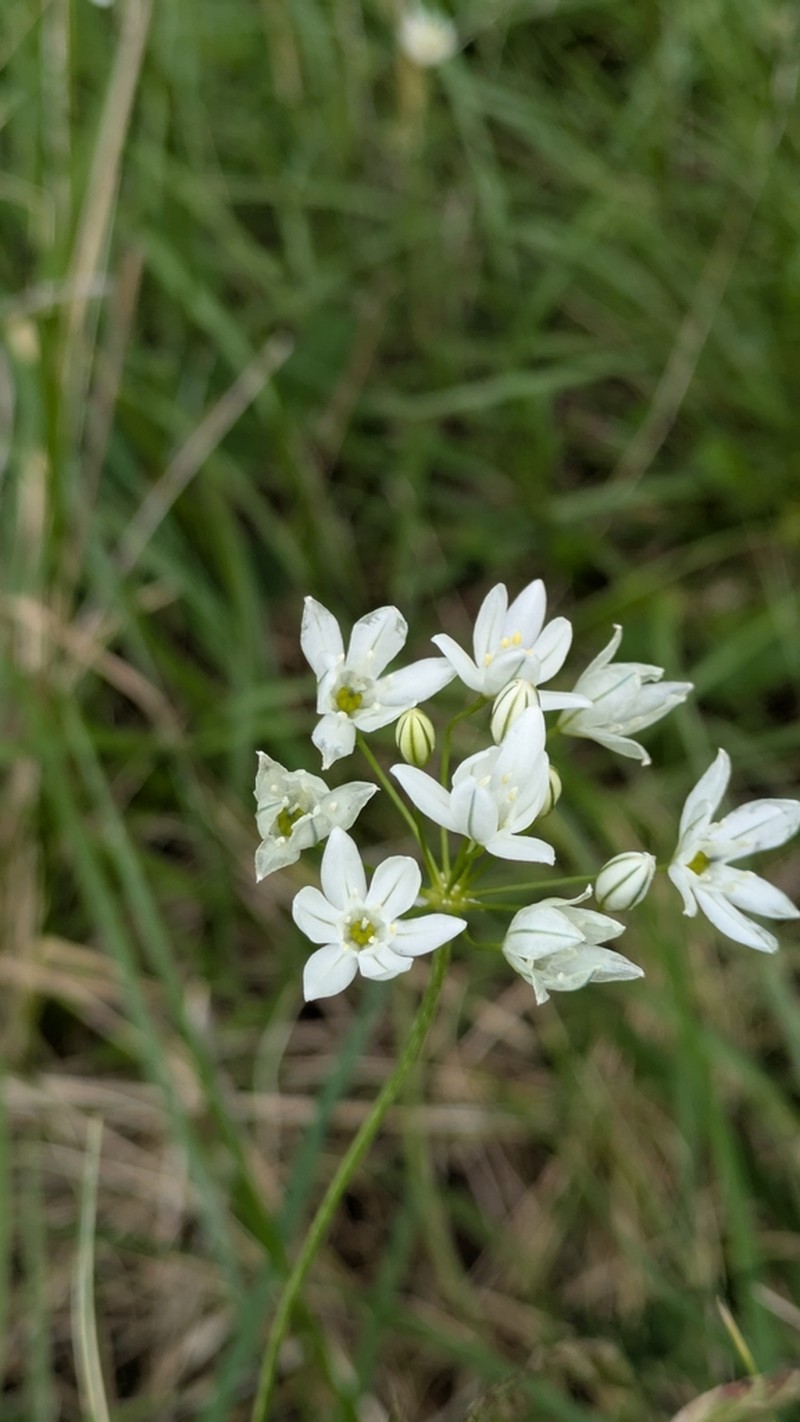
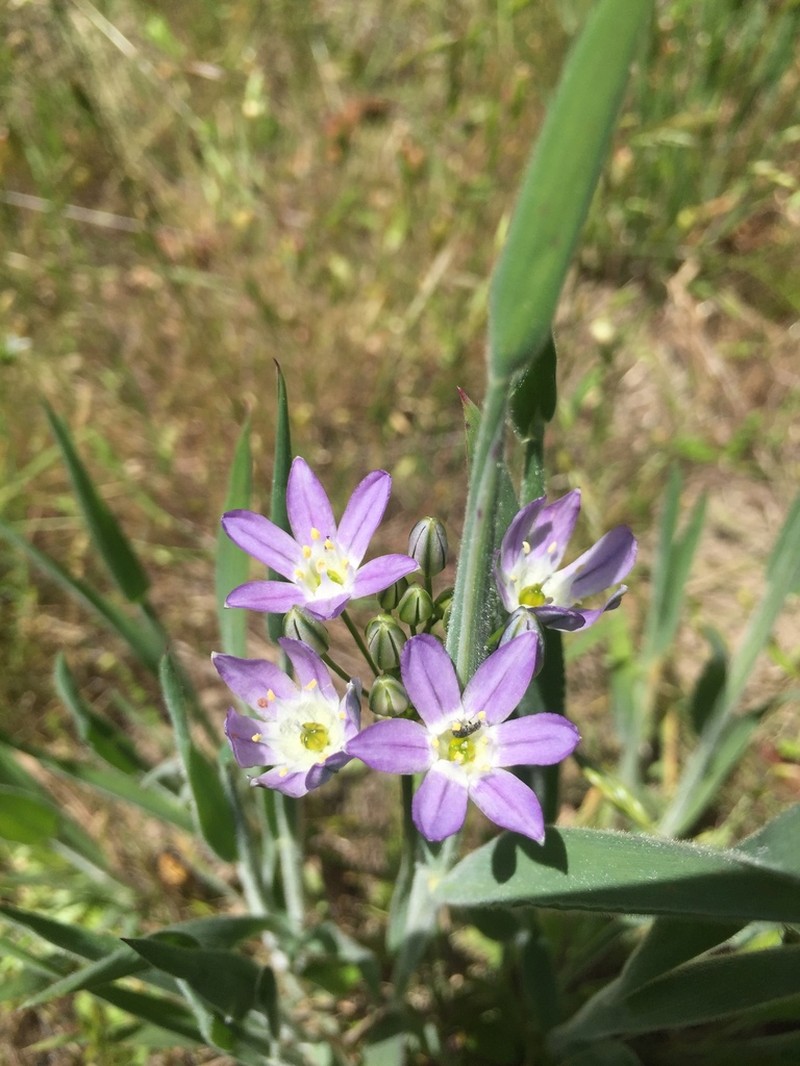
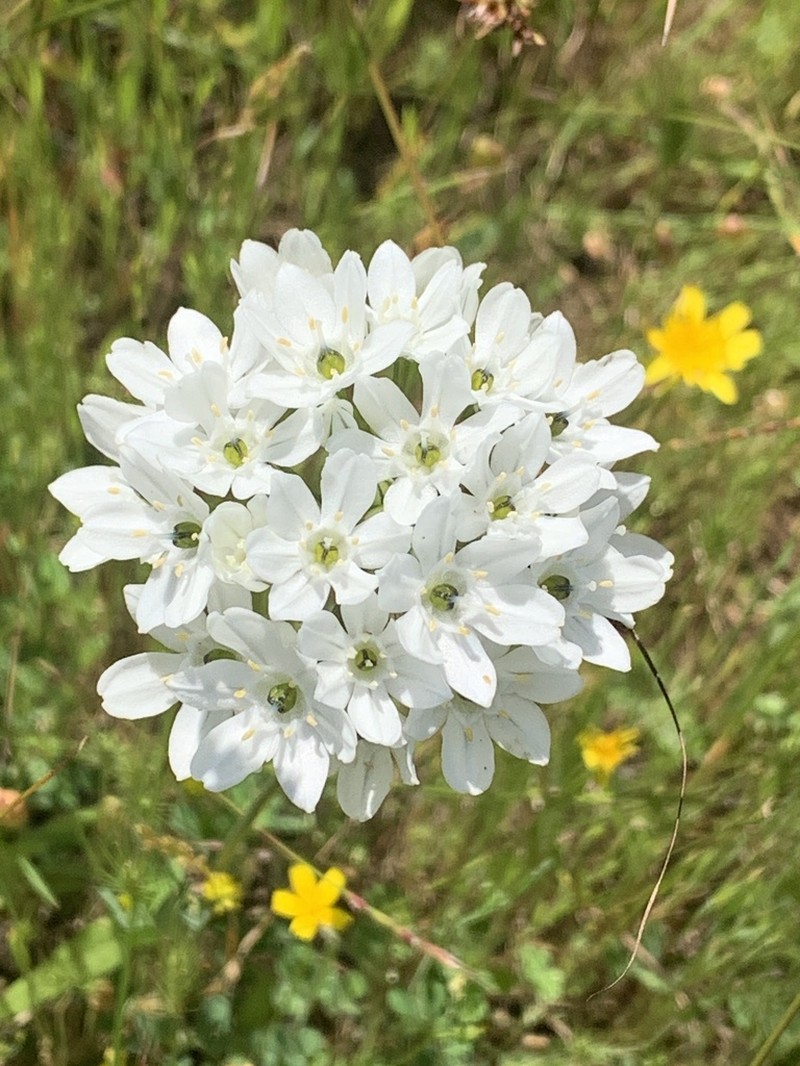
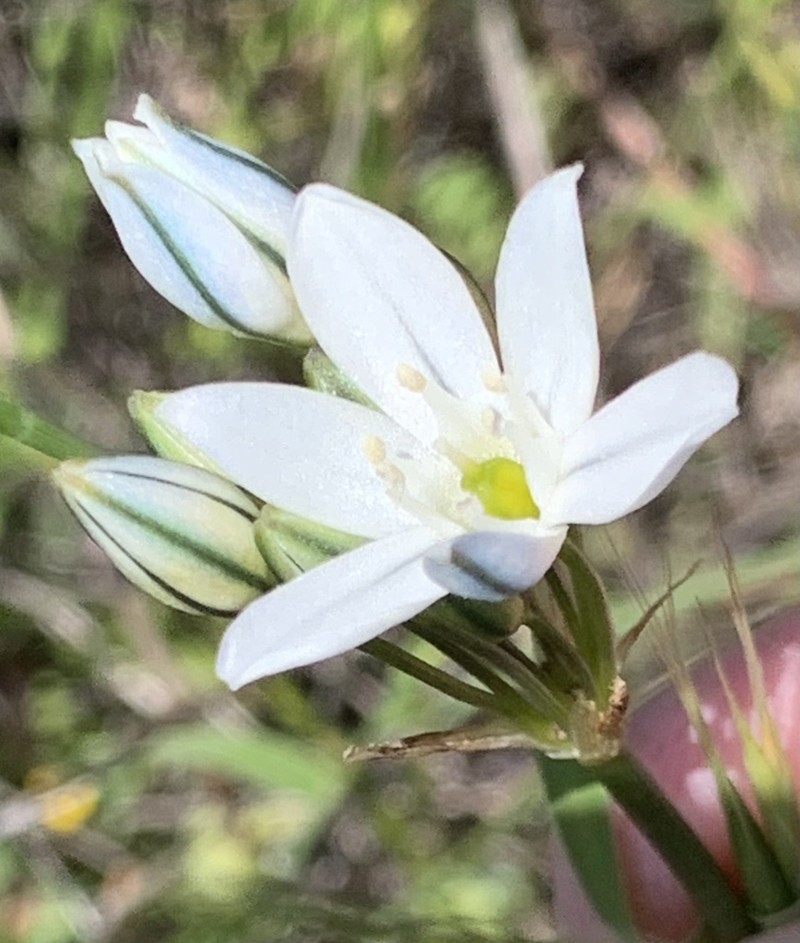
White Brodiaea
Triteleia hyacinthina
- Native to:
- Canada, United States
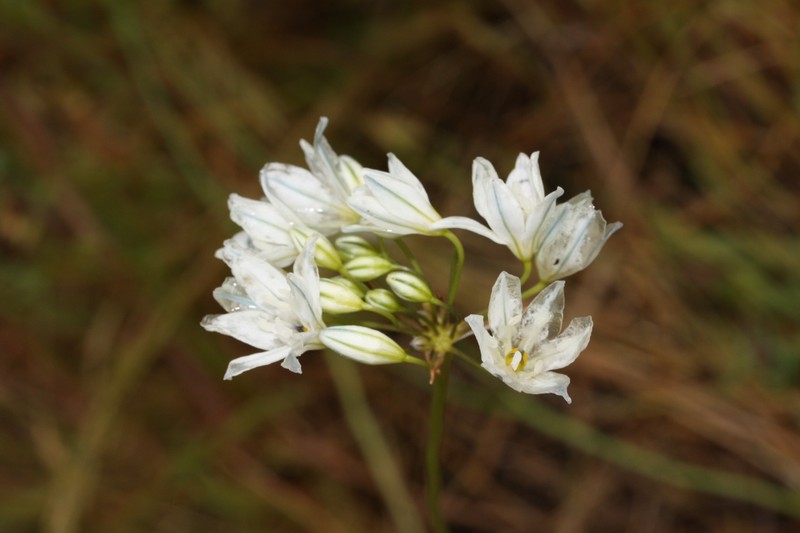
Walter Siegmund (talk)
Taxonomy
- Division:
- Magnoliophyta | - Flowering plants
- Family:
- Asparagaceae
- Genus:
- Triteleia
- Species:
- Triteleia hyacinthina
- USDA Symbol:
- TRHY3
Growth Characteristics
- Life Cycle:
- Perennial
- Growth Habit:
- Forb/herb
- Height:
- 60 cm
- Light Requirements:
- Full Sun
- Drought Tolerance:
- Medium
- Bloom Months:
- apr,may,jun
- Bloom Colors:
- white
Wildlife Benefits
- Bees:
- ★☆☆☆☆ Documented bee visitation (GBIF)
- Butterflies & Moths:
- ★★★★★ Documented Lepidoptera association (GBIF)
Reported Fauna Sightings
Garden & Ecology Notes
- Wildlife Value:
- bees, butterflies
- Deer Resistant:
- Yes
Soil Requirements
- Soil Type:
- rich, well-drained loamy soil
- pH:
- 5.5 - 7.5 (slightly acidic to neutral)
- Drainage:
- excellent drainage required
- Moisture:
- dry to moderate
- Notes:
- prefers open, sunny habitats
Propagation & Germination
- Stratification:
- Cold/moist stratification required — 60–90 days
- Germination Time:
- 14–30 days
- Notes:
- Seeds benefit from cold stratification for 2-3 months; sow in fall or after cold treatment.
Pre-treatment: Clean dry seed placed in dry, cold storage following collection and prior to sowing. 90 days cool(38F)/moist stratification to break dormancy and allow for consistent germination.
Establishment: Whole fruits can be collected from heads immediately prior to or after ripening. Seed may be shaken from capsules which have split, but capsules which have not opened may need to be mechanically split. Blending typically does not damage the very hard viable seed, but may increase overall viability of seed lots by destroying readily shattered unviable seed. After blending, seed may be cleaned by sifting and/or blowing off chaff. General distribution is California to British Columbia and Western Coast of the United States.
Source: npn.rngr.net
ORGHPS Germination Guide: Expose to fluctuating outdoor winter temps incl. freezing for 3 months. Increase light/temp in spring.