
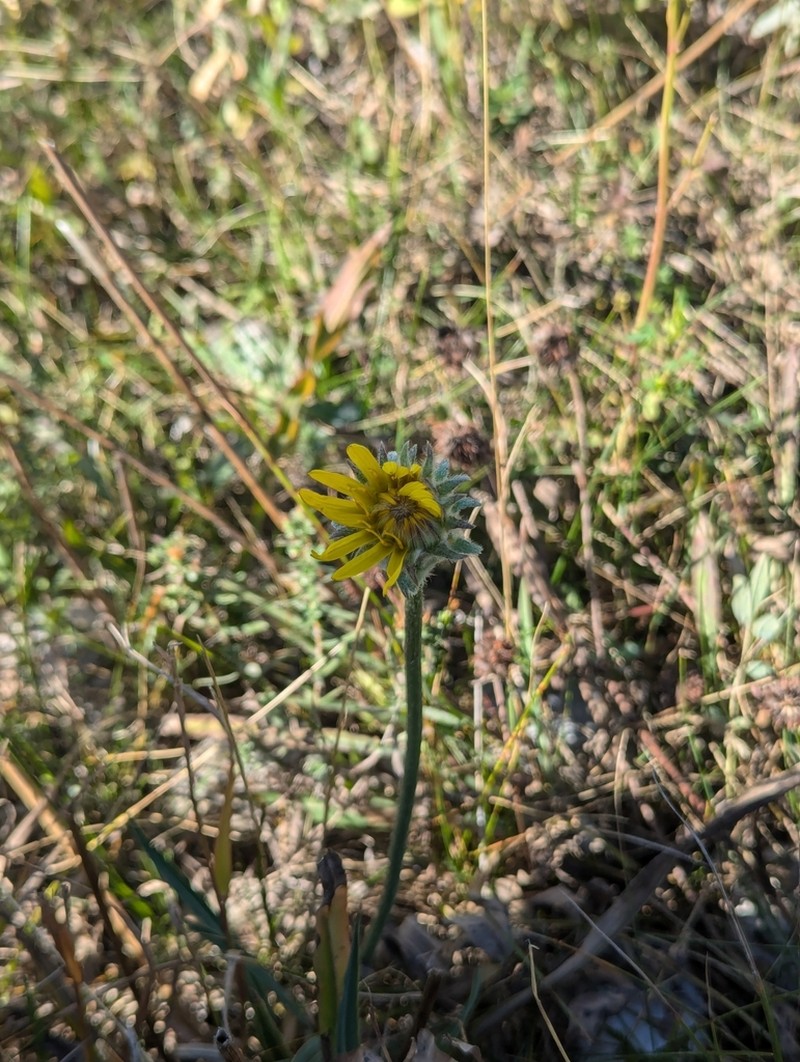
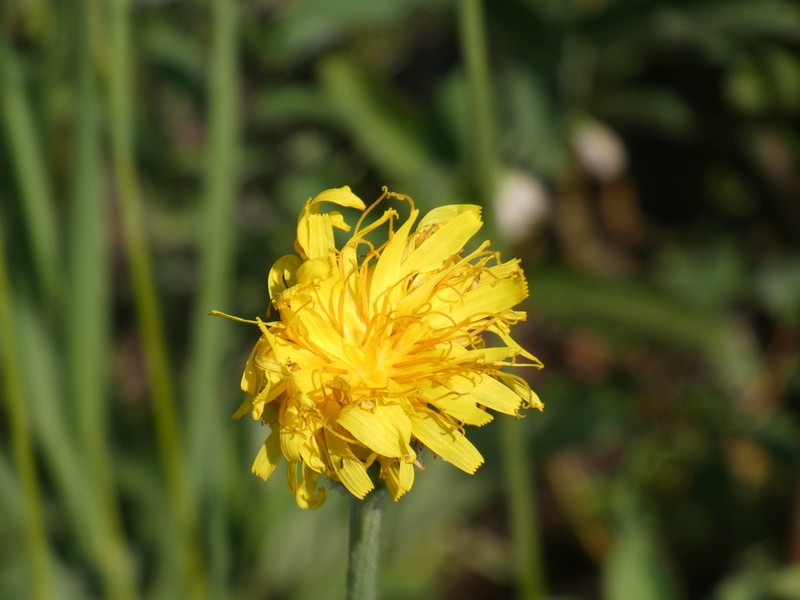
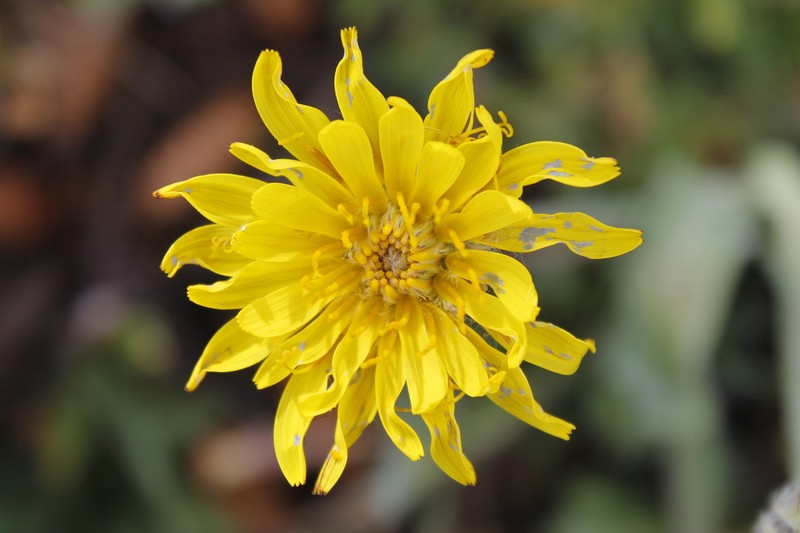
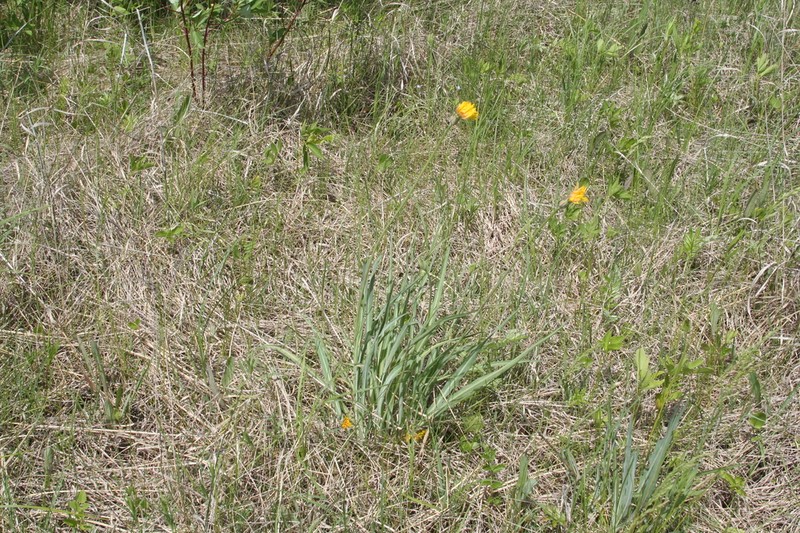
pale agoseris
Agoseris glauca
Also known as: pale agoseris
- Native to:
- Canada, United States
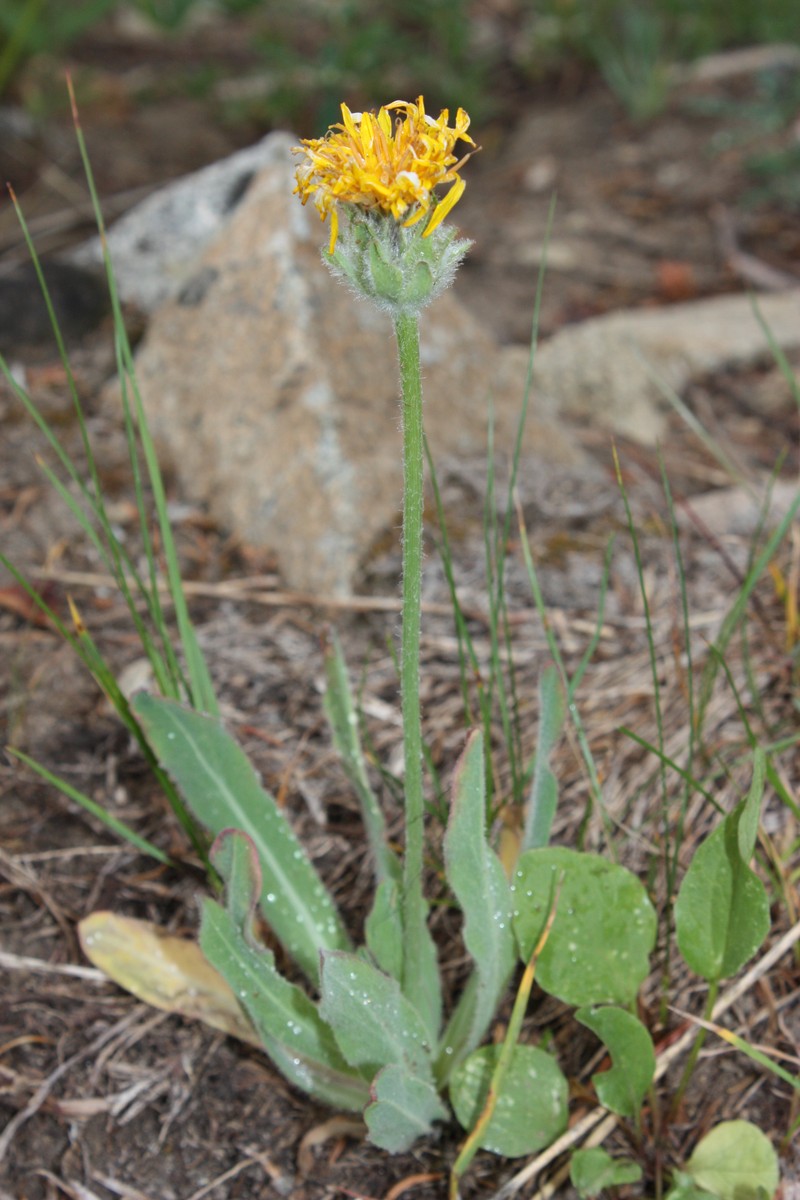
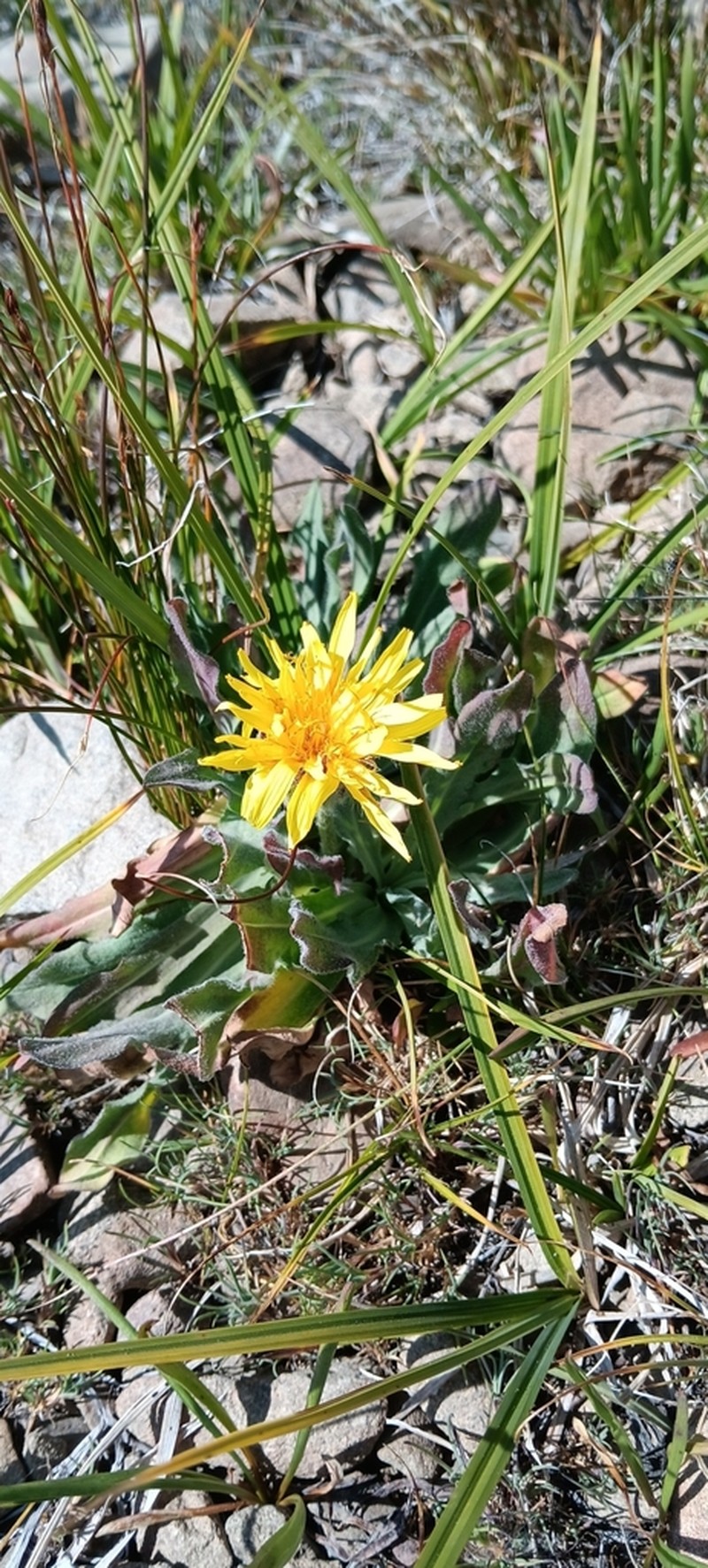
Source: Wikimedia; Credit: Walter Siegmund https://commons.wikimedia.org/wiki/User:Wsiegmund
Taxonomy
- Division:
- Magnoliophyta | - Flowering plants
- Family:
- Asteraceae
- Genus:
- Agoseris
- Species:
- Agoseris glauca
- USDA Symbol:
- AGGL
Growth Characteristics
- Life Cycle:
- Perennial
- Growth Habit:
- Forb/herb , Shrub , Subshrub
- Height:
- 60 cm
- Drought Tolerance:
- High
- Bloom Months:
- may,jun,jul,aug
- Bloom Colors:
- yellow
Wildlife Benefits
- Bees:
- ★☆☆☆☆ Documented bee visitation (GBIF)
- Butterflies & Moths:
- ★★☆☆☆ Documented Lepidoptera association (GBIF)
- Caterpillars:
- ★☆☆☆☆ Recorded caterpillar host plant (HOSTS Database)
Host Plant for Caterpillars
Reported Fauna Sightings
Garden & Ecology Notes
- Wildlife Value:
- butterflies, bees
Propagation & Germination
- Stratification:
- Cold/moist stratification required — 30–60 days
- Germination Time:
- 14–30 days
- Notes:
- Seeds germinate readily after cold stratification; sow in fall or stratify for 4-8 weeks.
Pre-treatment: Seeds are placed in cold moist stratification for 56 days. Trays are then planted, moistened, placed in plastic bags and situated in a cold room to stratify for 3 weeks.
Establishment: Seed ripens during the month of June at elevations between 5,000 and 6,000 ft in the Great Basin. Timing collections is critical as seeds are naturally wind dispersed. Fruits are mature when the spreading action of the drying pappus begins to open the head. Plants typically occur at low densities requiring hand collection. Collected material is stored in breathable bags under cool dry conditions.
Source: npn.rngr.net