
Bigflower Agoseris
Agoseris grandiflora
- Native to:
- Canada, Mexico, United States
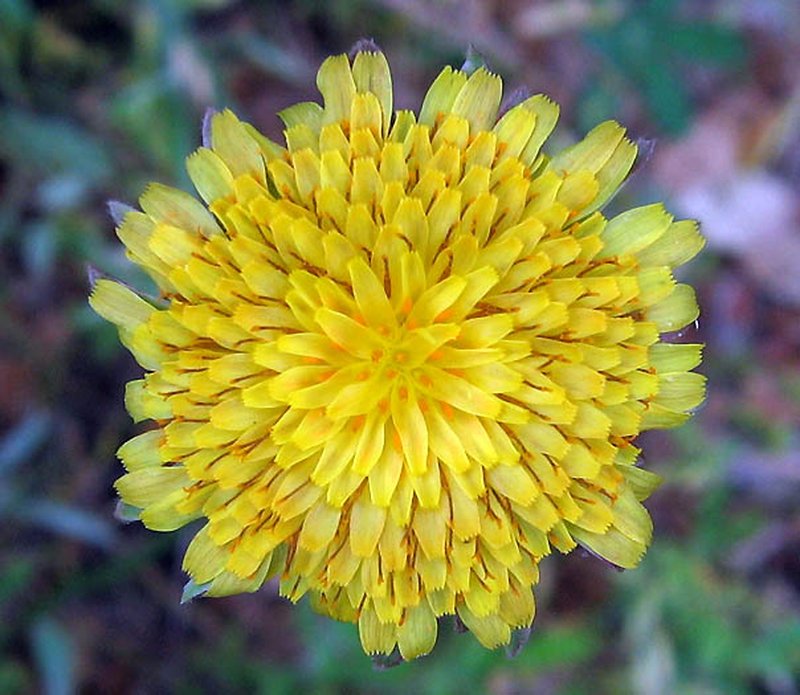
Anthony Valois and the National Park Service
Taxonomy
- Division:
- Magnoliophyta | - Flowering plants
- Family:
- Asteraceae
- Genus:
- Agoseris
- Species:
- Agoseris grandiflora
- USDA Symbol:
- AGGR
Growth Characteristics
- Life Cycle:
- Perennial
- Growth Habit:
- Forb/herb
- Height:
- 90 cm
- Light Requirements:
- Full Sun
- Drought Tolerance:
- High
- Bloom Months:
- apr,may,jun,jul,aug
- Bloom Colors:
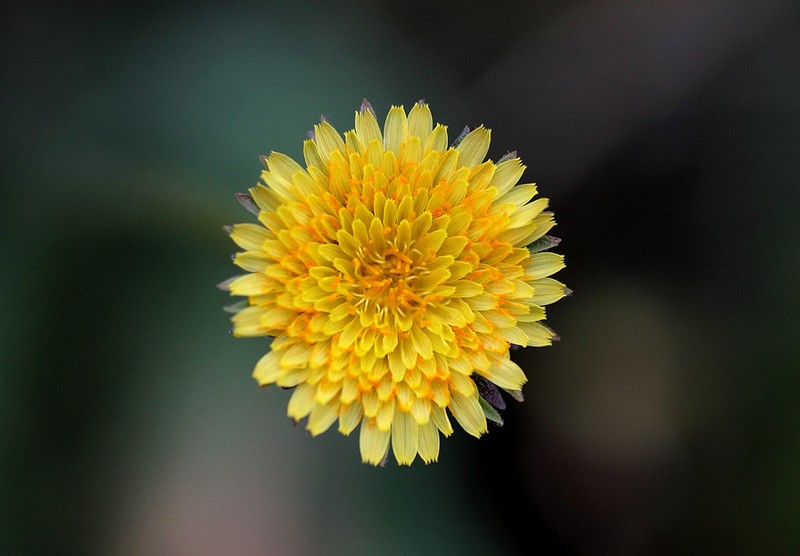
- yellow
Wildlife Benefits
- Bees:
- ★☆☆☆☆ Documented bee visitation (GBIF)
- Butterflies & Moths:
- ★☆☆☆☆ Documented Lepidoptera association (GBIF)
Garden & Ecology Notes
- Wildlife Value:
- butterflies, bees
Soil Requirements
- Soil Type:
- well-drained, sandy or rocky soil
- pH:
- 5.5 - 7.5 (slightly acidic to neutral)
- Drainage:
- excellent drainage required
- Moisture:
- dry to moderate
- Notes:
- native to open, dry habitats like grasslands and rocky slopes
Propagation & Germination
- Stratification:
- Cold/moist stratification required — 30–60 days
- Germination Time:
- 14–30 days
- Notes:
- Seeds germinate readily after cold stratification; surface sow on moist soil.
Pre-treatment: None required
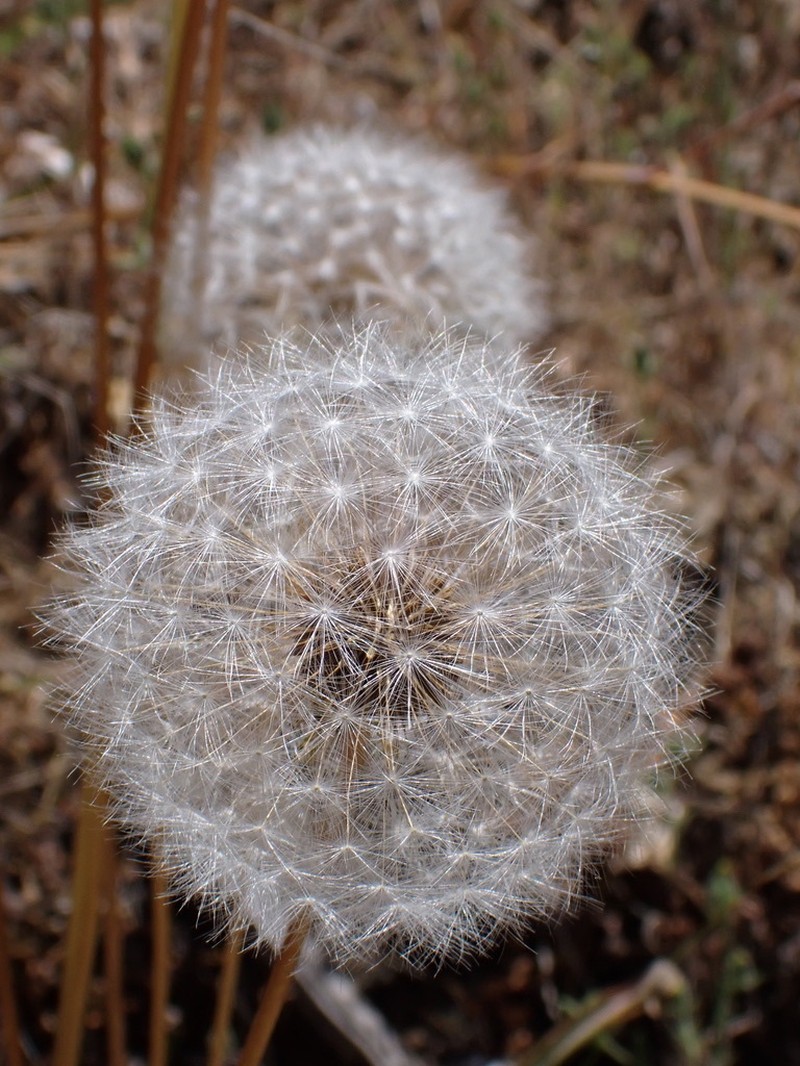
Establishment: Seeds are collected by cutting the inflorescence after the pappus has expanded. Seed is wind disseminated and shatters soon after ripening. Mature seed is easily removed from seed heads and placed directly into large paper bags, taking care to minimize dispersal into the wind. A small piece of No-Pest Strip is placed in each bag for 2-3 days to reduce insect predation. Seed is air dried in paper bags at room temperature. Agoseris grandiflora grows in many different habitats in Idaho, northern Nevada, northern Utah, western Montana, California, Oregon, Washington, and British Columbia.
Source: npn.rngr.net