
Annual Ragweed
Ambrosia artemisiifolia
- Native to:
- Canada, Prince Edward I., United States, Virgin Islands
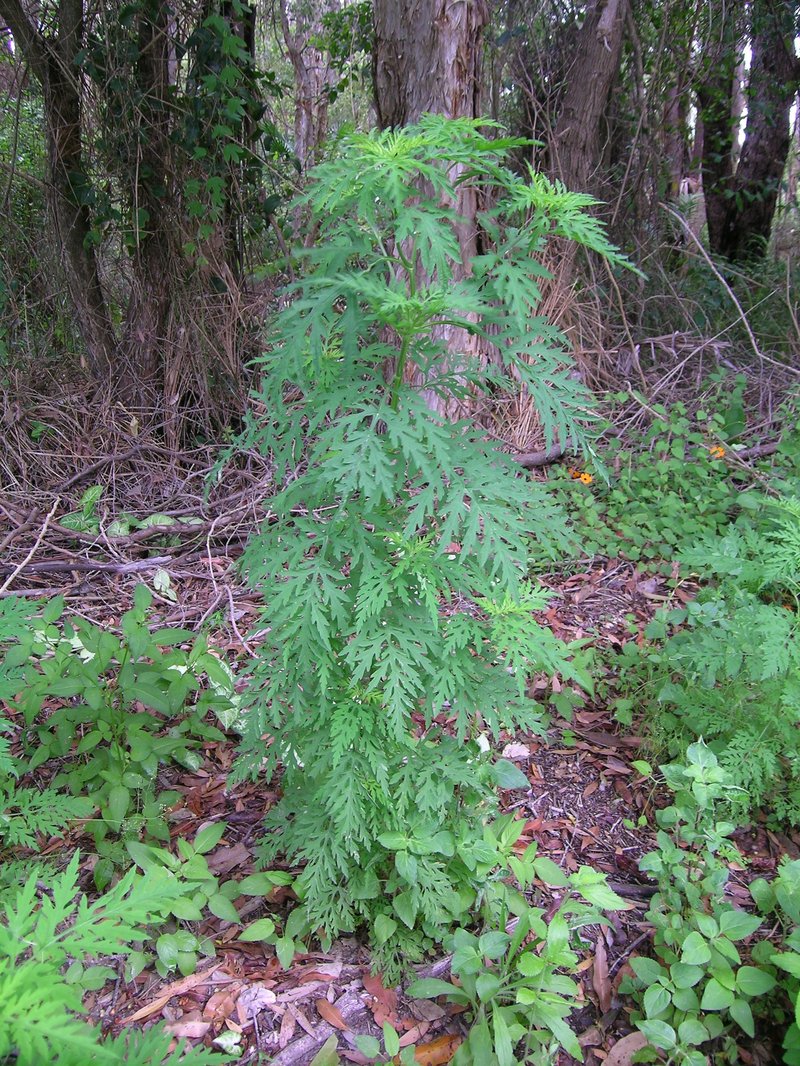
Marie Majaura
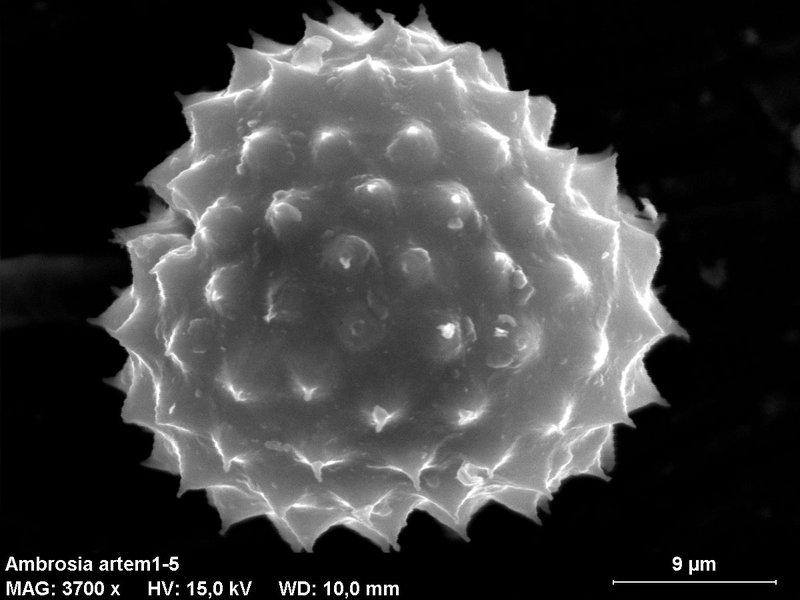
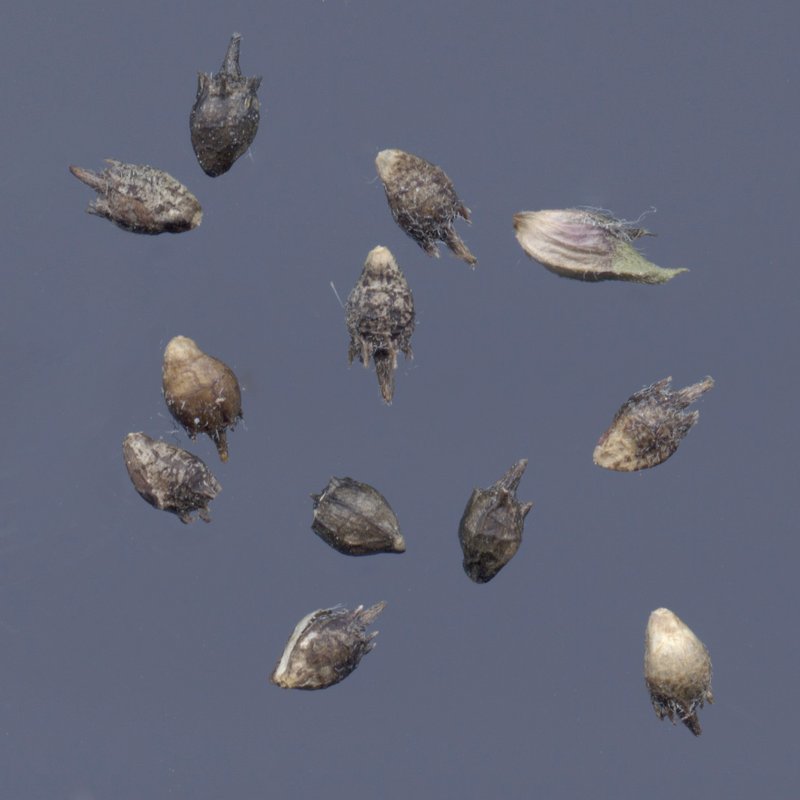
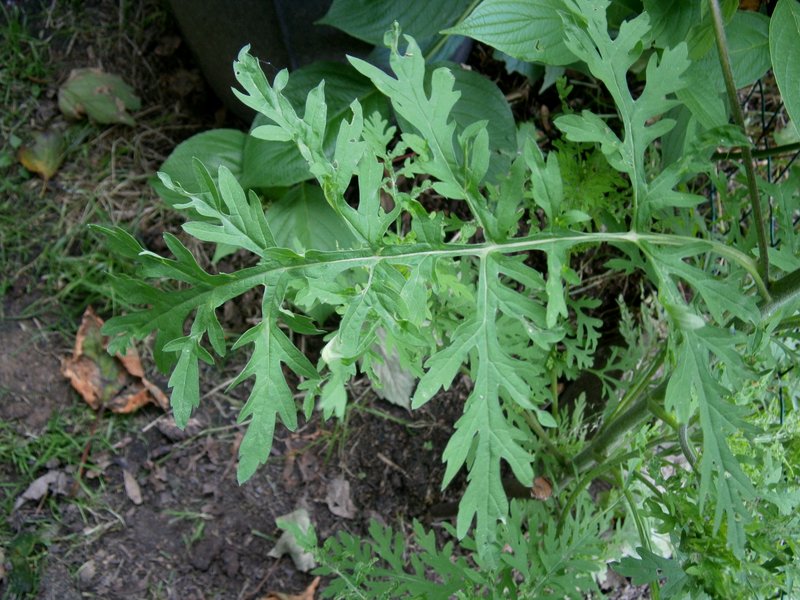
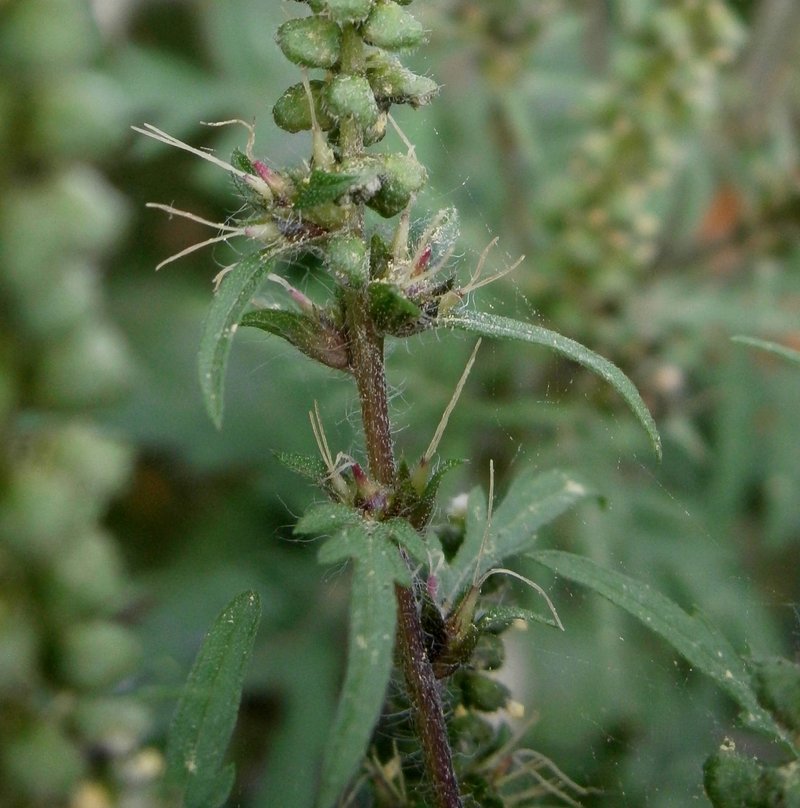
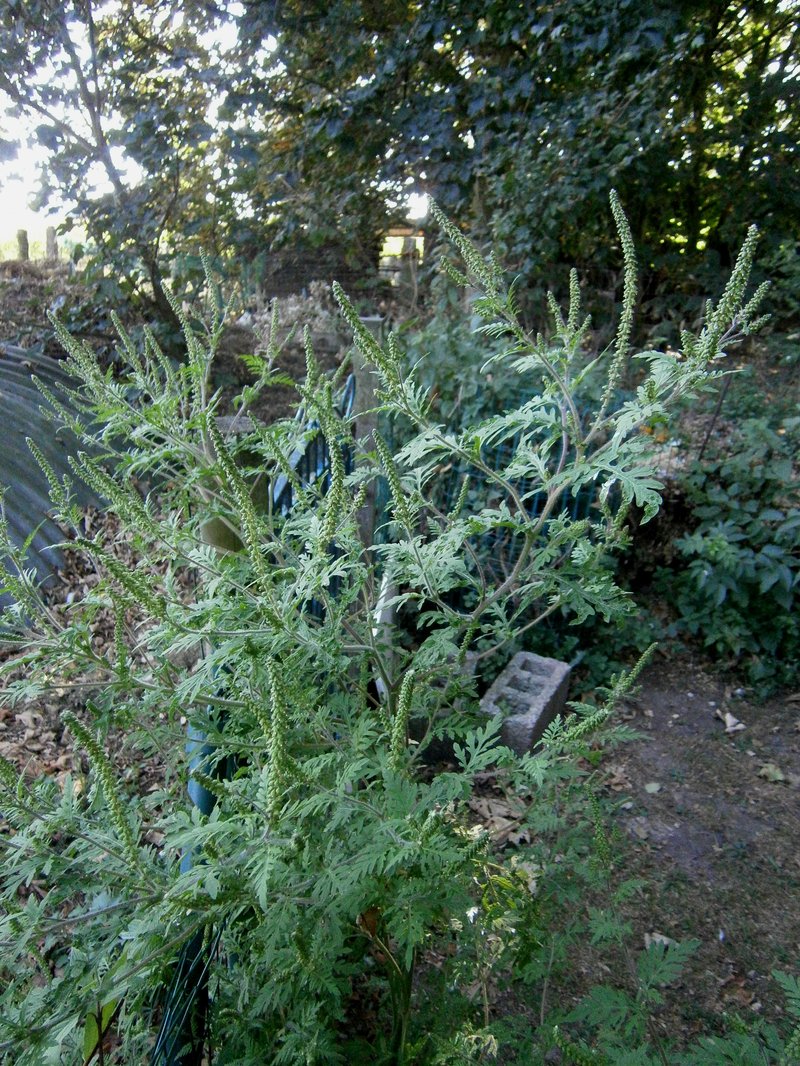
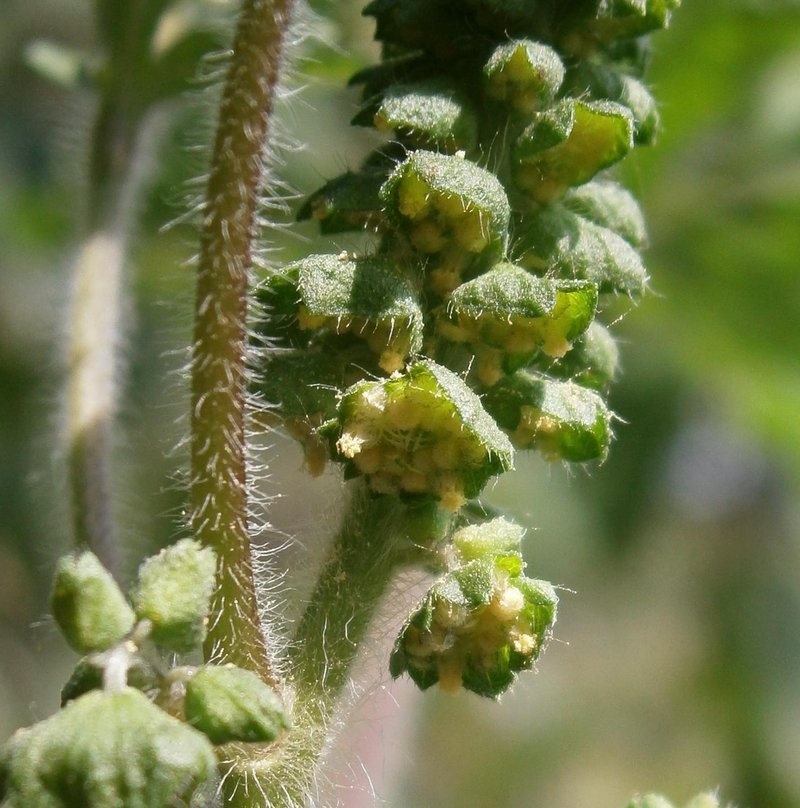
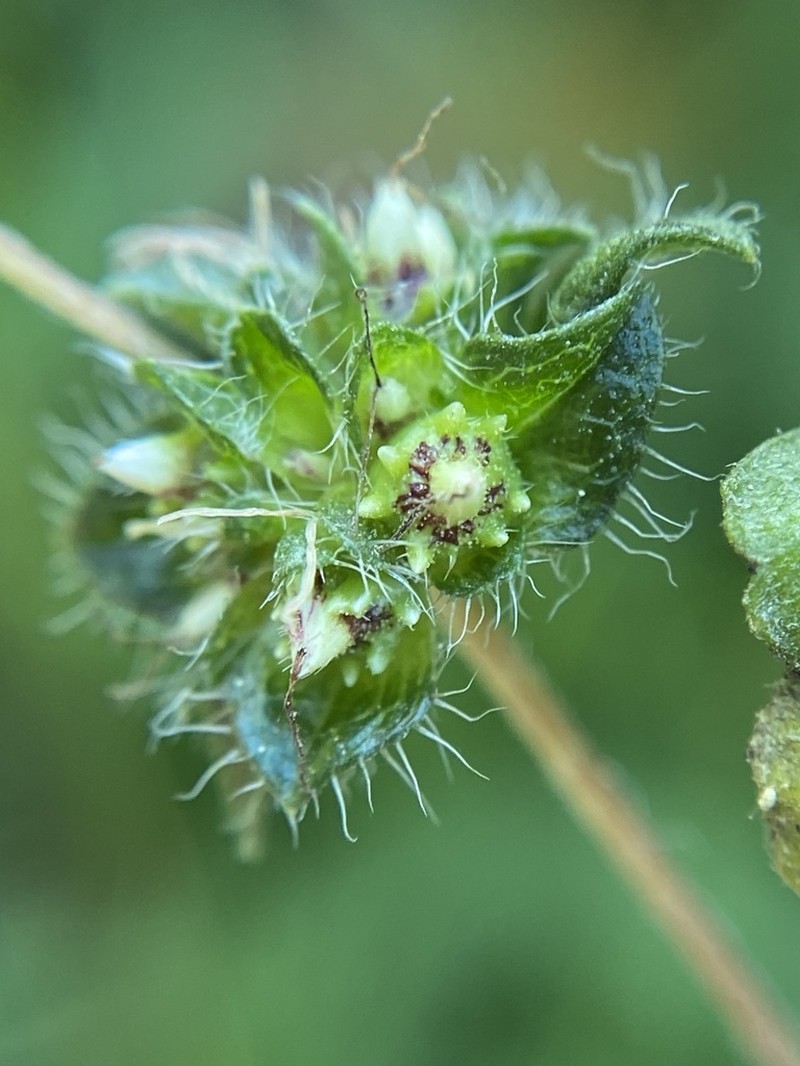
Taxonomy
- Division:
- Magnoliophyta | - Flowering plants
- Family:
- Asteraceae
- Genus:
- Ambrosia
- Species:
- Ambrosia artemisiifolia
- USDA Symbol:
- AMAR2
Growth Characteristics
- Life Cycle:
- Annual
- Growth Habit:
- Forb/herb
- Height:
- 150 cm
- Light Requirements:
- Full Sun,Part Shade,Shade
- Drought Tolerance:
- Medium
- Bloom Months:
- aug,sep,oct
- Bloom Colors:
- greenish-yellow
Wildlife Benefits
- Bees:
- ★★★☆☆ Documented bee visitation (GBIF)
- Butterflies & Moths:
- ★★★★★ Documented Lepidoptera association (GBIF)
- Caterpillars:
- ★★★☆☆ Recorded caterpillar host plant (HOSTS Database)
Host Plant for Caterpillars
ambrosia plume moth (Adaina ambrosiae), Bidens borer (Epiblema otiosana), Bucculatrix agnella, Bucculatrix ambrosiaefoliella, Cremastobombycia ambrosiella, Dichomeris juncidella, Dichomeris washingtoniella, Helcystogramma chambersella, Nevada buck moth (Hemileuca nevadensis), Oidaematophorus inquinatus, Ragweed Borer Moth (Epiblema strenuana), Rivulose Flower Moth (Schinia rivulosa), sparganothis fruitworm moth (Sparganothis sulfureana), stalk borer moth (Papaipema nebris), Tarachidia candefacta, Tarachidia erastrioides, Tischeria ambrosiaeella, Variegated cutworm (Peridroma saucia), Wavy-lined Emerald (Synchlora aerata), Bordered Patch (Chlosyne lacinia)
Garden & Ecology Notes
- Wildlife Value:
- birds, butterflies
- Deer Resistant:
- Yes
Soil Requirements
- Soil Type:
- poor, sandy, well-drained soil
- pH:
- 5.5 - 7.5 (slightly acidic to neutral)
- Drainage:
- excellent drainage required
- Moisture:
- dry to moderate
- Notes:
- commonly found in disturbed areas
Propagation & Germination
- Stratification:
- Cold/moist stratification required — 30–60 days
- Germination Time:
- 7–30 days
- Notes:
- Seeds germinate readily after cold stratification; light may enhance germination.