
Western Pearly Everlasting
Anaphalis margaritacea
- Native to:
- Canada, China, India, Japan, Korea, Kuril Is., Labrador, Mexico, Myanmar, Nepal, Pakistan, Prince Edward I., Russia, Sri Lanka, Taiwan, Thailand, United States, Vietnam, Virgin Islands
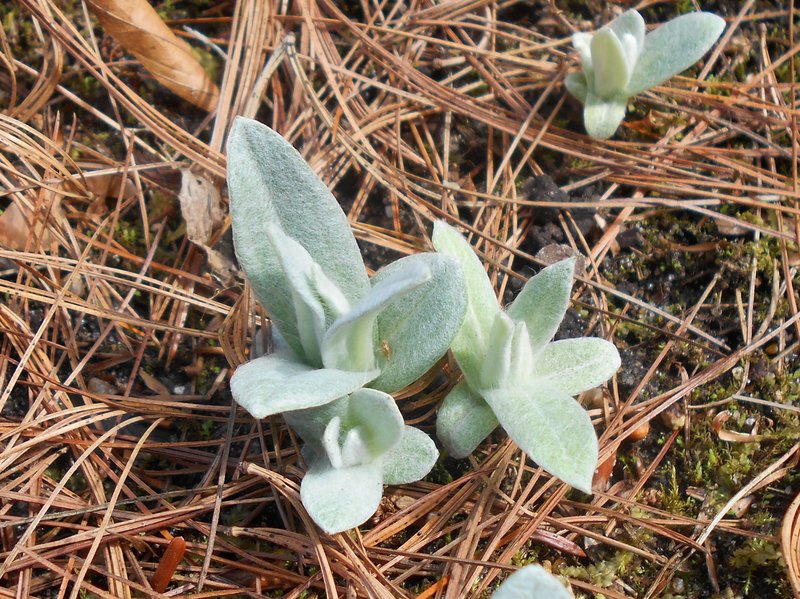
Salicyna
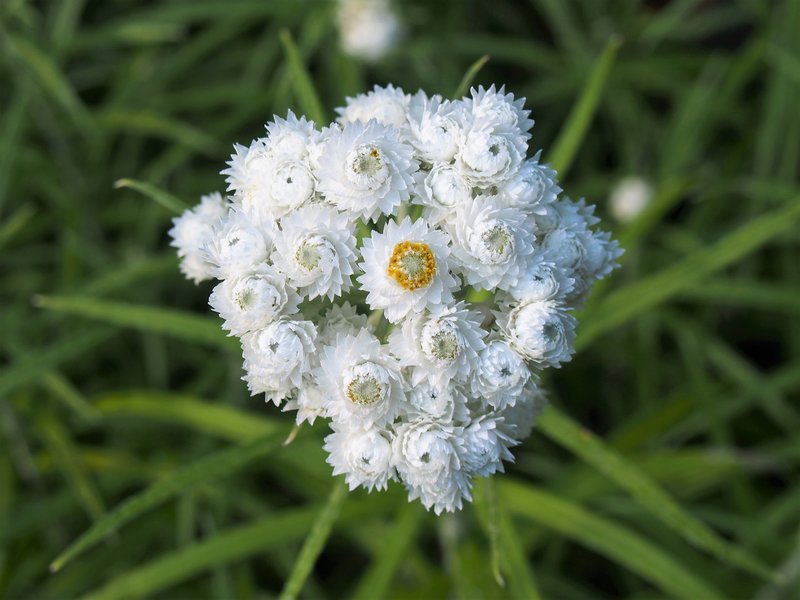
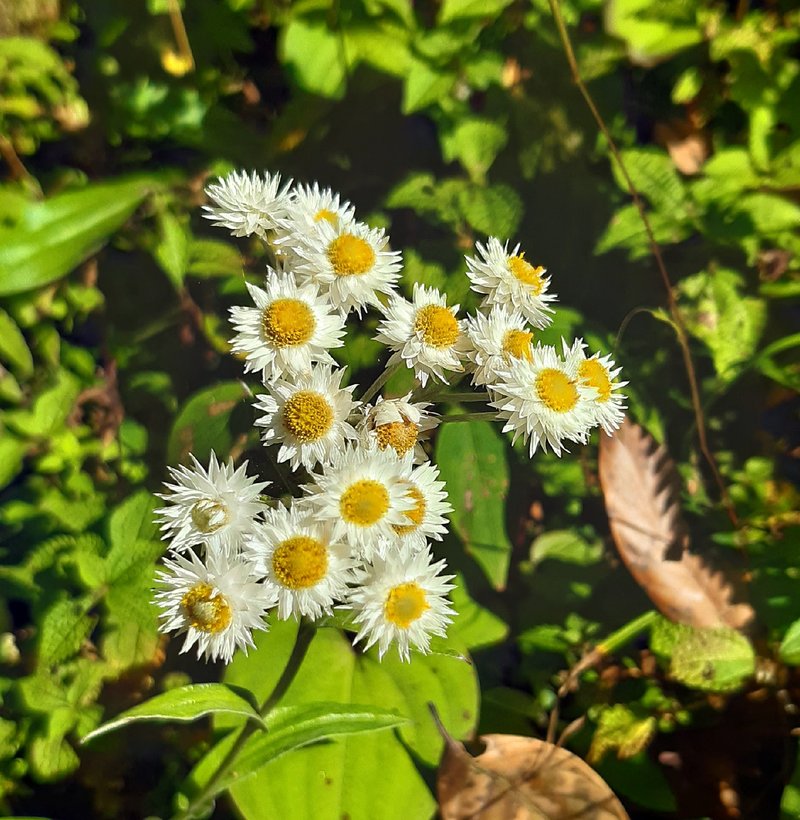
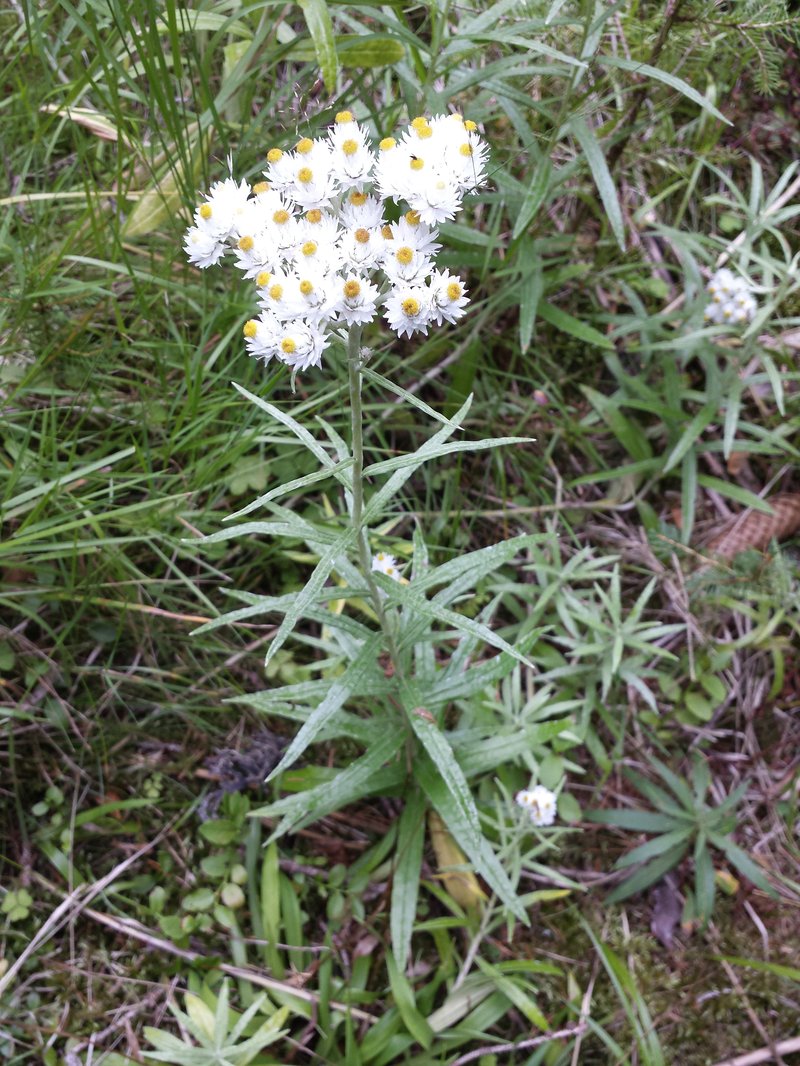
Taxonomy
- Division:
- Magnoliophyta | - Flowering plants
- Family:
- Asteraceae
- Genus:
- Anaphalis
- Species:
- Anaphalis margaritacea
- USDA Symbol:
- ANMA
Growth Characteristics
- Life Cycle:
- Perennial
- Growth Habit:
- Forb/herb
- Height:
- 90 cm
- Light Requirements:
- Full Sun,Part Shade
- Drought Tolerance:
- Medium
- Bloom Months:
- jun,jul,aug,sep
- Bloom Colors:
- white
Wildlife Benefits
- Bees:
- ★☆☆☆☆ Documented bee visitation (GBIF)
- Butterflies & Moths:
- ★★★☆☆ Documented Lepidoptera association (GBIF)
- Caterpillars:
- ★★★☆☆ Recorded caterpillar host plant (HOSTS Database)
Host Plant for Caterpillars
Reported Fauna Sightings
Garden & Ecology Notes
- Wildlife Value:
- butterflies, bees
- Deer Resistant:
- Yes
Soil Requirements
- Soil Type:
- sandy, well-drained, nutrient-poor soil
- pH:
- 5.5 - 7.0 (slightly acidic to neutral)
- Drainage:
- excellent drainage required
- Moisture:
- dry to moderate
- Notes:
- thrives in open, sunny locations
Propagation & Germination
- Stratification:
- Cold/moist stratification required — 30–60 days
- Germination Time:
- 14–30 days
- Notes:
- Seeds require cold stratification for 30-60 days; surface sow on moist soil and keep at 20°C.
Pre-treatment: Mix the seeds with an equal amount of moist perlite or vermiculite in a sealable plastic bag or container. Seal and put in a refrigerator or garage (35 to 42 degrees F) for 1-2 months. Cold store until planted (up to 3 years). Some protocols suggest no pre-treatment is needed.
Establishment: Germination rates and times may vary. Some protocols suggest a cold moist stratification pre-treatment, while others suggest no pre-treatment is needed. Seedlings are susceptible to damping-off but need frequent, light irrigations to avoid drying out. Some protocols suggest germination can be uneven with a second round of germination occurring much later.
Source: npn.rngr.net
ORGHPS Germination Guide: Sow @ 20C. Germinates within 3 months.
Where to Buy
Nationwide Seller
- Prairie Moon Nursery (nursery and seeds)
- Native Plants Nursery (nursery)
- Wild Seed Project (seeds)