
rosy pussytoes
Antennaria rosea
Also known as: rosy pussytoes
- Native to:
- Canada, Greenland, Labrador, United States
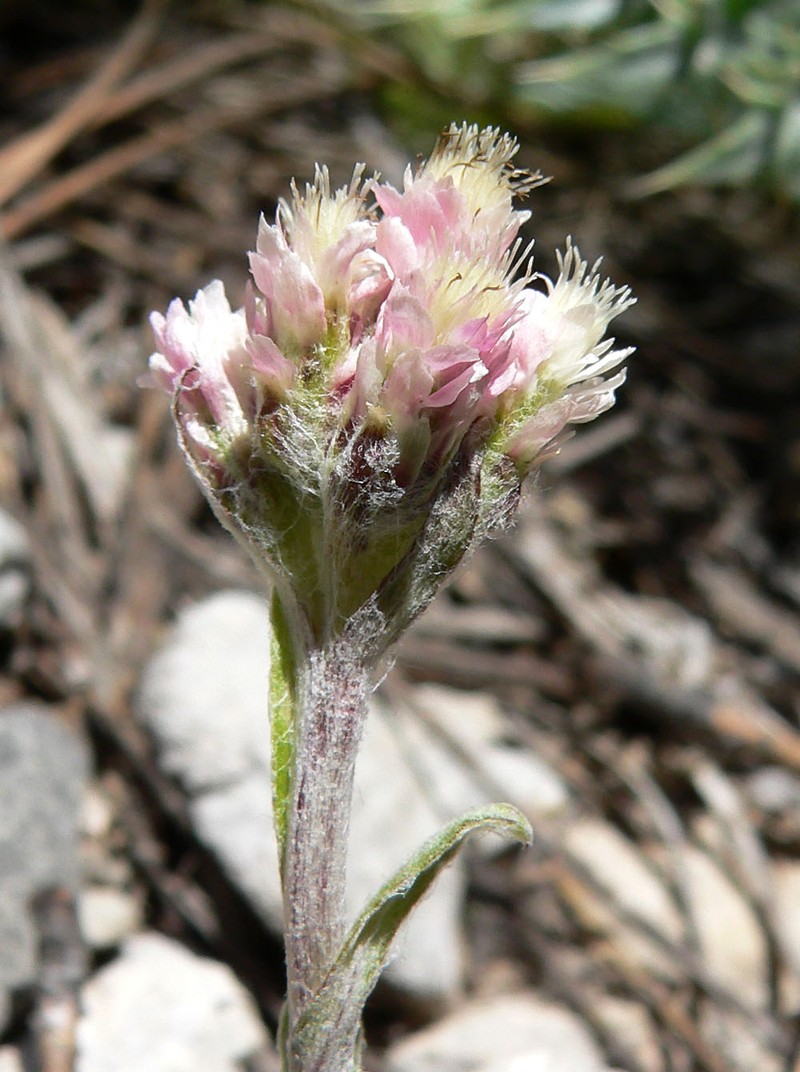
Stan Shebs
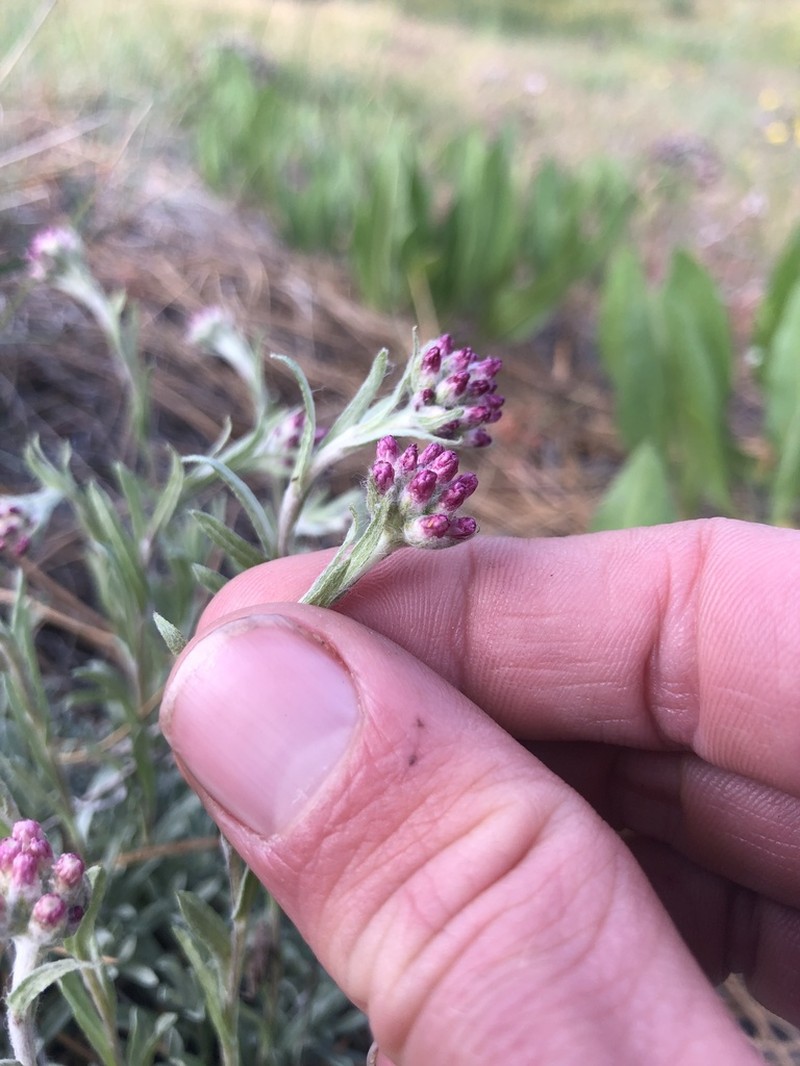
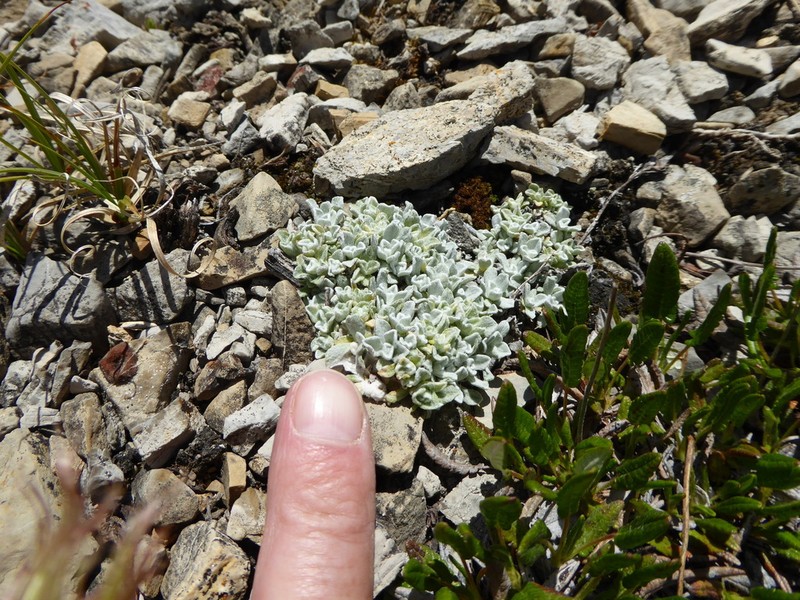
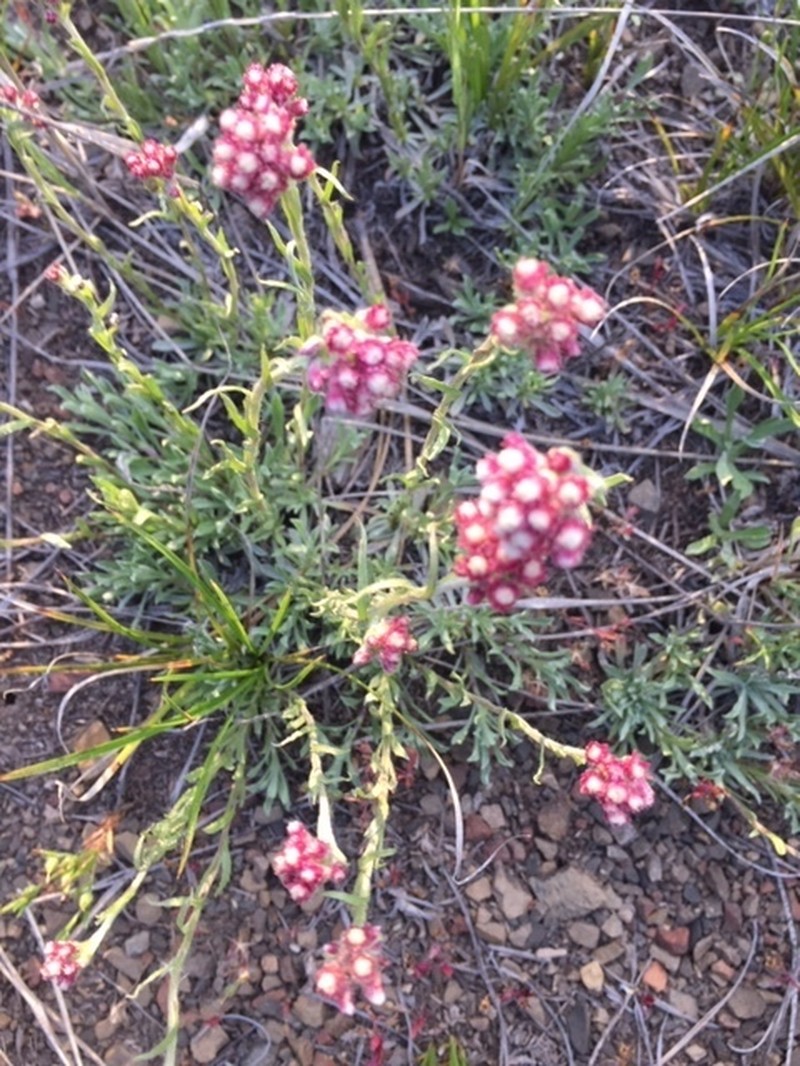
Taxonomy
- Division:
- Magnoliophyta | - Flowering plants
- Family:
- Asteraceae
- Genus:
- Antennaria
- Species:
- Antennaria rosea
- USDA Symbol:
- ANRO2
Growth Characteristics
- Life Cycle:
- Perennial
- Growth Habit:
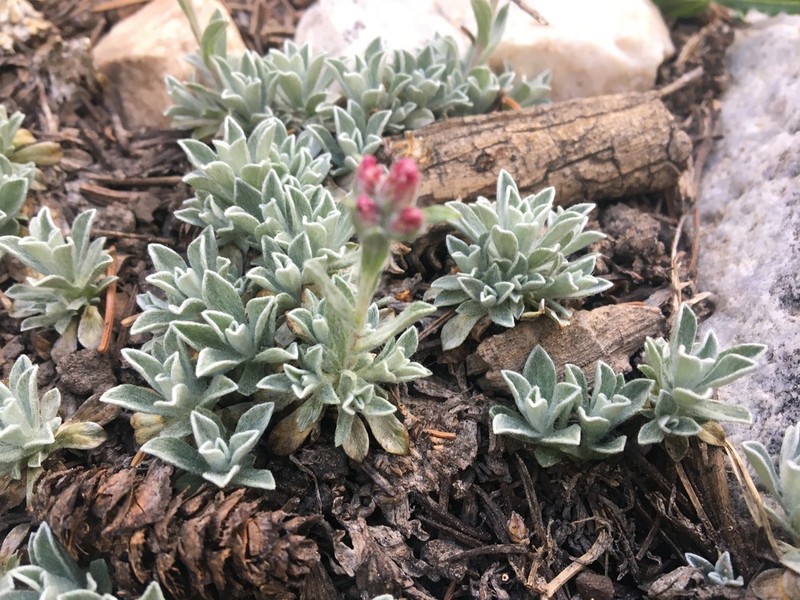
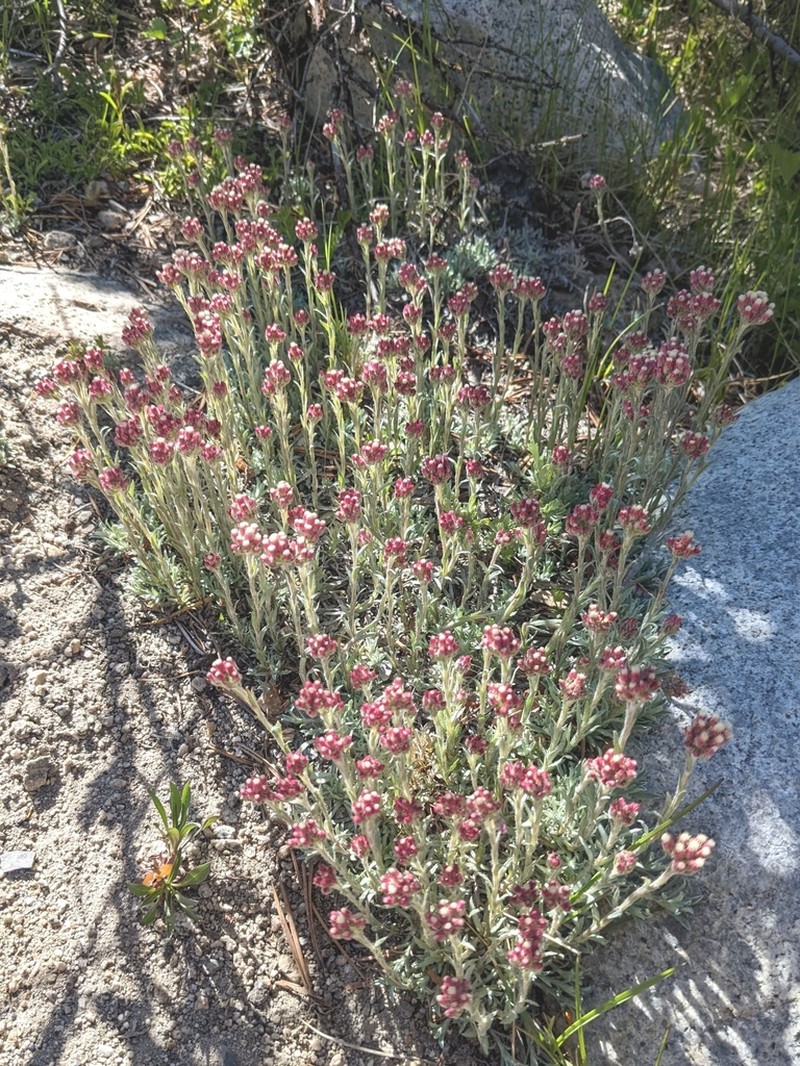
- Forb/herb
- Height:
- 30 cm
- Light Requirements:
- Full Sun
- Drought Tolerance:
- High
- Bloom Months:
- apr,may,jun,jul
- Bloom Colors:
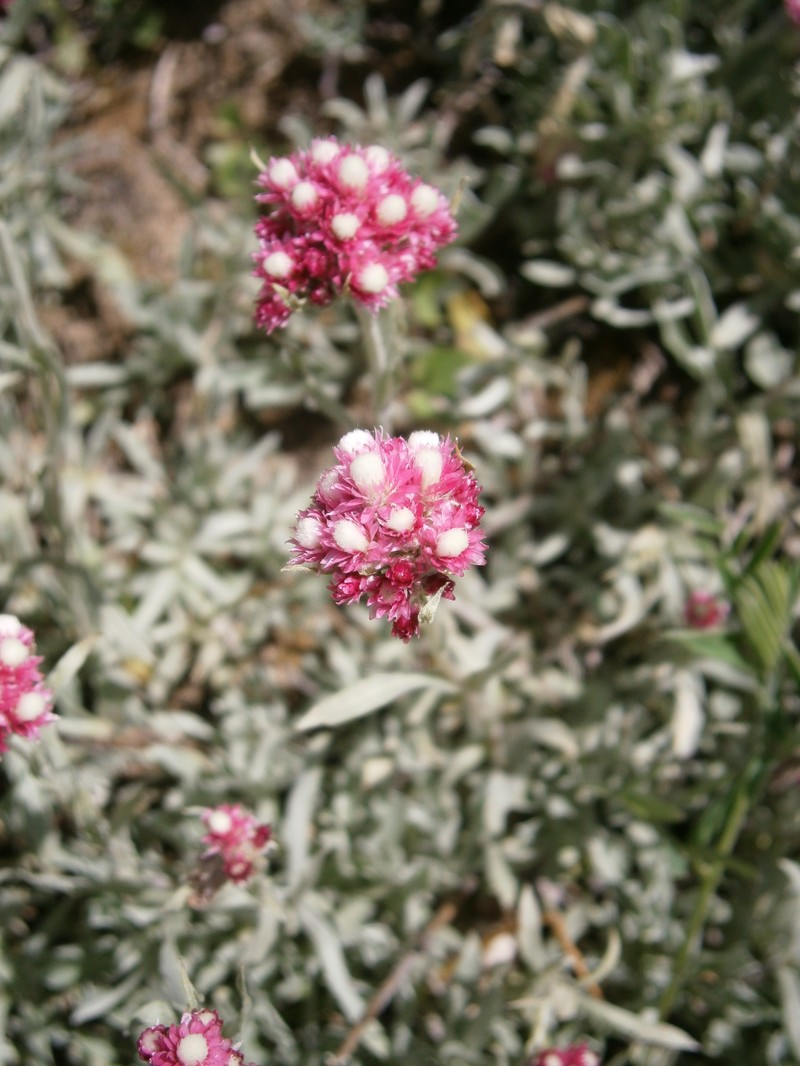
- pink, white
- Ground Cover:
- Yes
- Lawn Substitute:
- Yes
Wildlife Benefits
- Bees:
- ★☆☆☆☆ Documented bee visitation (GBIF)
- Butterflies & Moths:
- ★☆☆☆☆ Documented Lepidoptera association (GBIF)
Keystone Species Ranking
- Caterpillar Keystone:
- ★☆☆☆☆ Butterfly & moth species supported by this genus (NWF)
Garden & Ecology Notes
- Wildlife Value:
- butterflies, bees
- Deer Resistant:
- Yes
Soil Requirements
- Soil Type:
- sandy, well-drained, nutrient-poor soil
- pH:
- 5.5 - 7.5 (slightly acidic to neutral)
- Drainage:
- excellent drainage required
- Moisture:
- dry to moderate
- Notes:
- adapted to rocky and alpine environments
Propagation & Germination
- Stratification:
- Cold/moist stratification required — 30–60 days
- Germination Time:
- 14–30 days
- Notes:
- Seeds germinate best with cold stratification for 30-60 days; surface sow on well-drained medium.
Pre-treatment: No stratification is needed on dry stored seeds. Seeds are usually sown in the outdoor nursery in late fall and are subjected to a 5 month outdoor cold, moist stratification.
Establishment: Seeds are collected in late June to July when achenes are easily separated from receptacle. They are dark grey at maturity and collected in paper bags and kept in a well ventilated drying shed prior to cleaning. The establishment phase is not uniform.
Source: npn.rngr.net
ORGHPS Germination Guide: Sow @ 4C.