
Twin Arnica
Arnica sororia
Wallace Keck
Taxonomy
- Division:
- Magnoliophyta | - Flowering plants
- Family:
- Asteraceae
- Genus:
- Arnica
- Species:
- Arnica sororia
Growth Characteristics
- Life Cycle:
- Perennial
- Growth Habit:
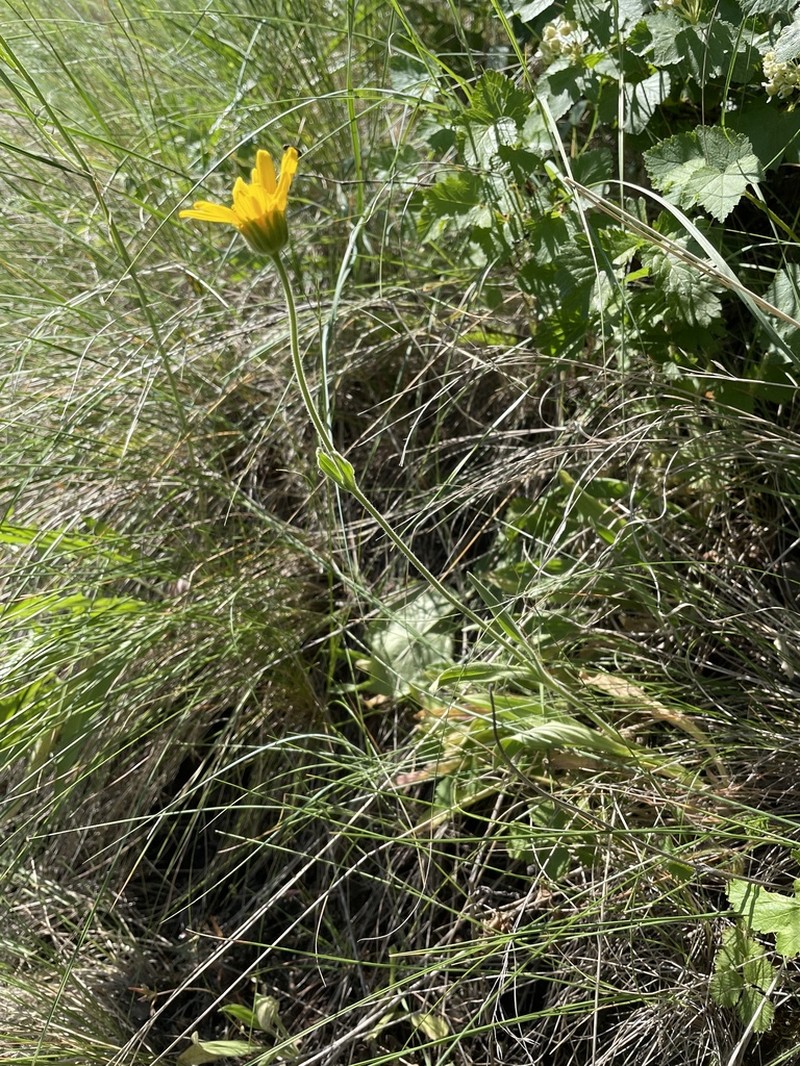
- Forb/herb
- Height:
- 60 cm
- Light Requirements:
- Full Sun
- Drought Tolerance:
- Medium
- Bloom Months:
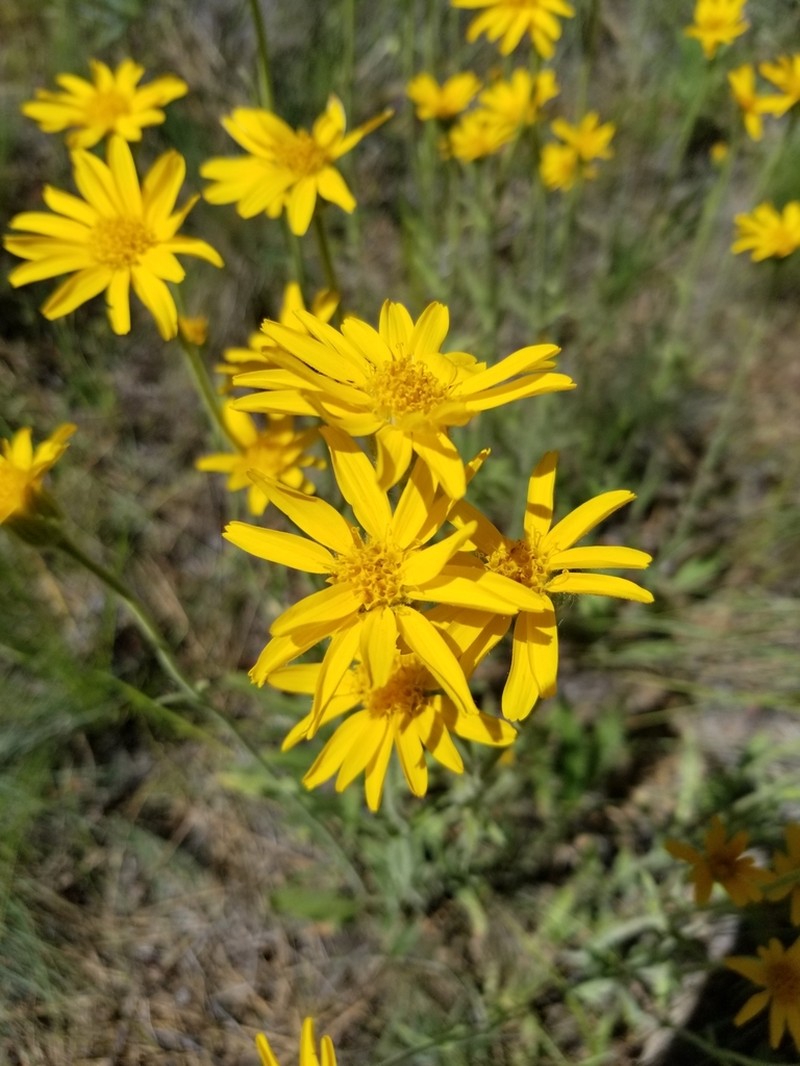
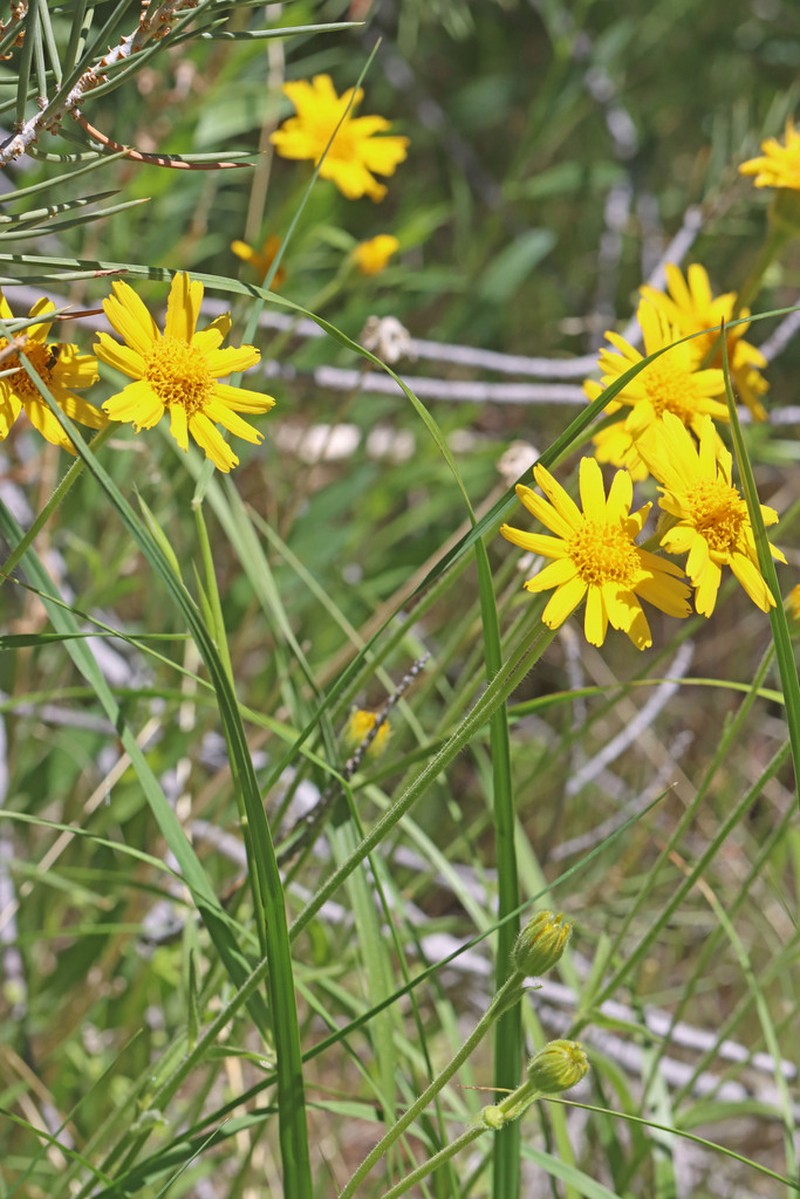
- jun,jul,aug
- Bloom Colors:
- yellow
Native Range
Canada, United States
Wildlife Benefits
- Bees:
- ★☆☆☆☆ Documented bee visitation (GBIF)
- Butterflies & Moths:
- ★☆☆☆☆ Documented Lepidoptera association (GBIF)
Garden & Ecology Notes
- Wildlife Value:
- bees, butterflies, small mammals
- Deer Resistant:
- Yes
Soil Requirements
- Soil Type:
- rocky, well-drained, nutrient-poor soil
- pH:
- 5.5 - 7.5 (slightly acidic to neutral)
- Drainage:
- excellent drainage required
- Moisture:
- dry to moderate
- Notes:
- native to mountainous regions, prefers open, sunny areas
Propagation & Germination
- Stratification:
- Cold/moist stratification required — 30–60 days
- Germination Time:
- 14–30 days
- Notes:
- Seeds require light for germination and benefit from cold moist stratification. Fresh seed germinates best.
Propagation data sourced from Claude AI
Pre-treatment: Seeds should be cold, moist stratified for 60-90 days at 37°F. Seeds that have been dry stored for a few months may not require a stratification treatment, although a short cold moist treatment will likely improve germination uniformity.
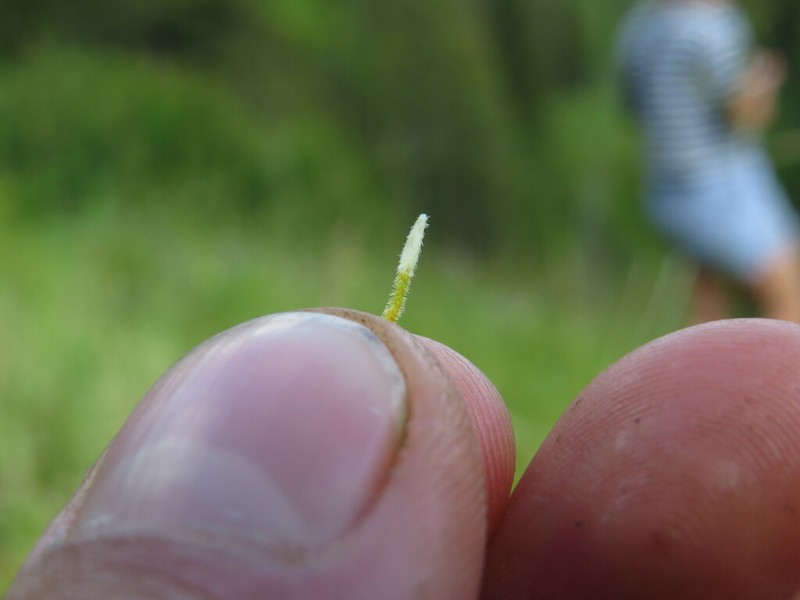
Establishment: Seed is collected when the pappus expands, usually in late July or early August. Seed is wind disseminated but does not blow away easily. The fruits are achenes that are dark brown and 4 to 6 mm long at maturity; with a pappus of white hairs at the apex. Seeds are usually mature by the end of July to early August and are quickly dispersed by wind.
Source: npn.rngr.net