
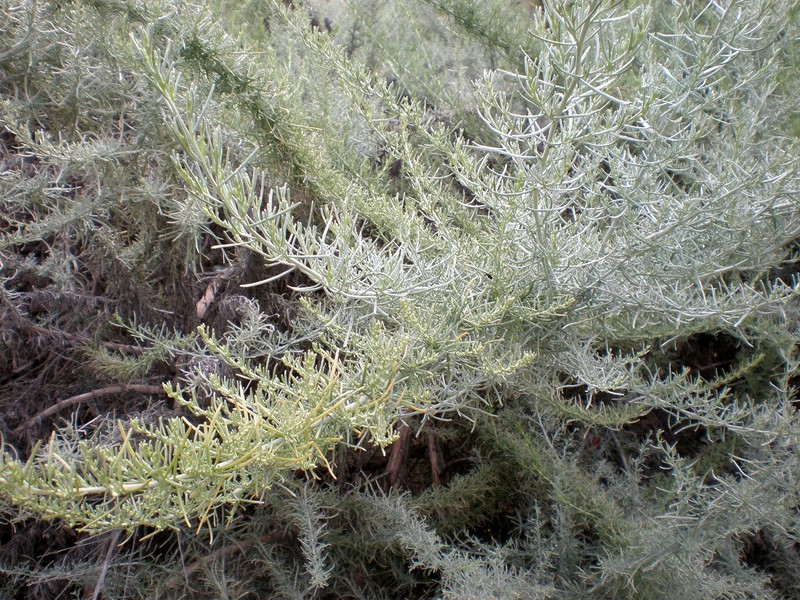
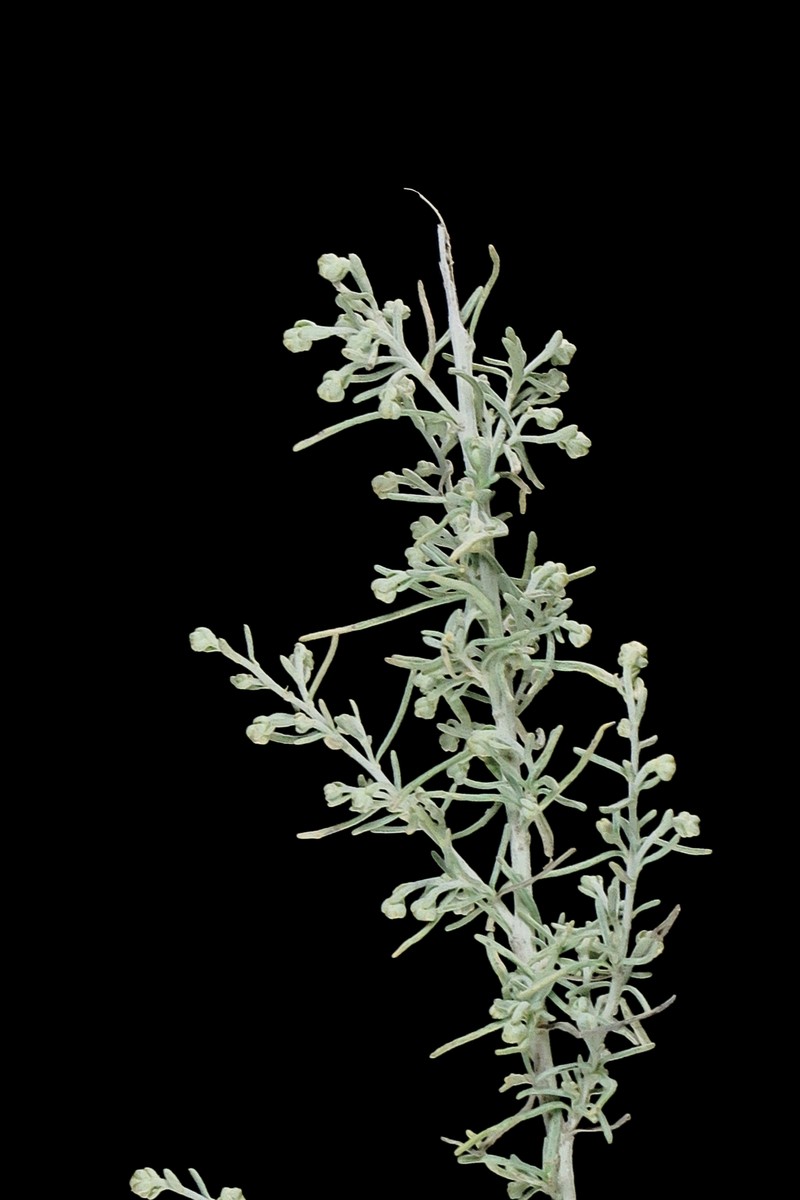
Coastal Sagebrush
Artemisia californica
- Native to:
- Mexico, United States
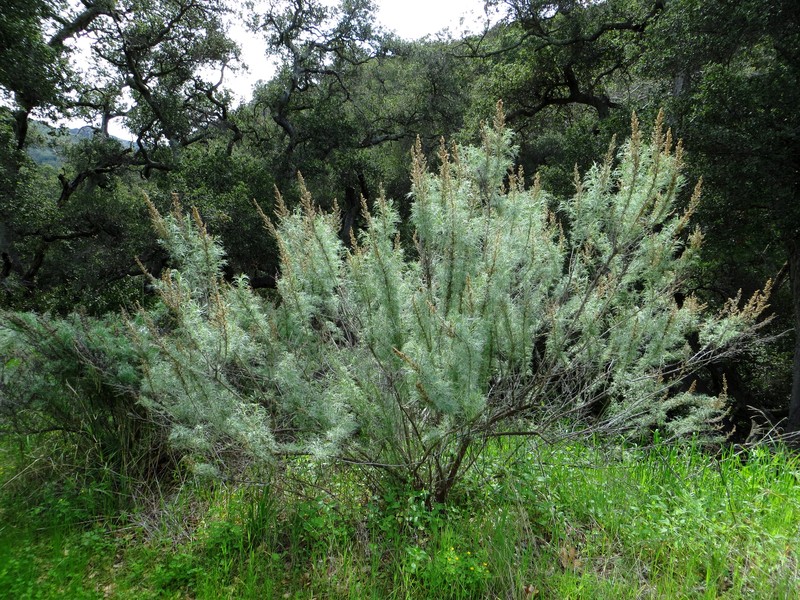
Antandrus (en.wikipedia.org) ( talk (en.wikipedia.org) ) ( Uploads (en.wikipedia.org) )
Taxonomy
- Division:
- Magnoliophyta | - Flowering plants
- Family:
- Asteraceae
- Genus:
- Artemisia
- Species:
- Artemisia californica
- USDA Symbol:
- ARCA11
Growth Characteristics
- Life Cycle:
- Perennial
- Growth Habit:
- Shrub
- Height:
- 150 cm
- Light Requirements:
- Full Sun
- Drought Tolerance:
- High
- Bloom Months:
- aug,sep,oct,nov
- Bloom Colors:
- yellow
- Evergreen Shrub:
- Yes
- Landscaping Shrub:
- Yes
Wildlife Benefits
- Bees:
- ★☆☆☆☆ Documented bee visitation (GBIF)
- Butterflies & Moths:
- ★★☆☆☆ Documented Lepidoptera association (GBIF)
- Caterpillars:
- ★★☆☆☆ Recorded caterpillar host plant (HOSTS Database)
Keystone Species Ranking
- Caterpillar Keystone:
- ★★★★☆ Butterfly & moth species supported by this genus (NWF)
Host Plant for Caterpillars
Garden & Ecology Notes
- Wildlife Value:
- birds, butterflies, small mammals
- Deer Resistant:
- Yes
- Salt Tolerant:
- Yes
- Fragrant:
- Yes
- Fire Ecology:
- Fire adapted — tolerates or benefits from fire
- Fire Notes:
- Resprouts from root crown after fire; seeds also germinate in post-fire conditions.
Soil Requirements
- Soil Type:
- sandy, well-drained, nutrient-poor soil
- pH:
- 6.0 - 8.0 (slightly acidic to neutral)
- Drainage:
- excellent drainage required
- Moisture:
- dry to moderate
- Notes:
- Thrives in coastal sage scrub environments
Propagation & Germination
- Stratification:
- Cold/moist stratification required — 30–60 days
- Germination Time:
- 14–30 days
- Notes:
- Seeds benefit from cold stratification for 30-60 days to break dormancy.
Pre-treatment: Seeds germinate at 23 C in light. Seed germination is stimulated by the presence of charred wood or aqueous extracts of it. 5% increase in germination as compared to control.
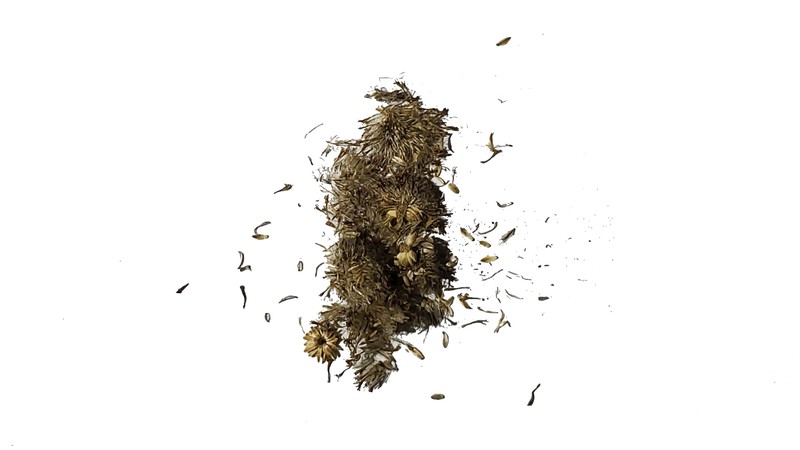
Establishment: Seeds are collected between October 1st and January 1st. Mature inflorescences are brown. Seed is light to dark brown at maturity. It is important to pull achenes out of seed head at time of collection to check for maturity. Seeds should not be green. A. californica is found on dry slopes and fans, below 900 meters elevation, in coastal scrub and strand communities; from Marin and Napa counties south to Lower California.
Source: npn.rngr.net