
Tarragon
Artemisia dracunculus
- Native to:
- Afghanistan, Baltic States, Belarus, Borneo, Canada, China, Gulf States, Hainan, India, Iran, Iraq, Japan, Jawa, Kazakhstan, Kirgizstan, Krym, Kuwait, Lebanon-Syria, Malaya, Mexico, Myanmar, Nepal, Netherlands, North Caucasus, Oman, Pakistan, Palestine, Philippines, Portugal, Russia, Saudi Arabia, Spain, Tadzhikistan, Taiwan, Transcaucasus, Türkiye, Turkmenistan, Ukraine, United States, Uzbekistan, Vietnam, Yemen
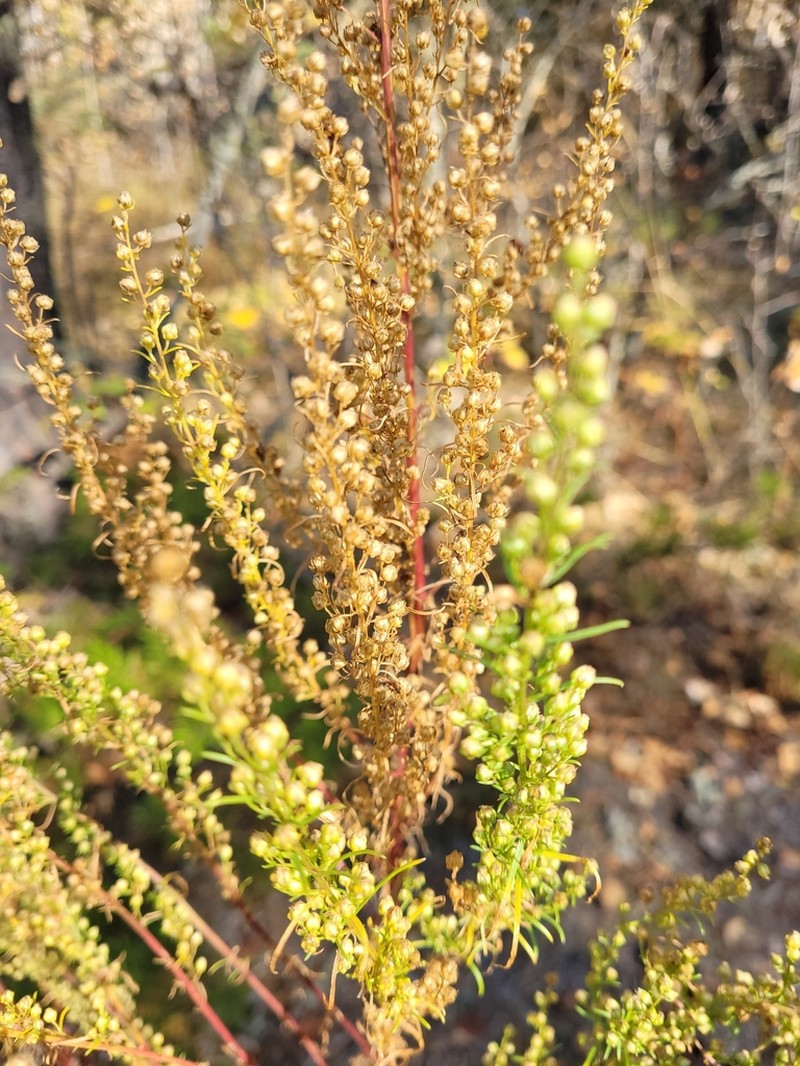
iNaturalist: © darrenkirby (iNaturalist #137579467)
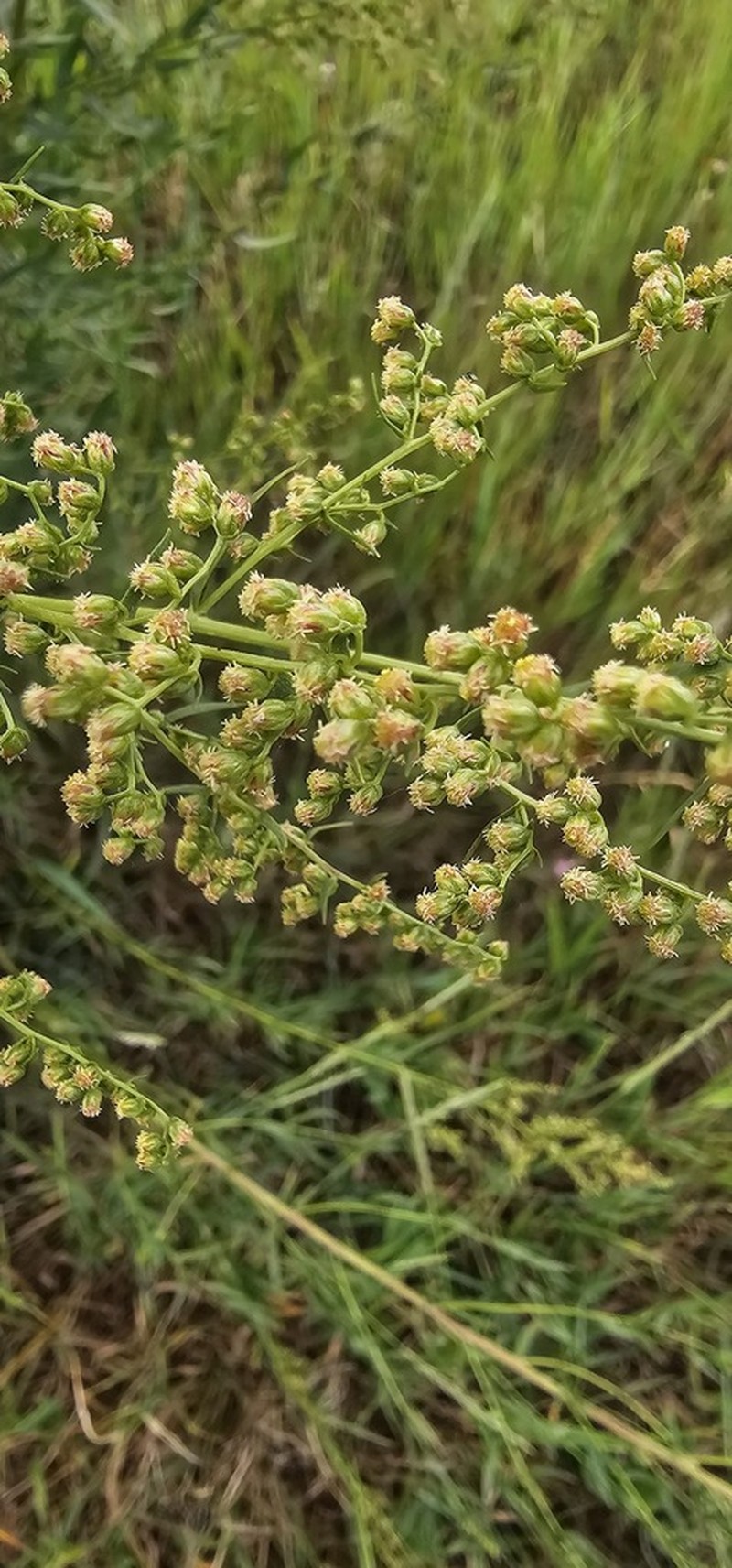
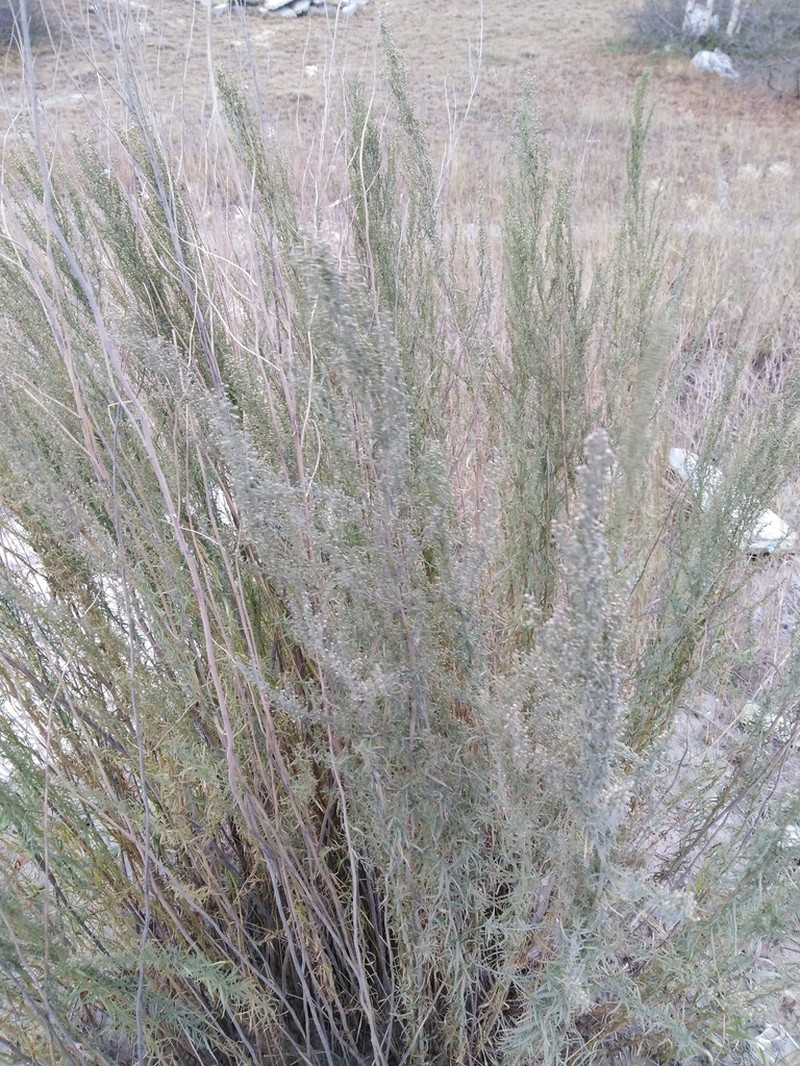
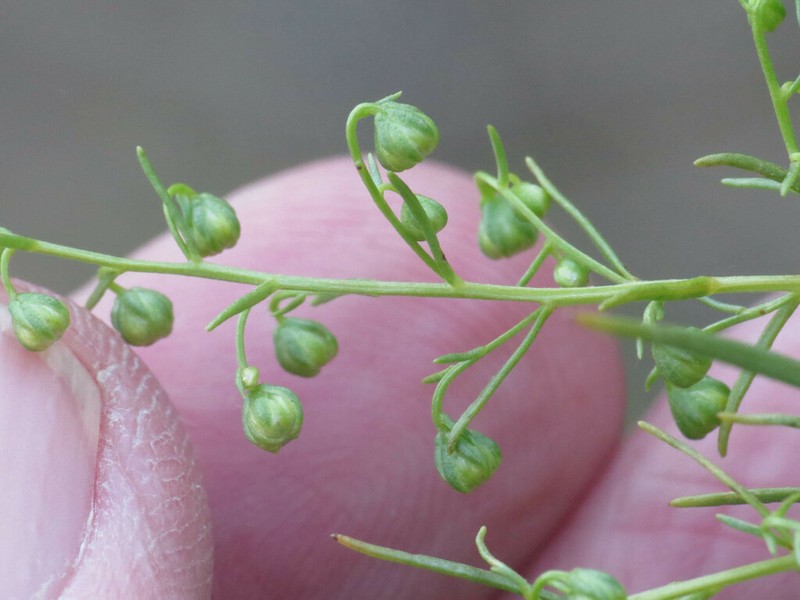
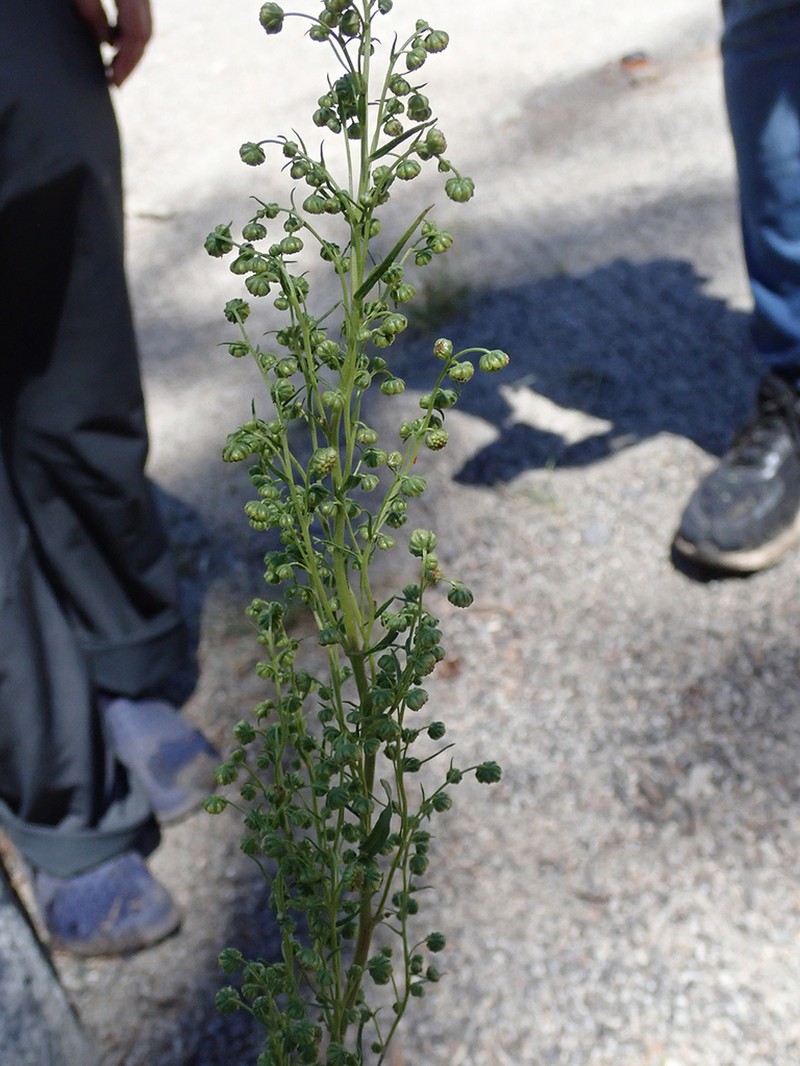
Taxonomy
- Division:
- Magnoliophyta | - Flowering plants
- Family:
- Asteraceae
- Genus:
- Artemisia
- Species:
- Artemisia dracunculus
- USDA Symbol:
- ARDR4
Growth Characteristics
- Life Cycle:
- Perennial
- Growth Habit:
- Forb/herb , Subshrub
- Height:
- 150 cm
- Light Requirements:
- Full Sun
- Drought Tolerance:
- High
- Bloom Months:
- jul,aug,sep
- Bloom Colors:
- yellow
Wildlife Benefits
- Bees:
- ★☆☆☆☆ Documented bee visitation (GBIF)
- Butterflies & Moths:
- ★★☆☆☆ Documented Lepidoptera association (GBIF)
- Caterpillars:
- ★★☆☆☆ Recorded caterpillar host plant (HOSTS Database)
Keystone Species Ranking
- Caterpillar Keystone:
- ★★★★☆ Butterfly & moth species supported by this genus (NWF)
Host Plant for Caterpillars
Bucculatrix leptalea, Depressaria artemisiae, Dune Noctuid (Euxoa cursoria), Epiblema benignata, Euxoa cana, Euxoa plagigera, nuchal sallow moth (Protoschinia nuchalis), Phaneta argenticostana, Phaneta montanana, Sparganothis striata, Old World Swallowtail (Papilio machaon), Papilio bairdii
Garden & Ecology Notes
- Wildlife Value:
- butterflies, bees
- Deer Resistant:
- Yes
- Fragrant:
- Yes
Soil Requirements
- Soil Type:
- well-drained, sandy or loamy soil
- pH:
- 6.0 - 7.5 (slightly acidic to neutral)
- Drainage:
- excellent drainage required
- Moisture:
- dry to moderate
- Notes:
- native to regions with dry, rocky soils
Propagation & Germination
- Stratification:
- Cold/moist stratification required — 14–30 days
- Germination Time:
- 14–28 days
- Notes:
- Seeds germinate best after cold stratification for 2-4 weeks; surface sow and keep moist.
Where to Buy
Nationwide Seller
- Sheffield's Seed (seeds)