
White Sagebrush
Artemisia ludoviciana
- Native to:
- Belize, Canada, El Salvador, Guam, Guatemala, Mexico, Prince Edward I., Virgin Islands
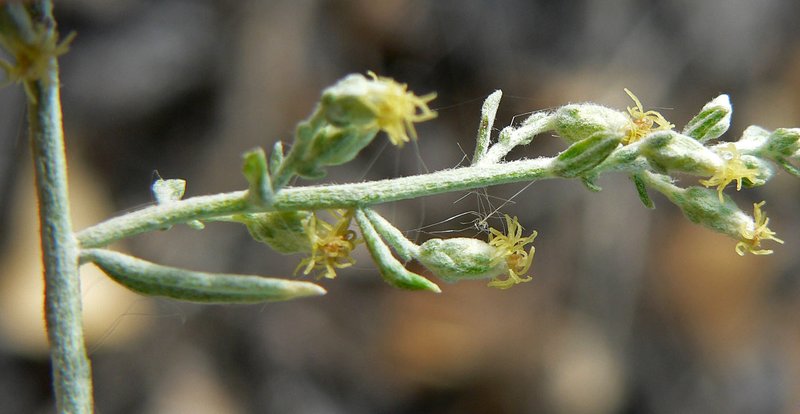
Stan Shebs
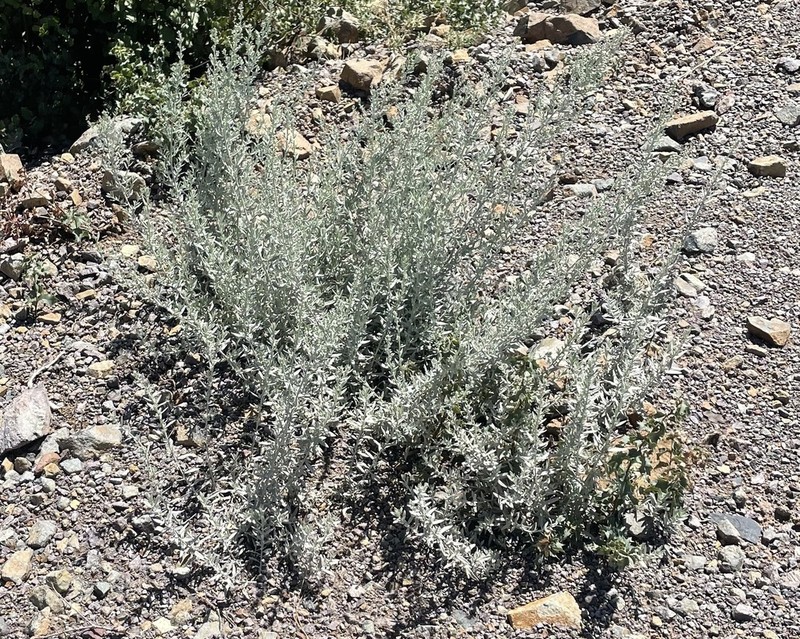
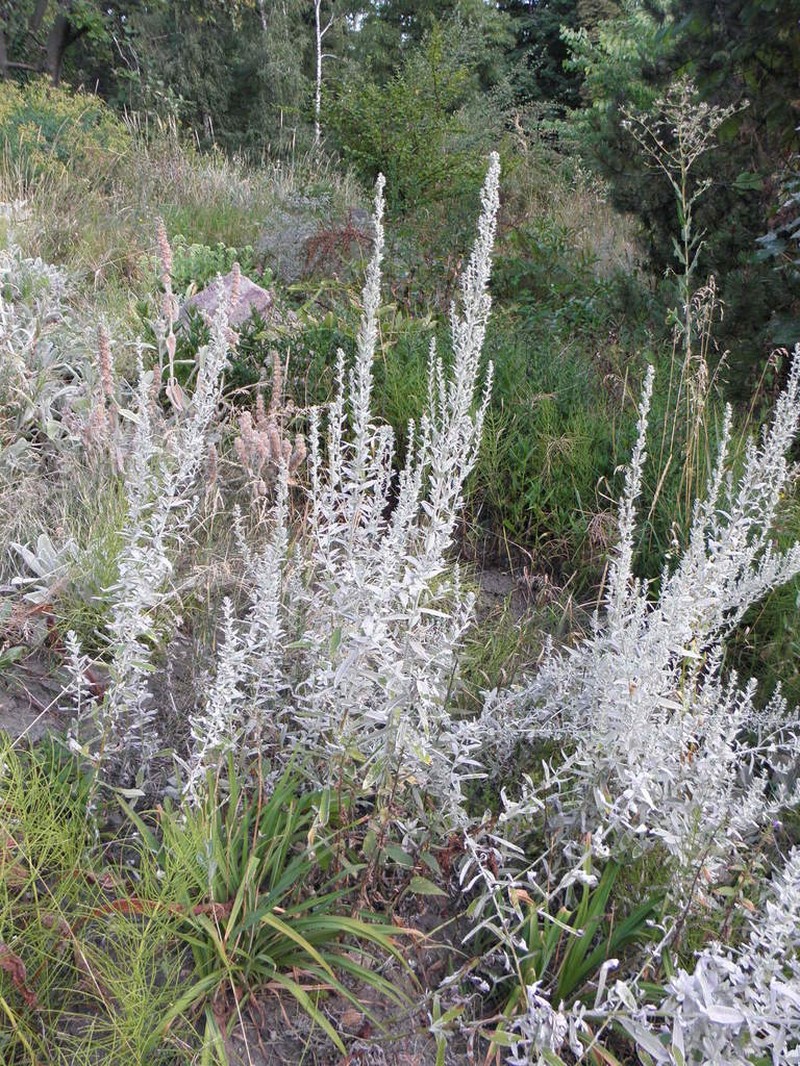
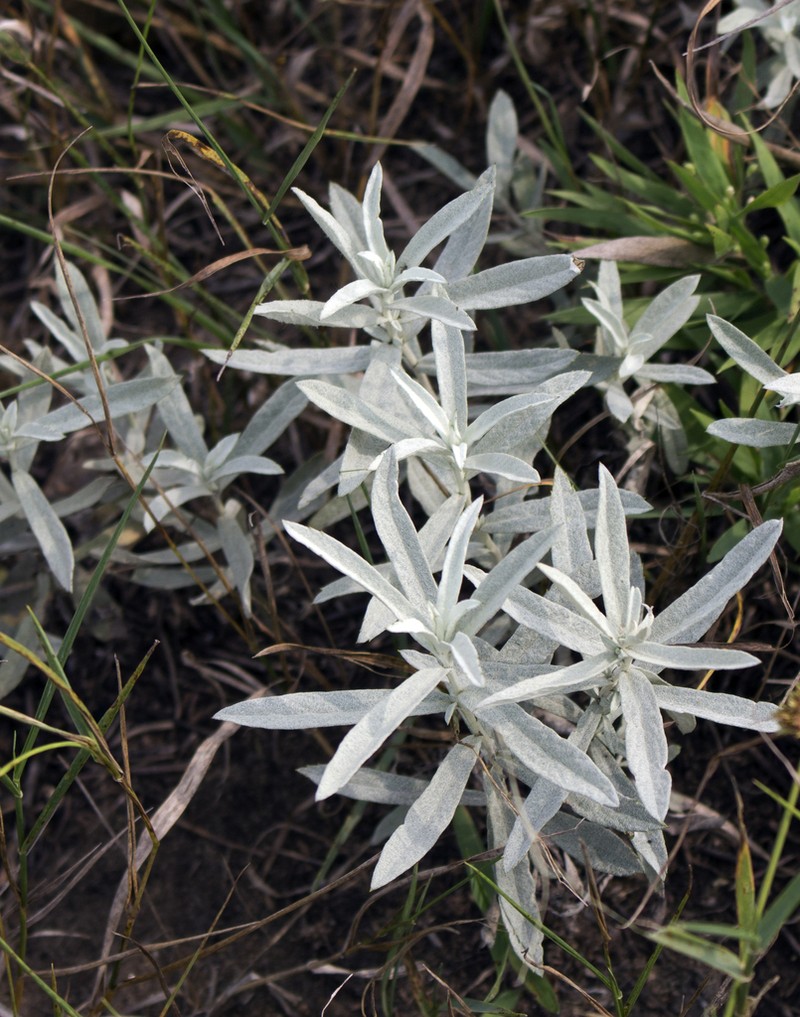
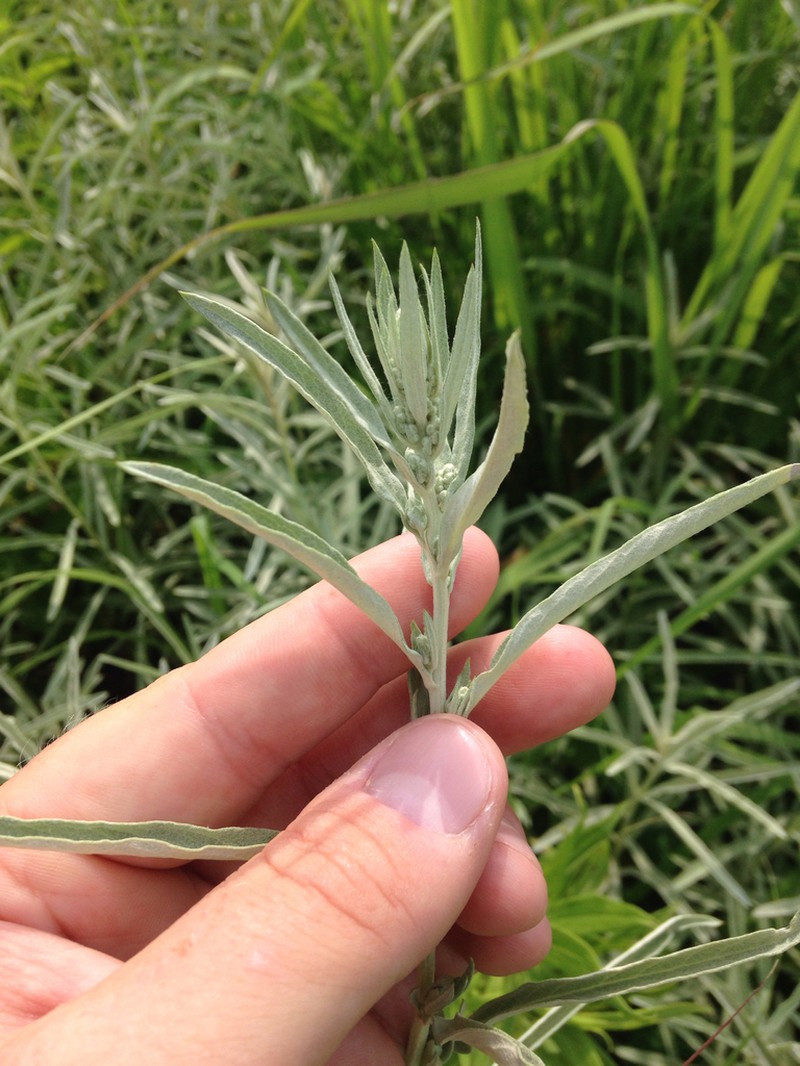
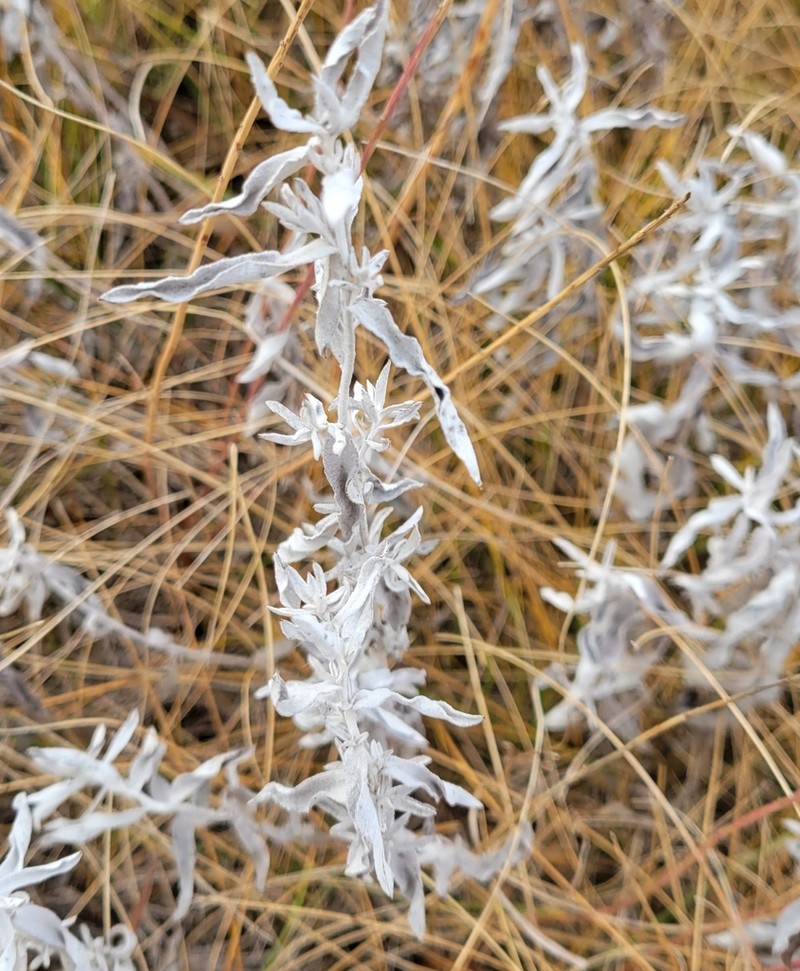
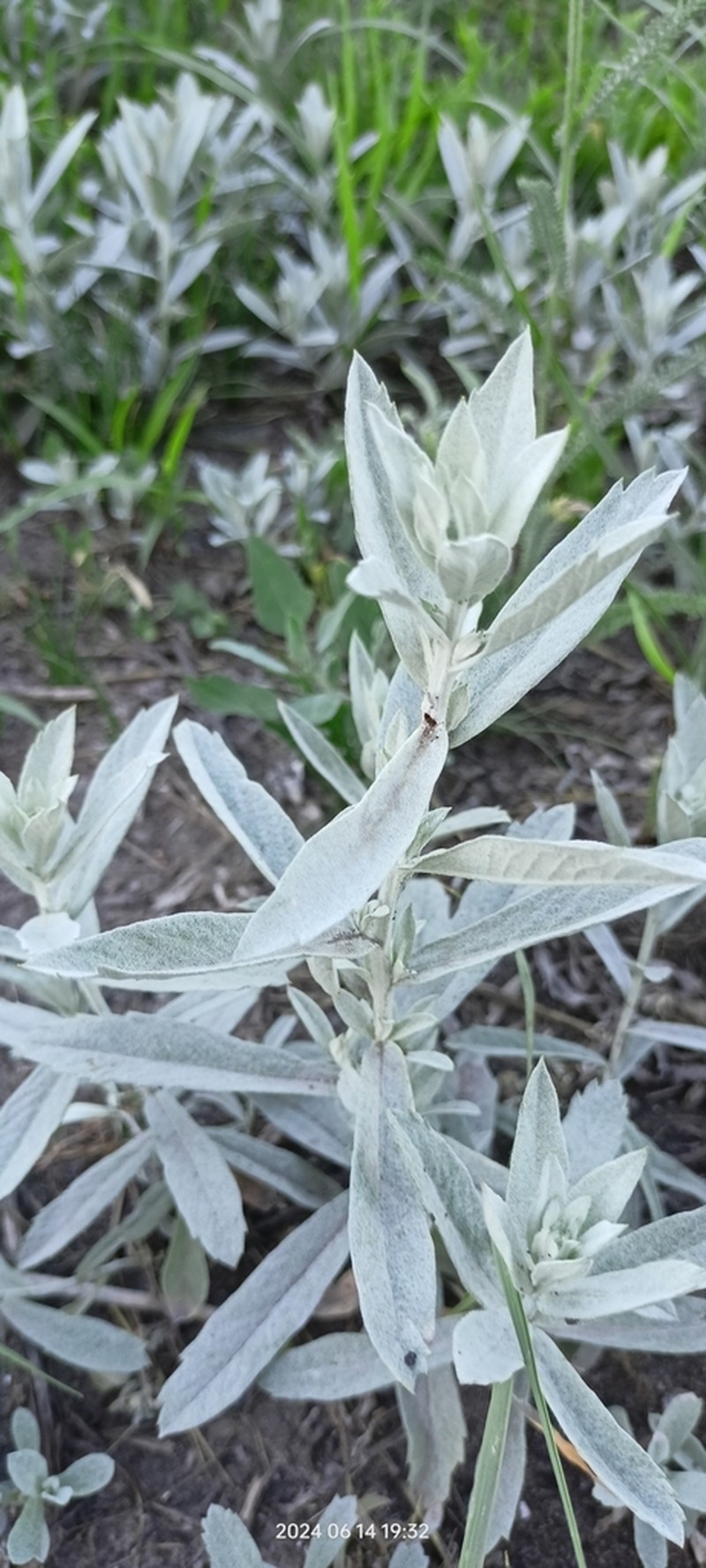
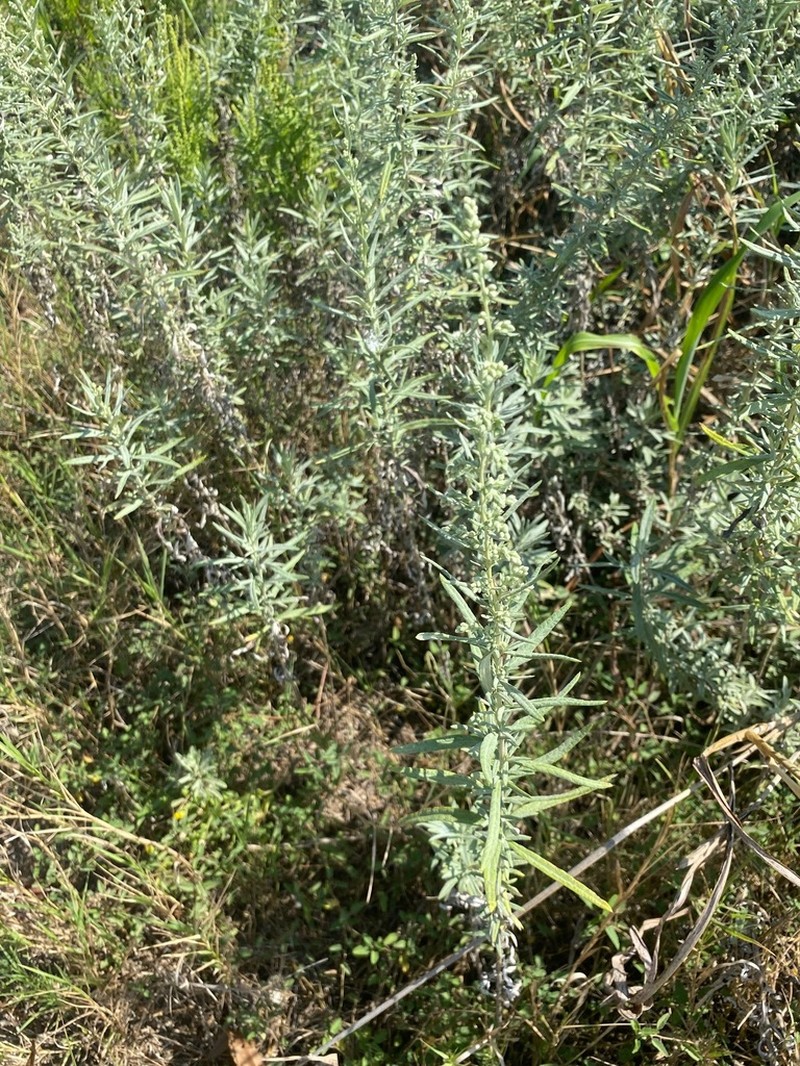
Taxonomy
- Division:
- Magnoliophyta | - Flowering plants
- Family:
- Asteraceae
- Genus:
- Artemisia
- Species:
- Artemisia ludoviciana
- USDA Symbol:
- ARLU
Growth Characteristics
- Life Cycle:
- Perennial
- Growth Habit:
- Forb/herb , Subshrub
- Height:
- 100 cm
- Light Requirements:
- Full Sun
- Drought Tolerance:
- High
- Bloom Months:
- aug,sep,oct
- Bloom Colors:
- yellow
Wildlife Benefits
- Butterflies & Moths:
- ★☆☆☆☆ Documented Lepidoptera association (GBIF)
- Caterpillars:
- ★☆☆☆☆ Recorded caterpillar host plant (HOSTS Database)
Keystone Species Ranking
- Caterpillar Keystone:
- ★★★★☆ Butterfly & moth species supported by this genus (NWF)
Host Plant for Caterpillars
Garden & Ecology Notes
- Wildlife Value:
- butterflies, birds
- Deer Resistant:
- Yes
- Fragrant:
- Yes
- Fire Ecology:
- Fire adapted — tolerates or benefits from fire
- Fire Notes:
- Resprouts from rhizomes after fire; benefits from occasional burning to reduce competition.
Soil Requirements
- Soil Type:
- poor, sandy, well-drained soil
- pH:
- 6.0 - 8.0 (slightly acidic to neutral)
- Drainage:
- excellent drainage required
- Moisture:
- dry to moderate
- Notes:
- commonly found in prairies and open woodlands
Propagation & Germination
- Stratification:
- Cold/moist stratification required — 30–60 days
- Germination Time:
- 14–30 days
- Notes:
- Seeds germinate readily after cold stratification; surface sow and keep moist.
Pre-treatment: Seeds require a cold, moist stratification. This can be achieved by placing seeds on moist paper towels, inserting them into an opened Zip-lock bag, and placing them in the refrigerator at 1 to 3 C for 60 to 90 days or a 14 day prechill at 3 to 5 C. Fall-sowing can also result in good seedling emergence after natural stratification.
Establishment: Seeds are hand collected from early October to early November when achenes turn brown and are easily removed from the disc. Seeds must be collected as soon as seeds ripen. Harvesting too early or too late often results in the collection of non-viable or aborted seeds. Collections should be spread evenly over a tarp to dry for 3 to 5 days. Seeds can also be hand-stripped at maturity, or larger amounts cut with hand sickle and collected into cloth seed bags.
Source: npn.rngr.net
Where to Buy
Nationwide Seller
- Native Seed Group (seeds)
- Native American Seed (nursery and seeds)
- Native Plants Nursery (nursery)
- Prairie Moon Nursery (nursery and seeds)