
Coastal Wormwood
Artemisia suksdorfii
- Native to:
- Canada, United States
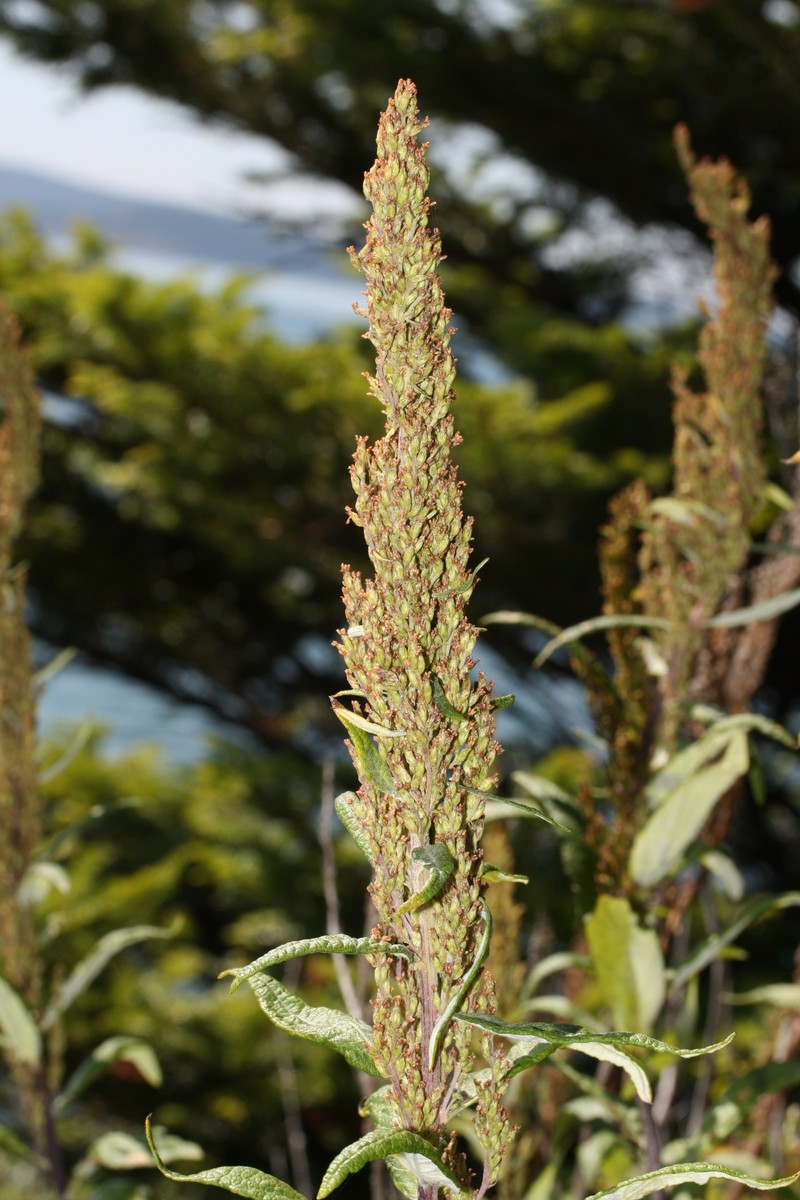
Walter Siegmund (talk)
Taxonomy
- Division:
- Magnoliophyta | - Flowering plants
- Family:
- Asteraceae
- Genus:
- Artemisia
- Species:
- Artemisia suksdorfii
- USDA Symbol:
- ARSU4
Growth Characteristics
- Life Cycle:
- Perennial
- Growth Habit:
- Forb/herb
- Height:
- 200 cm
- Light Requirements:
- Full Sun
- Drought Tolerance:
- Medium
- Bloom Months:
- aug,sep,oct
- Bloom Colors:
- yellow
Wildlife Benefits
- Bees:
- ★☆☆☆☆ Documented bee visitation (GBIF)
- Butterflies & Moths:
- ★☆☆☆☆ Documented Lepidoptera association (GBIF)
Keystone Species Ranking
- Caterpillar Keystone:
- ★★★★☆ Butterfly & moth species supported by this genus (NWF)
Garden & Ecology Notes
- Wildlife Value:
- butterflies, bees
- Deer Resistant:
- Yes
- Fragrant:
- Yes
Soil Requirements
- Soil Type:
- well-drained, sandy or gravelly soil
- pH:
- 6.0 - 7.5 (slightly acidic to neutral)
- Drainage:
- excellent drainage required
- Moisture:
- dry to moderate
- Notes:
- native to coastal regions; prefers open, sunny locations
Propagation & Germination
- Stratification:
- Cold/moist stratification required — 30–60 days
- Germination Time:
- 14–30 days
- Notes:
- Seeds germinate readily after cold stratification; surface sow on moist medium.
Pre-treatment: A 2 week treatment of cold/moist stratification may be beneficial, but not required
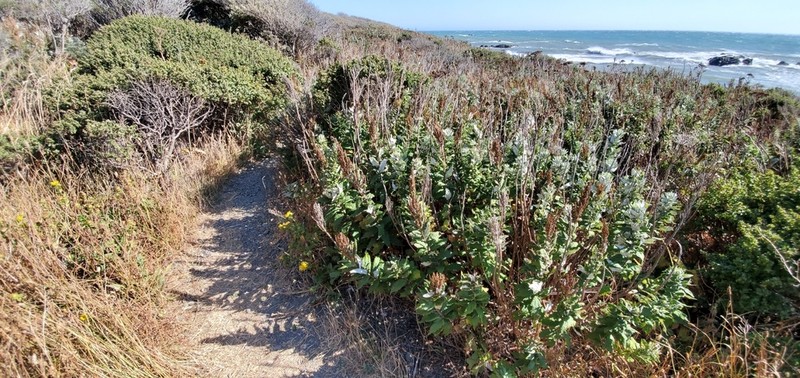
Establishment: This species holds onto its seeds when mature, but seeds are sometimes damaged by pests. It occurs near the coast in clay pockets on rocky shores, and to a lesser extent on the upper parts of sandy beaches. Its native range extends from southern British Columbia to California.
Source: npn.rngr.net