
Big Sagebrush
Artemisia tridentata
- Native to:
- Canada, Mexico, United States
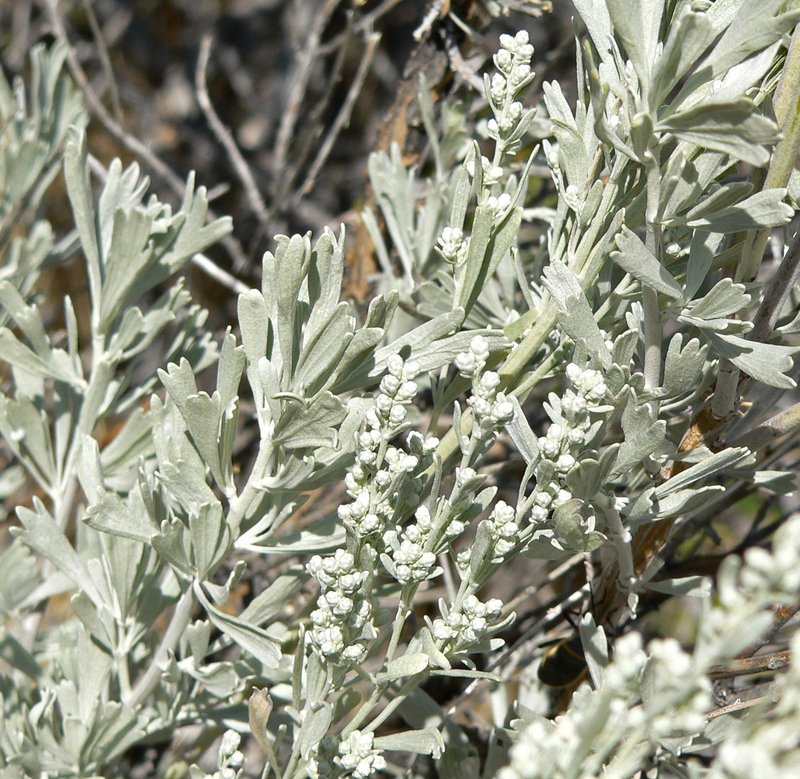
Stan Shebs
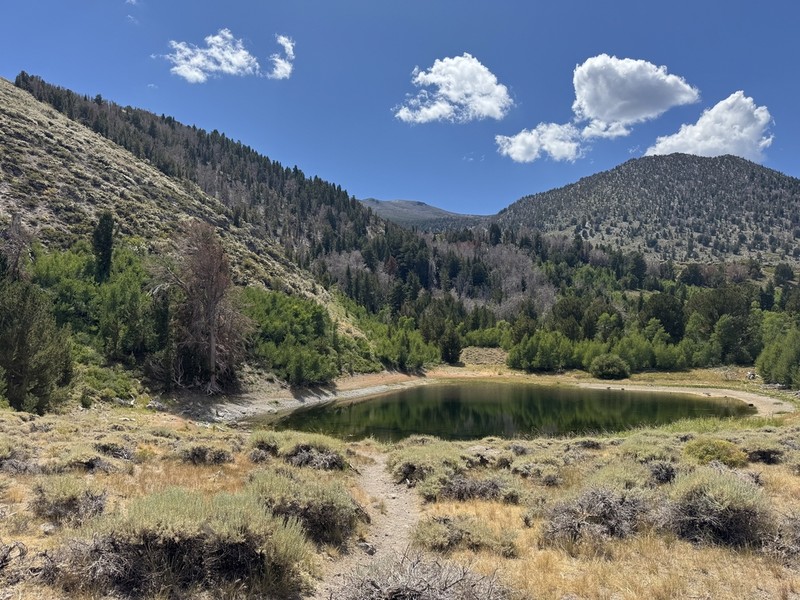
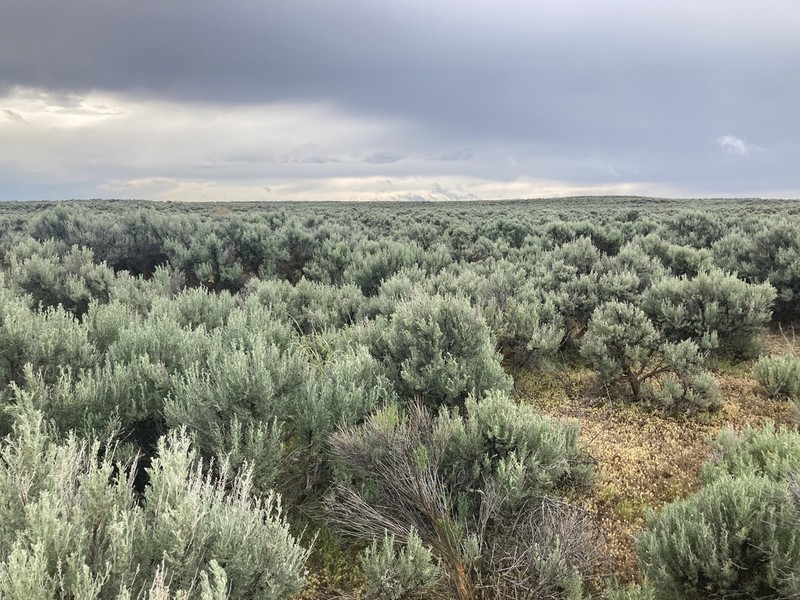
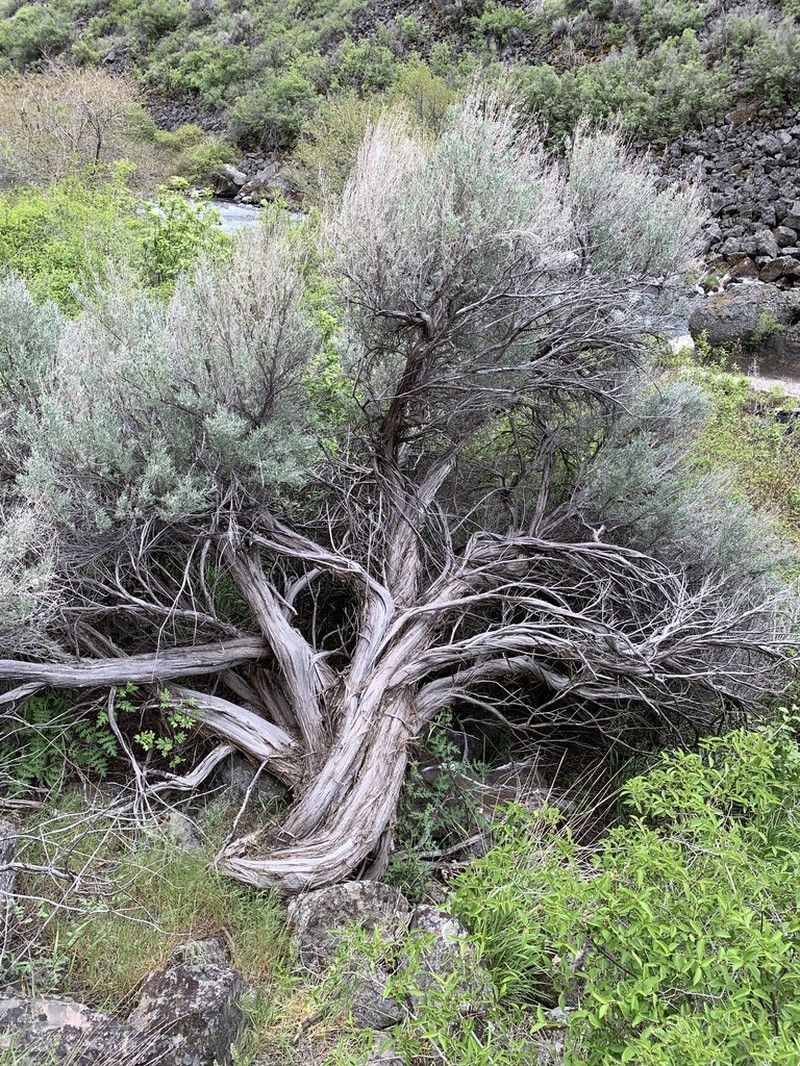
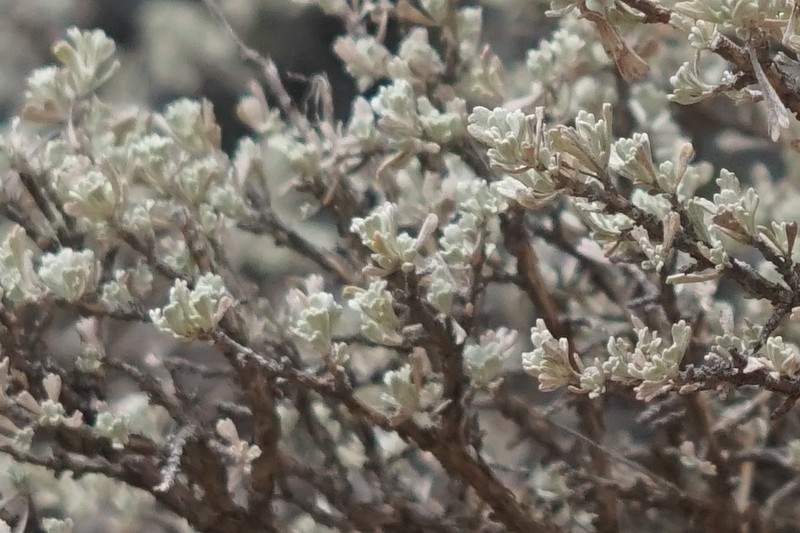
Taxonomy
- Division:
- Magnoliophyta | - Flowering plants
- Family:
- Asteraceae
- Genus:
- Artemisia
- Species:
- Artemisia tridentata
- USDA Symbol:
- ARTR2
Growth Characteristics
- Life Cycle:
- Perennial
- Growth Habit:
- Shrub , Tree
- Height:
- 300 cm
- Light Requirements:
- Full Sun
- Drought Tolerance:
- High
- Bloom Months:
- aug,sep,oct
- Bloom Colors:
- yellow
- Evergreen Shrub:
- Yes
- Landscaping Shrub:
- Yes
Wildlife Benefits
- Bees:
- ★☆☆☆☆ Documented bee visitation (GBIF)
- Butterflies & Moths:
- ★★★★☆ Documented Lepidoptera association (GBIF)
- Caterpillars:
- ★★☆☆☆ Recorded caterpillar host plant (HOSTS Database)
Keystone Species Ranking
- Caterpillar Keystone:
- ★★★★☆ Butterfly & moth species supported by this genus (NWF)
Host Plant for Caterpillars
Reported Fauna Sightings
Garden & Ecology Notes
- Wildlife Value:
- birds, small mammals
- Deer Resistant:
- Yes
- Fragrant:
- Yes
- Fire Ecology:
- Fire adapted — tolerates or benefits from fire
- Fire Notes:
- Resprouts from root crown after fire; can increase with fire return intervals of 15-30 years.
Soil Requirements
- Soil Type:
- sandy, well-drained, nutrient-poor soil
- pH:
- 6.0 - 8.0 (neutral to slightly alkaline)
- Drainage:
- excellent drainage required
- Moisture:
- dry to moderate
- Notes:
- adapted to arid and semi-arid conditions
Propagation & Germination
- Stratification:
- Cold/moist stratification required — 30–60 days
- Germination Time:
- 14–30 days
- Notes:
- Seeds germinate best with cold stratification for 4-8 weeks; surface sow on well-drained medium.
Pre-treatment: Seeds are placed in cold stratification or undergo a 5-month outdoor winter stratification. Some seeds may require soaking/leaching of germination inhibitors. No stratification required for some seeds.
Establishment: There are differences in temperature requirements for optimum germination among different subspecies and ecotypes of this species. Seed germination is reported to be higher when seed is collected late in the season, germinated under fluctuating temperatures, and when seeds are surface sown. Some populations have seed dormancy while others are reported to be non-dormant. Testing of individual lots will determine the need or duration of pre-chilling for optimum germination. Seeds are collected in October when they turn brown and are easily pulled from the receptacles. Seeds must be collected as soon as they ripen fully; too early or too late collection often results in the collection of non-viable or aborted seeds.
Source: npn.rngr.net
Where to Buy
Nationwide Seller
- Native Seed Group (seeds)
- Native Seed Group (seeds)
- Sheffield's Seed (seeds)