
Rooseveltweed
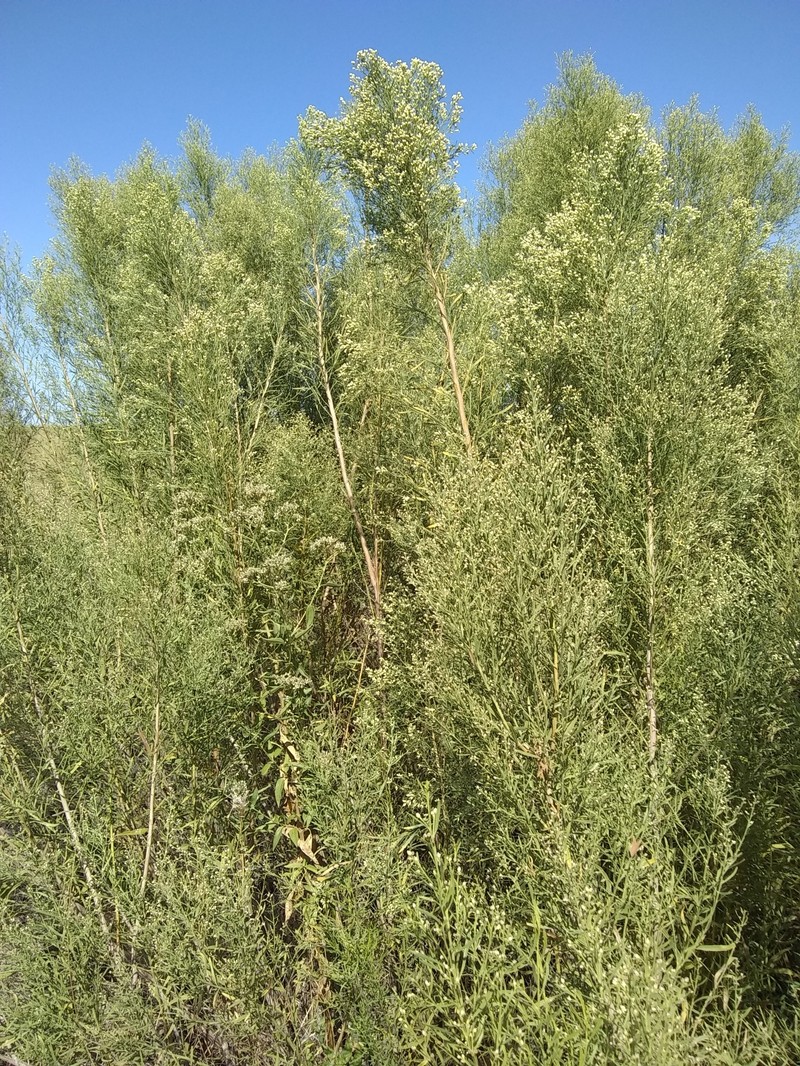
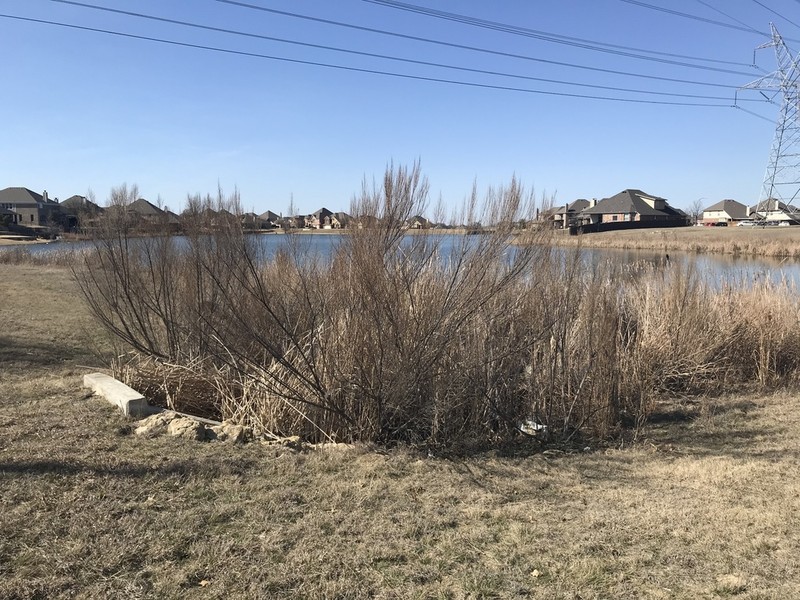
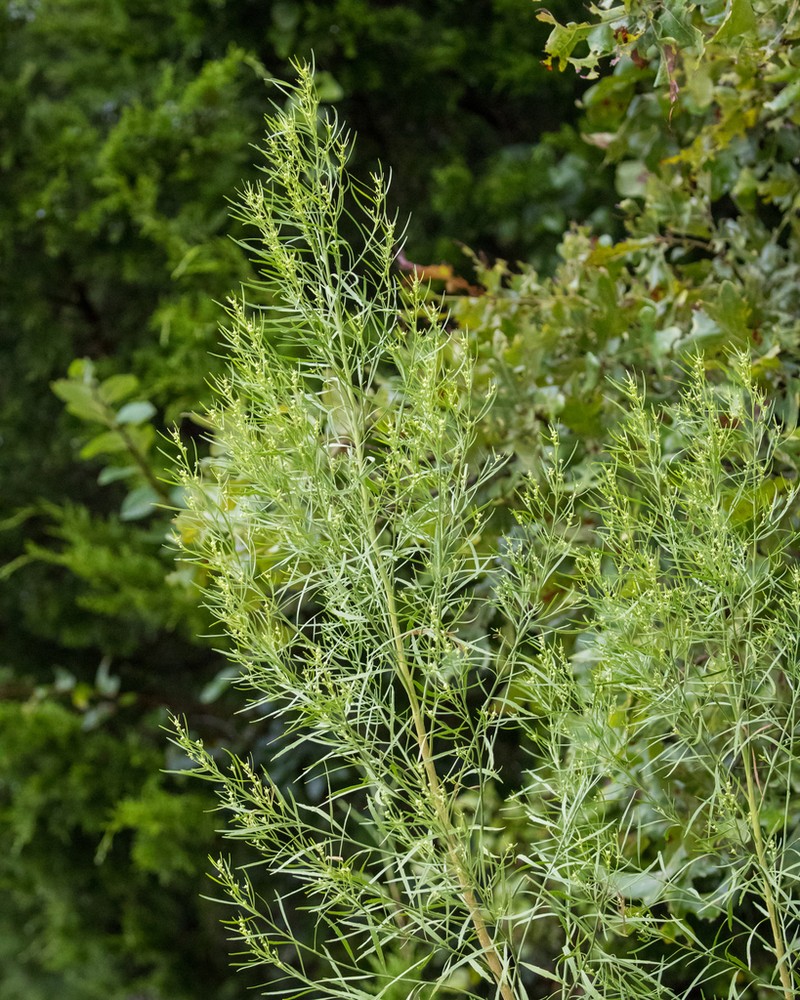
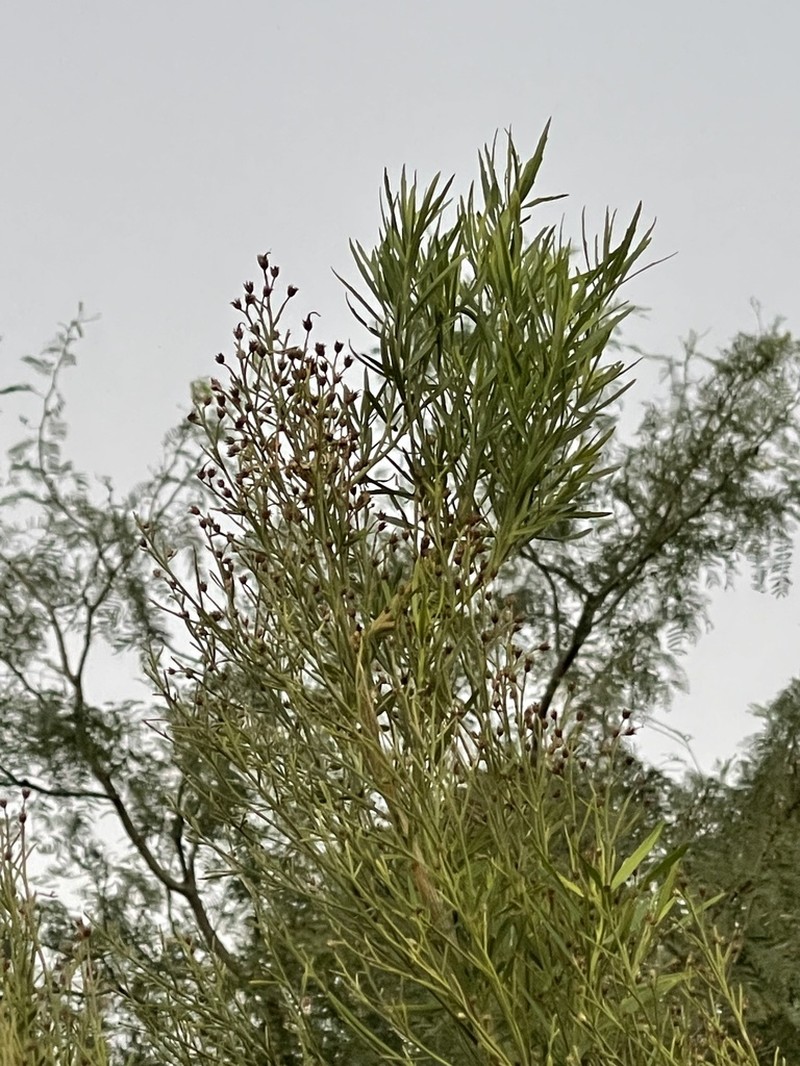
Baccharis neglecta
- Native to:
- Mexico, United States
Clay
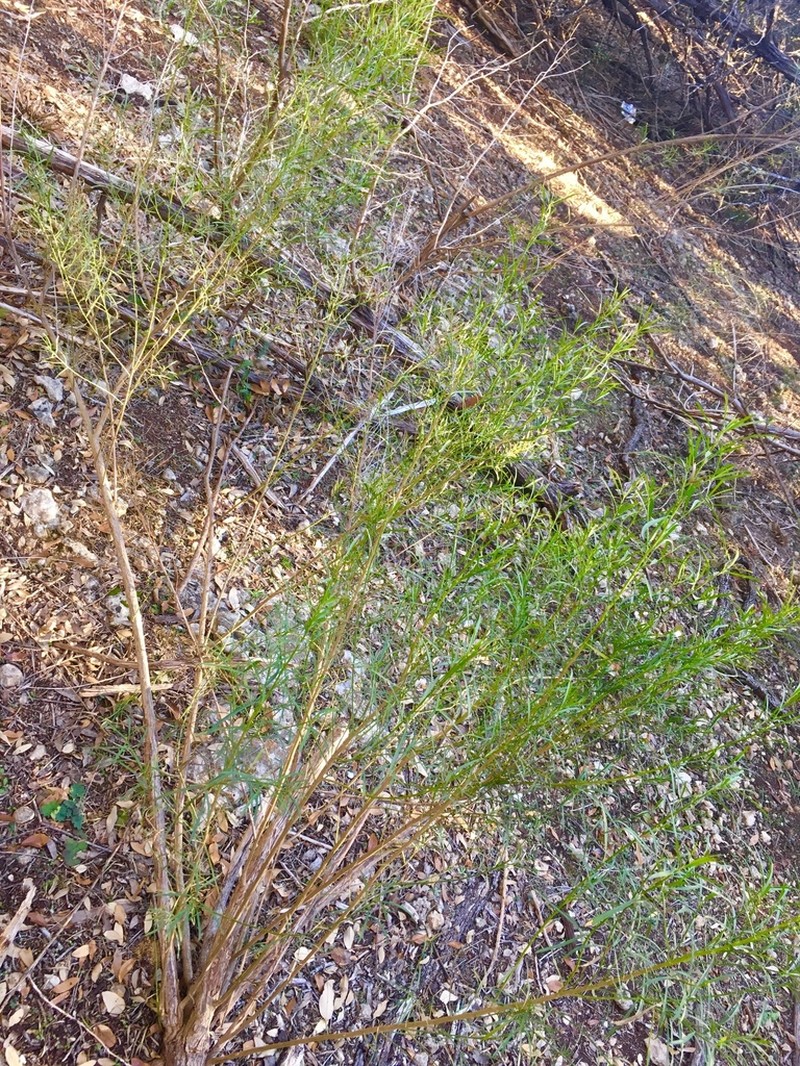
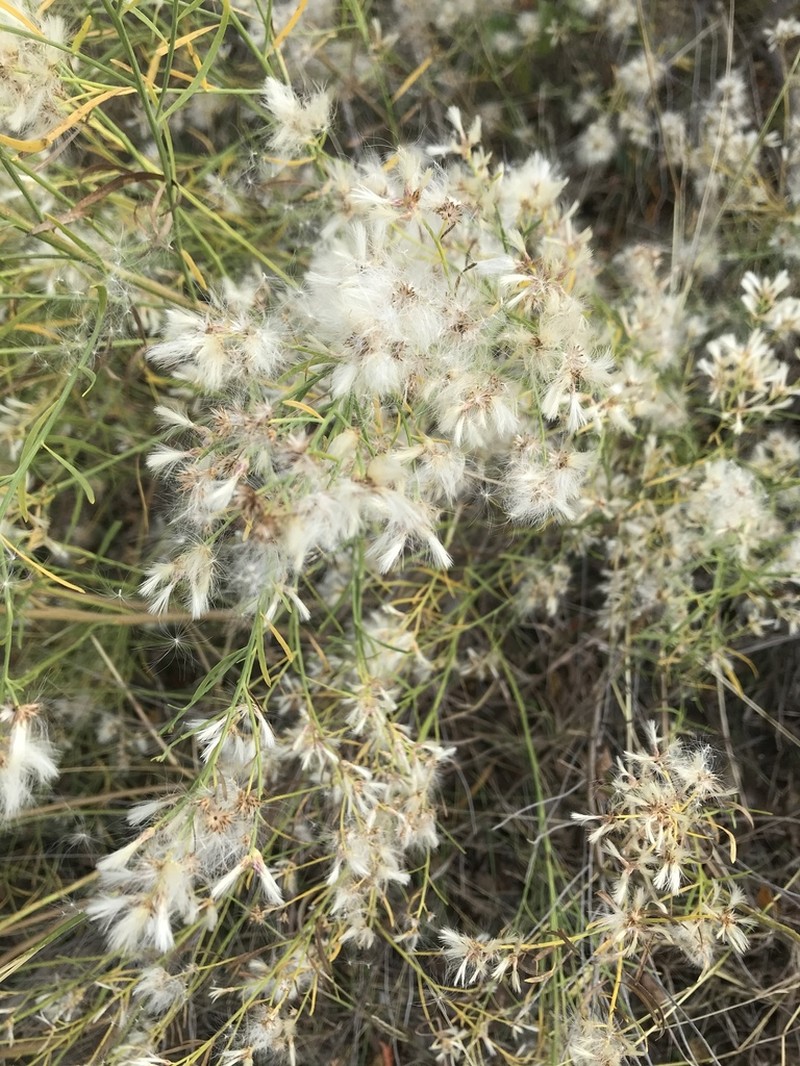
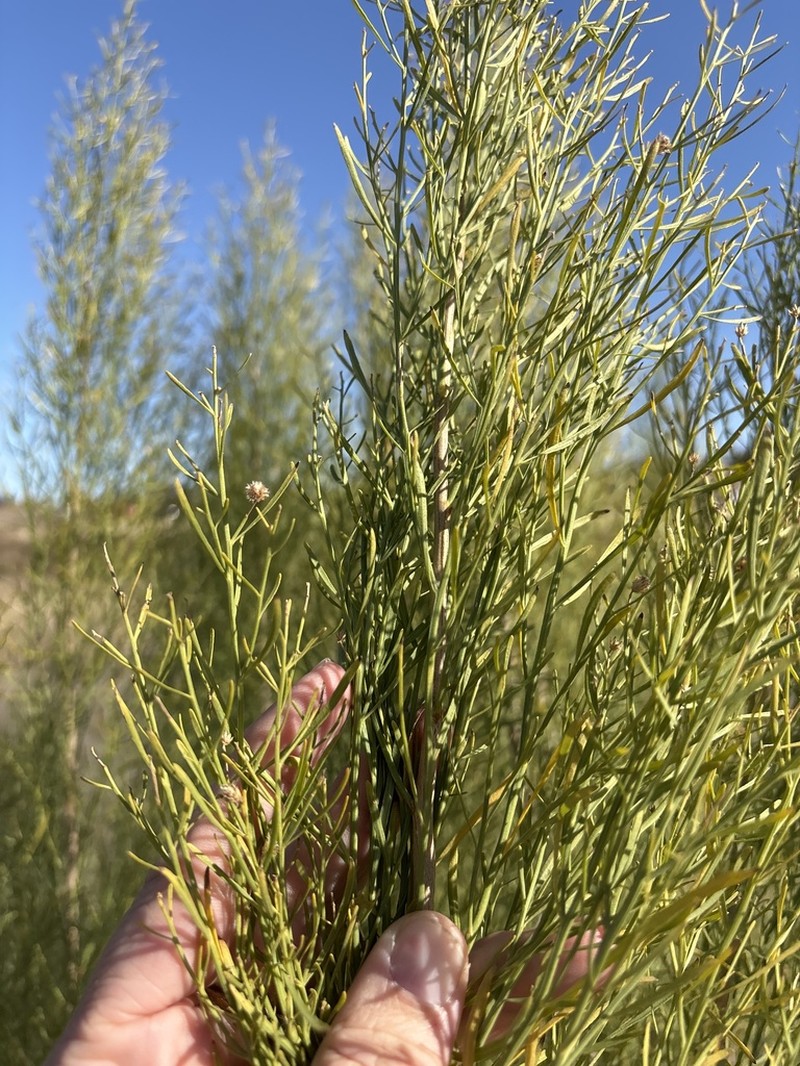
Taxonomy
- Division:
- Magnoliophyta | - Flowering plants
- Family:
- Asteraceae
- Genus:
- Baccharis
- Species:
- Baccharis neglecta
- USDA Symbol:
- BANE2
Growth Characteristics
- Life Cycle:
- Perennial
- Growth Habit:
- Shrub
- Height:
- 400 cm
- Light Requirements:
- Part Shade
- Drought Tolerance:
- High
- Bloom Months:
- sep,oct,nov
- Bloom Colors:
- white
- Landscaping Shrub:
- Yes
Wildlife Benefits
- Bees:
- ★☆☆☆☆ Documented bee visitation (GBIF)
- Butterflies & Moths:
- ★★★★★ Documented Lepidoptera association (GBIF)
- Caterpillars:
- ★★☆☆☆ Recorded caterpillar host plant (HOSTS Database)
Keystone Species Ranking
- Caterpillar Keystone:
- ★★★☆☆ Butterfly & moth species supported by this genus (NWF)
- Pollen Specialist Bee Keystone:
- ★★★☆☆ Native pollen specialist bee species supported by this genus (NWF)
Host Plant for Caterpillars
American sunflower moth (Homoeosoma electella), Aristotelia ivae, brown-shaded gray moth (Anacamptodes defectaria), Bucculatrix ivella, common eupithecia (Eupithecia miserulata), common gray (Anavitrinella pampinaria), common tan wave (Pleuroprucha insulsaria), Fall armyworm (Spodoptera frugiperda), Oidaematophorus kellicottii, Pero meskaria, Platynota sp., white-dotted groundling (Condica videns), Yellow-striped armyworm (Spodoptera ornithogalli)
Reported Fauna Sightings
Bees: ⚠️Western honey bee (Apis mellifera) Butterflies:American snout butterfly (Libytheana carinenta), Gray Hairstreak (Strymon melinus), Great Purple Hairstreak (Atlides halesus), ⚠️Monarch butterfly (Danaus plexippus)
Garden & Ecology Notes
- Wildlife Value:
- birds, butterflies
- Deer Resistant:
- Yes
- Salt Tolerant:
- Yes
- Fire Ecology:
- Fire adapted — tolerates or benefits from fire
- Fire Notes:
- Resprouts vigorously after fire; often colonizes burned areas.
Soil Requirements
- Soil Type:
- well-drained, sandy or rocky soil
- pH:
- 6.0 - 7.5 (slightly acidic to neutral)
- Drainage:
- excellent drainage required
- Moisture:
- dry to moderate
- Notes:
- native to areas with periodic droughts