
Coyotebrush
Baccharis pilularis
- Native to:
- Mexico, United States
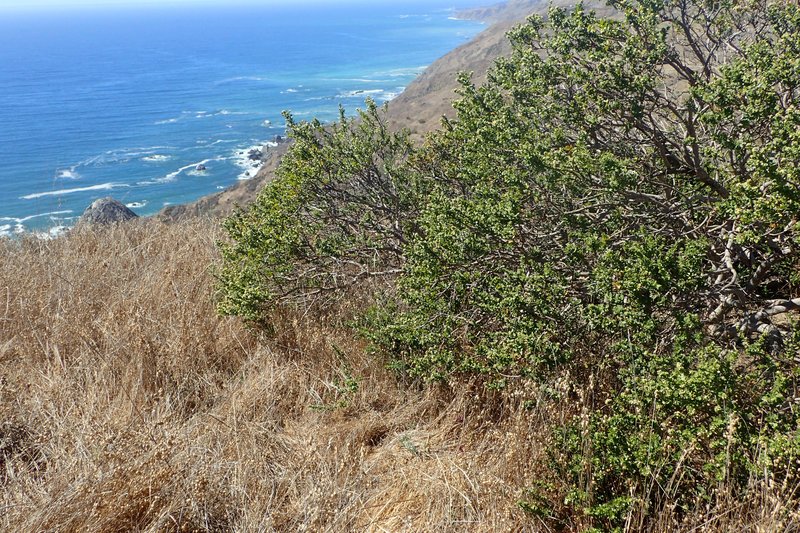
Krzysztof Ziarnek, Kenraiz
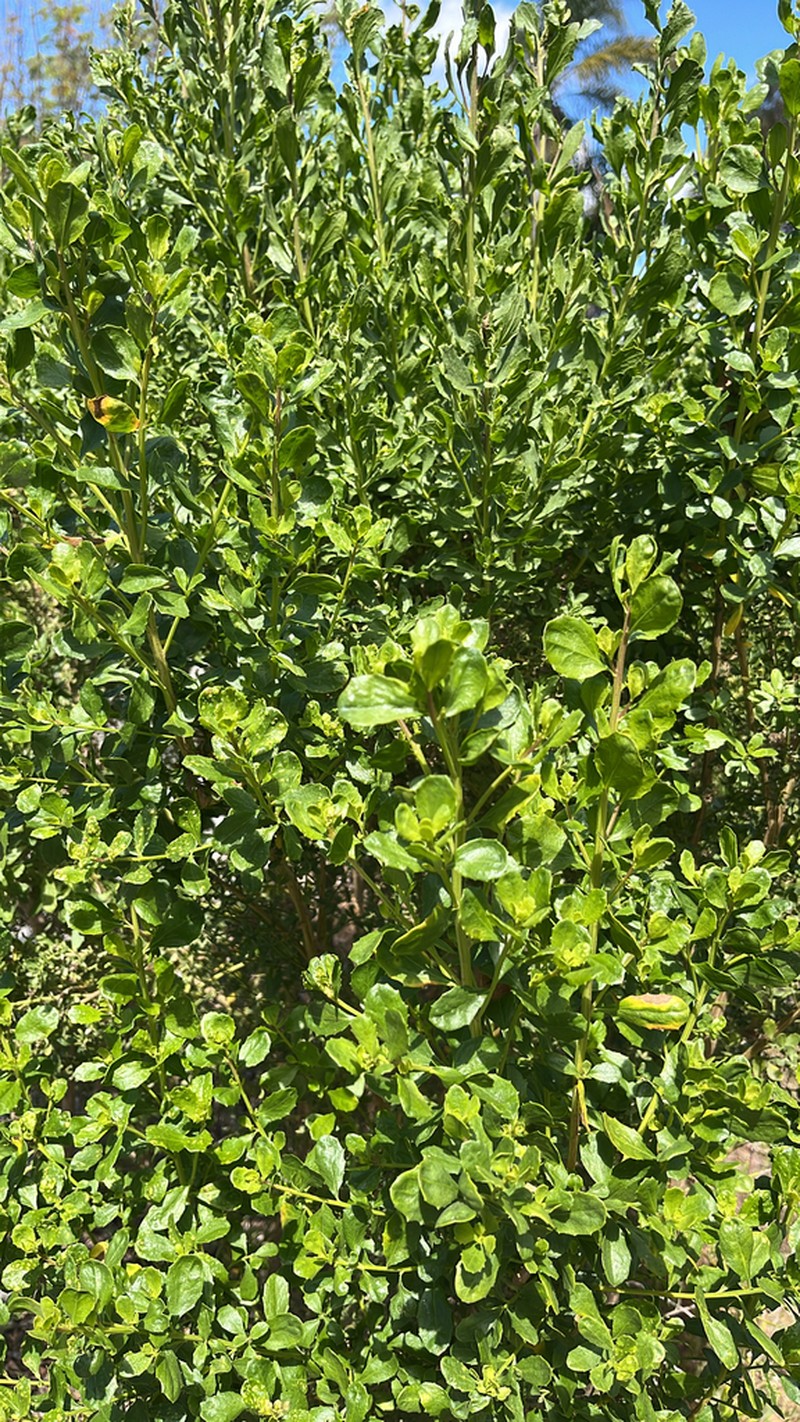
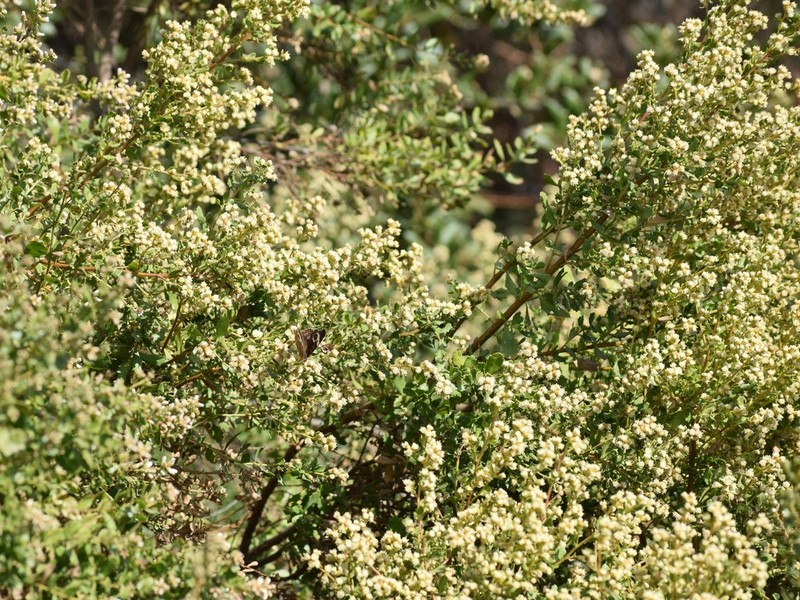
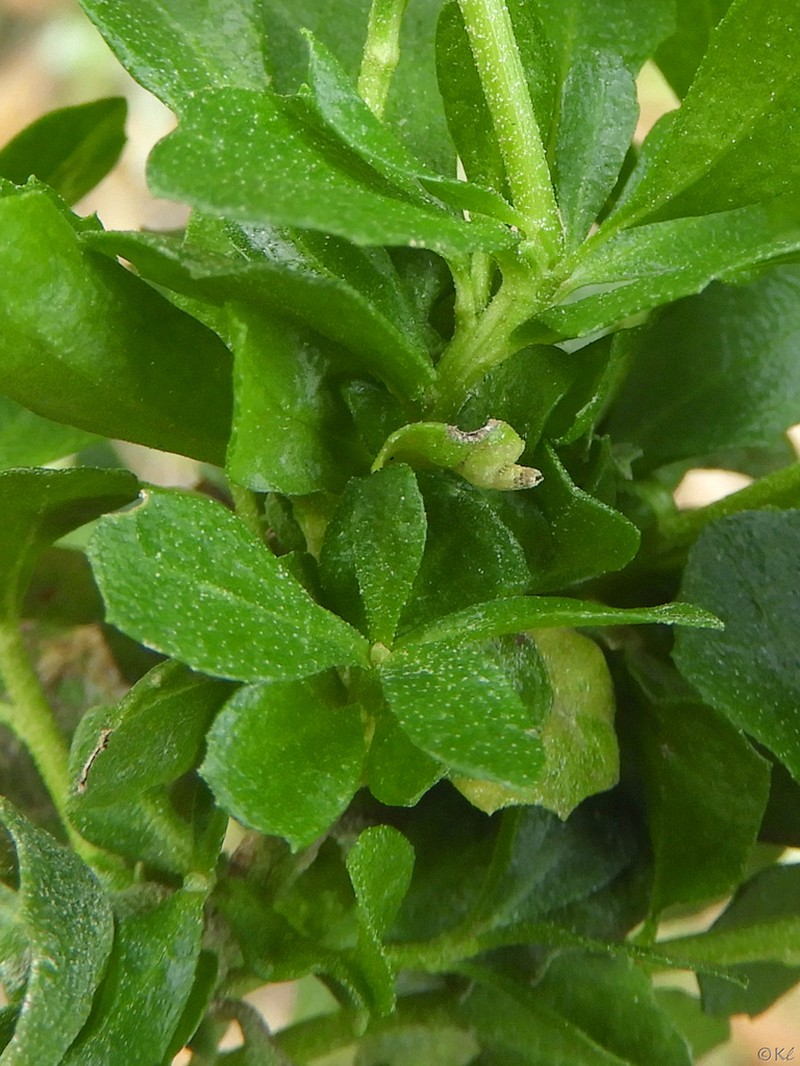
Taxonomy
- Division:
- Magnoliophyta | - Flowering plants
- Family:
- Asteraceae
- Genus:
- Baccharis
- Species:
- Baccharis pilularis
- USDA Symbol:
- BAPI
Growth Characteristics
- Life Cycle:
- Perennial
- Growth Habit:
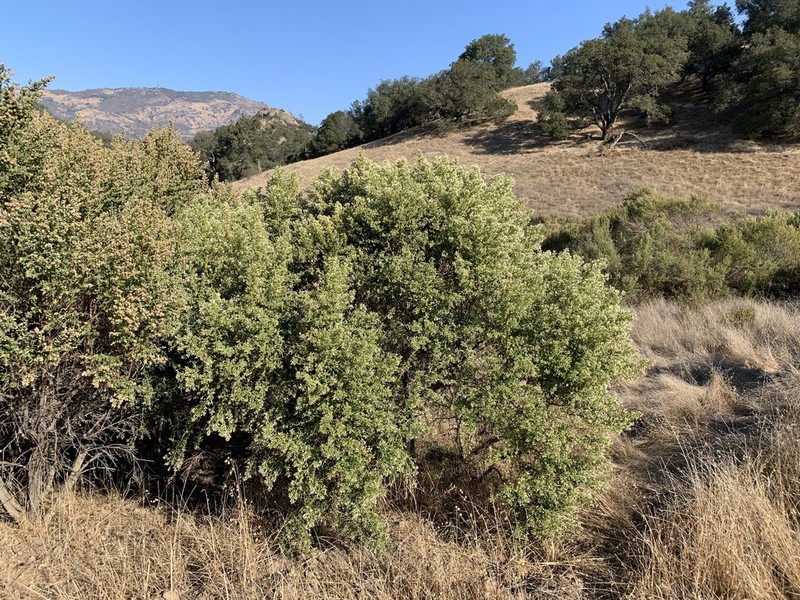
- Shrub , Subshrub
- Height:
- 300 cm
- Light Requirements:
- Full Sun,Part Shade
- Drought Tolerance:
- High
- Bloom Months:
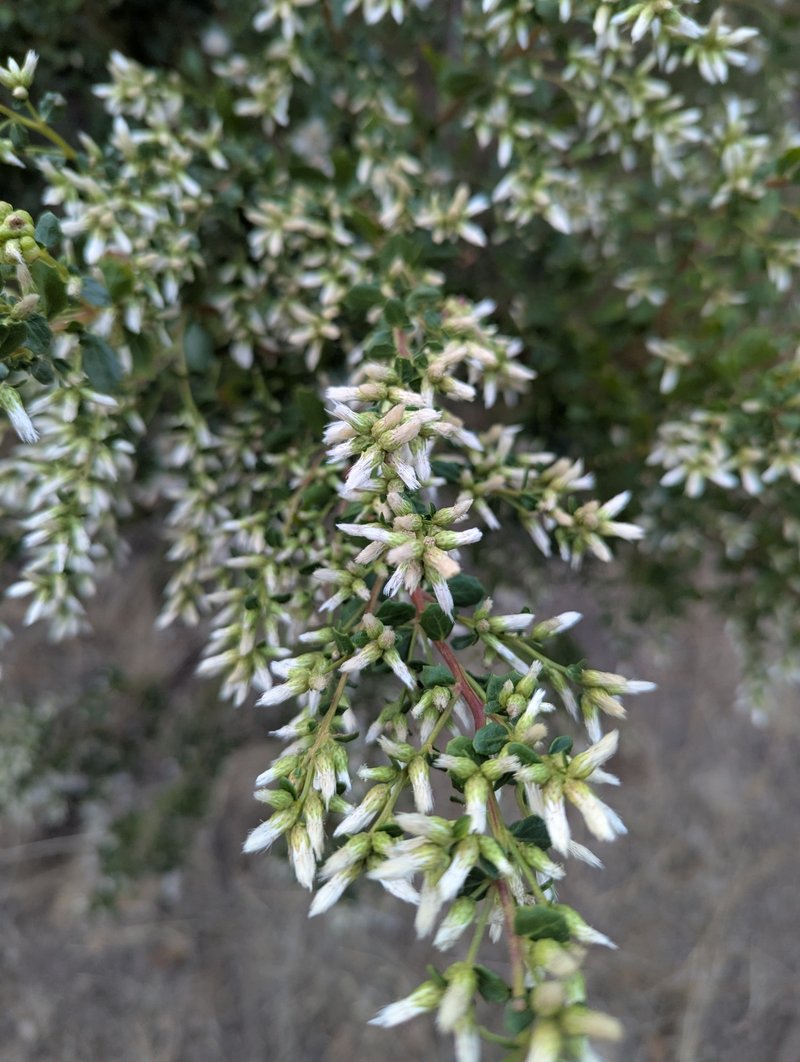
- aug,sep,oct,nov
- Bloom Colors:
- white, yellow
- Evergreen Shrub:
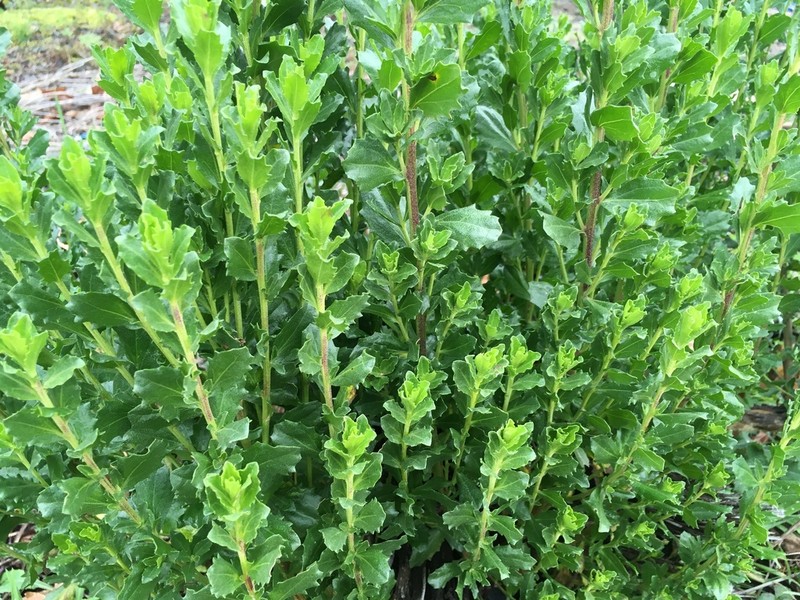
- Yes
- Landscaping Shrub:
- Yes
Wildlife Benefits
- Bees:
- ★☆☆☆☆ Documented bee visitation (GBIF)
- Butterflies & Moths:
- ★★★☆☆ Documented Lepidoptera association (GBIF)
- Caterpillars:
- ★★★☆☆ Recorded caterpillar host plant (HOSTS Database)
Keystone Species Ranking
- Caterpillar Keystone:
- ★★★☆☆ Butterfly & moth species supported by this genus (NWF)
- Pollen Specialist Bee Keystone:
- ★★★☆☆ Native pollen specialist bee species supported by this genus (NWF)
Host Plant for Caterpillars
Aristotelia argentifera, Bucculatrix dominatrix, Bucculatrix separabilis, Bucculatrix sp. n., Bucculatrix variabilis, California phantom (Phymatopus californicus), Coleophora lynosyridella, Coleophora sp. D, Coleophora viscidiflorella, Coleotechnites bacchariella, Cremastobombycia solidaginis, Eucosma williamsi, Eupithecia misturata, Gnorimoschema baccharisella, Itame varadaria, Oidaematophorus confusus, Oidaematophorus grandis, Omnivorous Leafroller (Platynota stultana), orange tortrix moth (Argyrotaenia citrana), orange tortrix moth (Argyrotaenia franciscana), Phymatopus hectoides, Prochoerodes truxaliata, Saphenista saxicolana
Reported Fauna Sightings
Bees: ⚠️Western honey bee (Apis mellifera) Moths:Gnorimoschema baccharisella Butterflies:Fiery Skipper (Hylephila phyleus), Gray Buckeye (Junonia grisea), Gray Hairstreak (Strymon melinus), Icaricia acmon, Painted Lady (Vanessa cardui), Tharsalea helloides
Garden & Ecology Notes
- Wildlife Value:
- birds, butterflies, small mammals
- Deer Resistant:
- Yes
- Salt Tolerant:
- Yes
- Fire Ecology:
- Fire adapted — tolerates or benefits from fire
- Fire Notes:
- Resprouts from root crown after fire; seeds also germinate in post-fire conditions.
Soil Requirements
- Soil Type:
- sandy, well-drained, nutrient-poor soil
- pH:
- 5.5 - 7.5 (slightly acidic to neutral)
- Drainage:
- excellent drainage required
- Moisture:
- dry to moderate
- Notes:
- thrives in coastal scrub and chaparral environments
Propagation & Germination
- Stratification:
- Cold/moist stratification required — 30–60 days
- Germination Time:
- 14–30 days
- Notes:
- Seeds germinate readily after cold stratification; surface sow on well-drained medium.
Pre-treatment: Dip cut end in 1:20 solution of Wood's brand rooting hormone recommended for herbaceous cuttings. Alternatively, cuttings can be dipped in a mild bleach solution for 30 seconds and treated with Hormex (3000 ppm IBA) rooting powder.
Establishment: There is a variation in the pre-treatment and establishment protocols between the three protocols. The source of propagation can also be from seeds as per Protocol 2, but cuttings were preferred due to higher germination rates. The collection of cuttings and seeds also varies with the time of the year.
Source: npn.rngr.net