
Yellow Rabbitbrush
Chrysothamnus viscidiflorus
- Native to:
- Canada, United States
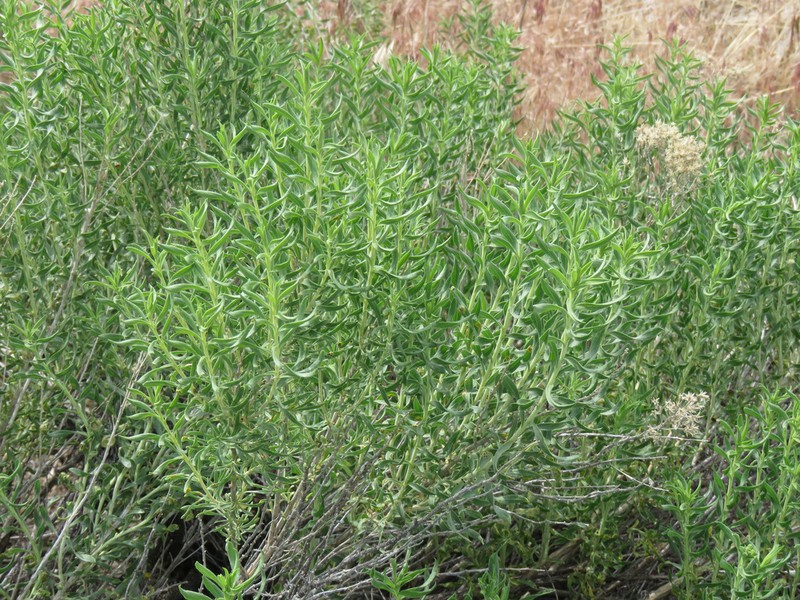
iNaturalist: © enspring (iNaturalist #86749696)
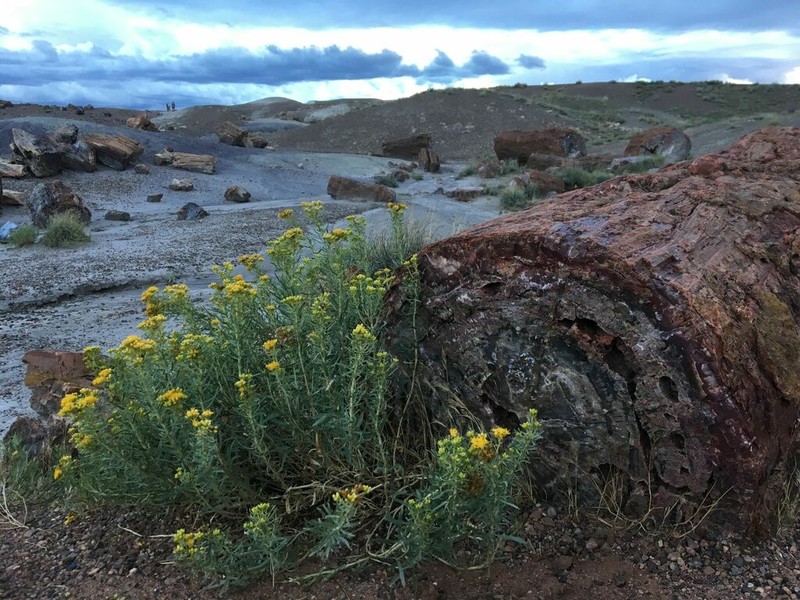
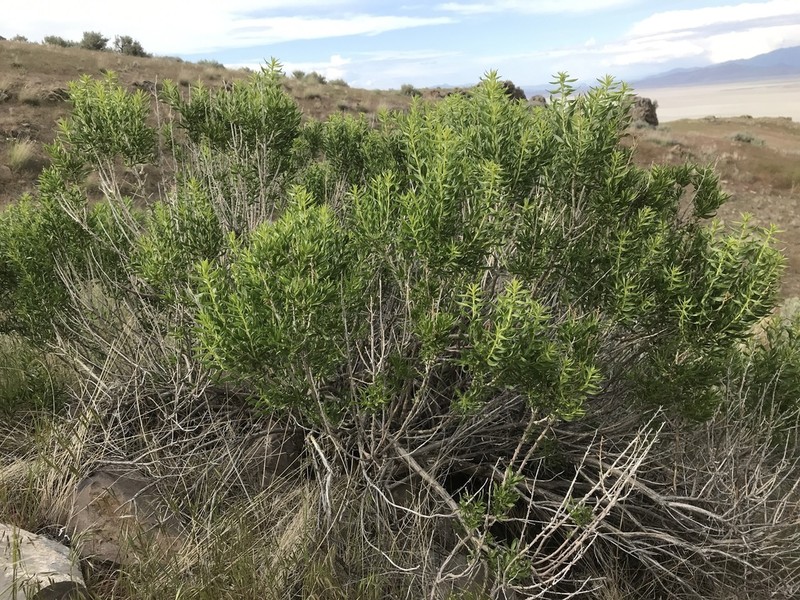
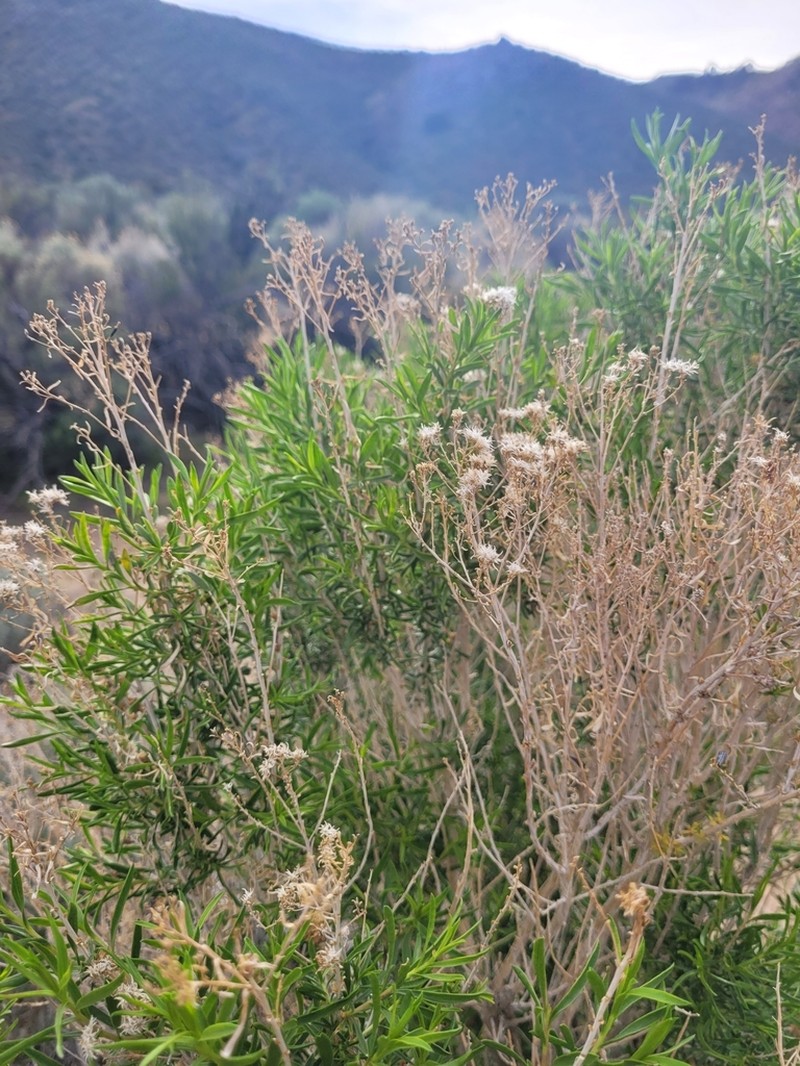
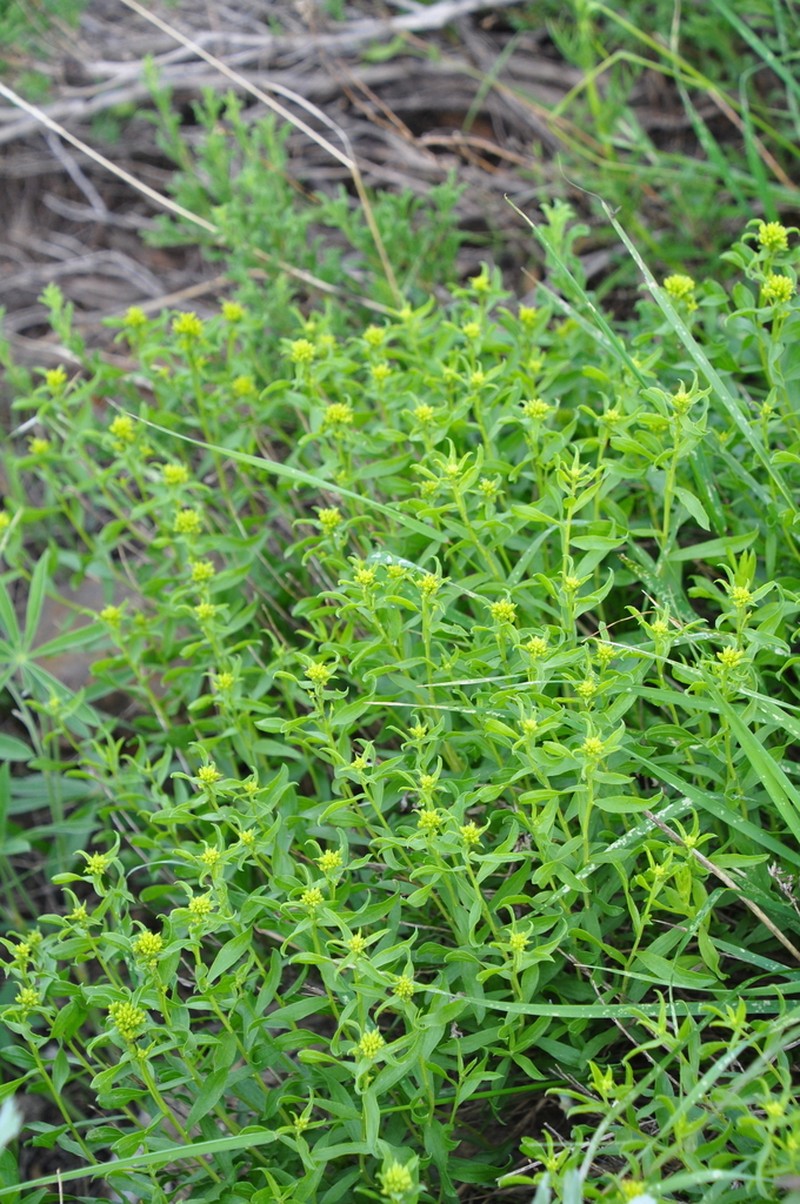
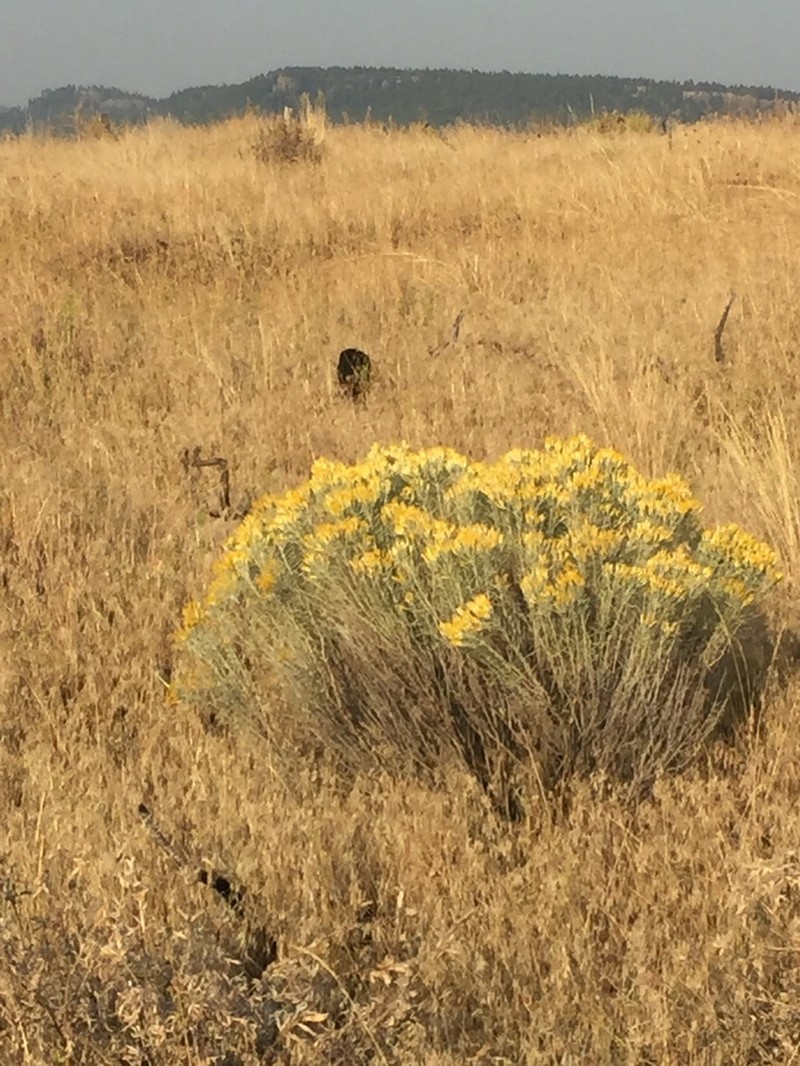
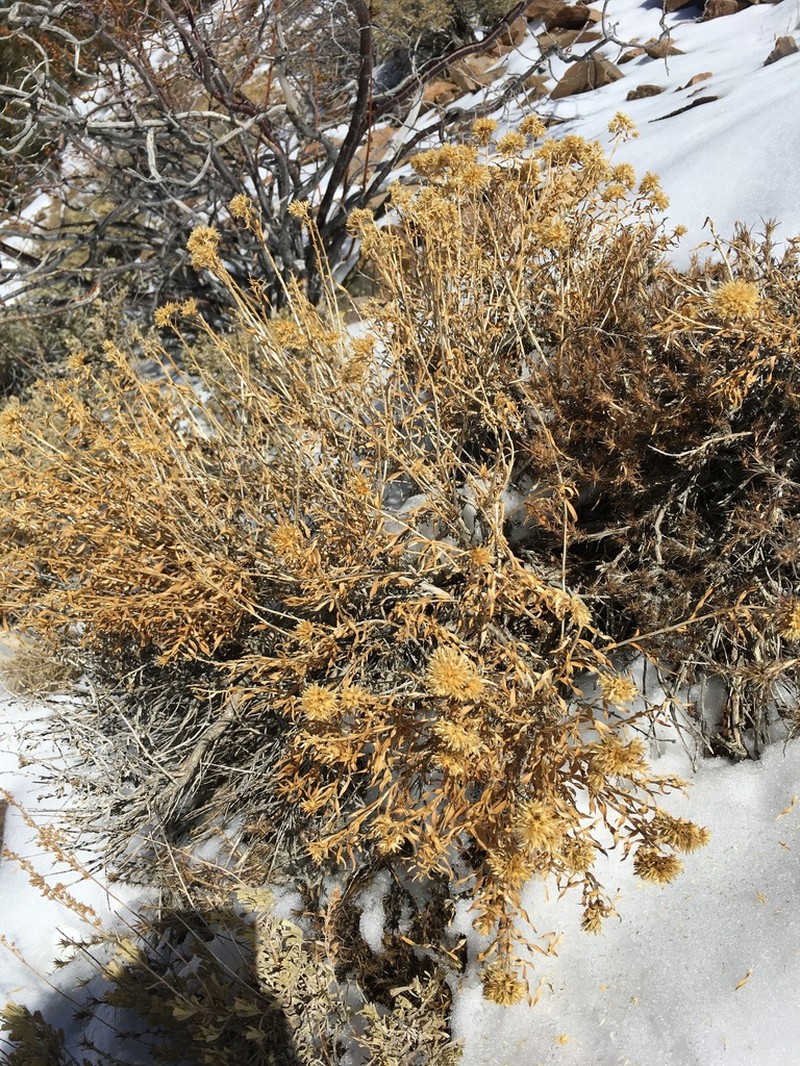
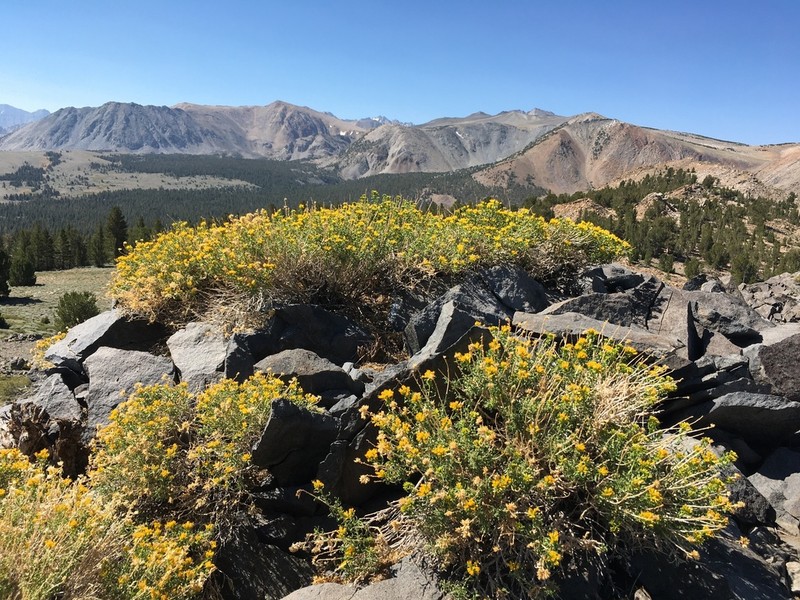
Taxonomy
- Division:
- Magnoliophyta | - Flowering plants
- Family:
- Asteraceae
- Genus:
- Chrysothamnus
- Species:
- Chrysothamnus viscidiflorus
- USDA Symbol:
- CHVI8
Growth Characteristics
- Life Cycle:
- Perennial
- Growth Habit:
- Shrub
- Height:
- 100 cm
- Light Requirements:
- Full Sun
- Drought Tolerance:
- High
- Bloom Months:
- jul,aug,sep
- Bloom Colors:
- yellow
- Landscaping Shrub:
- Yes
Wildlife Benefits
- Bees:
- ★☆☆☆☆ Documented bee visitation (GBIF)
- Butterflies & Moths:
- ★★★★☆ Documented Lepidoptera association (GBIF)
- Caterpillars:
- ★☆☆☆☆ Recorded caterpillar host plant (HOSTS Database)
Keystone Species Ranking
- Pollen Specialist Bee Keystone:
- ★★★★★ Native pollen specialist bee species supported by this genus (NWF)
Host Plant for Caterpillars
Coleophora lynosyridella, Coleophora viscidiflorella, Synnoma lynosyrana, Charidryas acastus, Palla (Charidryas palla)
Reported Fauna Sightings
Bees: Red-belted bumble bee (Bombus rufocinctus), Two-form bumble bee (Bombus bifarius), Yellow bumble bee (Bombus fervidus), Yellow-faced bumble bee (Bombus vosnesenskii) Butterflies:Acastus Checkerspot (Chlosyne acastus)
Garden & Ecology Notes
- Wildlife Value:
- birds, butterflies, small mammals
- Deer Resistant:
- Yes
- Salt Tolerant:
- Yes
- Fire Ecology:
- Fire adapted — tolerates or benefits from fire
- Fire Notes:
- Resprouts from root crown after fire; seeds germinate well on burned sites.
Soil Requirements
- Soil Type:
- sandy, well-drained, nutrient-poor soil
- pH:
- 6.0 - 8.0 (neutral to slightly alkaline)
- Drainage:
- excellent drainage required
- Moisture:
- dry to moderate
- Notes:
- thrives in arid and semi-arid regions
Propagation & Germination
- Stratification:
- Cold/moist stratification required — 30–60 days
- Germination Time:
- 14–30 days
- Notes:
- Seeds germinate readily after cold stratification; surface sow on well-drained medium.
Pre-treatment: None required
Establishment: Seeds are wild collected during fall months and are kept separated according to site, elevation and source. The mature fruit is a winged achene. The plant is found throughout western North America east to Nebraska and the Desert Southwest.
Source: npn.rngr.net