
Yellow Thistle
Cirsium horridulum
- Native to:
- Bahamas, Belize, Guam, Guatemala, Honduras, Mexico, United States, Virgin Islands
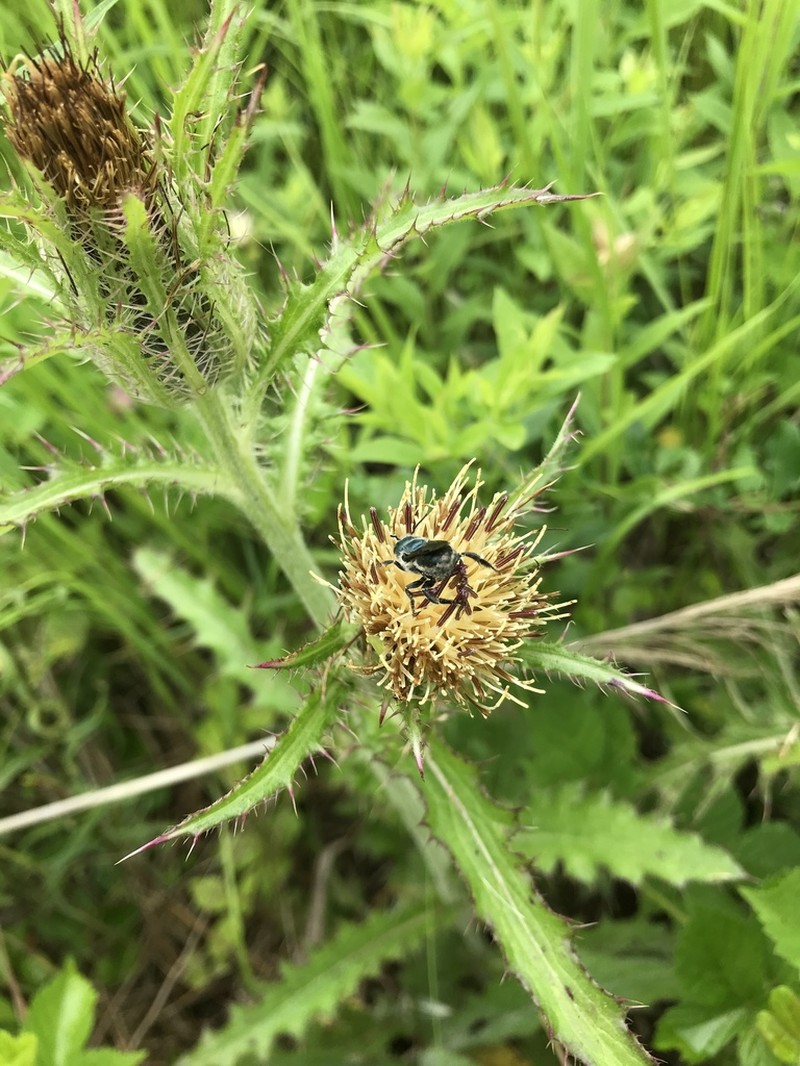
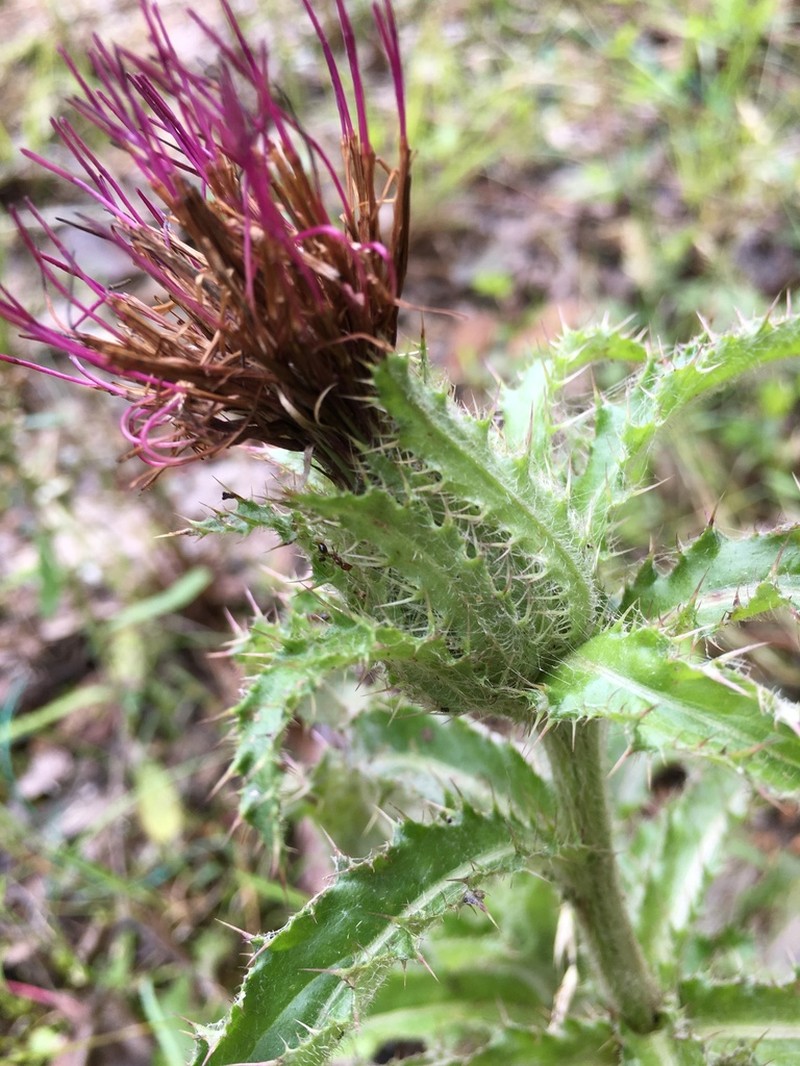
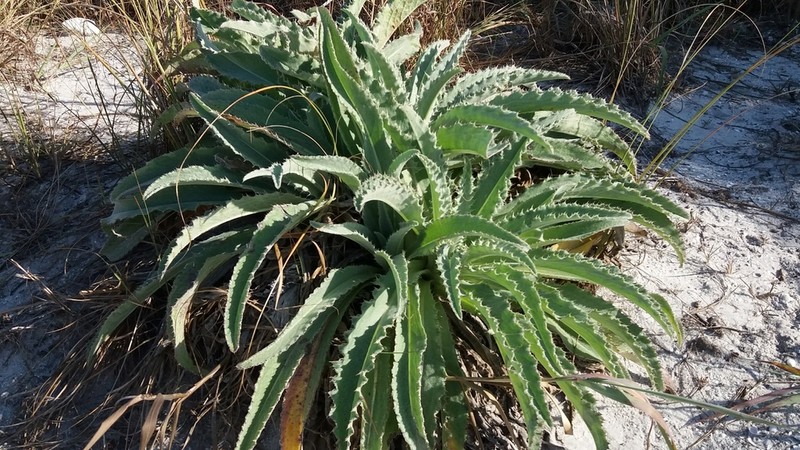
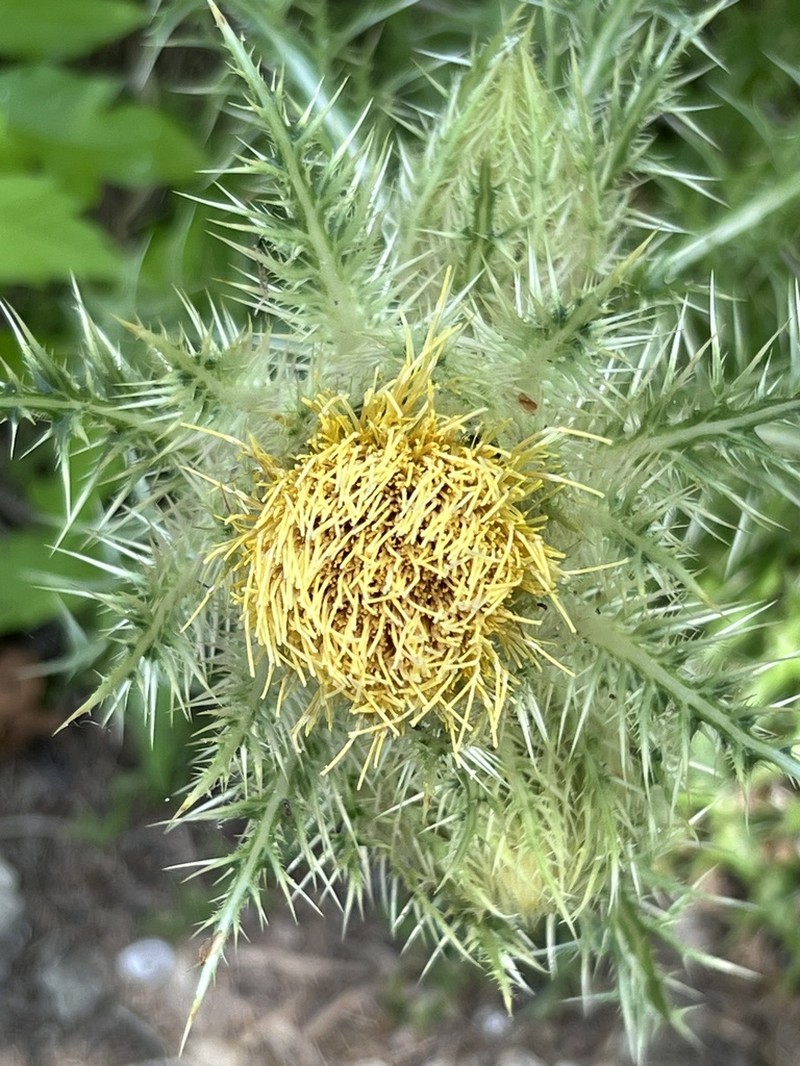
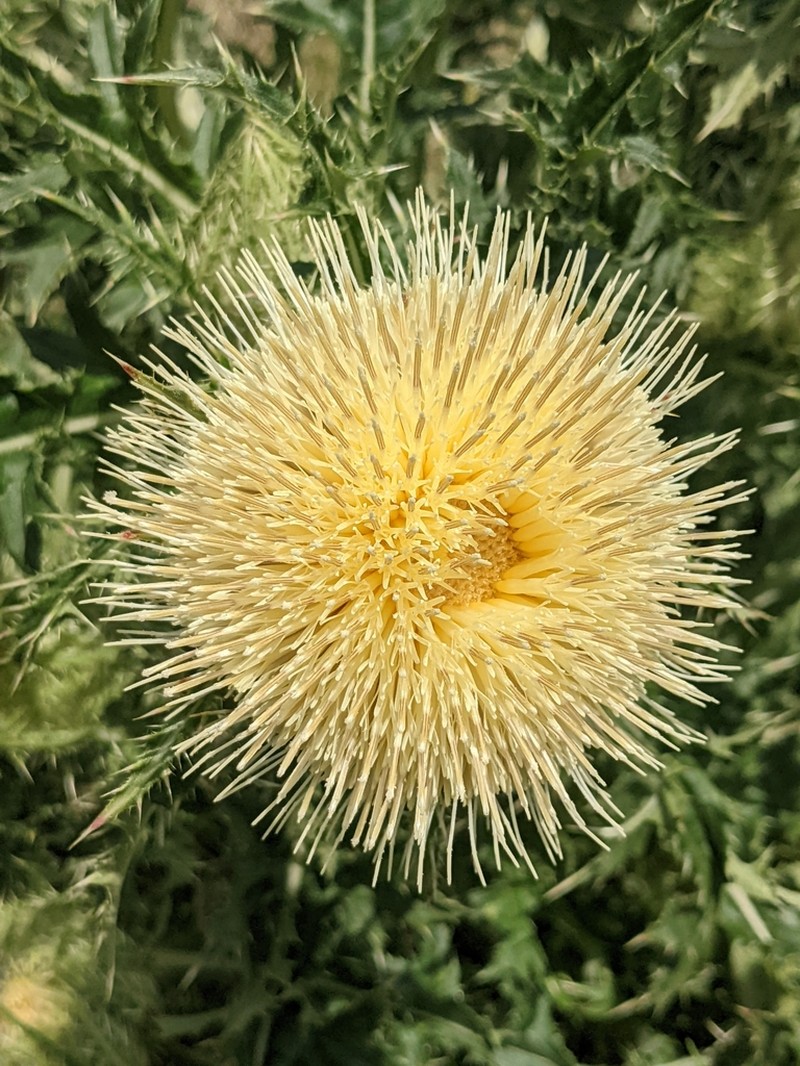
iNaturalist: © heatherlea (iNaturalist #13638472)
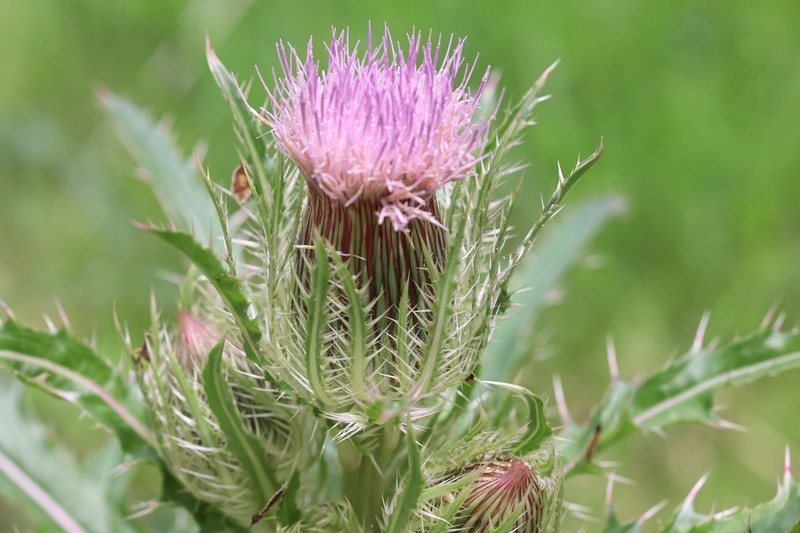
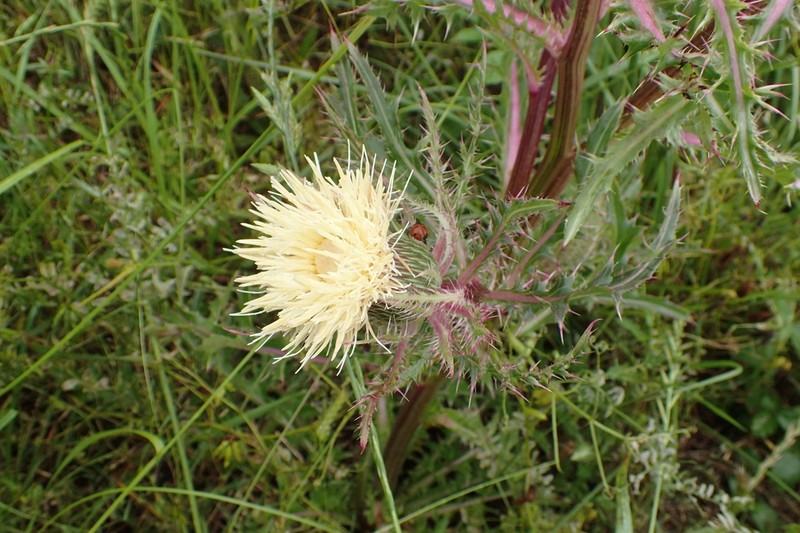
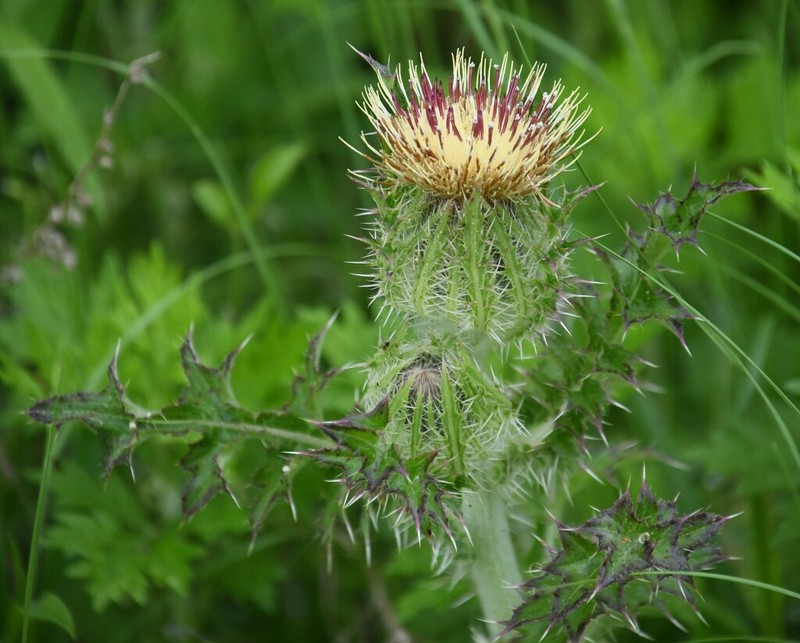
Taxonomy
- Division:
- Magnoliophyta | - Flowering plants
- Family:
- Asteraceae
- Genus:
- Cirsium
- Species:
- Cirsium horridulum
- USDA Symbol:
- CIHO2
Growth Characteristics
- Life Cycle:
- Annual | Biennial
- Growth Habit:
- Forb/herb
- Height:
- 150 cm
- Light Requirements:
- Full Sun
- Drought Tolerance:
- Low
- Bloom Months:
- apr,may,jun,jul
- Bloom Colors:
- purple, pink, white
Wildlife Benefits
- Bees:
- ★☆☆☆☆ Documented bee visitation (GBIF)
- Butterflies & Moths:
- ★★★★☆ Documented Lepidoptera association (GBIF)
- Caterpillars:
- ★★☆☆☆ Recorded caterpillar host plant (HOSTS Database)
Keystone Species Ranking
- Pollen Specialist Bee Keystone:
- ★★★★☆ Native pollen specialist bee species supported by this genus (NWF)
Host Plant for Caterpillars
American sunflower moth (Homoeosoma electella), Celery leaftier (Udea rubigalis), Homoeosoma pedionnastes, Rotruda mucidella, Tebenna carduiella, Little Metalmark (Calephelis virginiensis)
Reported Fauna Sightings
Bees: American bumble (Bombus pensylvanicus), Brown-belted bumble (Bombus griseocollis), Common eastern (Bombus impatiens), Xylocopa micans Butterflies:Atalopedes Scudder, Cloudless Sulphur (Phoebis sennae), Eastern Tiger Swallowtail (Papilio glaucus), ⚠️Monarch butterfly (Danaus plexippus), Palamedes Swallowtail (Pterourus palamedes), Palamedes Swallowtail (Papilio palamedes), Pipevine Swallowtail (Battus philenor), Twin-spot Skipper (Oligoria maculata)
Garden & Ecology Notes
- Wildlife Value:
- birds, butterflies, bees
- Deer Resistant:
- Yes
- Fire Ecology:
- Fire adapted — tolerates or benefits from fire
- Fire Notes:
- Can resprout after fire; fire may stimulate seed germination in some populations.
Soil Requirements
- Soil Type:
- sandy, acidic, nutrient-poor soil
- pH:
- 5.5 - 7.0 (slightly acidic to neutral)
- Drainage:
- excellent drainage required
- Moisture:
- dry to moderate
- Notes:
- commonly found in coastal dunes and sandy fields
Propagation & Germination
- Stratification:
- Cold/moist stratification required — 30–60 days
- Germination Time:
- 14–30 days
- Notes:
- Seeds benefit from cold stratification for 30-60 days to break dormancy.