
Common Sandaster
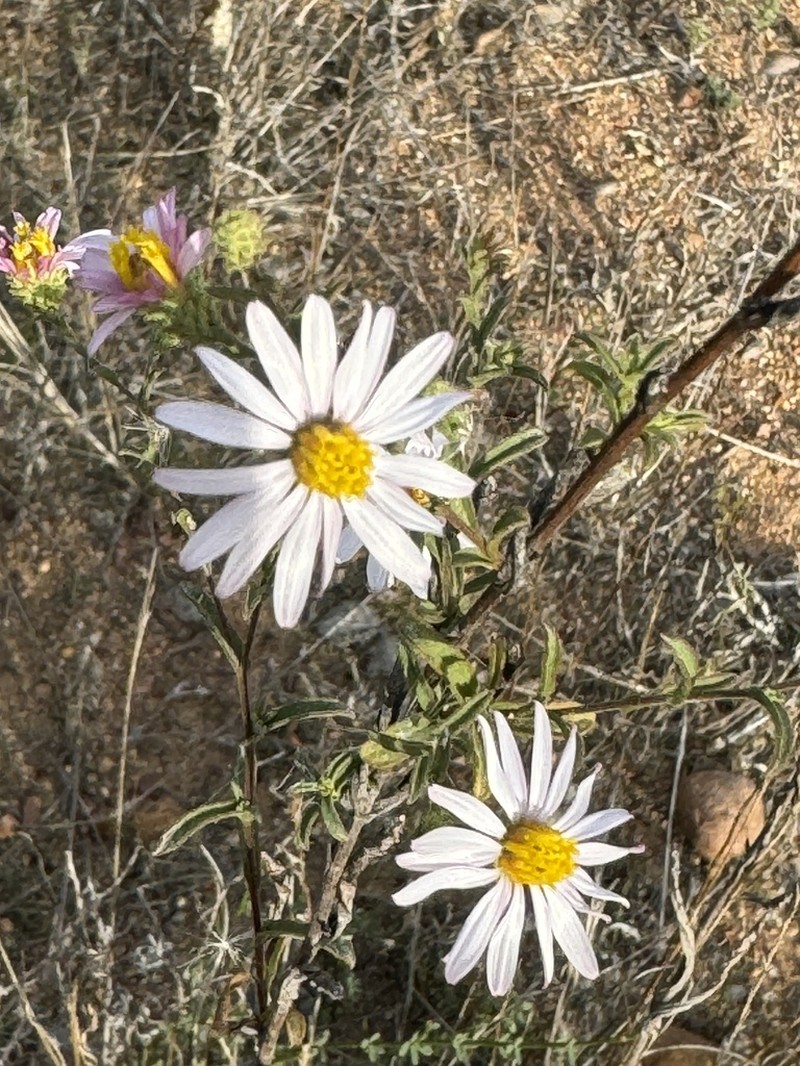
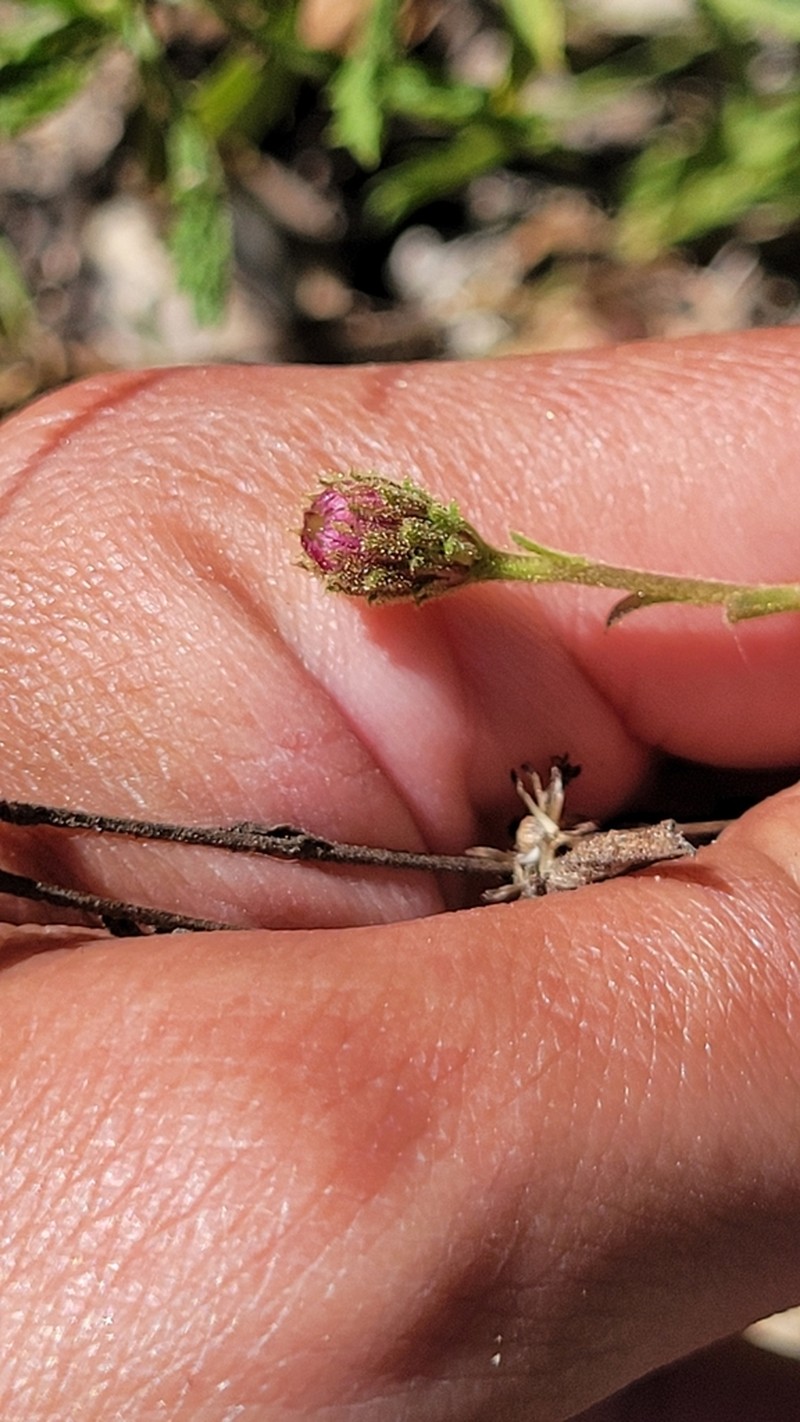
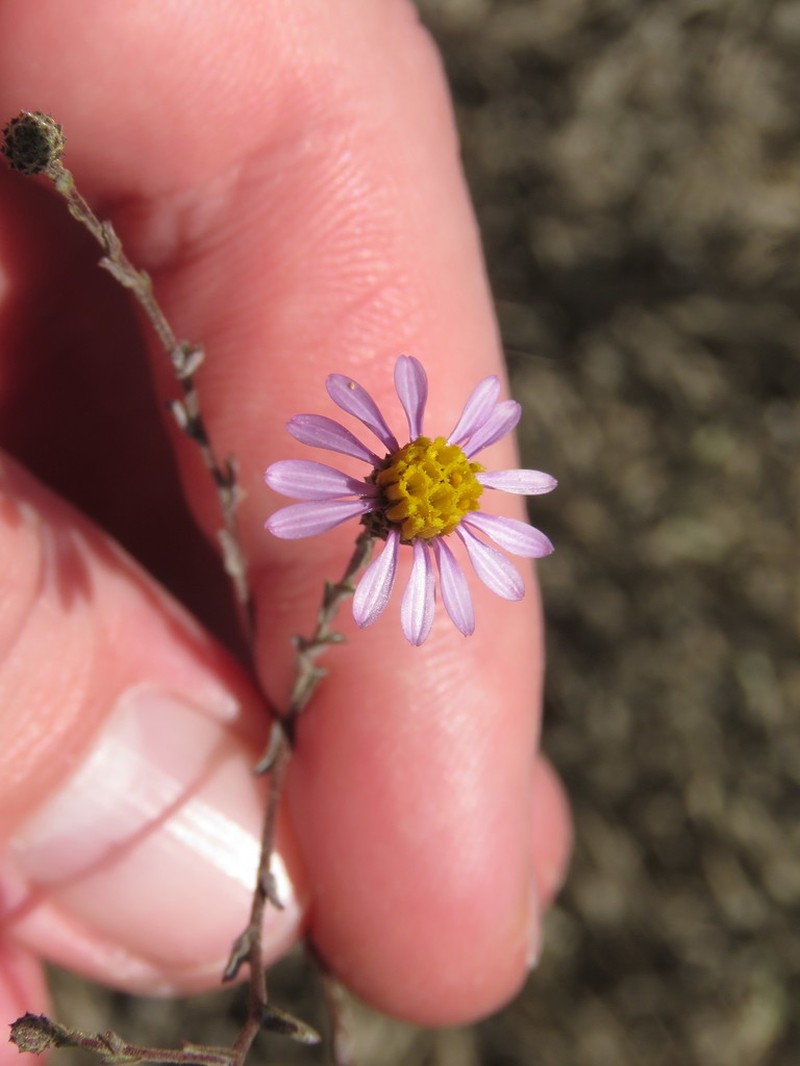
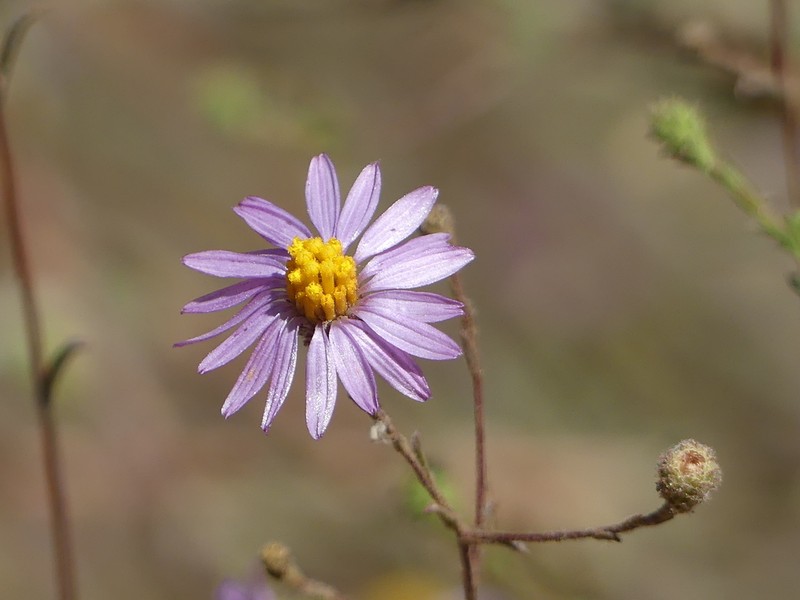
Corethrogyne filaginifolia
- Native to:
- Mexico, United States
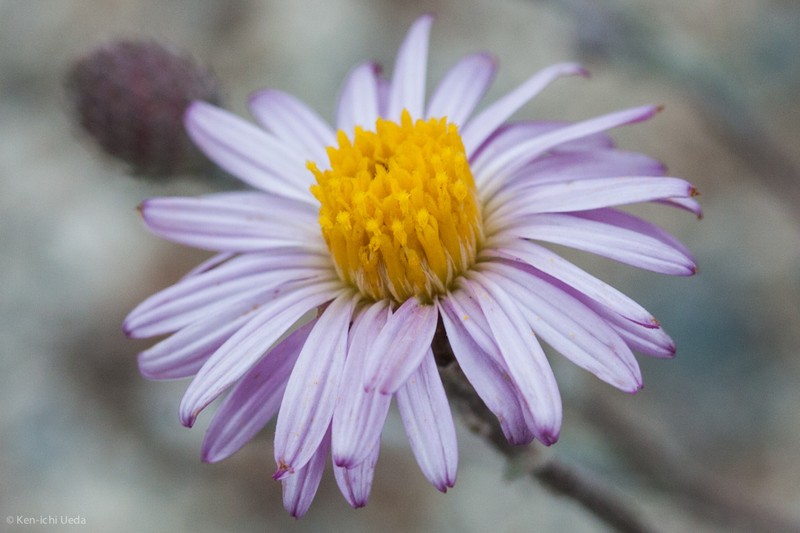
iNaturalist: © kueda (iNaturalist #738892)
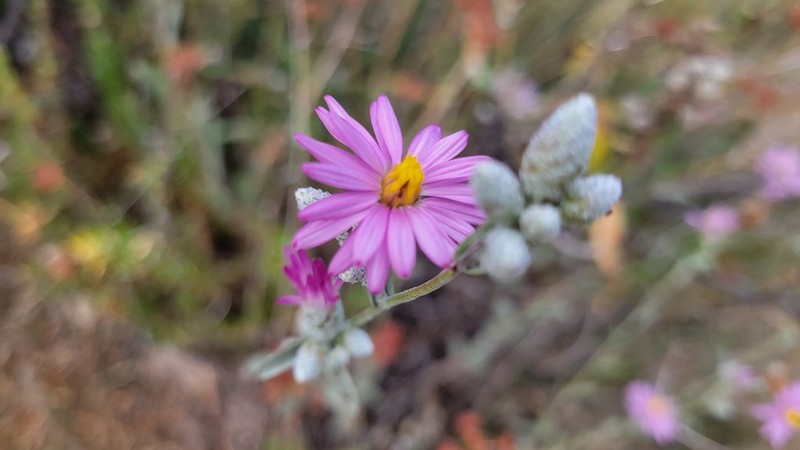
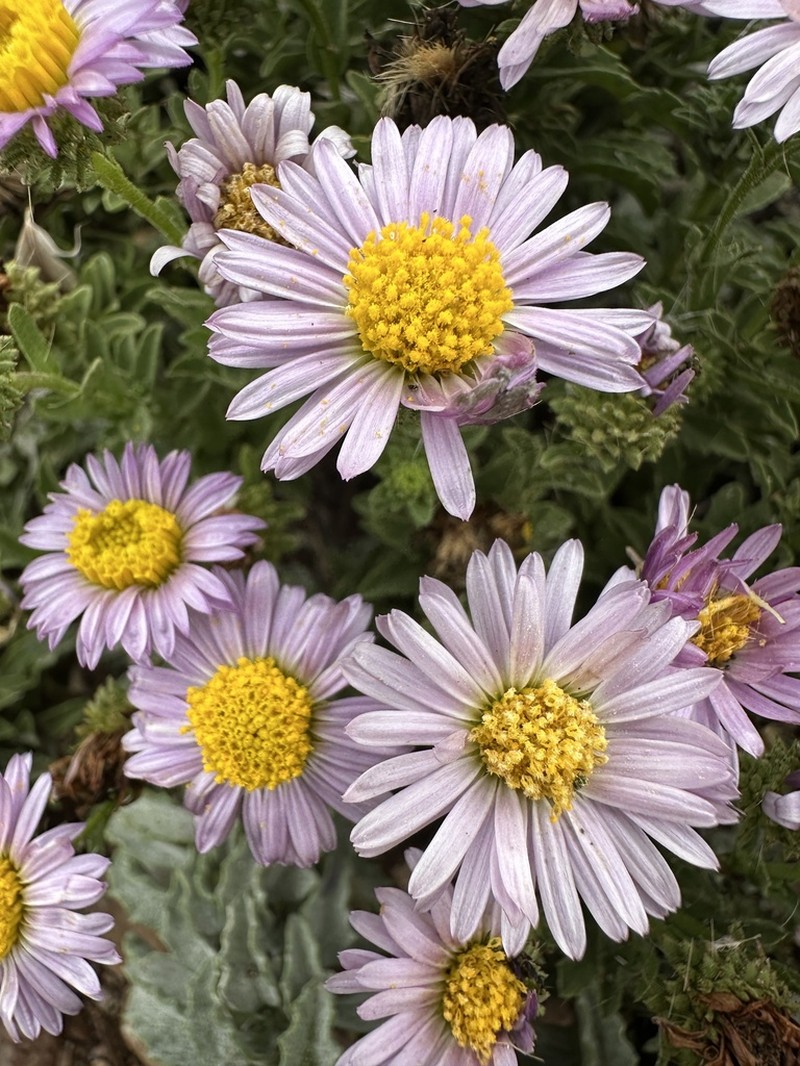
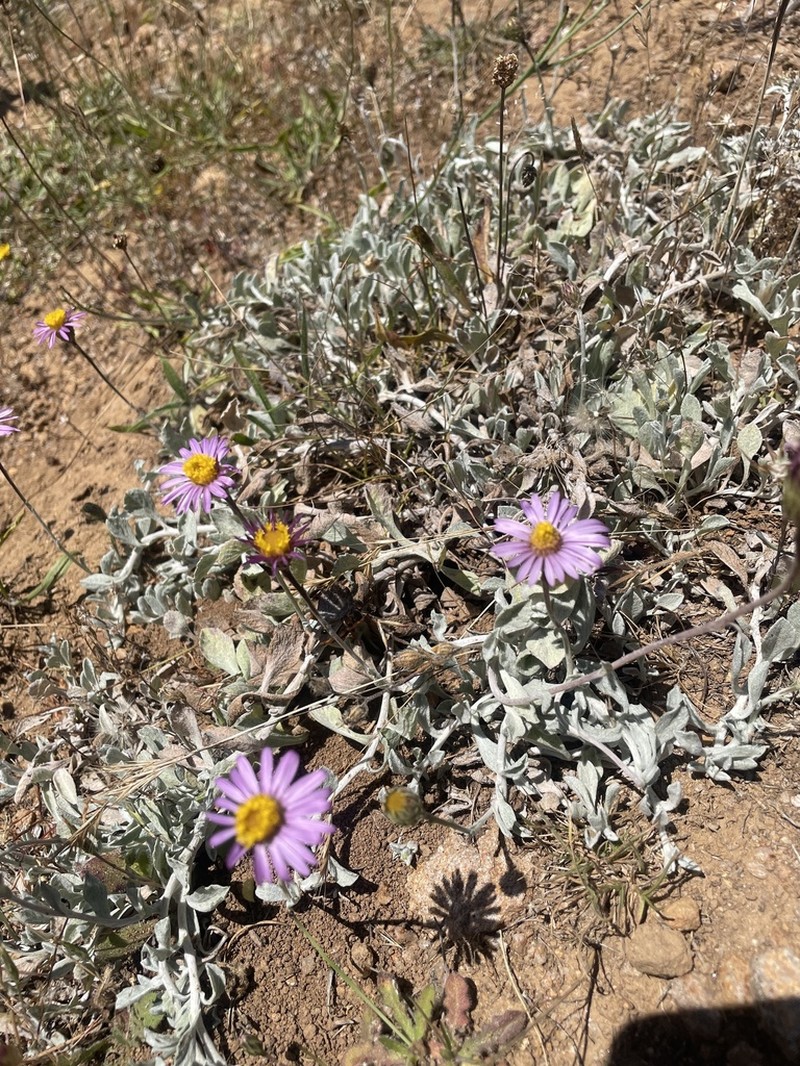
Taxonomy
- Division:
- Magnoliophyta | - Flowering plants
- Family:
- Asteraceae
- Genus:
- Corethrogyne
- Species:
- Corethrogyne filaginifolia
- USDA Symbol:
- COFI2
Growth Characteristics
- Life Cycle:
- Perennial
- Growth Habit:
- Forb/herb , Subshrub
- Height:
- 100 cm
- Light Requirements:
- Full Sun
- Drought Tolerance:
- High
- Bloom Months:
- jun,jul,aug,sep,oct
- Bloom Colors:
- pink, purple, white
Wildlife Benefits
- Bees:
- ★★☆☆☆ Documented bee visitation (GBIF)
- Butterflies & Moths:
- ★☆☆☆☆ Documented Lepidoptera association (GBIF)
- Caterpillars:
- ★☆☆☆☆ Recorded caterpillar host plant (HOSTS Database)
Host Plant for Caterpillars
Gabb's Yellow (Charidryas gabbii)
Reported Fauna Sightings
Bees: Anthophora curta, Anthophora urbana, Bombus sonorus, Yellow-faced bumble (Bombus vosnesenskii) Butterflies:Checkered White (Pontia protodice), Fiery Skipper (Hylephila phyleus), Icaricia acmon, Marine Blue (Leptotes marina), Northern White-Skipper (Heliopetes ericetorum), Orange Sulphur (Colias eurytheme), Small White (Pieris rapae), Woodland Skipper (Ochlodes sylvanoides)
Garden & Ecology Notes
- Wildlife Value:
- butterflies, bees
- Deer Resistant:
- Yes
- Salt Tolerant:
- Yes
- Fire Ecology:
- Fire adapted — tolerates or benefits from fire
- Fire Notes:
- Resprouts from root crown after fire; adapted to chaparral and coastal sage scrub fire regimes.
Soil Requirements
- Soil Type:
- sandy, well-drained, nutrient-poor soil
- pH:
- 5.5 - 7.5 (slightly acidic to neutral)
- Drainage:
- excellent drainage required
- Moisture:
- dry to moderate
- Notes:
- Common in coastal scrub and chaparral habitats
Propagation & Germination
- Stratification:
- Cold/moist stratification required — 30–60 days
- Germination Time:
- 14–30 days
- Notes:
- Seeds benefit from cold stratification for 30-60 days to improve germination.