
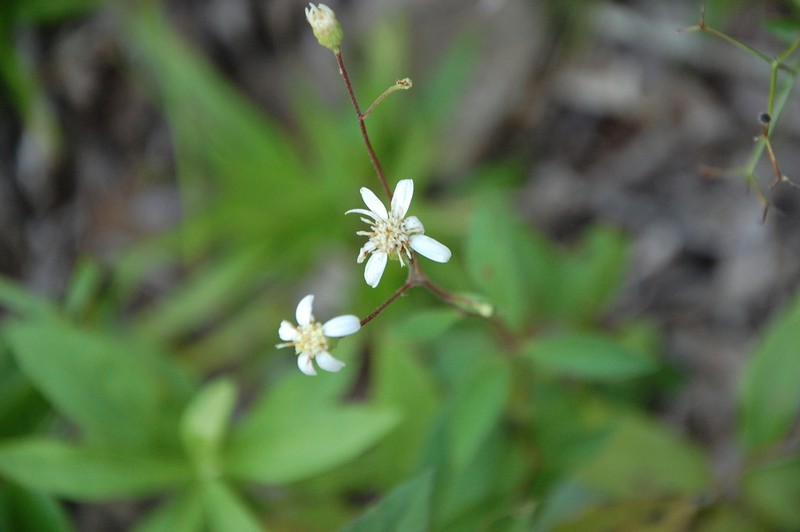
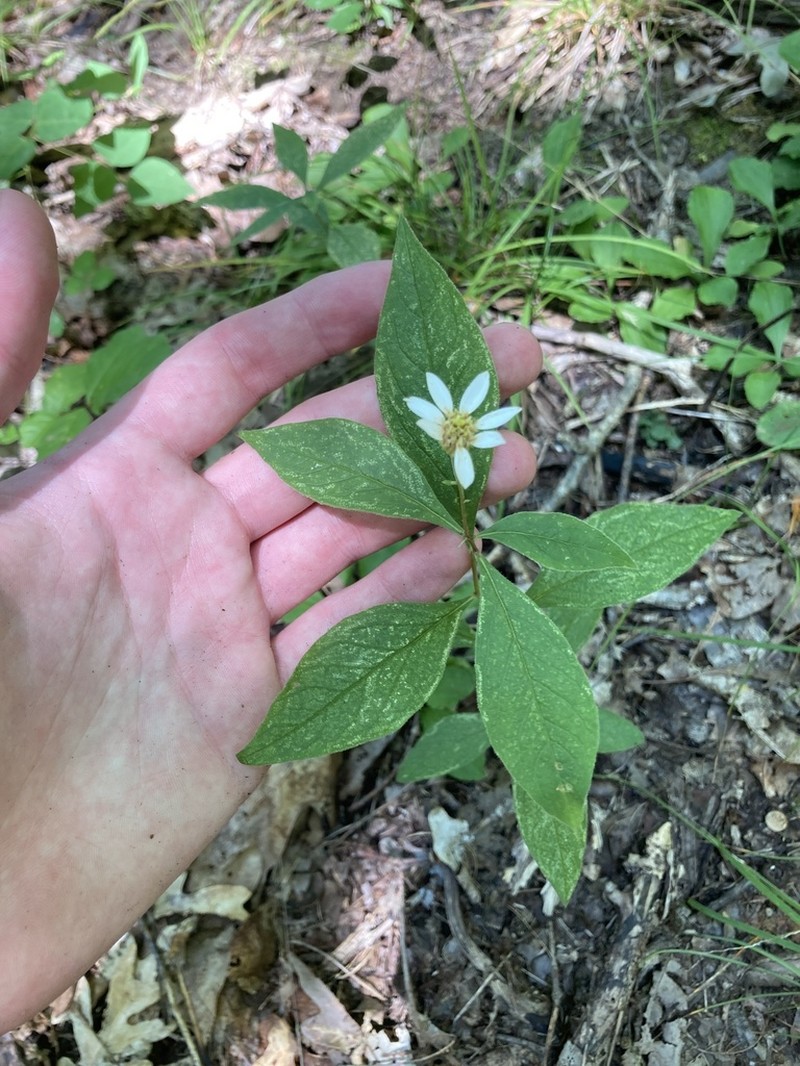
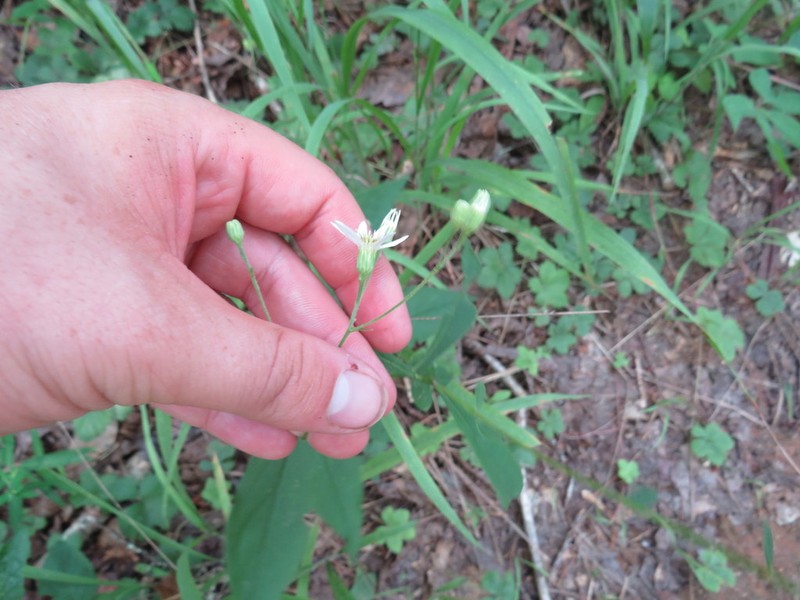
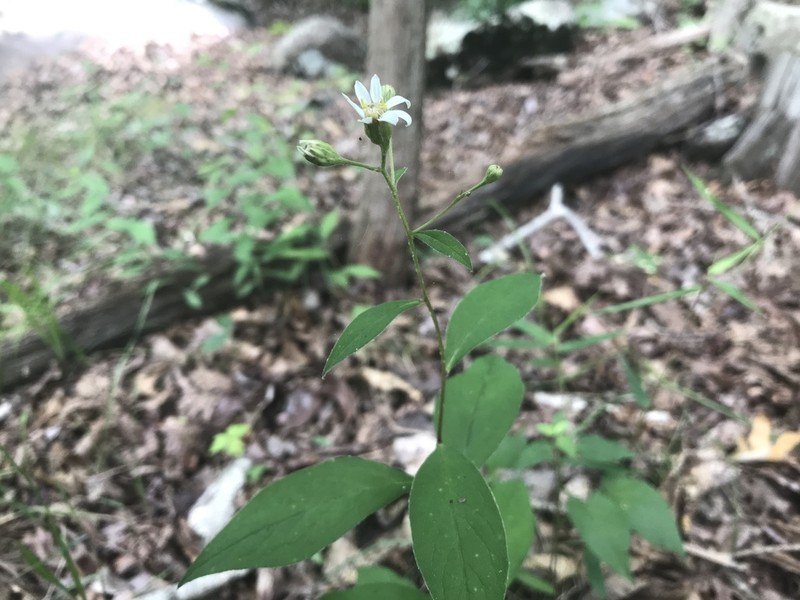
Cornel-Leaf Whitetop
Doellingeria infirma
- Native to:
- United States, Virgin Islands
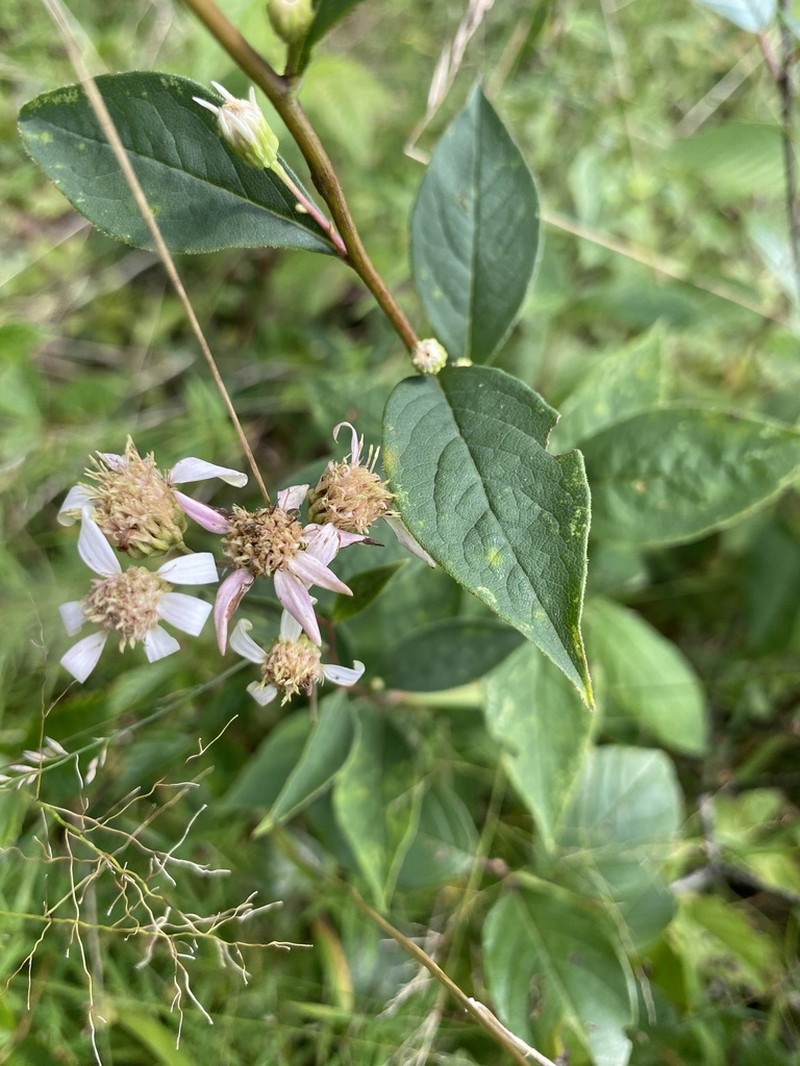
iNaturalist: © plantsarepeopletoo (iNaturalist #235780285)
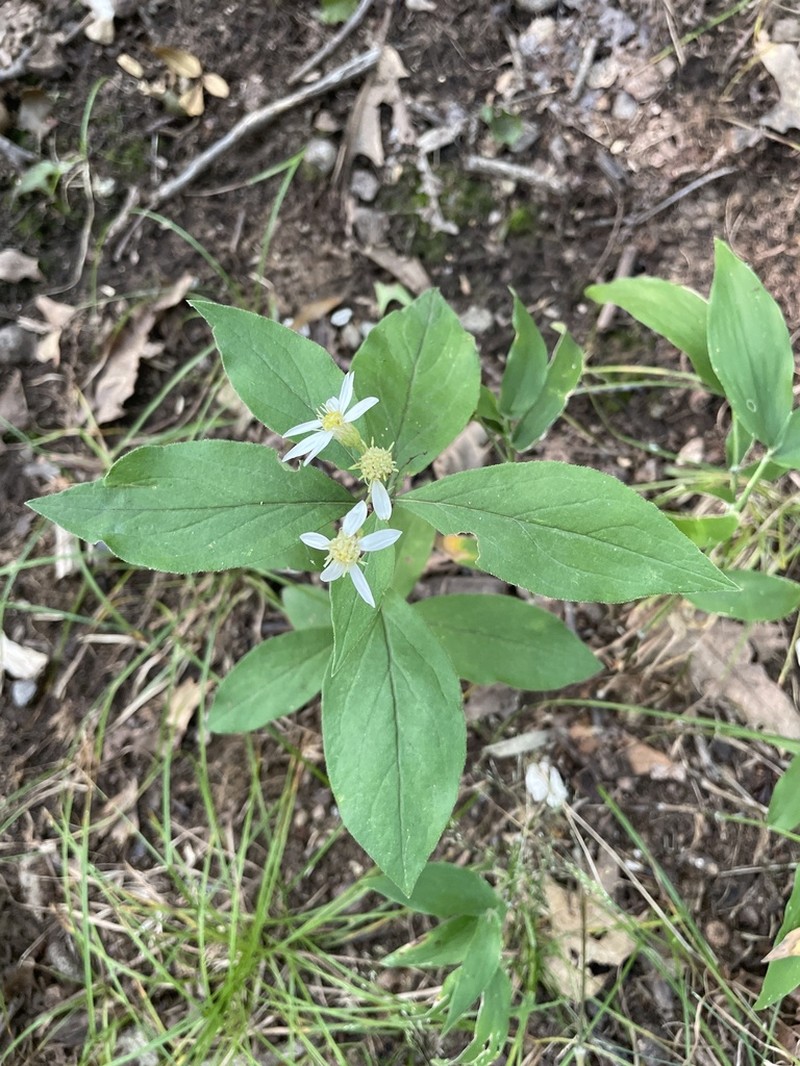
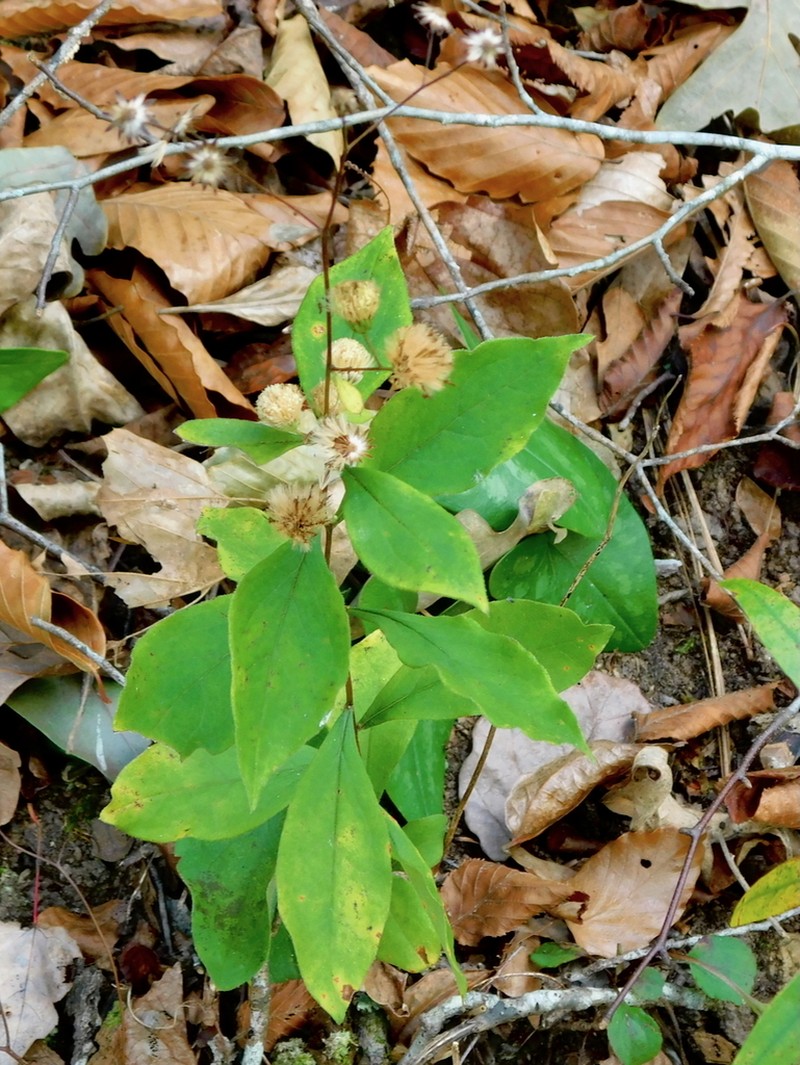
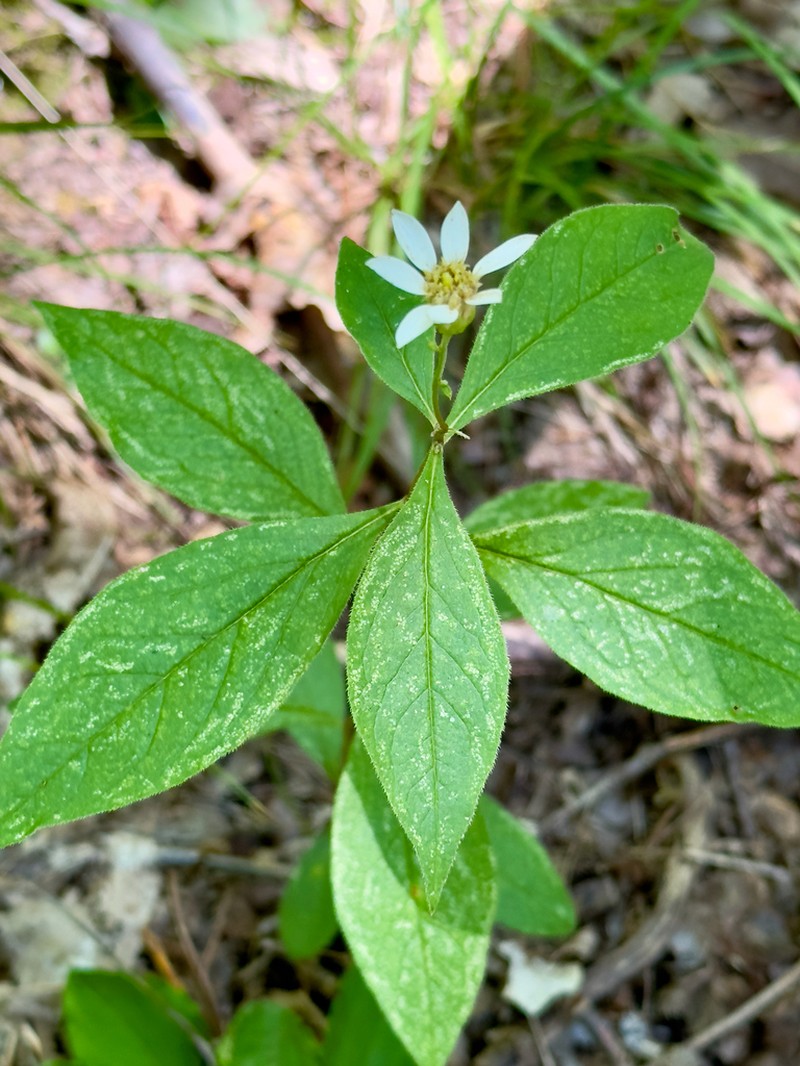
Taxonomy
- Division:
- Magnoliophyta | - Flowering plants
- Family:
- Asteraceae
- Genus:
- Doellingeria
- Species:
- Doellingeria infirma
- USDA Symbol:
- DOIN2
Growth Characteristics
- Life Cycle:
- Perennial
- Growth Habit:
- Forb/herb
- Height:
- 120 cm
- Light Requirements:
- Full Sun
- Drought Tolerance:
- Low
- Bloom Months:
- aug,sep,oct
- Bloom Colors:
- white
Wildlife Benefits
- Bees:
- ★☆☆☆☆ Documented bee visitation (GBIF)
- Butterflies & Moths:
- ★☆☆☆☆ Documented Lepidoptera association (GBIF)
- Caterpillars:
- ★★★☆☆ Recorded caterpillar host plant (HOSTS Database)
Keystone Species Ranking
- Caterpillar Keystone:
- ★★☆☆☆ Butterfly & moth species supported by this genus (NWF)
- Pollen Specialist Bee Keystone:
- ★★★★☆ Native pollen specialist bee species supported by this genus (NWF)
Host Plant for Caterpillars
aeroplane looper moth (Diachrysia aereoides), Allen's Aphelia (Aphelia alleniana), Brown-hooded owlet (Cucullia convexipennis), Carmenta corni, Coleophora bidens, Cucullia florea, Cucullia postera, Dichrorampha immaculata, Gnorimoschema gallaeasterella, Impecunious Borer Moth (Papaipema impecuniosa), Melanchra assimilis, Puss Moth (Eupsilia devia), Spiramater lutra, Striped Garden Caterpillar Moth (Trichordestra legitima), Uncertain (Allagrapha aerea), Harris's Cracker (Charidryas harrisii), orange oakleaf (Charidryas nycteis), Pearl Crescent (Phyciodes tharos), tawny crescent (Phyciodes batesii)
Garden & Ecology Notes
- Wildlife Value:
- butterflies, bees
Soil Requirements
- Soil Type:
- rich, well-drained loamy soil
- pH:
- 5.5 - 6.5 (slightly acidic to neutral)
- Drainage:
- excellent drainage required
- Moisture:
- consistently moist
- Notes:
- prefers forest edges and clearings
Propagation & Germination
- Stratification:
- Cold/moist stratification required — 60–90 days
- Germination Time:
- 14–30 days
- Notes:
- Seeds germinate after cold stratification; surface sow on moist soil.
Pre-treatment: None required
Establishment: Seeds collected in Acadia National Park, Maine by Martin van der Grinten in September/October by hand harvest. The range of flat-topped Aster is from Newfoundland to Minnesota and Illinois, and south to Georgia. Found in open fields and borders of wetter areas.
Source: npn.rngr.net