
Tall Elephantsfoot
Elephantopus elatus
- Native to:
- United States
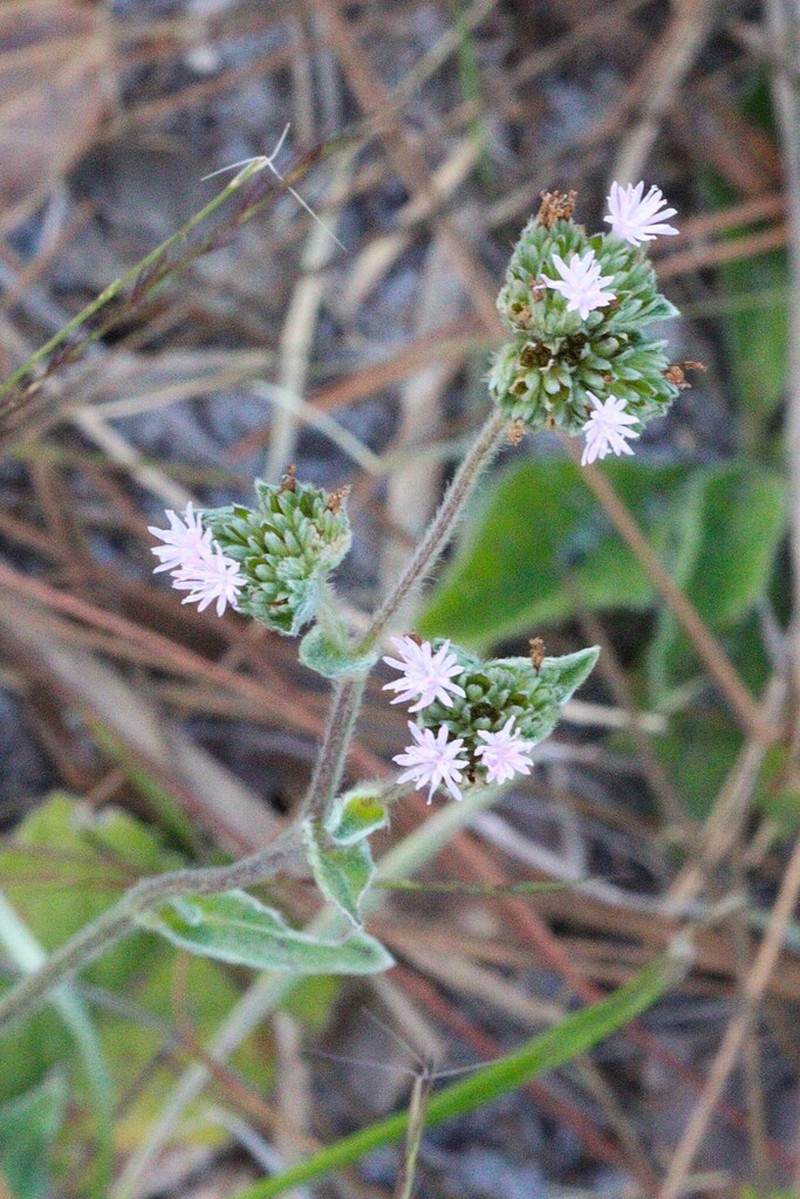
iNaturalist: © lwridge (iNaturalist #325788341)
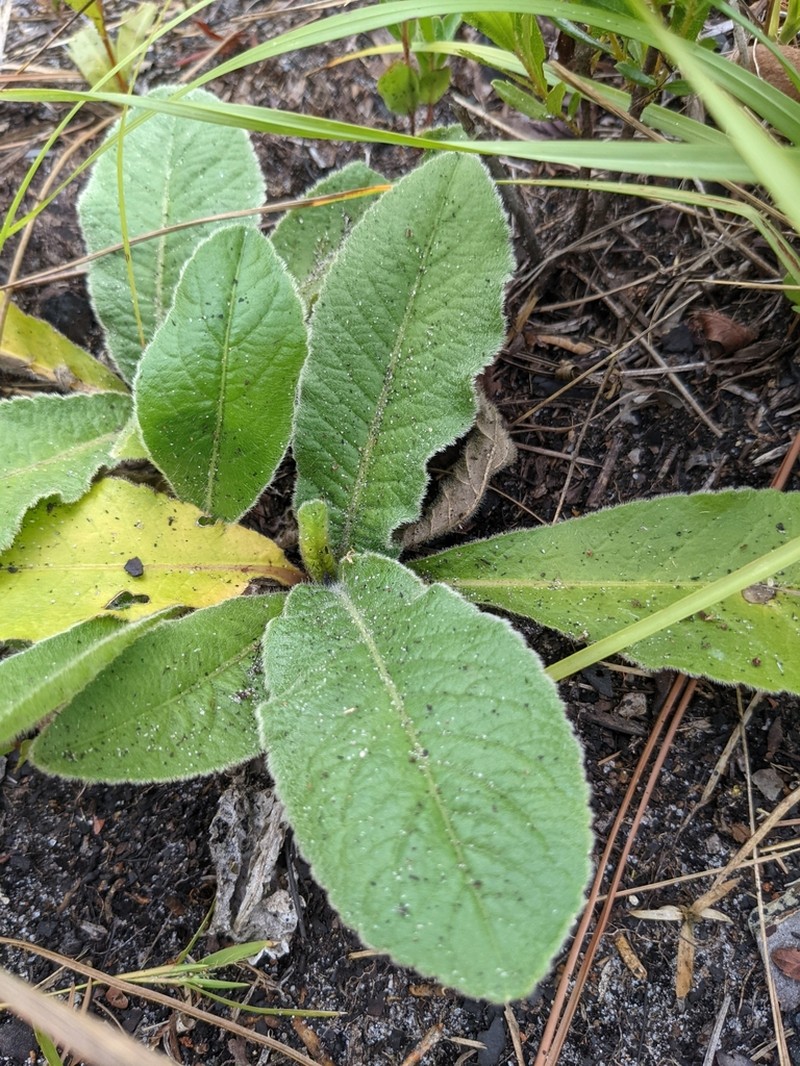
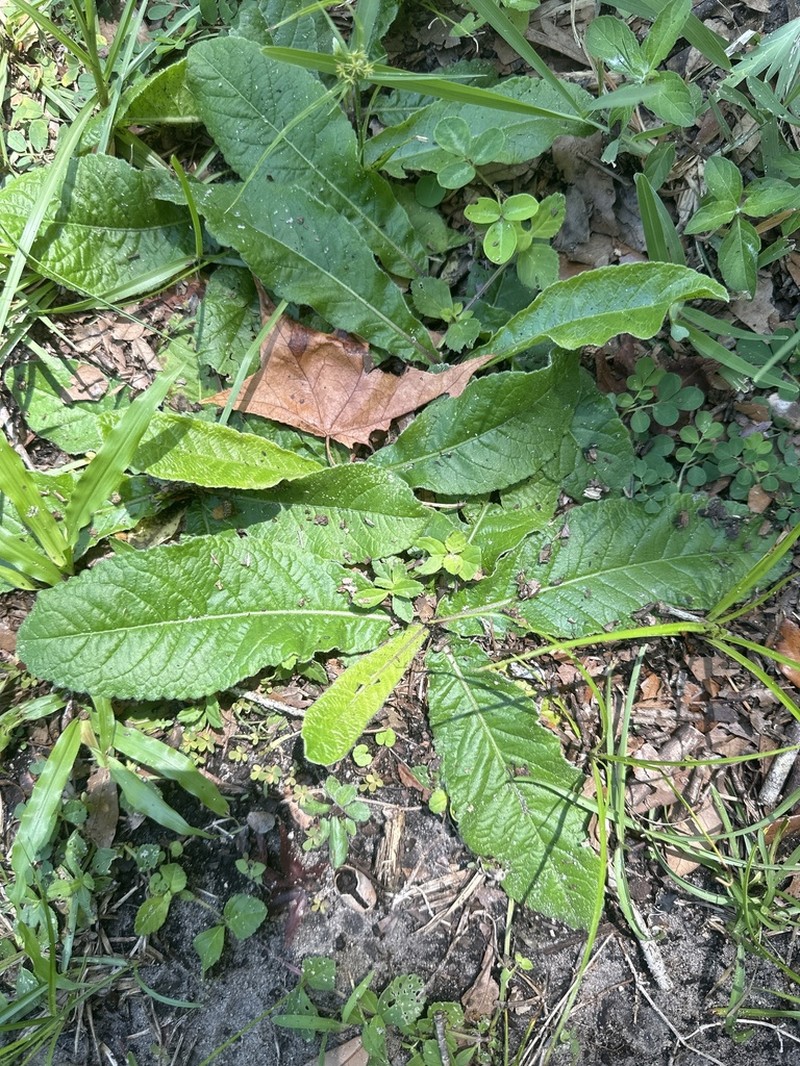
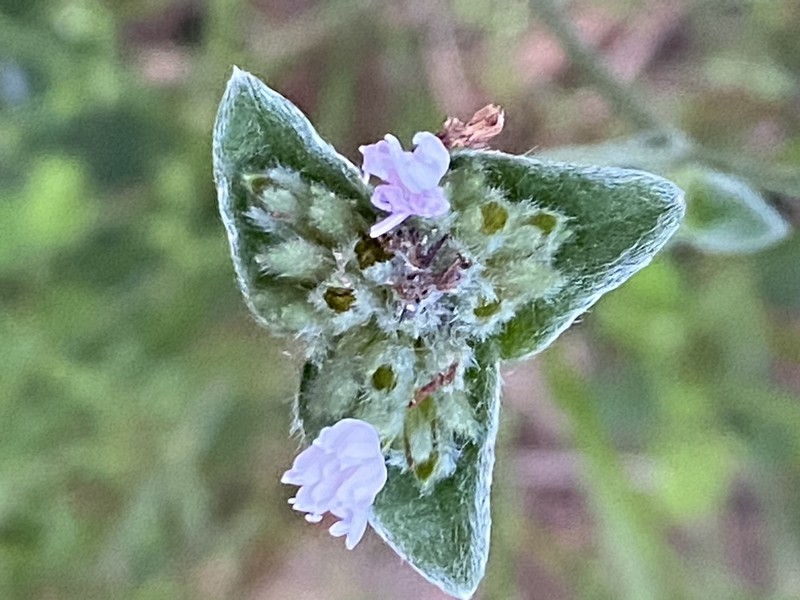
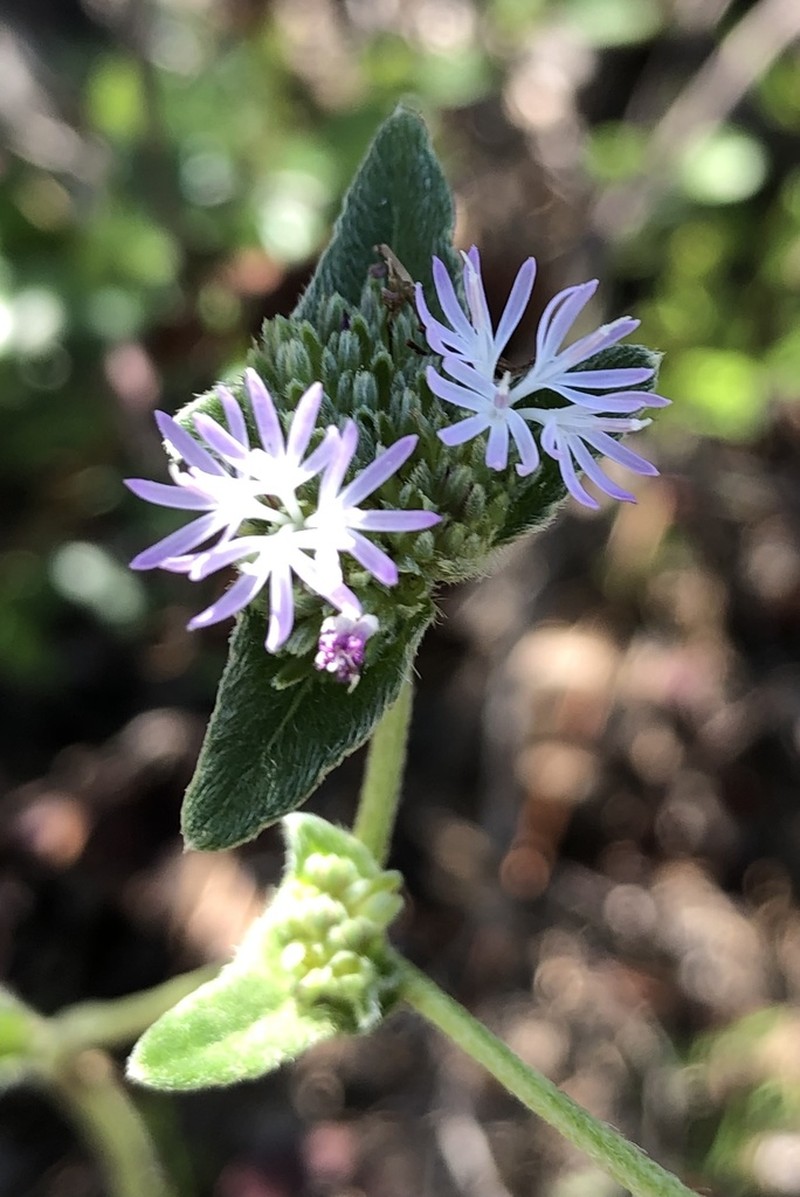
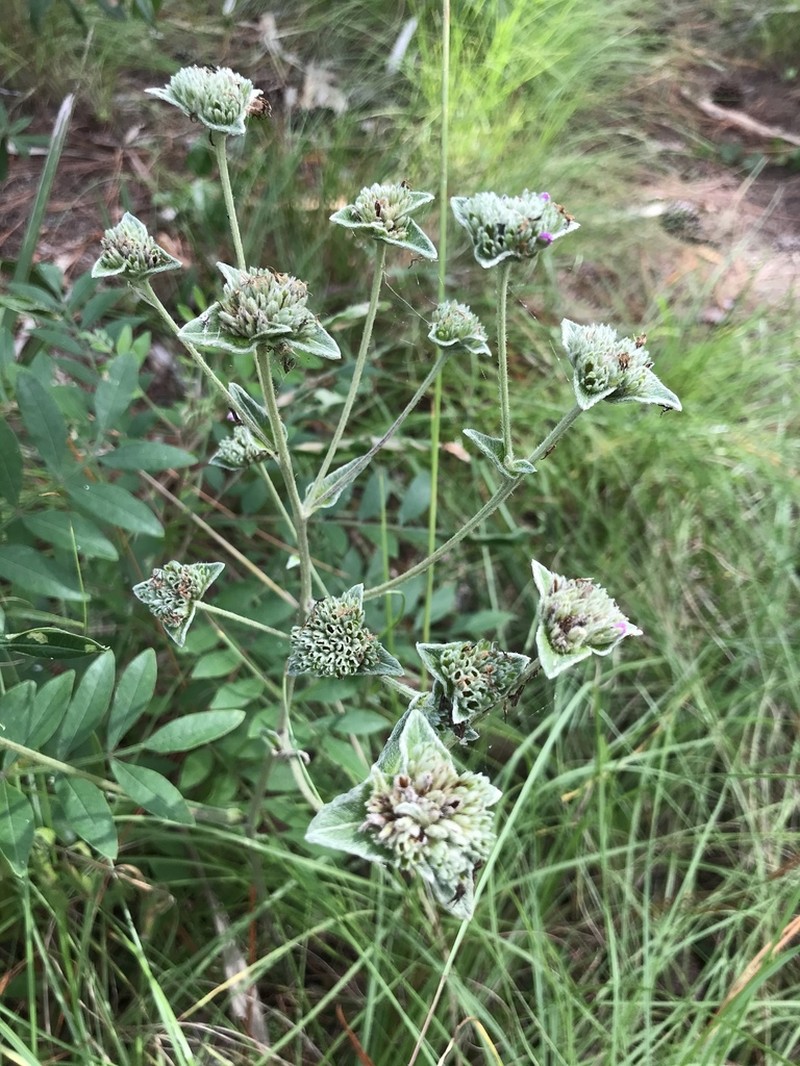
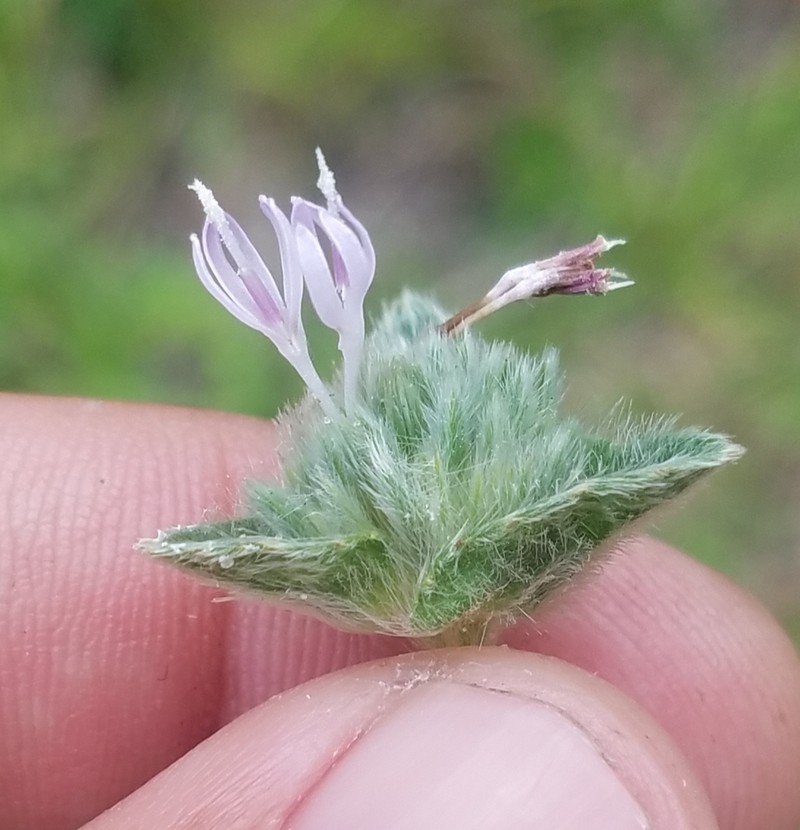
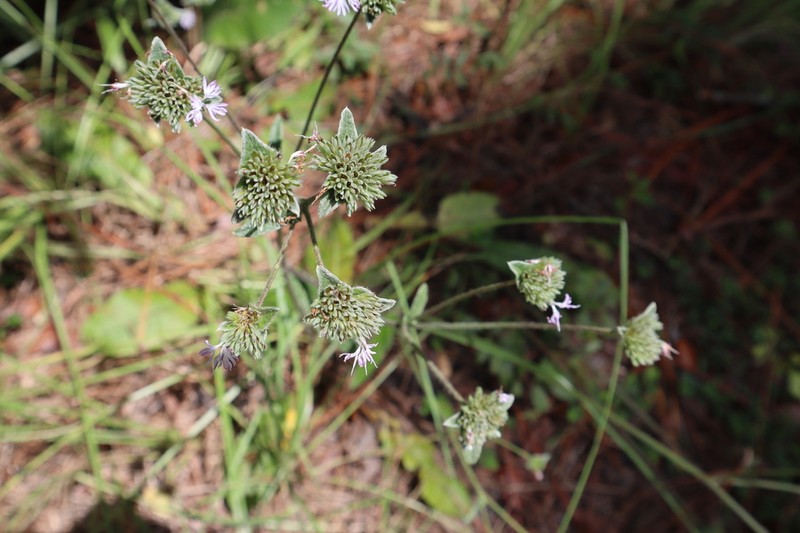
Taxonomy
- Division:
- Magnoliophyta | - Flowering plants
- Family:
- Asteraceae
- Genus:
- Elephantopus
- Species:
- Elephantopus elatus
- USDA Symbol:
- ELEL3
Growth Characteristics
- Life Cycle:
- Perennial
- Growth Habit:
- Forb/herb
- Height:
- 90 cm
- Light Requirements:
- Full Sun
- Drought Tolerance:
- Low
- Bloom Months:
- aug,sep,oct
- Bloom Colors:
- purple, pink, white
Wildlife Benefits
- Bees:
- ★☆☆☆☆ Documented bee visitation (GBIF)
- Butterflies & Moths:
- ★☆☆☆☆ Documented Lepidoptera association (GBIF)
Reported Fauna Sightings
Butterflies:Dukes' skipper (Euphyes dukesi), Dun Skipper (Euphyes vestris), Horace's Duskywing (Erynnis horatius), Long-tailed Skipper (Urbanus proteus), Phaon Crescent (Phyciodes phaon), White Peacock (Anartia jatrophae)
Garden & Ecology Notes
- Wildlife Value:
- butterflies, bees
Soil Requirements
- Soil Type:
- sandy, well-drained, nutrient-poor soil
- pH:
- 5.5 - 6.5 (slightly acidic)
- Drainage:
- excellent drainage required
- Moisture:
- dry to moderate
- Notes:
- native to open, sandy areas and pine flatwoods