
Brittlebush
Encelia farinosa
- Native to:
- Mexico, United States
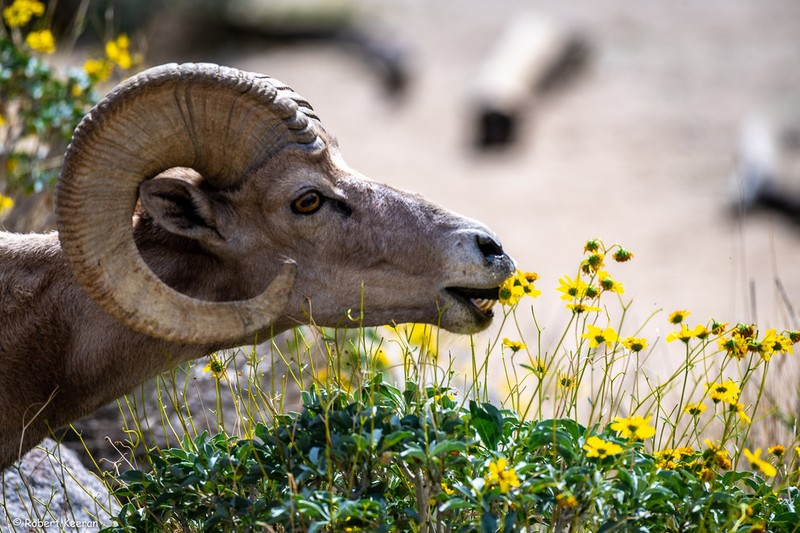
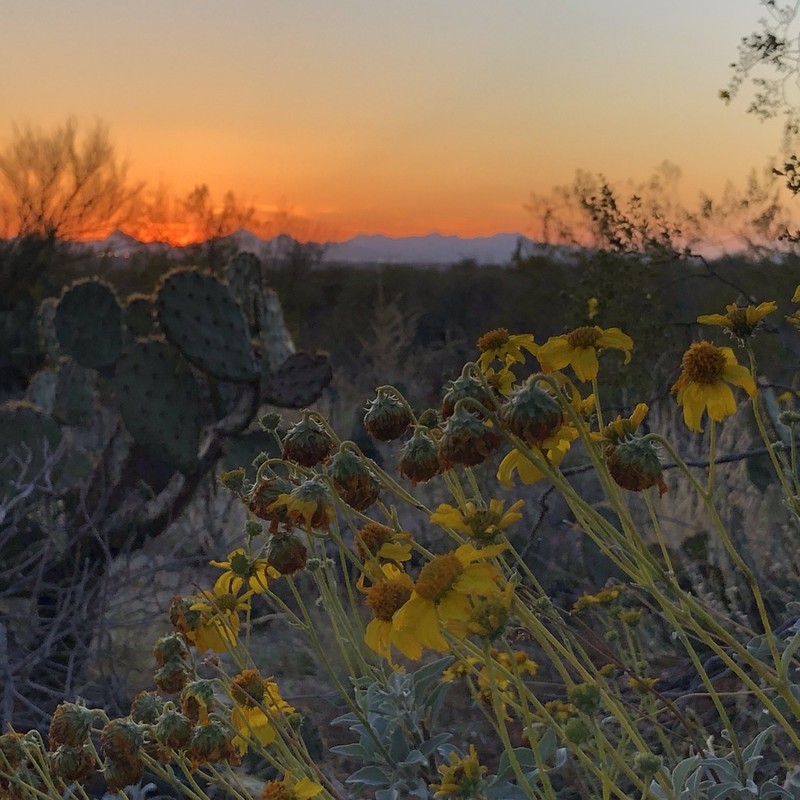
iNaturalist: © bobkeeran (iNaturalist #107866811)
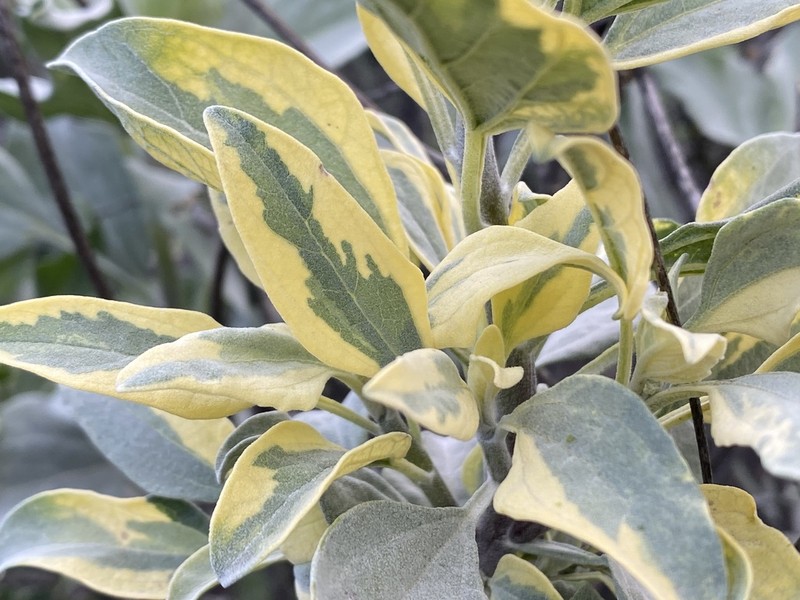
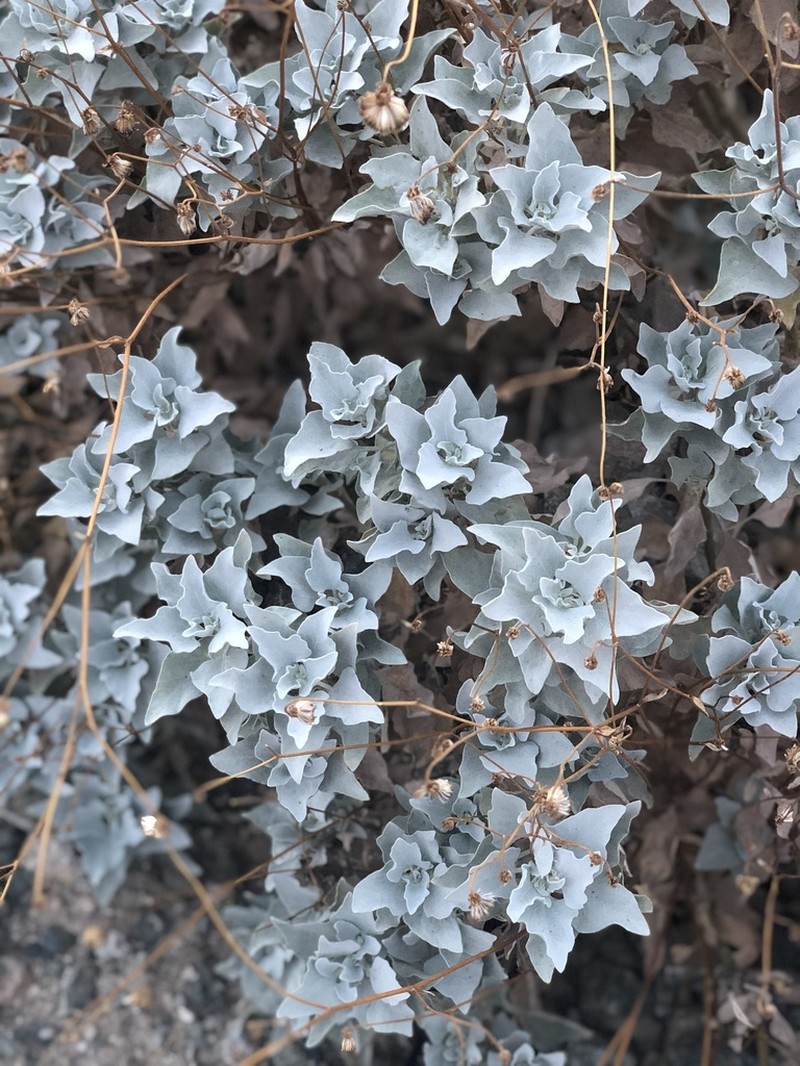
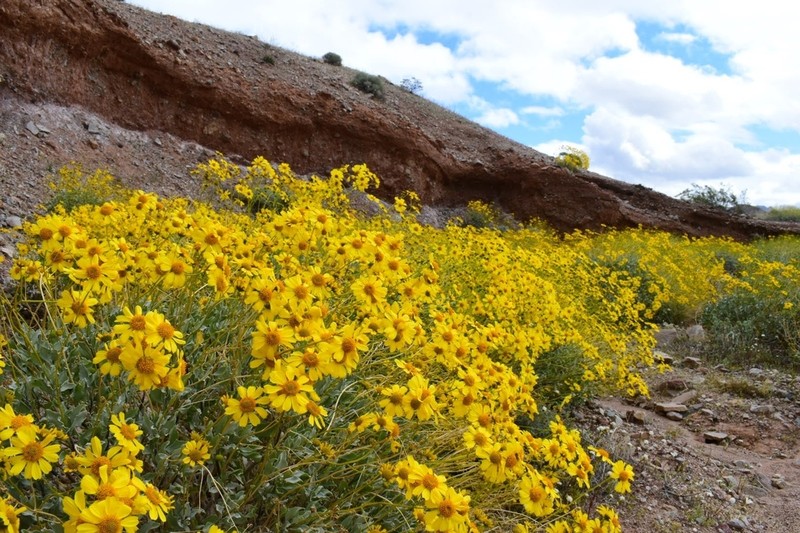
Taxonomy
- Division:
- Magnoliophyta | - Flowering plants
- Family:
- Asteraceae
- Genus:
- Encelia
- Species:
- Encelia farinosa
- USDA Symbol:
- ENFA
Growth Characteristics
- Life Cycle:
- Perennial
- Growth Habit:
- Shrub , Subshrub
- Height:
- 150 cm
- Light Requirements:
- Full Sun
- Drought Tolerance:
- High
- Bloom Months:
- mar,apr,may,jun
- Bloom Colors:
- yellow
- Evergreen Shrub:
- Yes
- Landscaping Shrub:
- Yes
Wildlife Benefits
- Bees:
- ★★★★☆ Documented bee visitation (GBIF)
- Butterflies & Moths:
- ★★★☆☆ Documented Lepidoptera association (GBIF)
- Caterpillars:
- ★☆☆☆☆ Recorded caterpillar host plant (HOSTS Database)
Keystone Species Ranking
- Pollen Specialist Bee Keystone:
- ★★★★★ Native pollen specialist bee species supported by this genus (NWF)
Host Plant for Caterpillars
Bucculatrix enceliae, Carolella willettana
Reported Fauna Sightings
Bees: Brachymelecta californica, ⚠️Western honey bee (Apis mellifera) Moths:Bucculatrix enceliae, Eugnosta willettana, White-lined sphinx moth (Hyles lineata) Butterflies:⚠️Monarch butterfly (Danaus plexippus), Painted Lady (Vanessa cardui)
Garden & Ecology Notes
- Wildlife Value:
- birds, butterflies
- Deer Resistant:
- Yes
- Fire Ecology:
- Fire adapted — tolerates or benefits from fire
- Fire Notes:
- Resprouts from root crown after fire; seeds also germinate in post-fire conditions.
Soil Requirements
- Soil Type:
- sandy, well-drained, nutrient-poor soil
- pH:
- 6.0 - 8.0 (slightly acidic to neutral)
- Drainage:
- excellent drainage required
- Moisture:
- dry to moderate
- Notes:
- Thrives in arid desert conditions
Propagation & Germination
- Stratification:
- None required
- Germination Time:
- 7–21 days
- Notes:
- Seeds germinate readily without pretreatment in warm conditions.
Pre-treatment: Seeds are sown soon after collection. For stored seeds, use gibrellic acid soak. Seeds can be directly sown or soaked in water overnight prior to sowing.
Source: npn.rngr.net
Where to Buy
Nationwide Seller
- Native Seed Group (seeds)