
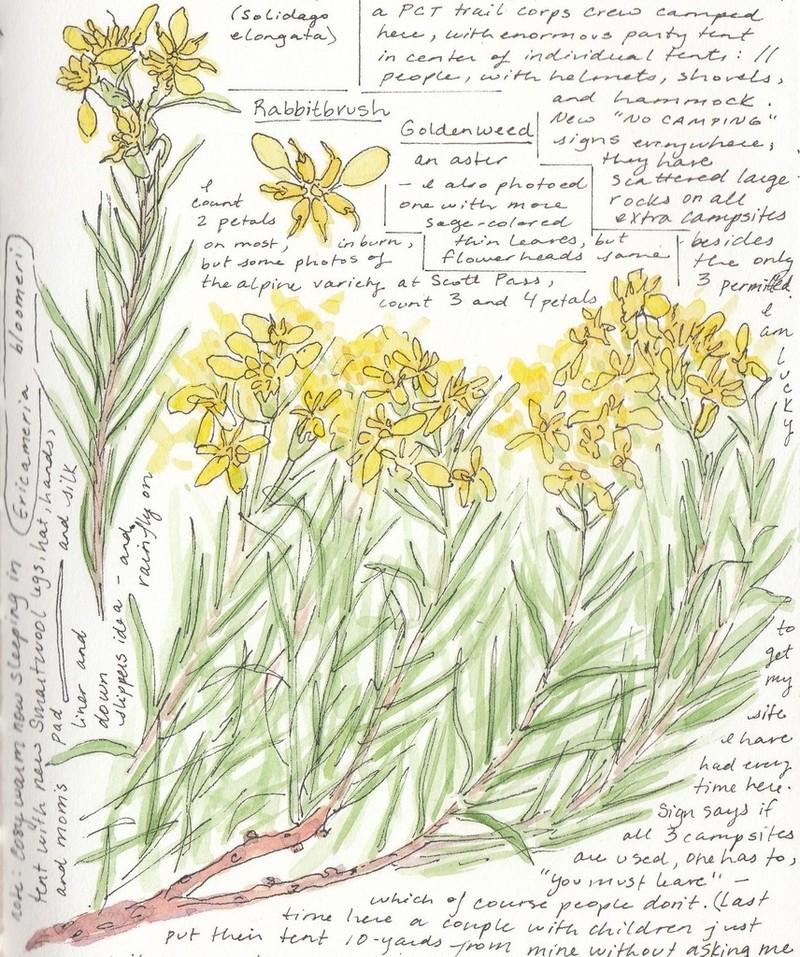
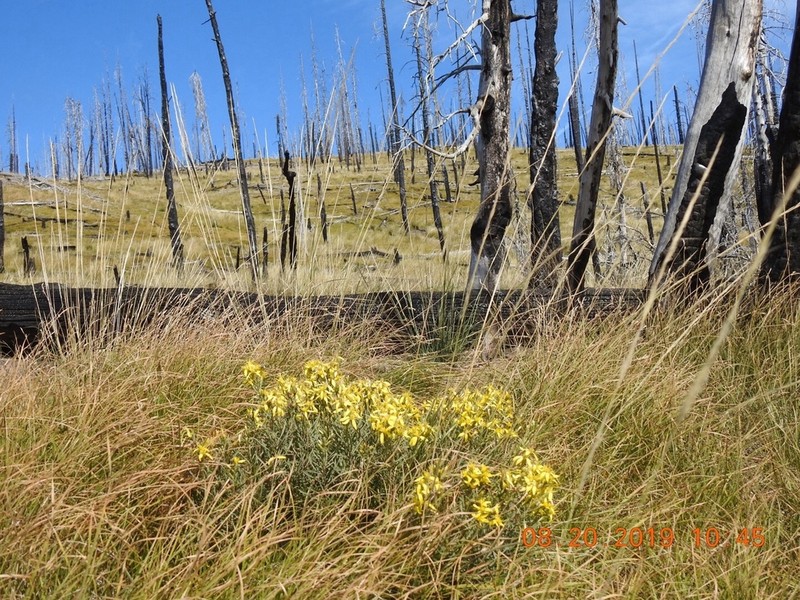
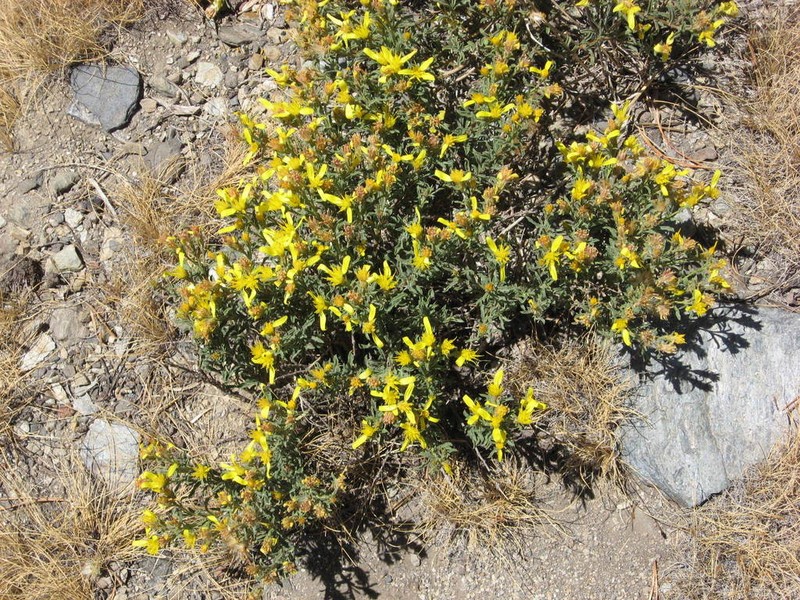
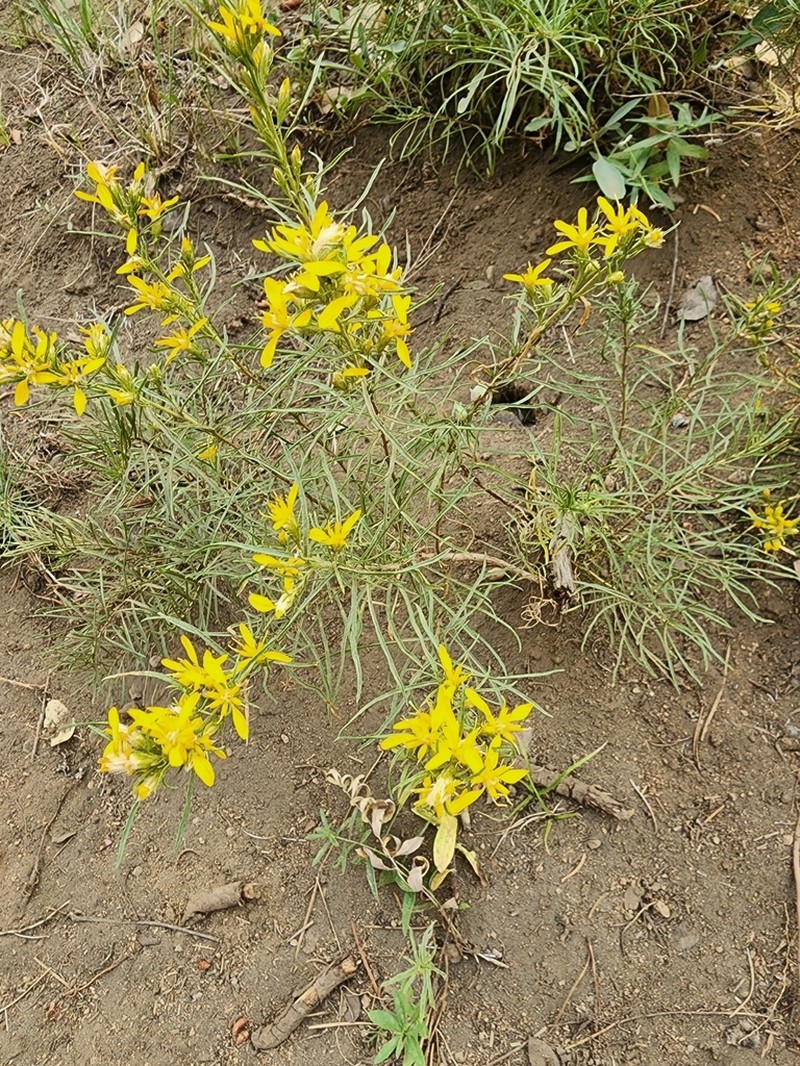
Rabbitbush
Ericameria bloomeri
- Native to:
- Canada, United States
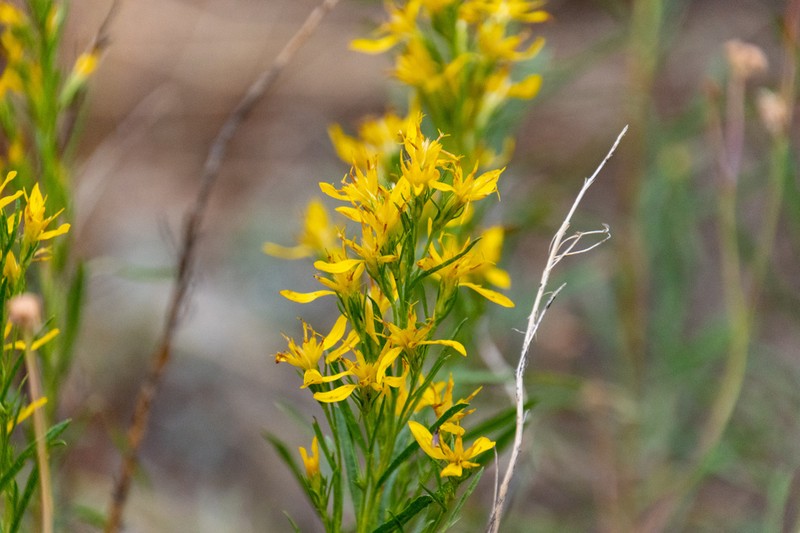
iNaturalist: © ckjannabirds (iNaturalist #4196863)
Taxonomy
- Division:
- Magnoliophyta | - Flowering plants
- Family:
- Asteraceae
- Genus:
- Ericameria
- Species:
- Ericameria bloomeri
- USDA Symbol:
- ERBL2
Growth Characteristics
- Life Cycle:
- Perennial
- Growth Habit:
- Shrub
- Height:
- 120 cm
- Light Requirements:
- Full Sun
- Drought Tolerance:
- High
- Bloom Months:
- aug,sep,oct
- Bloom Colors:
- yellow
- Landscaping Shrub:
- Yes
Wildlife Benefits
- Bees:
- ★☆☆☆☆ Documented bee visitation (GBIF)
- Butterflies & Moths:
- ★☆☆☆☆ Documented Lepidoptera association (GBIF)
Keystone Species Ranking
- Pollen Specialist Bee Keystone:
- ★★★★★ Native pollen specialist bee species supported by this genus (NWF)
Reported Fauna Sightings
Bees: Central bumble bee (Bombus centralis), Indiscriminate cuckoo bumble bee (Bombus insularis), Two-form bumble bee (Bombus bifarius), Western bumble bee (Bombus occidentalis), Yellow-faced bumble bee (Bombus vosnesenskii)
Garden & Ecology Notes
- Wildlife Value:
- bees, butterflies
- Deer Resistant:
- Yes
- Fire Ecology:
- Fire adapted — tolerates or benefits from fire
- Fire Notes:
- Resprouts from root crown after fire; seeds germinate well on mineral soil post-fire.
Soil Requirements
- Soil Type:
- sandy, well-drained, nutrient-poor soil
- pH:
- 5.5 - 7.5 (slightly acidic to neutral)
- Drainage:
- excellent drainage required
- Moisture:
- dry to moderate
- Notes:
- native to arid, rocky slopes and open woodlands
Propagation & Germination
- Stratification:
- Cold/moist stratification required — 30–60 days
- Germination Time:
- 14–30 days
- Notes:
- Seeds benefit from cold stratification for 30-60 days to break dormancy.
Pre-treatment: 2 weeks cold-moist stratification. No germination without stratification, but longer periods (up to 6 weeks) did not enhance germination.
Establishment: Seed collected in late August / September. Seed production can be very limited in some years, and there may be extensive insect damage on seeds and flowering heads. The plant is native to Northwest US., California, Nevada, Idaho, and is found around pumice flats and other dry, open areas in Crater lake.
Source: npn.rngr.net