
Canadian Horseweed
Erigeron canadensis
- Native to:
- Bahamas, Belize, Bolivia, Brazil, Canada, Cayman Is., Colombia, Costa Rica, Dominican Republic, Ecuador, El Salvador, French Guiana, Galápagos, Guam, Guatemala, Haiti, Honduras, Jamaica, Leeward Is., Mexico, Navassa Island, Nicaragua, Palau, Panamá, Peru, Prince Edward I., Puerto Rico, Suriname, Trinidad-Tobago, Turks-Caicos Is., U.S. Minor Outlying Islands, United States, Venezuela, Virgin Islands, Windward Is.
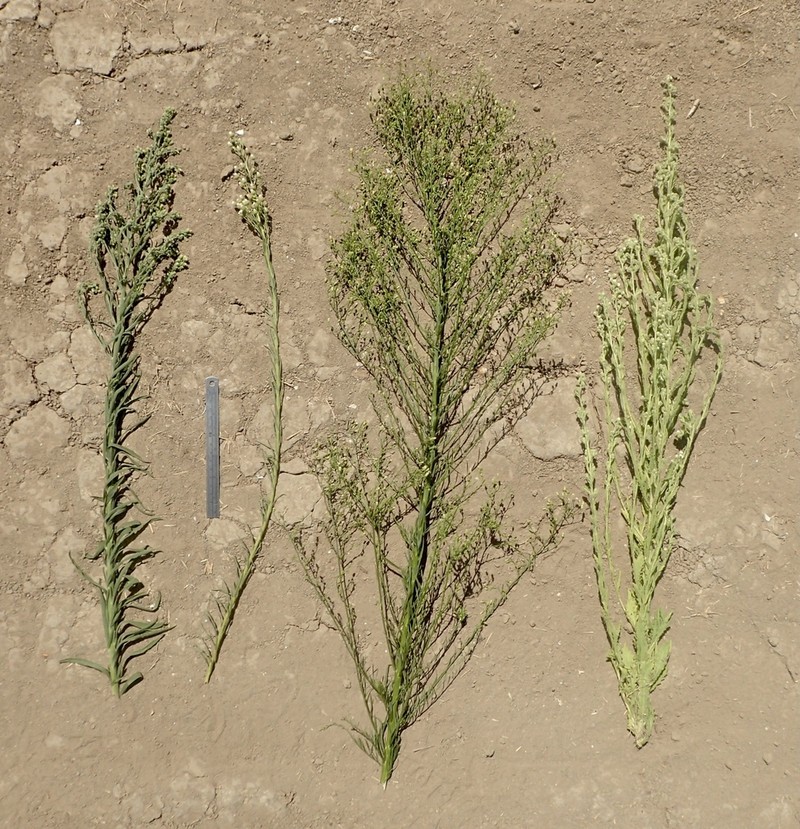
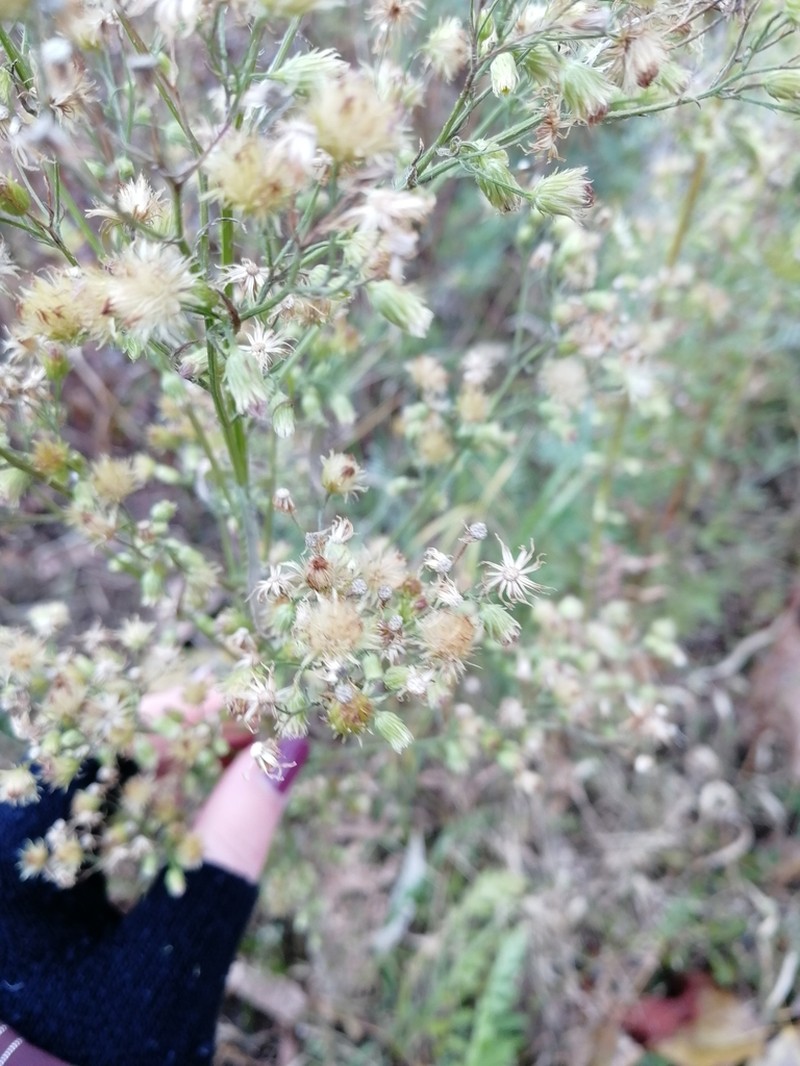
iNaturalist: © ronvanderhoff (iNaturalist #92982982)
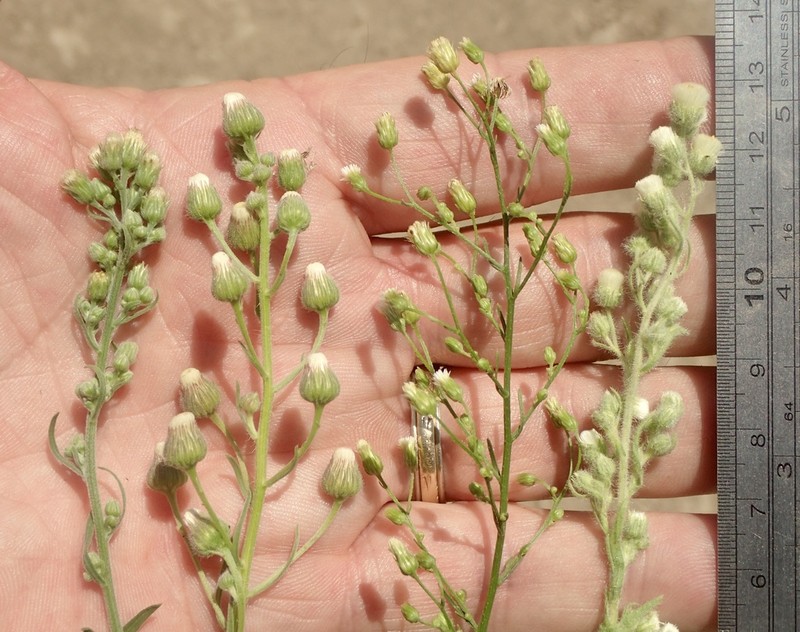
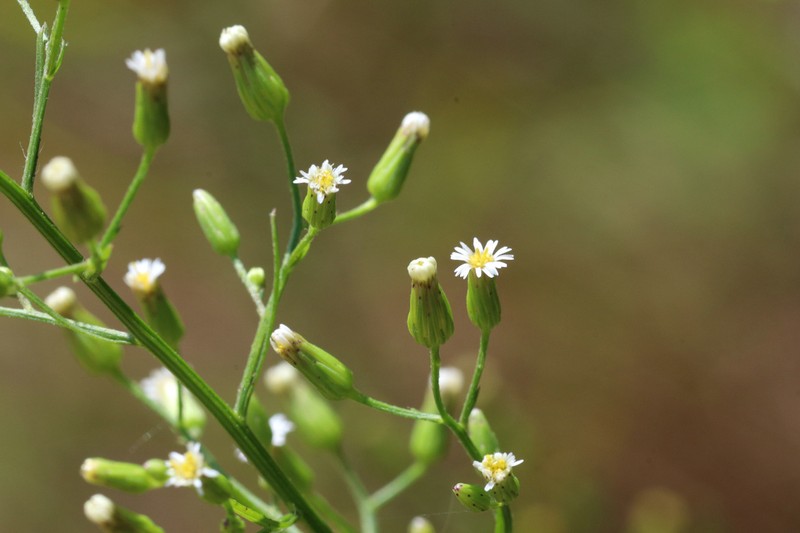
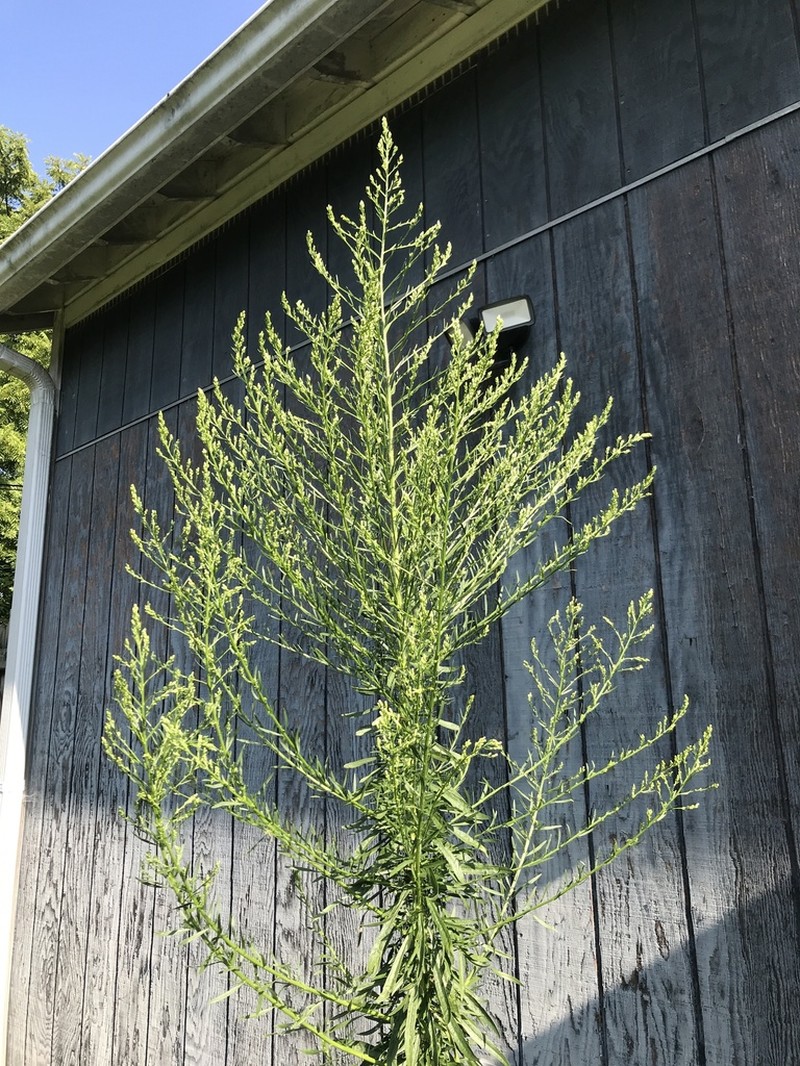
Taxonomy
- Division:
- Magnoliophyta | - Flowering plants
- Family:
- Asteraceae
- Genus:
- Erigeron
- Species:
- Erigeron canadensis
- USDA Symbol:
- COCA5
Growth Characteristics
- Life Cycle:
- Annual | Biennial
- Growth Habit:
- Forb/herb
- Height:
- 150 cm
- Light Requirements:
- Full Sun
- Drought Tolerance:
- High
- Bloom Months:
- jun,jul,aug,sep,oct
- Bloom Colors:
- white, yellow
Wildlife Benefits
- Bees:
- ★☆☆☆☆ Documented bee visitation (GBIF)
- Butterflies & Moths:
- ★★★★★ Documented Lepidoptera association (GBIF)
- Caterpillars:
- ★★☆☆☆ Recorded caterpillar host plant (HOSTS Database)
Keystone Species Ranking
- Caterpillar Keystone:
- ★★★☆☆ Butterfly & moth species supported by this genus (NWF)
- Pollen Specialist Bee Keystone:
- ★★★★☆ Native pollen specialist bee species supported by this genus (NWF)
Host Plant for Caterpillars
blackberry looper (Chlorochlamys chloroleucaria), common eupithecia (Eupithecia miserulata), Cucullia florea, Sharp Stigma Looper (Ctenoplusia oxygramma), Sicya sp., sparganothis fruitworm moth (Sparganothis sulfureana), Speyer's Hooded Owlet (Cucullia speyeri), Variegated cutworm (Peridroma saucia), Wavy-lined Emerald (Synchlora aerata), Yellow-striped armyworm (Spodoptera ornithogalli), orange oakleaf (Charidryas nycteis)
Reported Fauna Sightings
Moths:Parectopa plantaginisella
Garden & Ecology Notes
- Wildlife Value:
- birds, butterflies
- Deer Resistant:
- Yes
- Salt Tolerant:
- Yes
- Fire Ecology:
- Fire adapted — tolerates or benefits from fire
- Fire Notes:
- Increases after fire due to seed bank and open conditions.
Soil Requirements
- Soil Type:
- poor, sandy, well-drained soil
- pH:
- 4.5 - 7.5 (acidic to neutral)
- Drainage:
- excellent drainage required
- Moisture:
- dry to moderate
- Notes:
- commonly found in disturbed areas and roadsides
Propagation & Germination
- Stratification:
- None required
- Germination Time:
- 7–14 days
- Notes:
- Seeds germinate readily in warm soil without pretreatment.
Pre-treatment: Single-step cold-moist stratification for temperate woodland species. for 60–120 days
Notes: Seeds germinate readily without pretreatment.
Source: Claude AI