
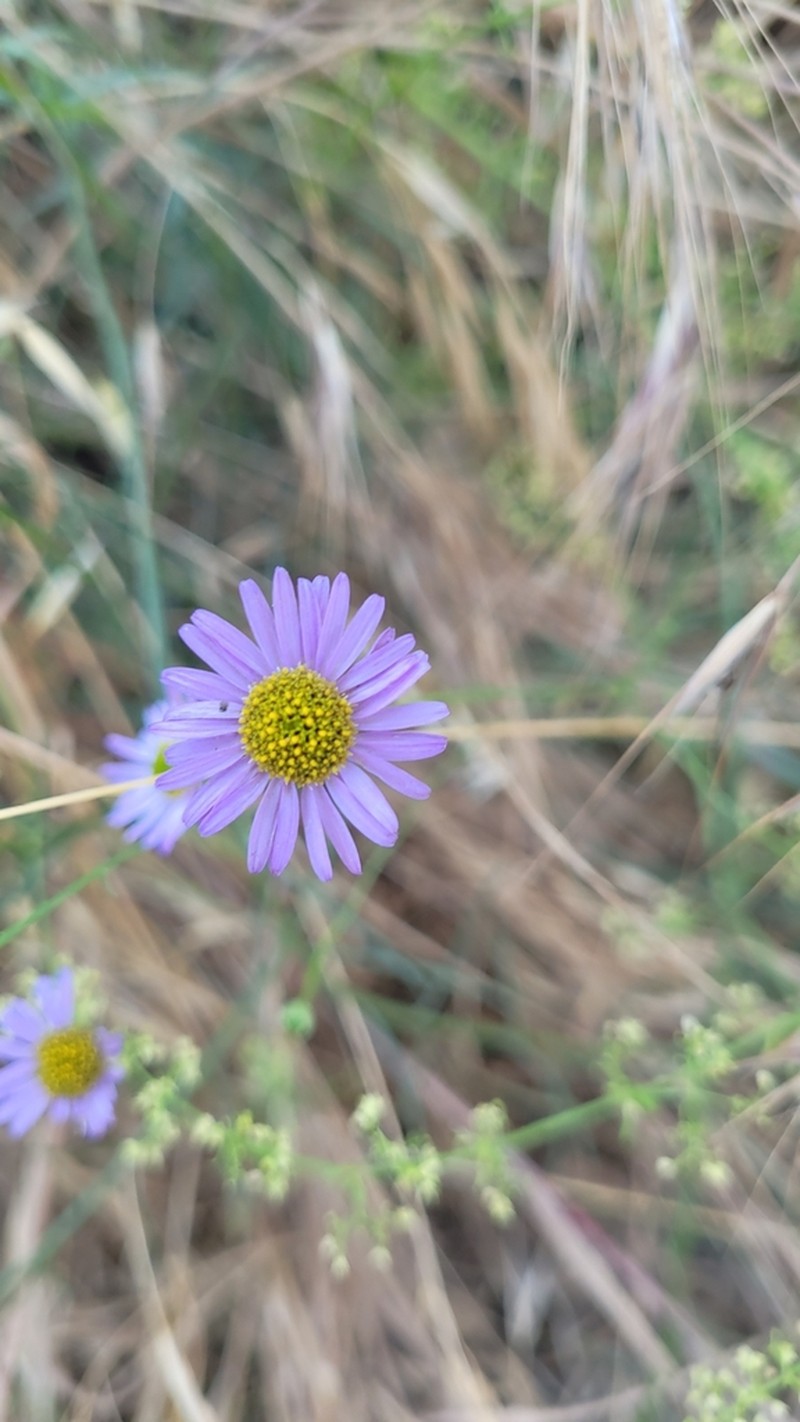
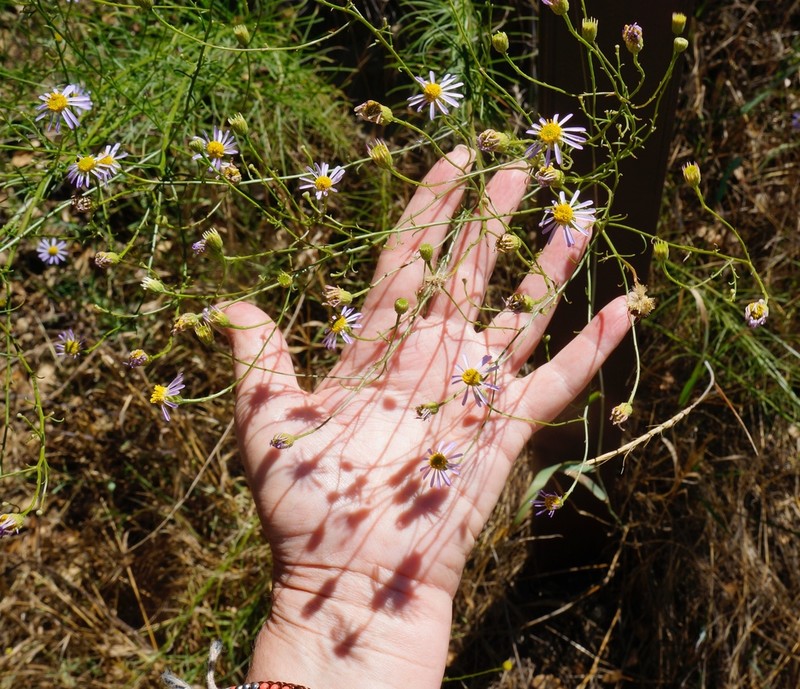
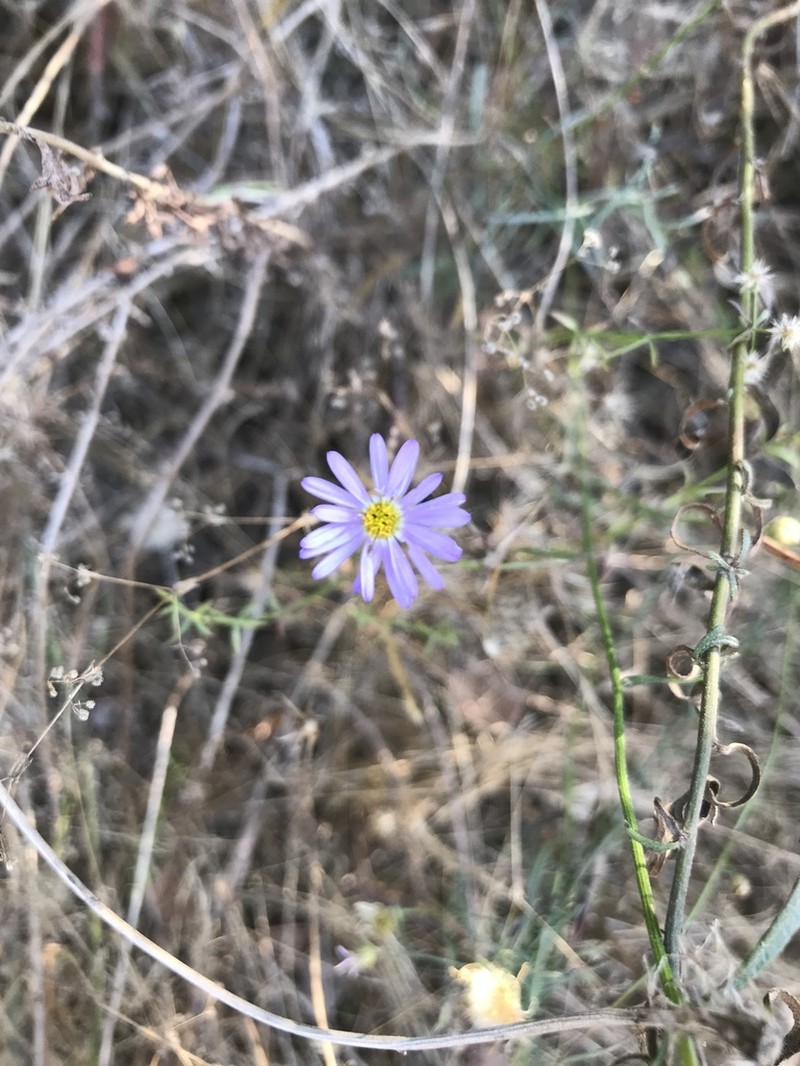
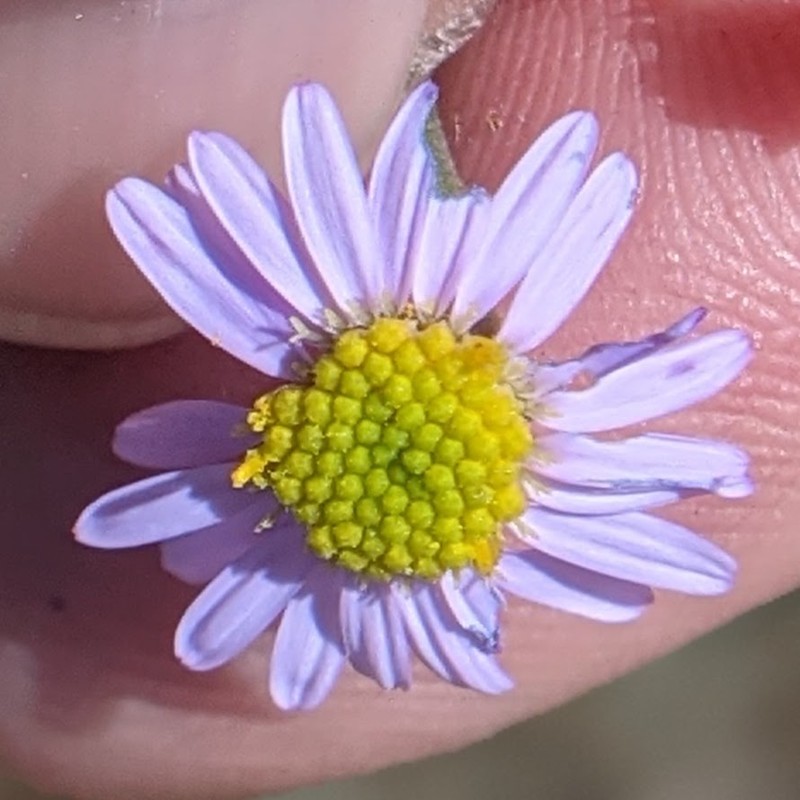
Leafy Fleabane
Erigeron foliosus
- Native to:
- Mexico, United States
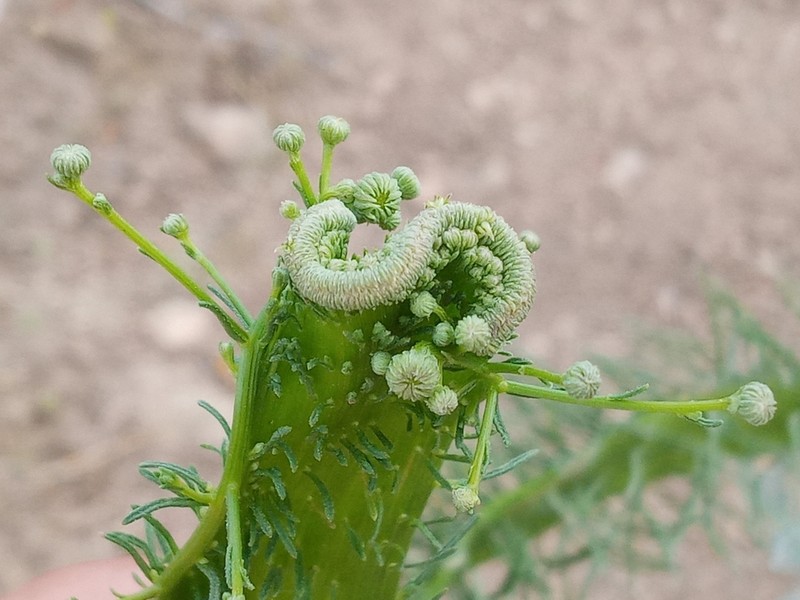
iNaturalist: © phytographer (iNaturalist #83432295)
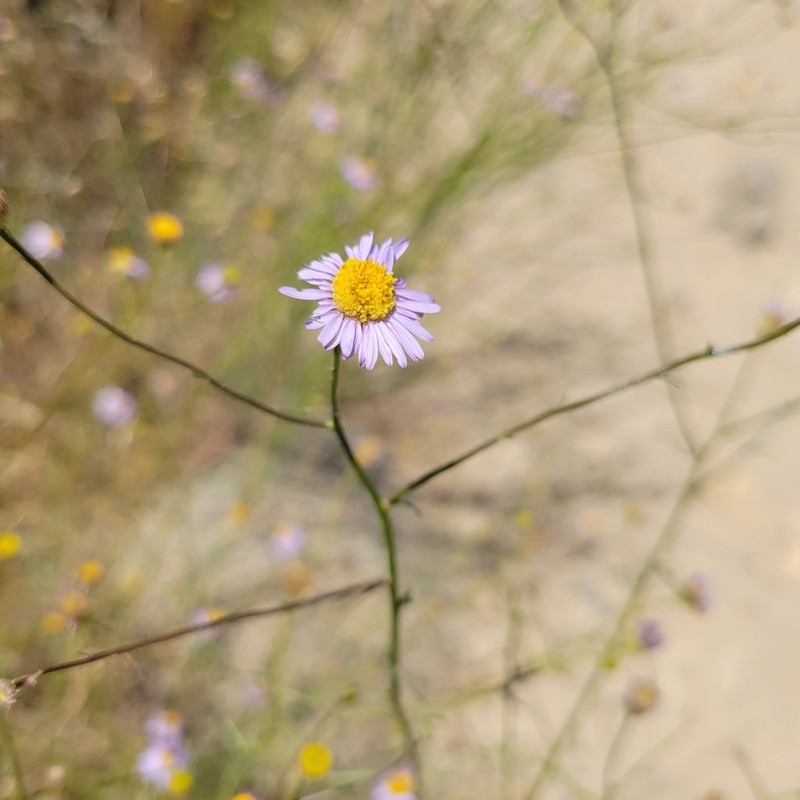
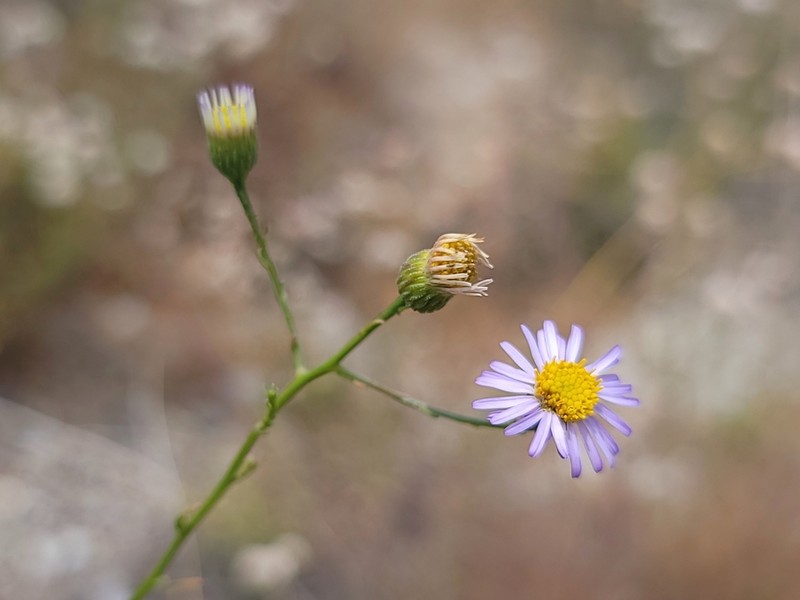
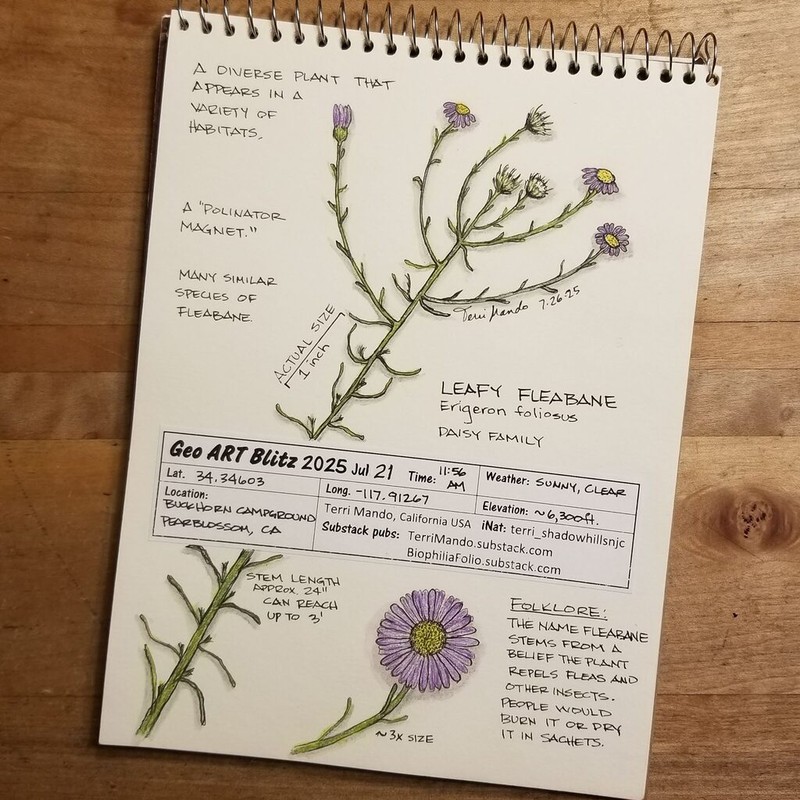
Taxonomy
- Division:
- Magnoliophyta | - Flowering plants
- Family:
- Asteraceae
- Genus:
- Erigeron
- Species:
- Erigeron foliosus
- USDA Symbol:
- ERFO2
Growth Characteristics
- Life Cycle:
- Perennial
- Growth Habit:
- Forb/herb
- Height:
- 80 cm
- Light Requirements:
- Full Sun
- Drought Tolerance:
- High
- Bloom Months:
- apr,may,jun,jul,aug,sep
- Bloom Colors:
- blue, purple, white
Wildlife Benefits
- Bees:
- ★★☆☆☆ Documented bee visitation (GBIF)
- Butterflies & Moths:
- ★☆☆☆☆ Documented Lepidoptera association (GBIF)
Keystone Species Ranking
- Caterpillar Keystone:
- ★★★☆☆ Butterfly & moth species supported by this genus (NWF)
- Pollen Specialist Bee Keystone:
- ★★★★☆ Native pollen specialist bee species supported by this genus (NWF)
Reported Fauna Sightings
Bees: Two-form bumble bee (Bombus bifarius) Butterflies:California Hairstreak (Satyrium californica)
Garden & Ecology Notes
- Wildlife Value:
- bees, butterflies
- Fire Ecology:
- Fire adapted — tolerates or benefits from fire
- Fire Notes:
- Resprouts from root crown after fire; seeds germinate readily in post-fire conditions.
Soil Requirements
- Soil Type:
- well-drained, sandy or rocky soil
- pH:
- 5.5 - 7.5 (slightly acidic to neutral)
- Drainage:
- excellent drainage required
- Moisture:
- dry to moderate
- Notes:
- native to dry slopes and open areas
Propagation & Germination
- Stratification:
- Cold/moist stratification required — 30–60 days
- Germination Time:
- 14–30 days
- Notes:
- Seeds benefit from cold stratification for 30-60 days to improve germination.
Pre-treatment: Sow seed into trays filled with stabilized medium plugs (Q-plugs). Seal trays inside plastic bags and refrigerate at 1 to 3 °C for 70 days. Check trays weekly and keep moist. If mold is evident, treat with 1% hydrogen peroxide.
Establishment: Grows in dry, often rocky soils. Found in Oregon and California and parts of northwestern Mexico. Some sources also show a disjunct population in southern Washington.
Source: npn.rngr.net