
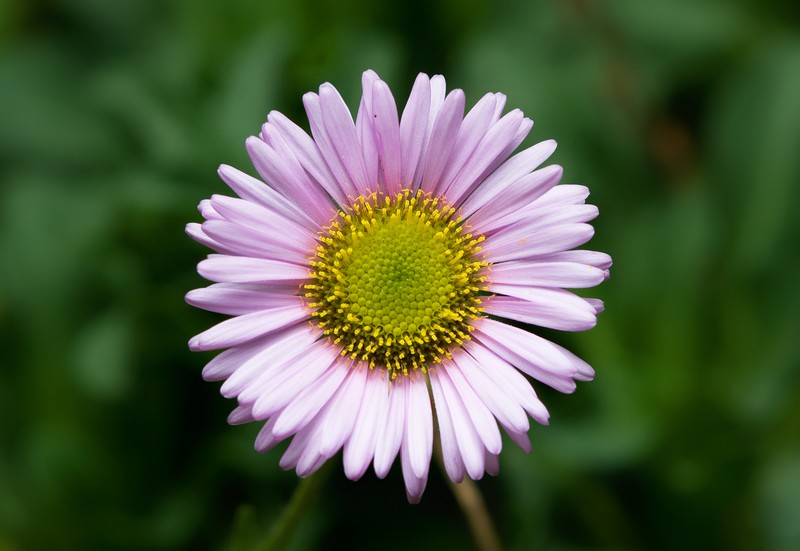
Seaside Fleabane
Erigeron glaucus
Taxonomy
- Division:
- Magnoliophyta | - Flowering plants
- Family:
- Asteraceae
- Genus:
- Erigeron
- Species:
- Erigeron glaucus
Growth Characteristics
- Life Cycle:
- Perennial
- Growth Habit:
- Forb/herb
- Height:
- 1-2 ft
- Light Requirements:
- Part Shade
- Drought Tolerance:
- High
- Bloom Months:
- apr, may, jun, jul, aug
- Bloom Colors:
- White, Yellow, Blue, Purple
Native Range
United States: California, Oregon
Keystone Species Ranking
- Caterpillar Keystone:
- ★★★☆☆ Based on number of butterfly and moth species using this genus as host plant (Source: National Wildlife Federation)
- Bee Keystone:
- ★★☆☆☆ Based on number of native bee species using this genus for pollen and nectar (Source: National Wildlife Federation)
Host Plant for Caterpillars
orange tortrix moth (Argyrotaenia franciscana), william's plume moth (Platyptilia williamsii)
Reported Fauna Sightings
Bees: Yellow-faced bumble bee (Bombus vosnesenskii), Yellow-faced bumble bee (Bombus vosnesenskii)
Soil Requirements
- Soil Type:
- sandy, well-drained, nutrient-poor soil
- pH:
- 5.5 - 7.5 (slightly acidic to neutral)
- Drainage:
- excellent drainage required
- Moisture:
- dry to moderate
- Notes:
- native to coastal dunes and bluffs
Germination Information
Pre-treatment: None required
Establishment: Seeds are collected between Jun 1st and August 1st. Mature capsules are brown. Seed is black and tiny at maturity. D. aurantiacus is found in rocky places in the coastal range and foothills of the Sierras, below 3,000 feet elevation; from Santa Berbara and Placer counties to western Oregon.
Source: npn.rngr.net