
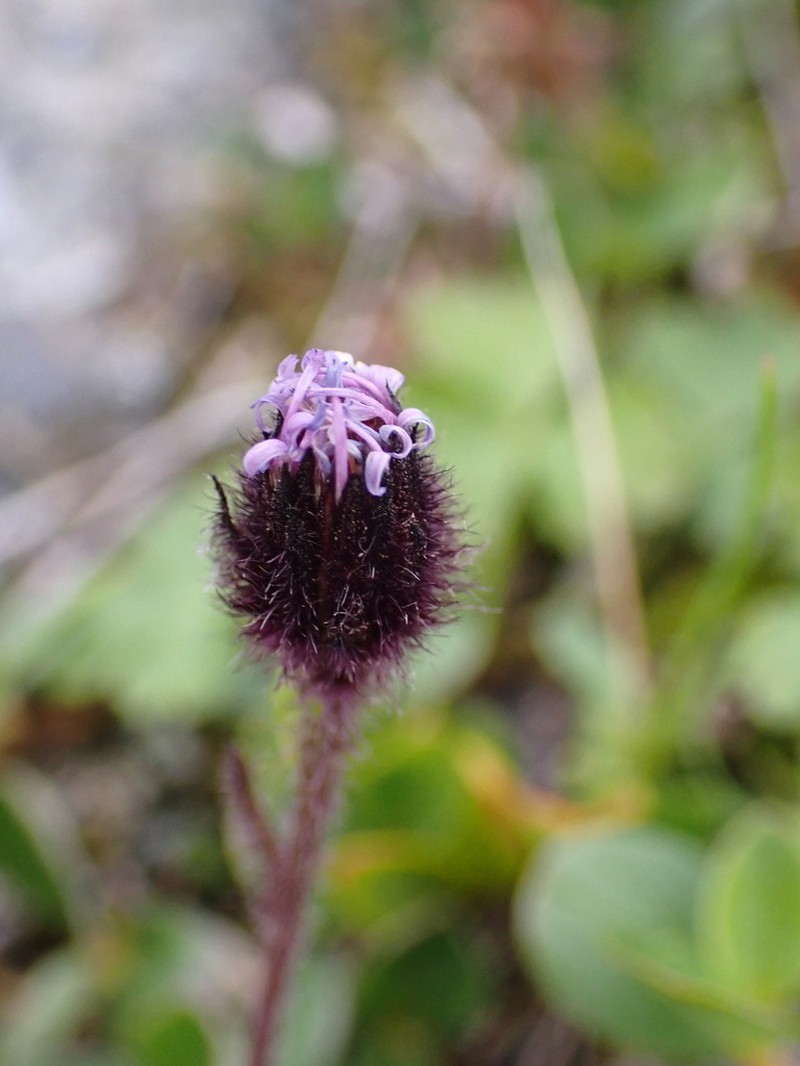
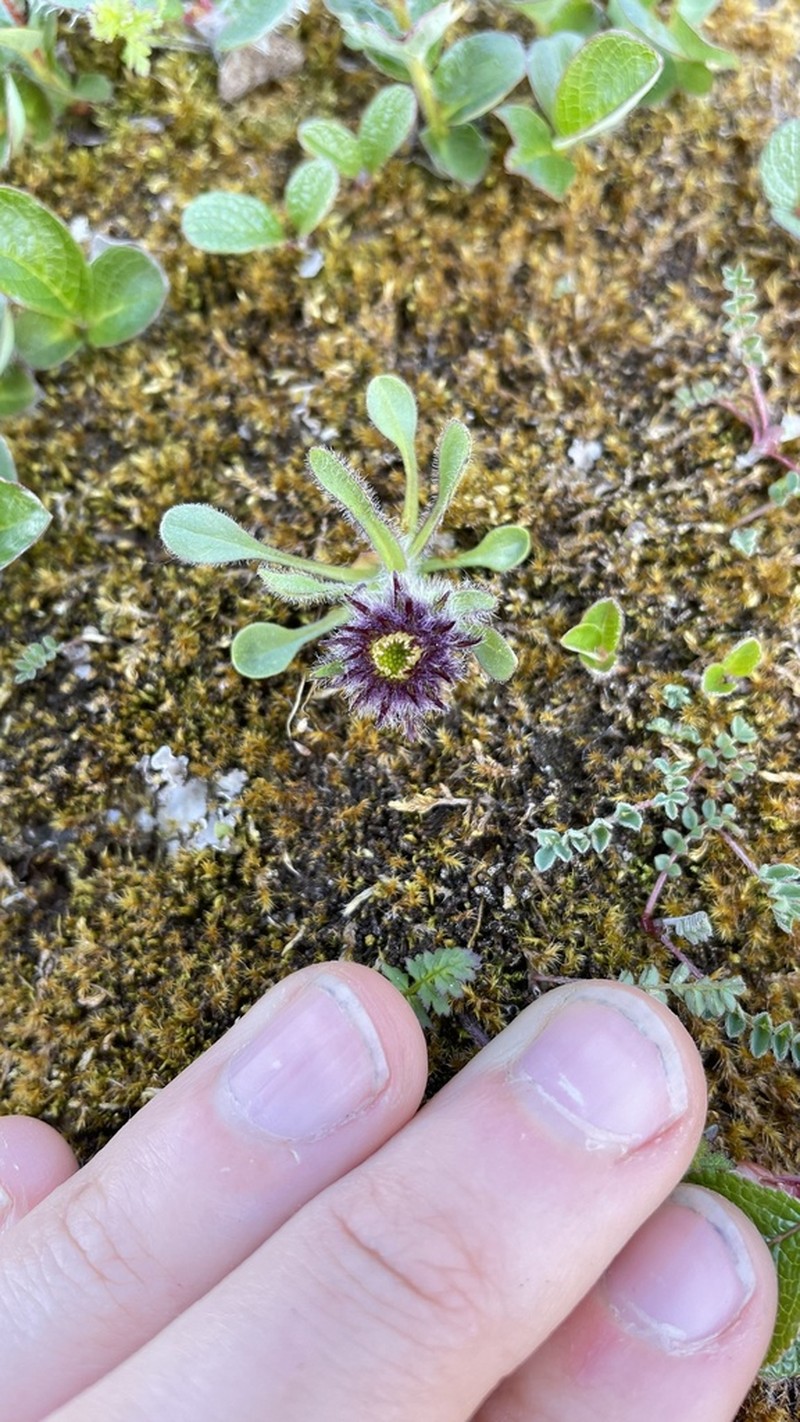
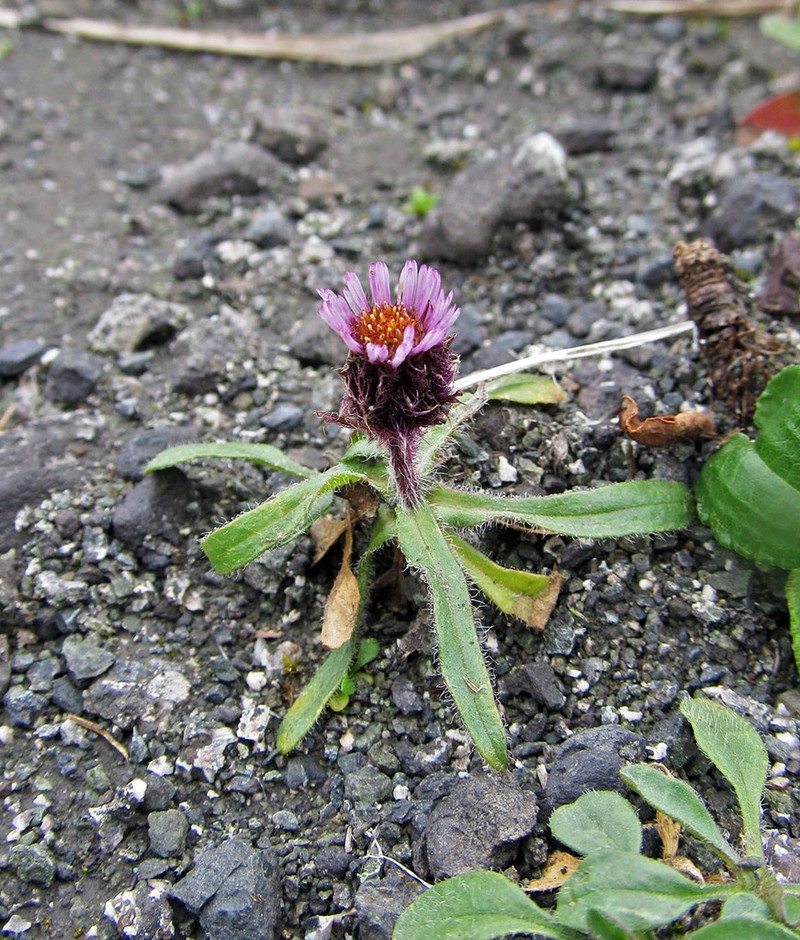
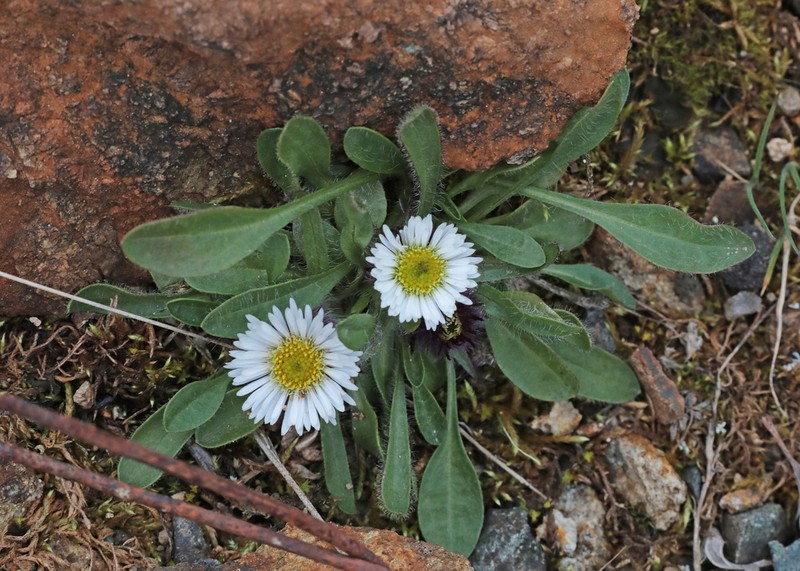
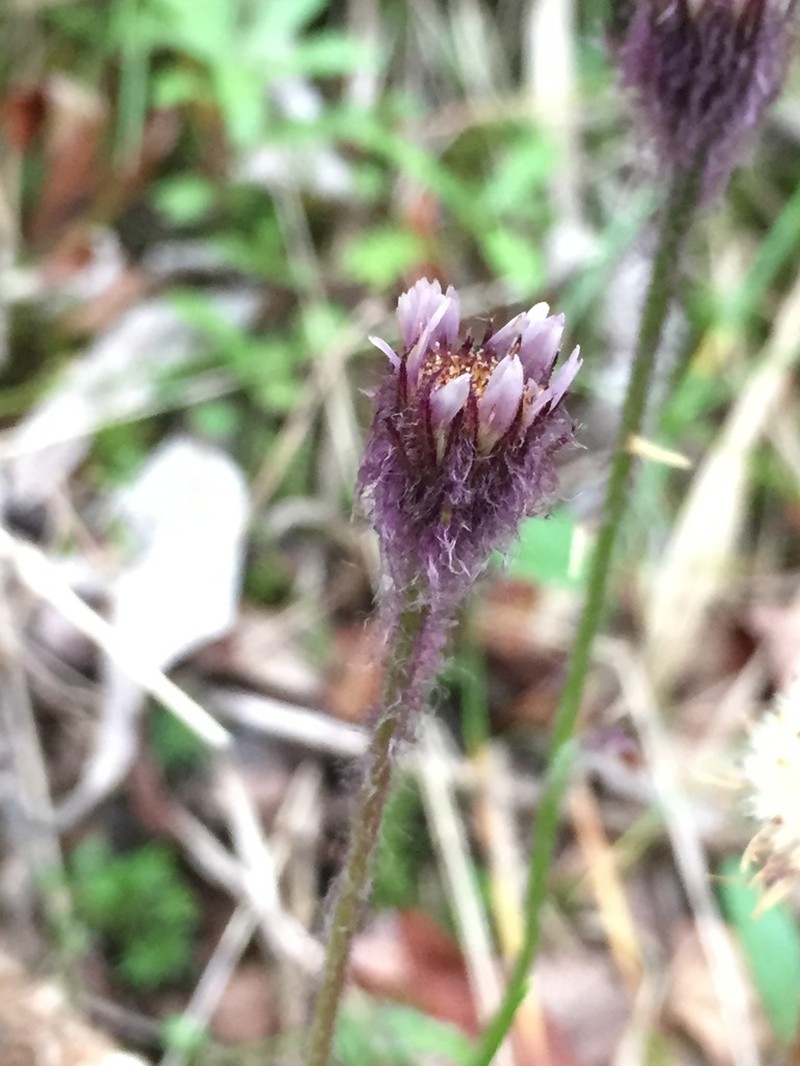
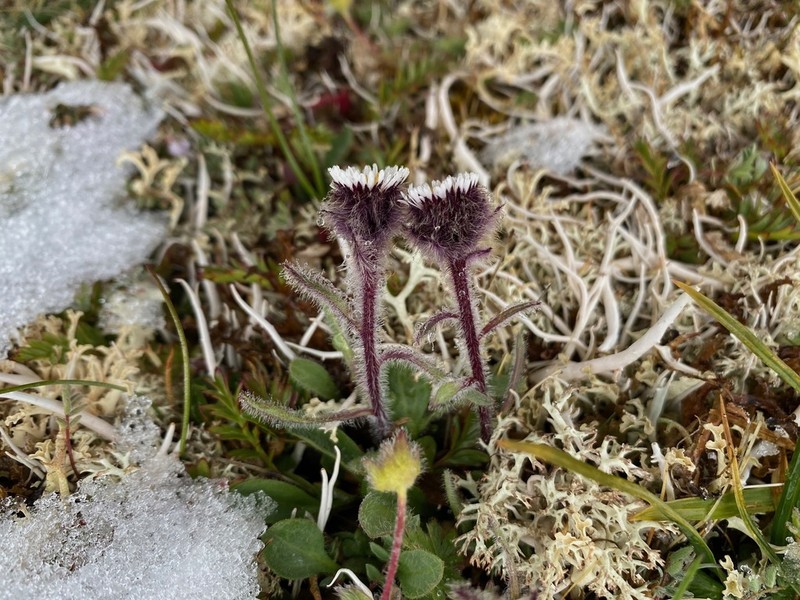
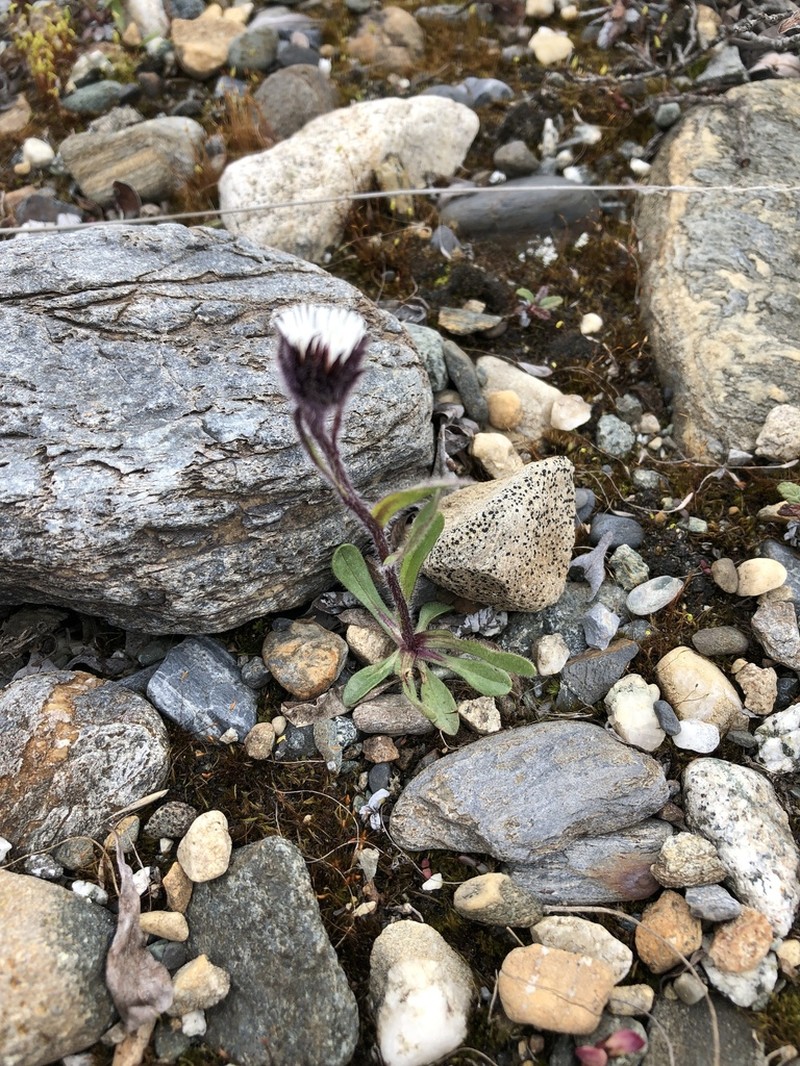
Arctic Alpine Fleabane
Erigeron humilis
- Native to:
- Canada, Finland, Greenland, Iceland, Kuril Is., Labrador, Norway, Russia, Sweden, United States
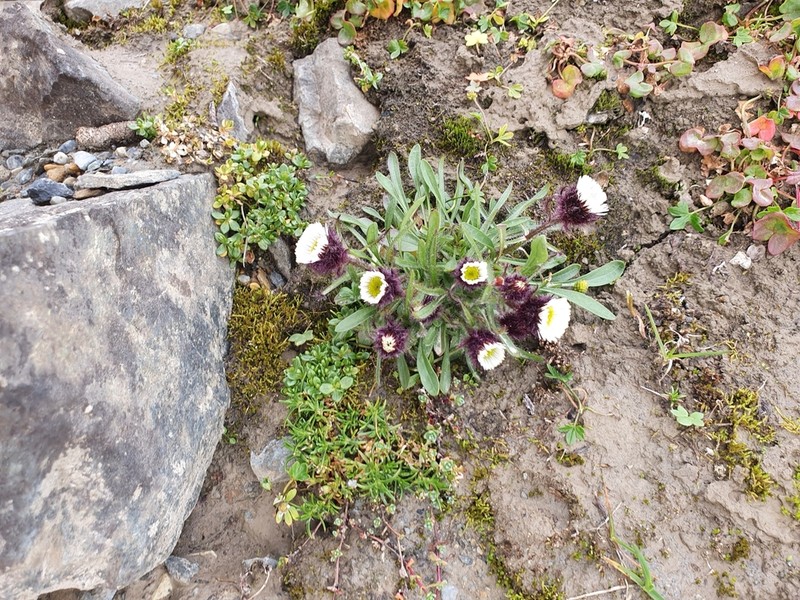
iNaturalist: © ralucatanascu (iNaturalist #179968745)
Taxonomy
- Division:
- Magnoliophyta | - Flowering plants
- Family:
- Asteraceae
- Genus:
- Erigeron
- Species:
- Erigeron humilis
- USDA Symbol:
- ERHU
Growth Characteristics
- Life Cycle:
- Perennial
- Growth Habit:
- Forb/herb
- Height:
- 30 cm
- Light Requirements:
- Full Sun
- Drought Tolerance:
- Low
- Bloom Months:
- jun,jul,aug
- Bloom Colors:
- white, pink, purple
Wildlife Benefits
- Bees:
- ★☆☆☆☆ Documented bee visitation (GBIF)
- Butterflies & Moths:
- ★☆☆☆☆ Documented Lepidoptera association (GBIF)
Keystone Species Ranking
- Caterpillar Keystone:
- ★★★☆☆ Butterfly & moth species supported by this genus (NWF)
- Pollen Specialist Bee Keystone:
- ★★★★☆ Native pollen specialist bee species supported by this genus (NWF)
Garden & Ecology Notes
- Wildlife Value:
- bees, butterflies
Soil Requirements
- Soil Type:
- gravelly, well-drained, nutrient-poor soil
- pH:
- 5.5 - 7.0 (slightly acidic to neutral)
- Drainage:
- excellent drainage required
- Moisture:
- dry to moderate
- Notes:
- native to alpine and subalpine regions
Propagation & Germination
- Stratification:
- Cold/moist stratification required — 30–60 days
- Germination Time:
- 14–30 days
- Notes:
- Seeds germinate best after cold stratification; surface sow on moist soil.
Pre-treatment: Seeds are placed into an outdoor 150 day cold, moist stratification.
Establishment: Seeds are hand collected in late August when achenes separate easily from the receptacle. Seeds are collected in paper bags and kept in well ventilated drying shed prior to cleaning. E. humilus is a North American boreal species that reaches its southern most limit in Glacier National Park. It is found in talus and scree slopes above treeline.
Source: npn.rngr.net
ORGHPS Germination Guide: Expose to fluctuating outdoor winter temps incl. freezing for 3 months. Increase light/temp in spring.