
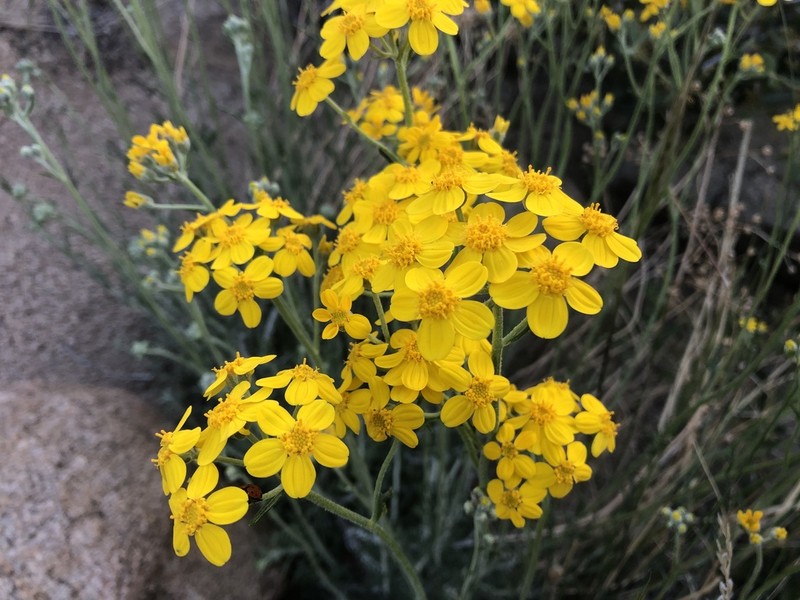
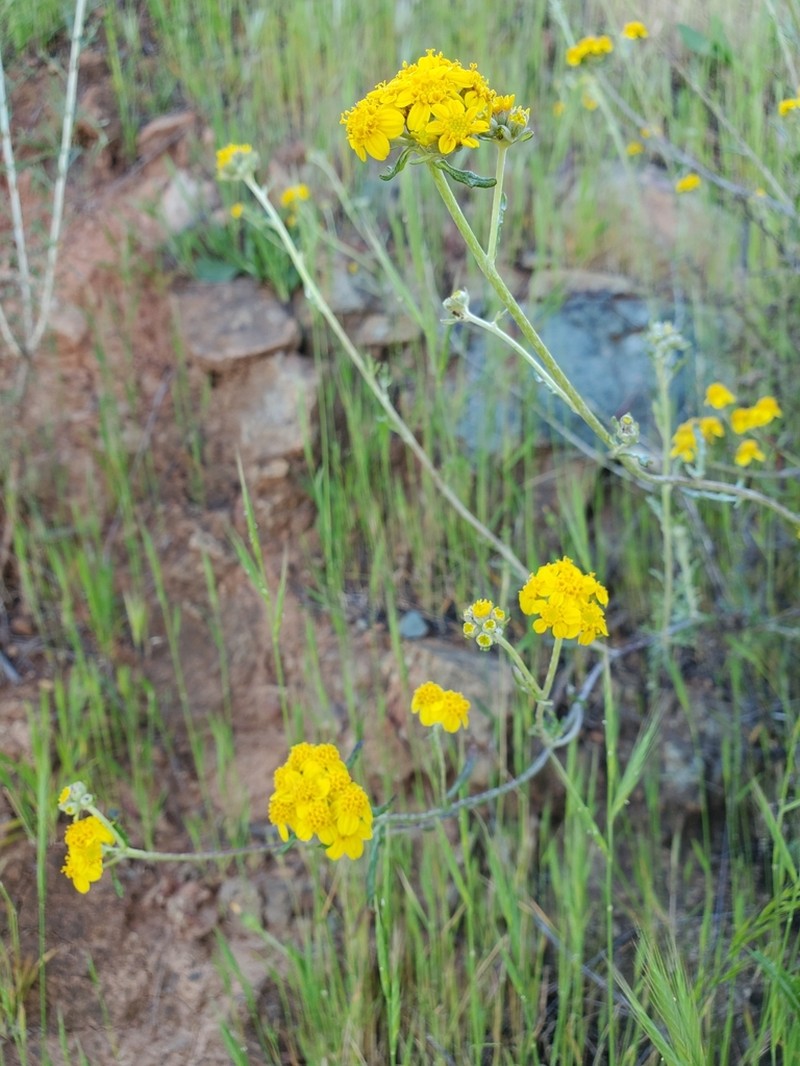
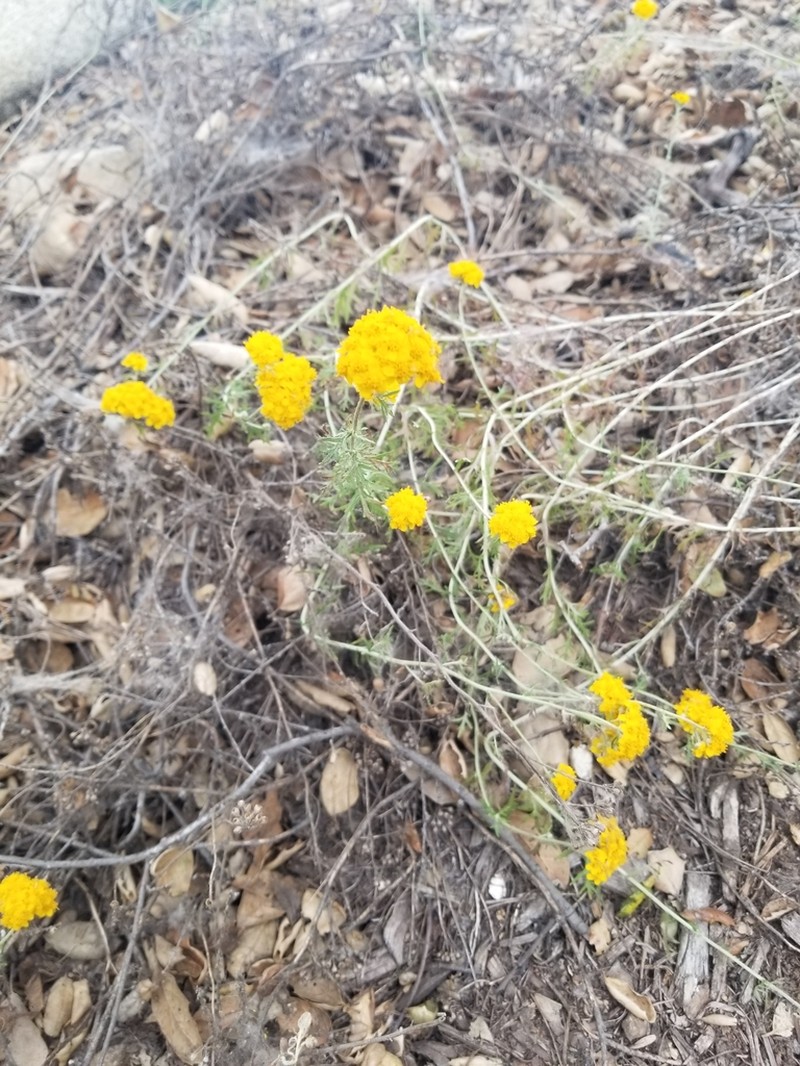
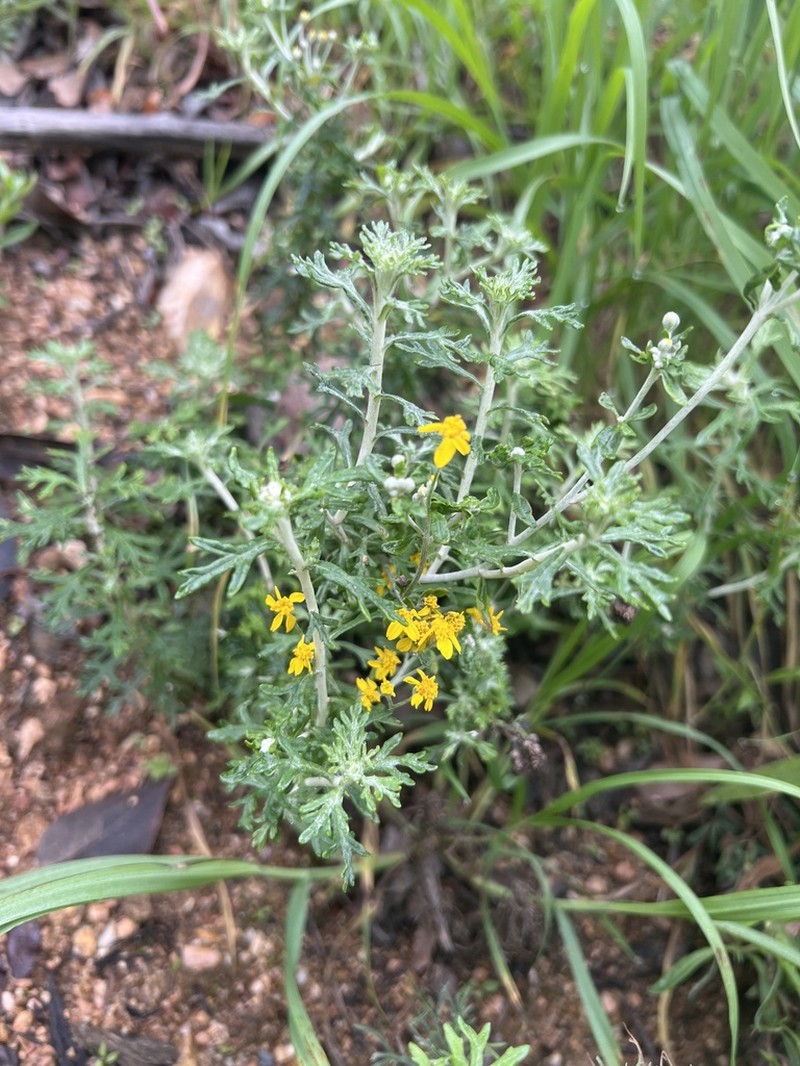
Golden-Yarrow
Eriophyllum confertiflorum
- Native to:
- Mexico, United States
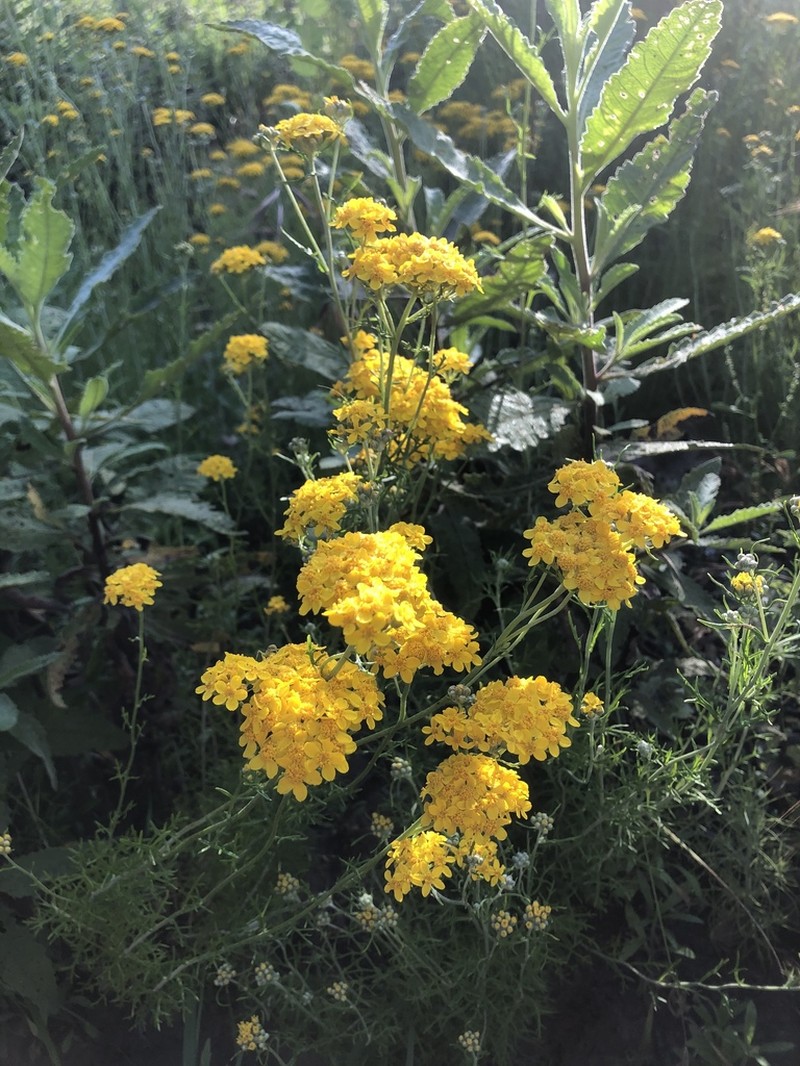
iNaturalist: © slarm (iNaturalist #88181846)
Taxonomy
- Division:
- Magnoliophyta | - Flowering plants
- Family:
- Asteraceae
- Genus:
- Eriophyllum
- Species:
- Eriophyllum confertiflorum
- USDA Symbol:
- ERCO25
Growth Characteristics
- Life Cycle:
- Perennial
- Growth Habit:
- Shrub , Subshrub
- Height:
- 60 cm
- Light Requirements:
- Part Shade
- Drought Tolerance:
- High
- Bloom Months:
- mar,apr,may,jun,jul,aug
- Bloom Colors:
- yellow
Wildlife Benefits
- Bees:
- ★☆☆☆☆ Documented bee visitation (GBIF)
- Butterflies & Moths:
- ★★★★★ Documented Lepidoptera association (GBIF)
- Caterpillars:
- ★☆☆☆☆ Recorded caterpillar host plant (HOSTS Database)
Host Plant for Caterpillars
Agonopterix sabulella, william's plume moth (Platyptilia williamsii)
Reported Fauna Sightings
Bees: van Dyke bumble bee (Bombus vandykei) Butterflies:Tharsalea gorgon, Variable checkerspot (Euphydryas chalcedona)
Garden & Ecology Notes
- Wildlife Value:
- bees, butterflies
- Deer Resistant:
- Yes
- Fire Ecology:
- Fire adapted — tolerates or benefits from fire
- Fire Notes:
- Resprouts from root crown after fire; seeds also germinate in post-fire conditions.
Soil Requirements
- Soil Type:
- rocky, well-drained, nutrient-poor soil
- pH:
- 6.0 - 8.0 (slightly acidic to neutral)
- Drainage:
- excellent drainage required
- Moisture:
- dry to moderate
- Notes:
- Prefers open, sunny locations in native habitat
Propagation & Germination
- Stratification:
- None required
- Germination Time:
- 14–30 days
- Notes:
- Seeds germinate readily without pretreatment; sow on surface or lightly covered.
Pre-treatment: None required
Establishment: Seeds are collected between May 1st and September 1st. E. confertifolium is common on brushy slopes, from sea level to 8,000 feet elevation in the Coastal and Sierra ranges, from Mendincino County south to Lower California and the Channel Islands.
Source: npn.rngr.net
Where to Buy
Nationwide Seller
- Native Seed Group (seeds)