
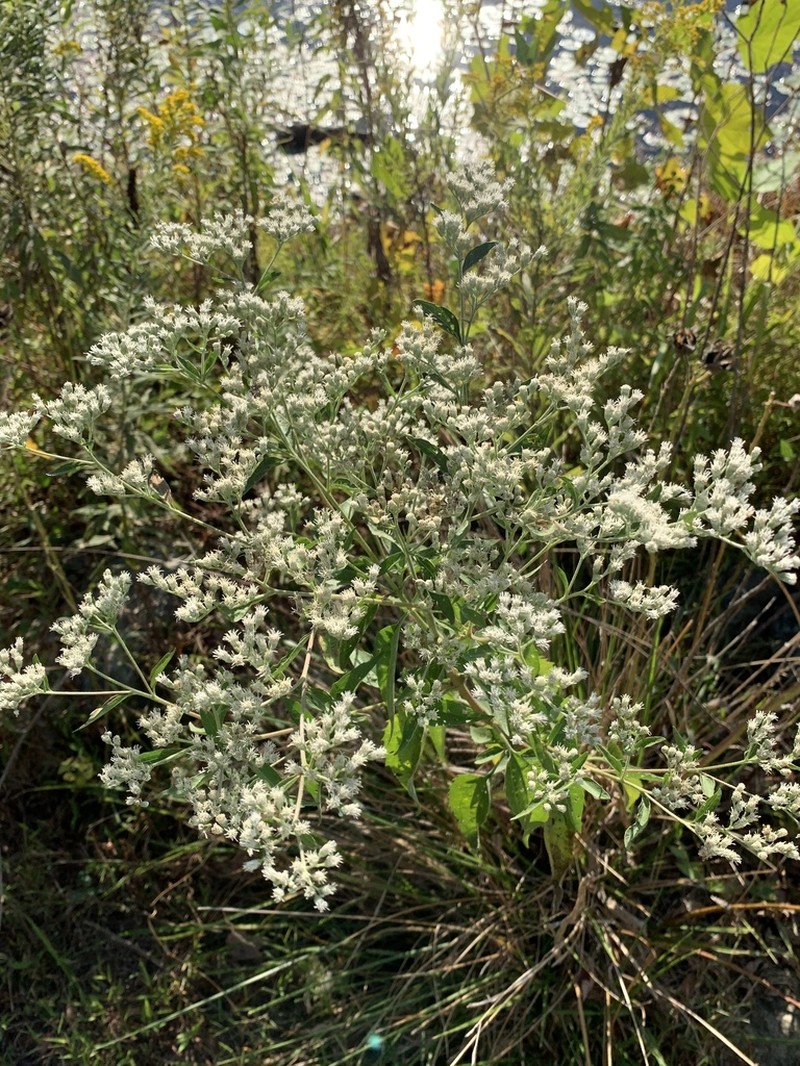
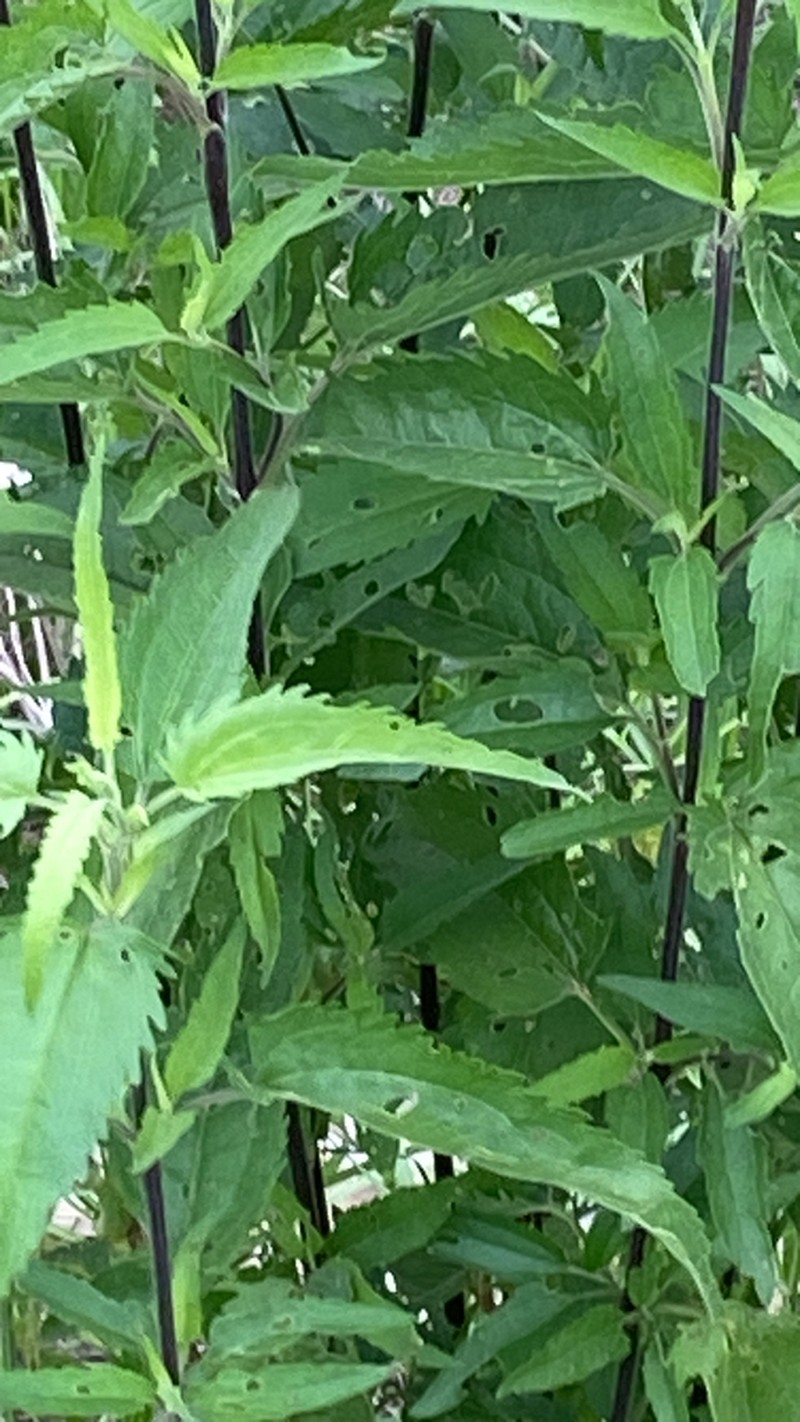
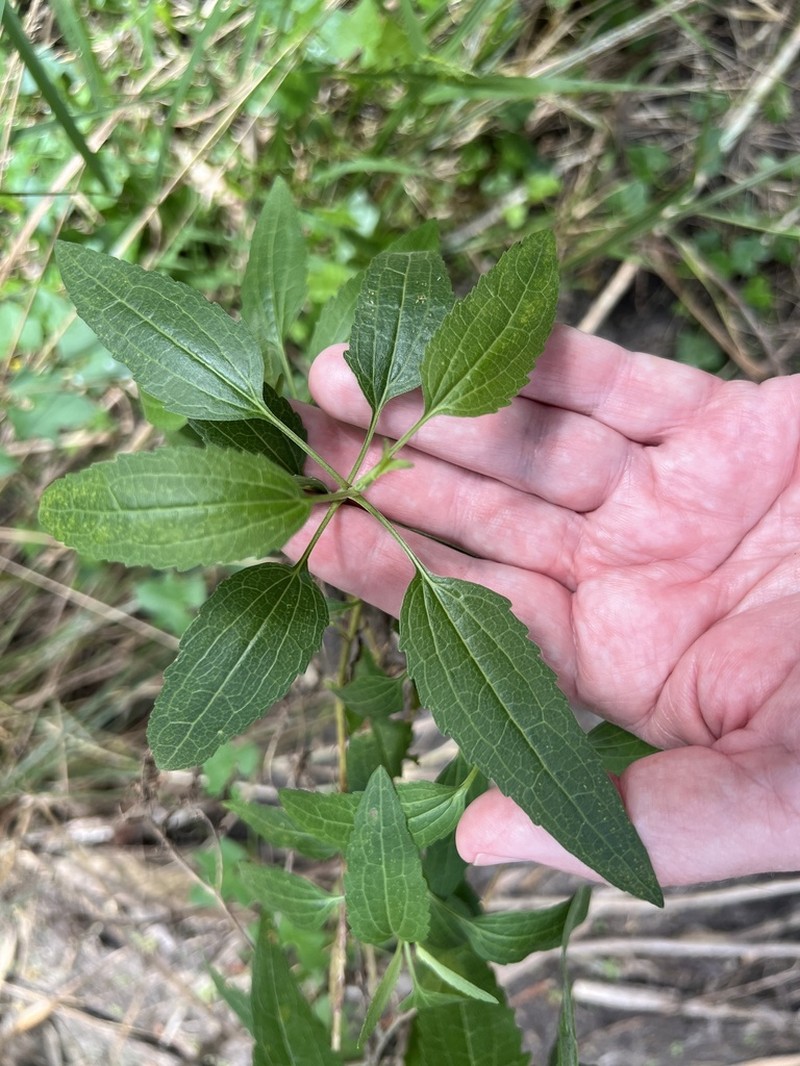
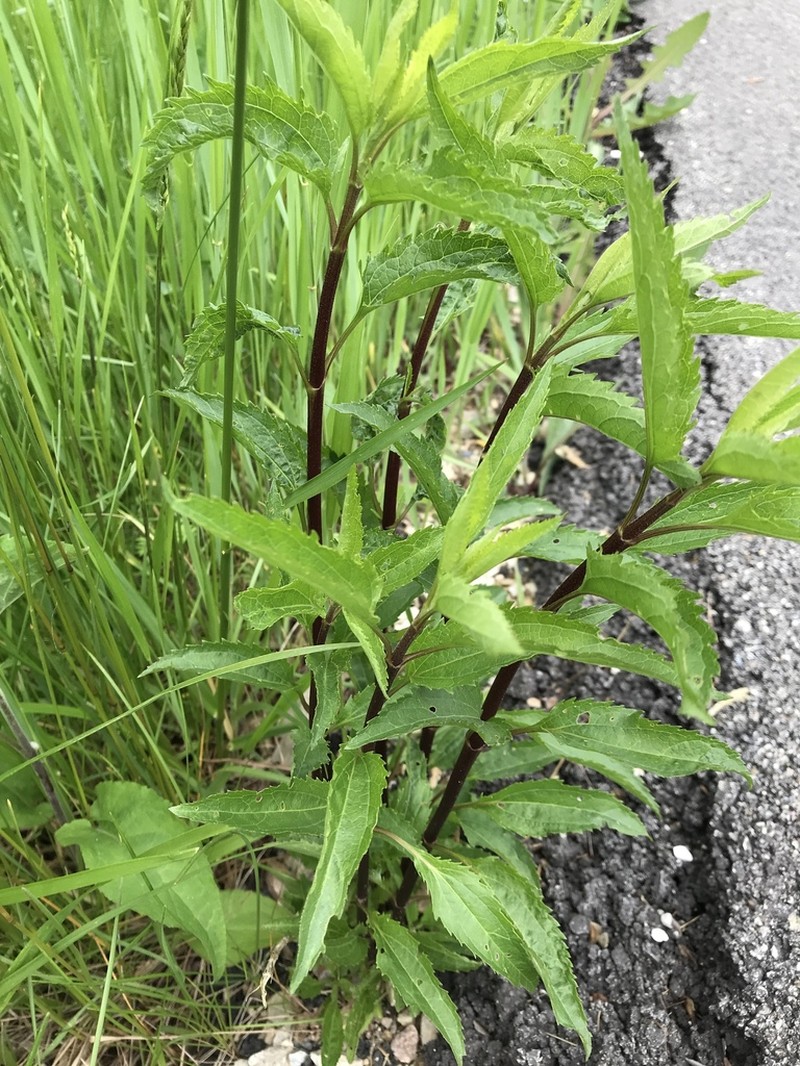
Lateflowering Thoroughwort
Eupatorium serotinum
- Native to:
- Mexico, United States, Virgin Islands
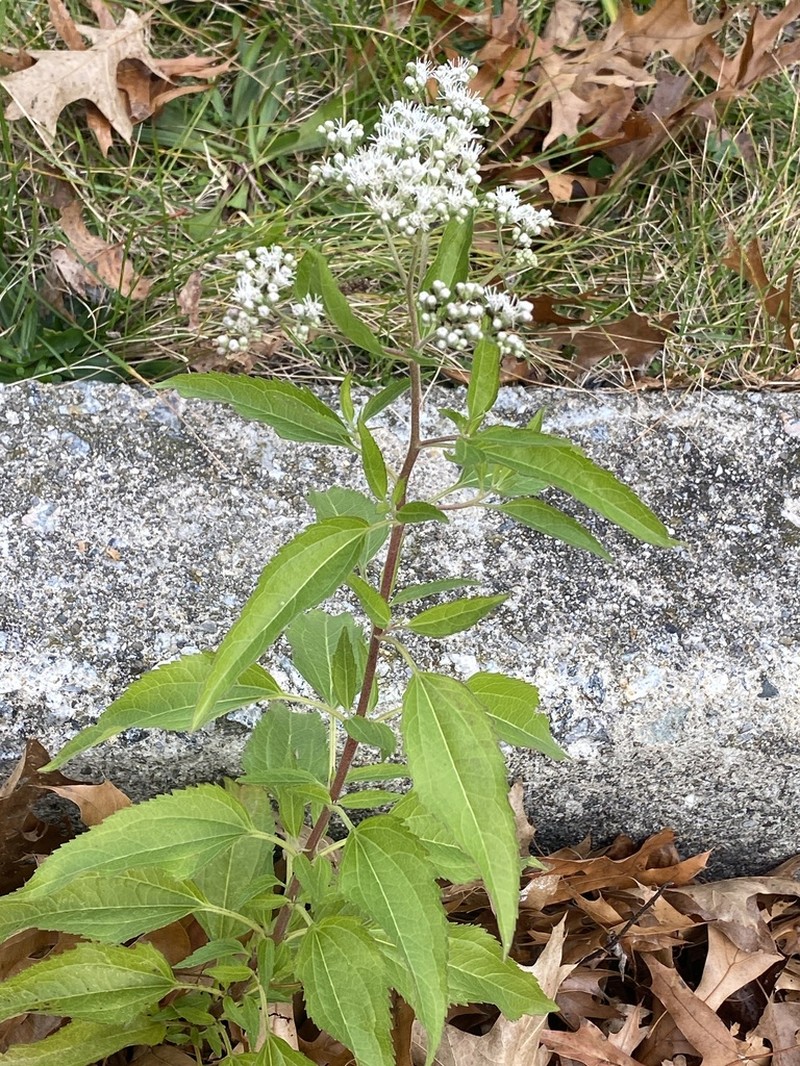
iNaturalist: © sadawolk (iNaturalist #141743894)
Taxonomy
- Division:
- Magnoliophyta | - Flowering plants
- Family:
- Asteraceae
- Genus:
- Eupatorium
- Species:
- Eupatorium serotinum
- USDA Symbol:
- EUSE2
Growth Characteristics
- Life Cycle:
- Perennial
- Growth Habit:
- Forb/herb
- Height:
- 200 cm
- Light Requirements:
- Part Shade
- Drought Tolerance:
- Medium
- Bloom Months:
- aug,sep,oct
- Bloom Colors:
- white
Wildlife Benefits
- Bees:
- ★★★☆☆ Documented bee visitation (GBIF)
- Butterflies & Moths:
- ★★★☆☆ Documented Lepidoptera association (GBIF)
- Caterpillars:
- ★☆☆☆☆ Recorded caterpillar host plant (HOSTS Database)
Keystone Species Ranking
- Caterpillar Keystone:
- ★★★☆☆ Butterfly & moth species supported by this genus (NWF)
Host Plant for Caterpillars
Reported Fauna Sightings
Garden & Ecology Notes
- Wildlife Value:
- butterflies, bees
Soil Requirements
- Soil Type:
- moist, fertile, well-drained loam
- pH:
- 5.5 - 7.0 (slightly acidic to neutral)
- Drainage:
- tolerates poor drainage
- Moisture:
- consistently moist
- Notes:
- commonly found in floodplains and wet meadows
Propagation & Germination
- Stratification:
- Cold/moist stratification required — 30–60 days
- Germination Time:
- 14–30 days
- Notes:
- Seeds germinate readily after cold stratification; surface sow on moist soil.
Pre-treatment: Seeds are planted into round cell greenhouse flat liners with 38 cells per flat filled with coarse processed bark and composted pine bark growing medium. Seeds are surface sown at a rate of 3-5 seeds per cell and lightly covered with starter sized, 1/16" - 1/8" diameter, granite poultry grit. Prepared flats are lightly hand watered and cold stratified at 35-40 degrees Fahrenheit for a minimum of 21 days.
Establishment: There is some variation in germination rates and protocols between sources. Seeds were collected from different locations: Stones River National Battlefield and Great Smoky Mountains National Park. The second protocol suggests a generous seeding due to a history of spotty germination.
Source: npn.rngr.net
Where to Buy
Nationwide Seller
- Native Plants Nursery (nursery)
- Prairie Moon Nursery (nursery and seeds)