
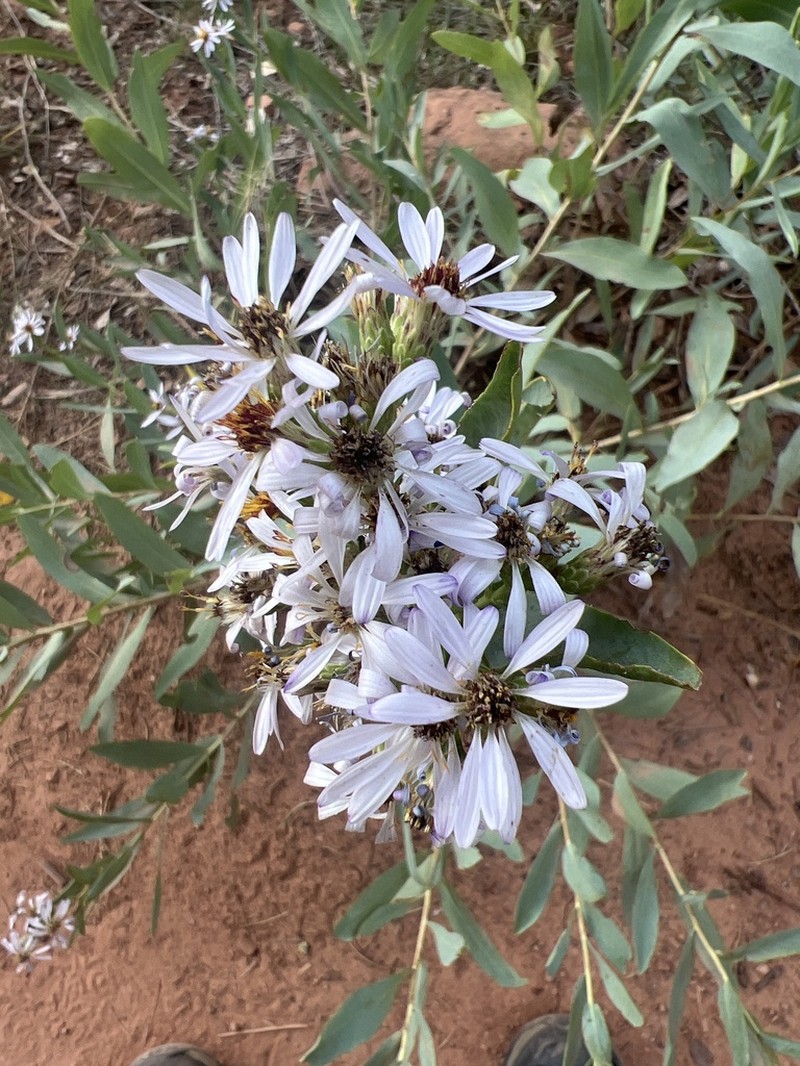
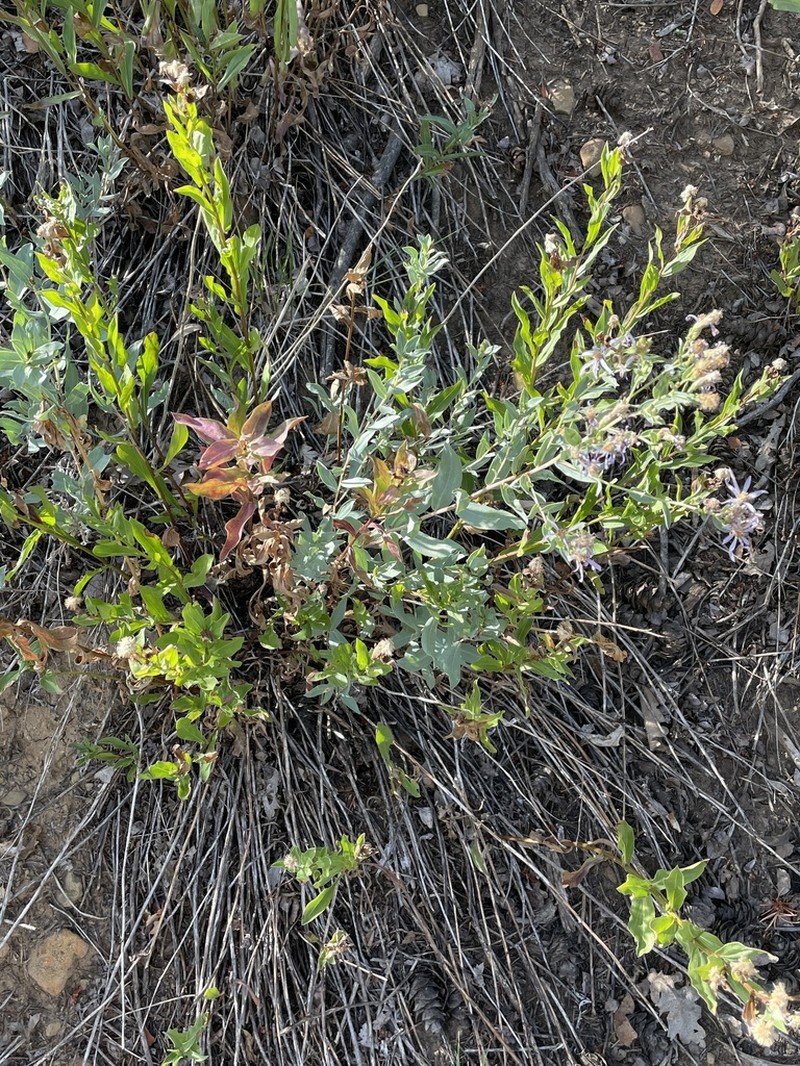
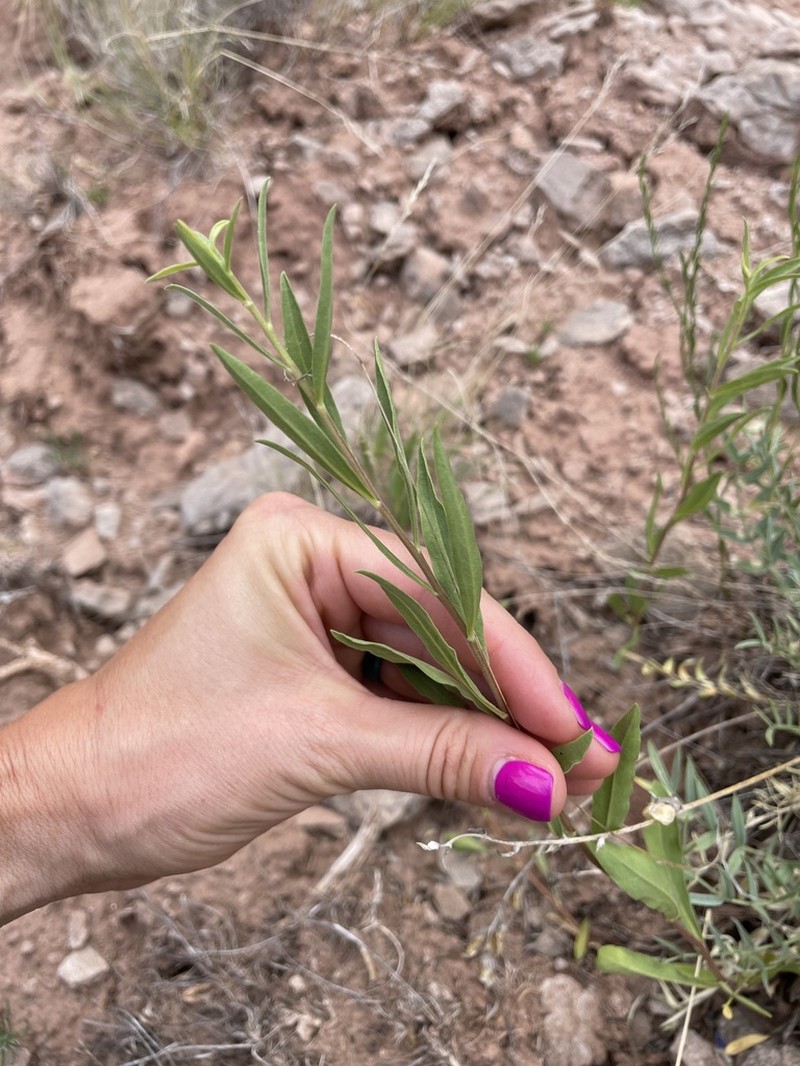
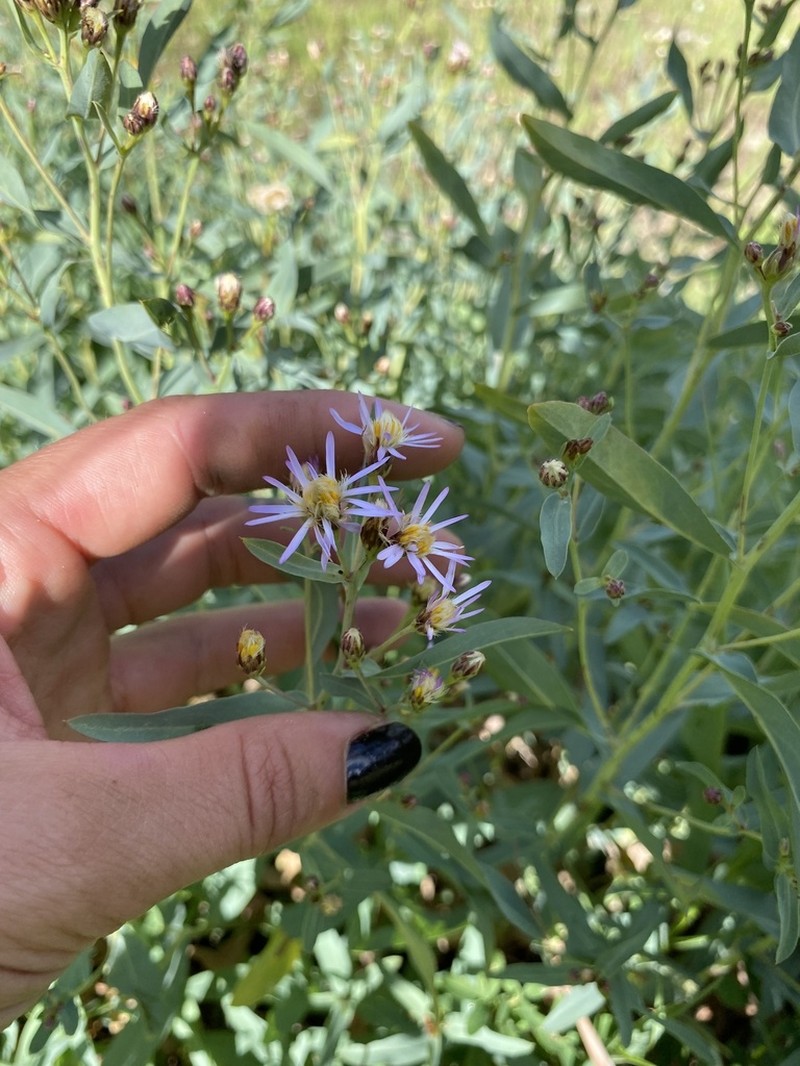
Gray Aster
Eurybia glauca
- Native to:
- United States
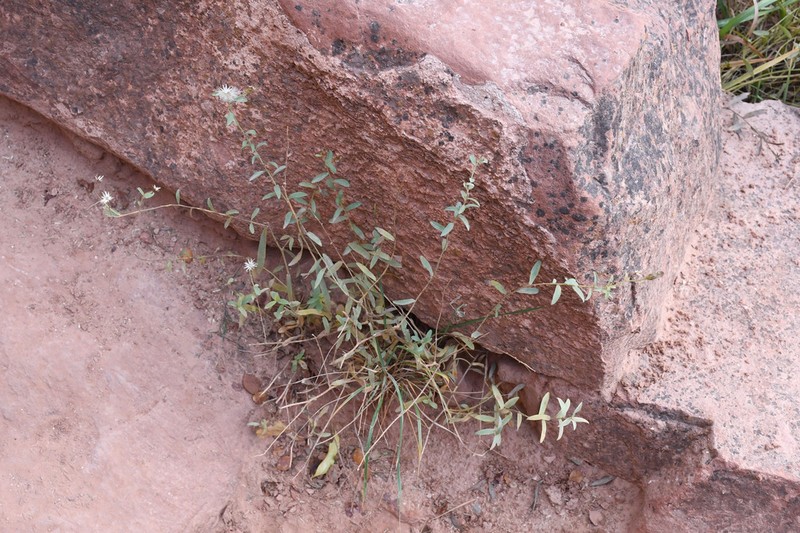
iNaturalist: © tengxiang_wang (iNaturalist #192899577)
Taxonomy
- Division:
- Magnoliophyta | - Flowering plants
- Family:
- Asteraceae
- Genus:
- Eurybia
- Species:
- Eurybia glauca
- USDA Symbol:
- EUGL19
Growth Characteristics
- Life Cycle:
- Perennial
- Growth Habit:
- Forb/herb
- Height:
- 90 cm
- Light Requirements:
- Full Sun
- Drought Tolerance:
- Low
- Bloom Months:
- aug,sep,oct
- Bloom Colors:
- violet, purple
Wildlife Benefits
- Bees:
- ★☆☆☆☆ Documented bee visitation (GBIF)
- Butterflies & Moths:
- ★☆☆☆☆ Documented Lepidoptera association (GBIF)
Keystone Species Ranking
- Caterpillar Keystone:
- ★★☆☆☆ Butterfly & moth species supported by this genus (NWF)
- Pollen Specialist Bee Keystone:
- ★★☆☆☆ Native pollen specialist bee species supported by this genus (NWF)
Garden & Ecology Notes
- Wildlife Value:
- butterflies, bees
Soil Requirements
- Soil Type:
- sandy, well-drained, nutrient-poor soil
- pH:
- 5.5 - 7.0 (slightly acidic to neutral)
- Drainage:
- excellent drainage required
- Moisture:
- dry to moderate
- Notes:
- Prefers open, sunny habitats with minimal competition.
Propagation & Germination
- Stratification:
- Cold/moist stratification required — 60–90 days
- Germination Time:
- 14–30 days
- Notes:
- Seeds germinate after cold stratification; surface sow on moist medium.
Pre-treatment: Seeds are naturally stratified outdoors during fall months. Seeds are sown directly into D-40 cells containing a medium of 1.5 parts vermiculite, 1 part sterile sand, 1 part coarse turpos, and 2 parts peat moss. Cells are watered thoroughly after sowing and are not allowed to dry out completely during stratification.
Establishment: Eurybia glauca is found in arid and semi-arid habitats from Montana and Idaho south to Arizona and New Mexico. Seeds are hand collected from sites within the Park when achenes have fully matured.
Source: npn.rngr.net