
Oneflower Helianthella
Helianthella uniflora
- Native to:
- Canada, United States
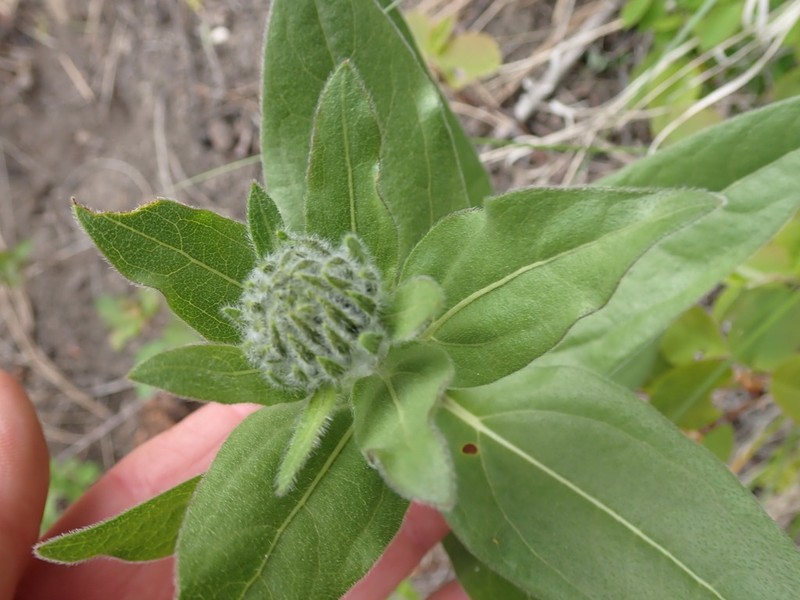
iNaturalist: © shanebustapbj (iNaturalist #119819863)
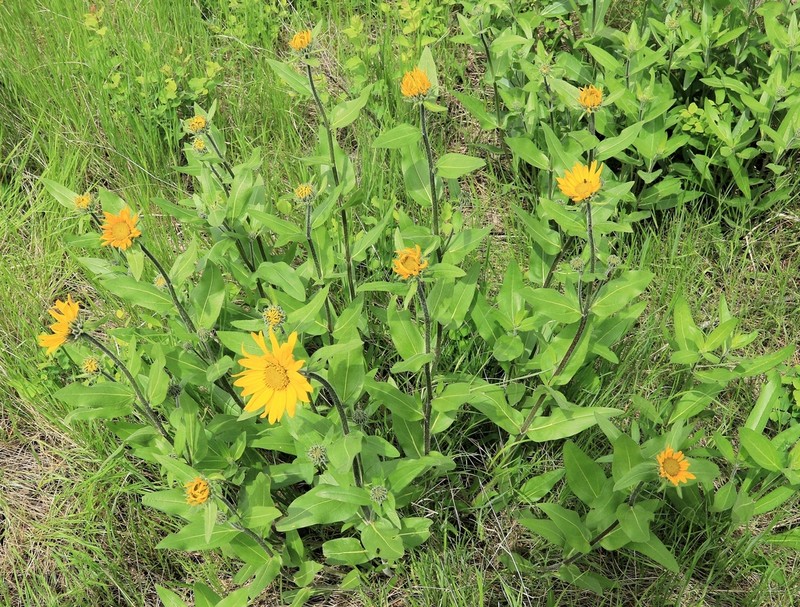
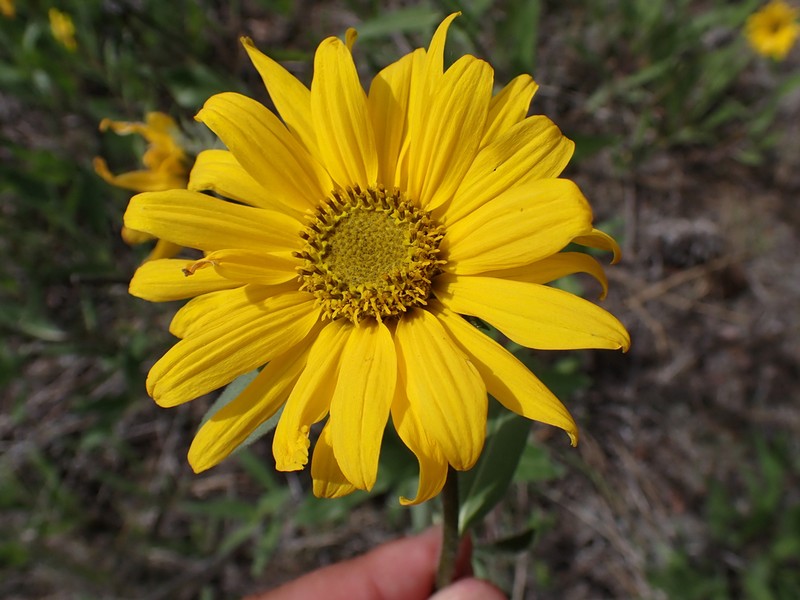
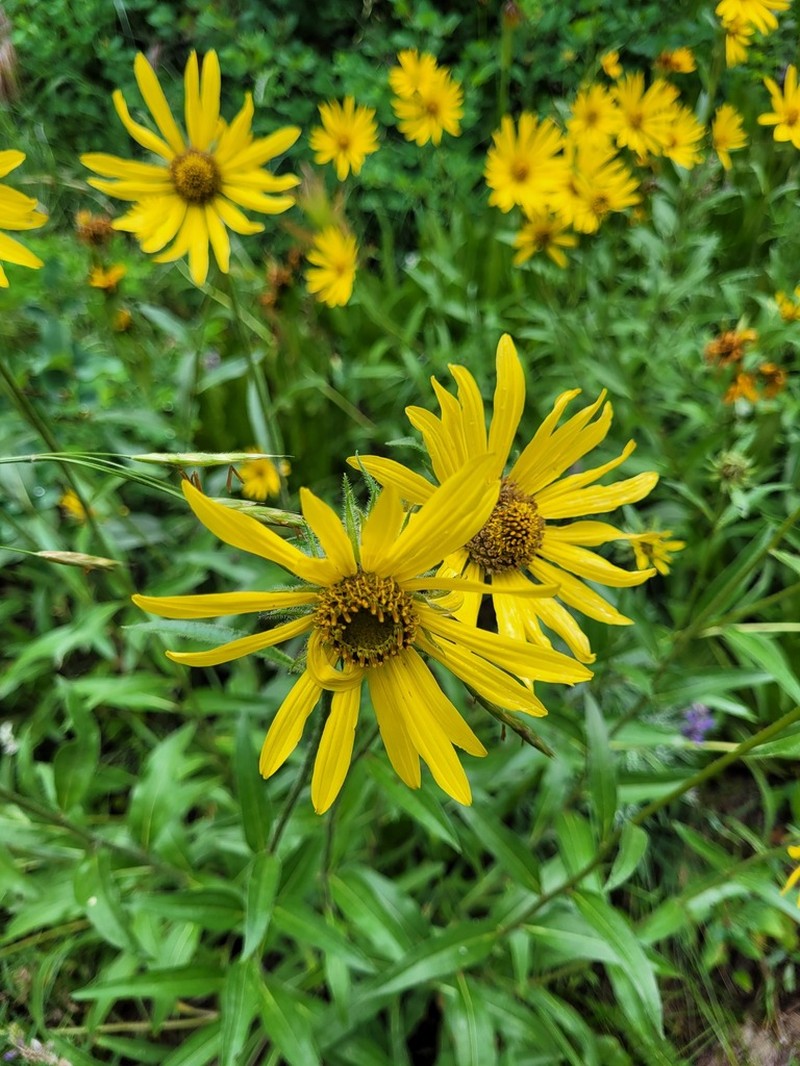
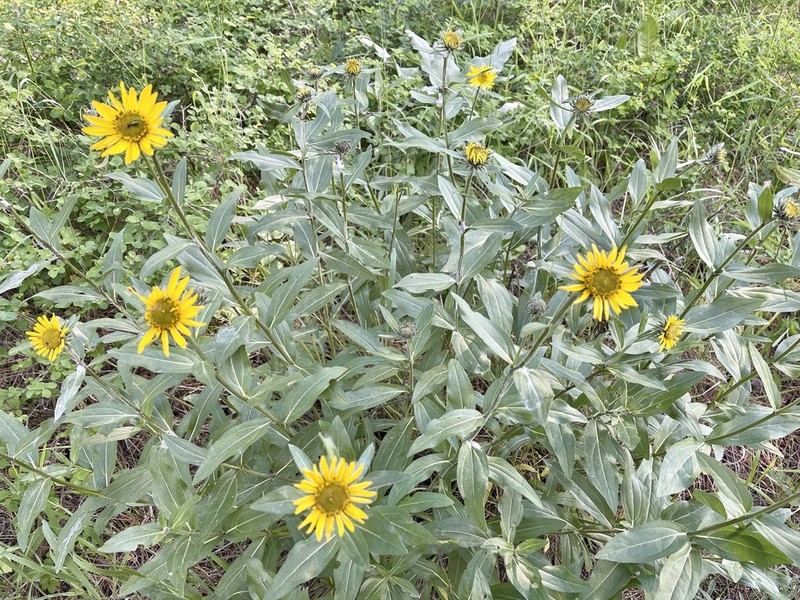
Taxonomy
- Division:
- Magnoliophyta | - Flowering plants
- Family:
- Asteraceae
- Genus:
- Helianthella
- Species:
- Helianthella uniflora
- USDA Symbol:
- HEUN
Growth Characteristics
- Life Cycle:
- Perennial
- Growth Habit:
- Forb/herb
- Height:
- 90 cm
- Light Requirements:
- Full Sun
- Drought Tolerance:
- High
- Bloom Months:
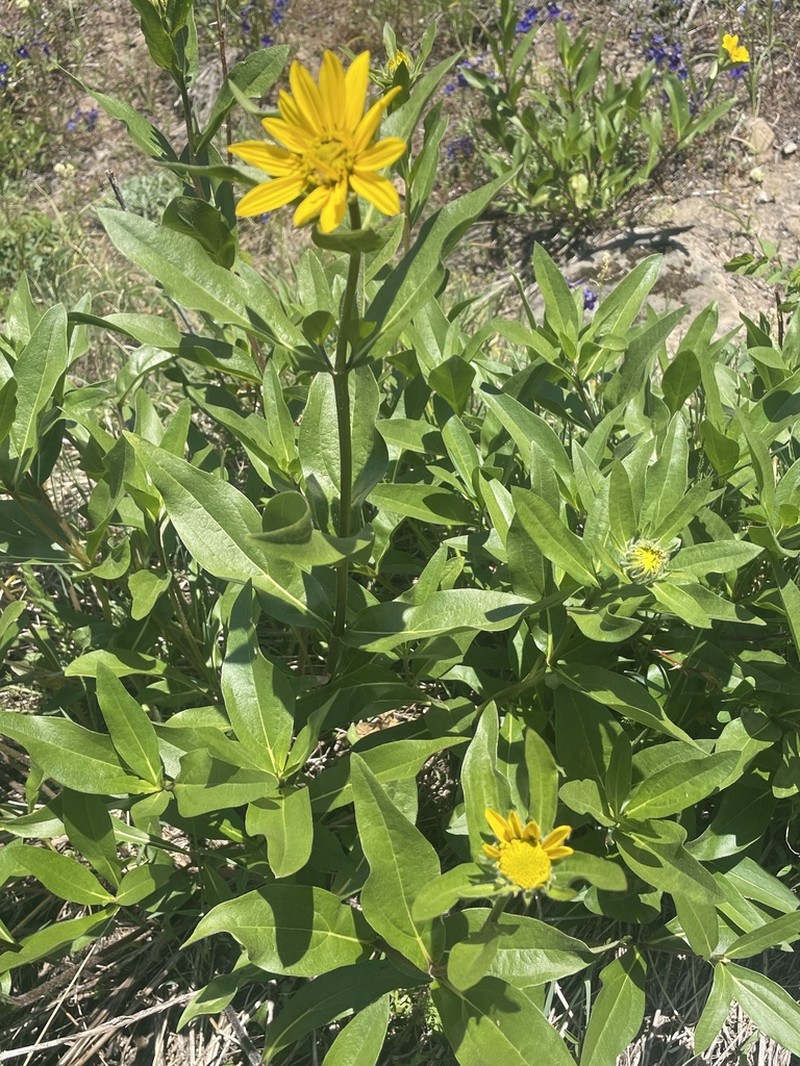
- jun,jul,aug
- Bloom Colors:
- yellow
Wildlife Benefits
- Bees:
- ★☆☆☆☆ Documented bee visitation (GBIF)
- Butterflies & Moths:
- ★★★★★ Documented Lepidoptera association (GBIF)
- Caterpillars:
- ★☆☆☆☆ Recorded caterpillar host plant (HOSTS Database)
Host Plant for Caterpillars
Suleima baracana, Suleima daracana
Reported Fauna Sightings
Bees: Central bumble bee (Bombus centralis), Hunt's bumble bee (Bombus huntii), Indiscriminate cuckoo bumble bee (Bombus insularis), Red-belted bumble bee (Bombus rufocinctus), Two-form bumble bee (Bombus bifarius), van Dyke bumble bee (Bombus vandykei)
Garden & Ecology Notes
- Wildlife Value:
- bees, butterflies
Soil Requirements
- Soil Type:
- well-drained, rocky or sandy loam
- pH:
- 6.0 - 7.5 (slightly acidic to neutral)
- Drainage:
- excellent drainage required
- Moisture:
- dry to moderate
- Notes:
- prefers open, sunny habitats
Propagation & Germination
- Stratification:
- Cold/moist stratification required — 30–60 days
- Germination Time:
- 14–30 days
- Notes:
- Seeds benefit from cold stratification for 30-60 days to break dormancy.
Pre-treatment: Seeds require a cold and moist treatment of 2-4 Celsius for 2-6 weeks or 45-90 days for optimal germination. However, some seeds may germinate without pre-treatment.
Establishment: Germination rates and times can vary significantly depending on pre-treatment and environmental conditions. Some protocols suggest that untreated seeds may take longer to germinate and have lower overall germination rates. Seeds collected in different regions may have different germination requirements.
Source: npn.rngr.net