
Jerusalem Artichoke
Helianthus tuberosus
- Native to:
- Canada, Prince Edward I., United States, Virgin Islands
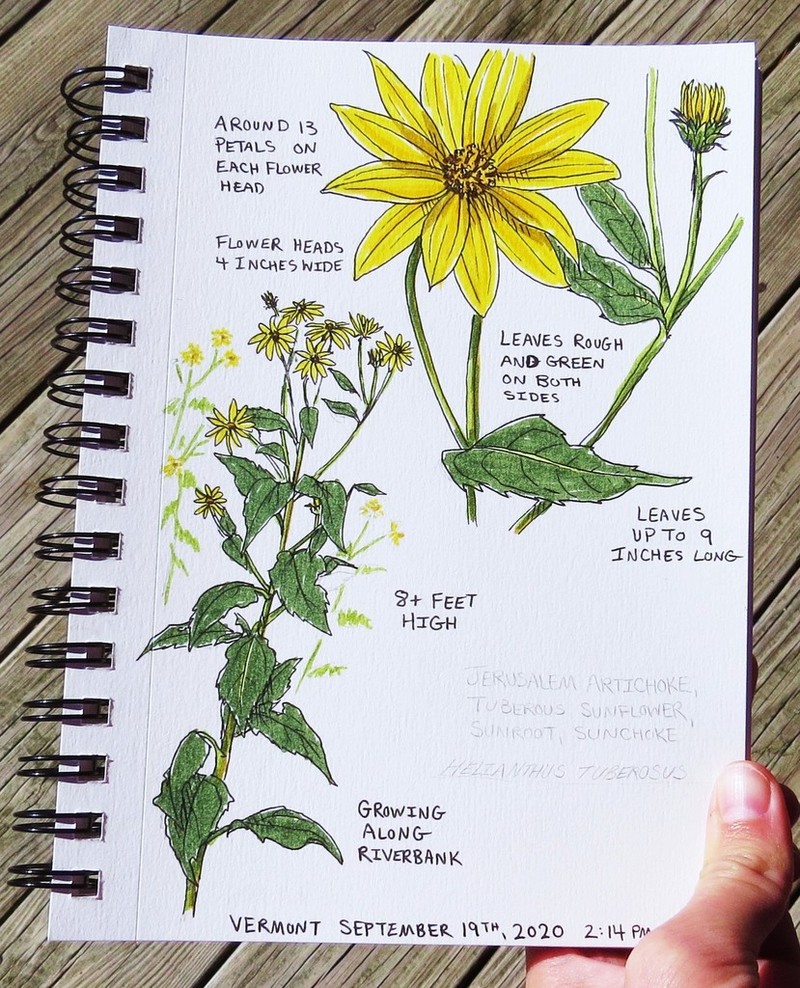
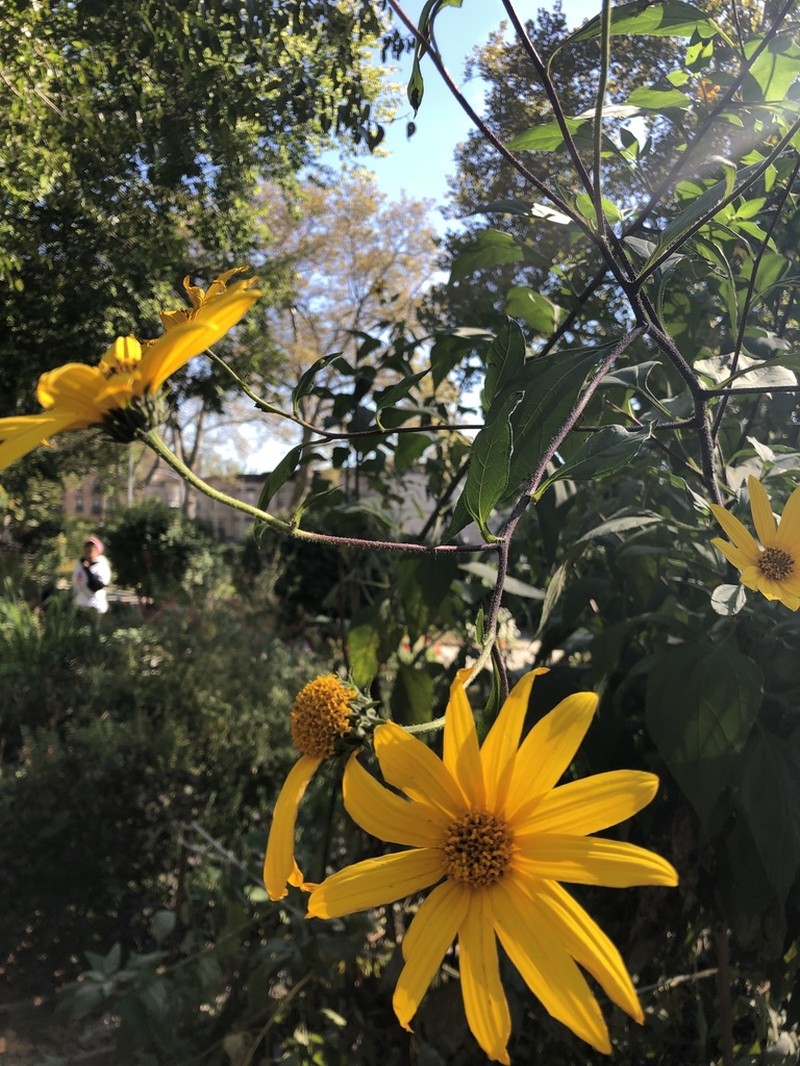
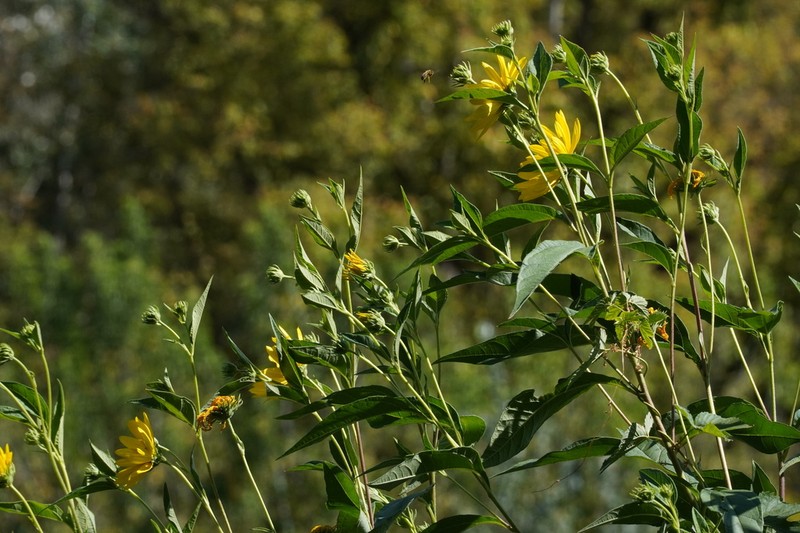
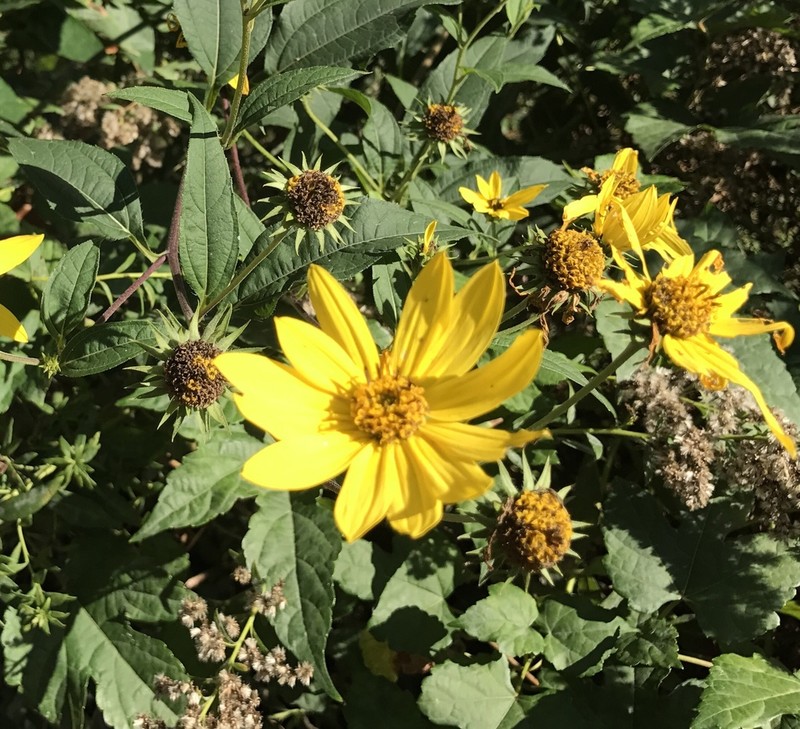
iNaturalist: © thebirdnuts (iNaturalist #62315037)

Taxonomy
- Division:
- Magnoliophyta | - Flowering plants
- Family:
- Asteraceae
- Genus:
- Helianthus
- Species:
- Helianthus tuberosus
- USDA Symbol:
- HETU
Growth Characteristics
- Life Cycle:
- Perennial
- Growth Habit:
- Forb/herb
- Height:
- 300 cm
- Light Requirements:
- Full Sun
- Drought Tolerance:
- Medium
- Bloom Months:
- aug,sep,oct
- Bloom Colors:
- yellow
- Food Forest:
- Contains edible parts
Wildlife Benefits
- Bees:
- ★★★☆☆ Documented bee visitation (GBIF)
- Butterflies & Moths:
- ★★☆☆☆ Documented Lepidoptera association (GBIF)
- Caterpillars:
- ★★☆☆☆ Recorded caterpillar host plant (HOSTS Database)
Keystone Species Ranking
- Caterpillar Keystone:
- ★★★★☆ Butterfly & moth species supported by this genus (NWF)
- Pollen Specialist Bee Keystone:
- ★★★★★ Native pollen specialist bee species supported by this genus (NWF)
Host Plant for Caterpillars
American sunflower moth (Homoeosoma electella), Army cutworm (Euxoa auxiliaris), Common Pinkband (Ogdoconta cinereola), Dichomeris juncidella, Eucosma bilineana, Eucosma sombreana, ⚠️maritime borer moth (Papaipema maritima), ⚠️Papaipema necopina (Papaipema necopina), Rigid Borer Moth (Papaipema rigida), Bordered Patch (Chlosyne lacinia), orange oakleaf (Charidryas nycteis)
Reported Fauna Sightings
Bees: Brown-belted bumble bee (Bombus griseocollis), ⚠️Western honey bee (Apis mellifera) Butterflies:Fiery Skipper (Hylephila phyleus), Silvery Checkerspot (Chlosyne nycteis)
Garden & Ecology Notes
- Wildlife Value:
- birds, butterflies, bees
Soil Requirements
- Soil Type:
- rich, well-drained loamy soil
- pH:
- 5.5 - 7.5 (slightly acidic to neutral)
- Drainage:
- tolerates poor drainage
- Moisture:
- consistently moist
- Notes:
- prefers fertile soils with organic matter
Propagation & Germination
- Stratification:
- Cold/moist stratification required — 30–60 days
- Germination Time:
- 14–30 days
- Notes:
- Seeds benefit from cold stratification; direct sow in fall or stratify before spring planting.
Where to Buy
Nationwide Seller
- Sheffield's Seed (seeds)
- Native Plants Nursery (nursery)