
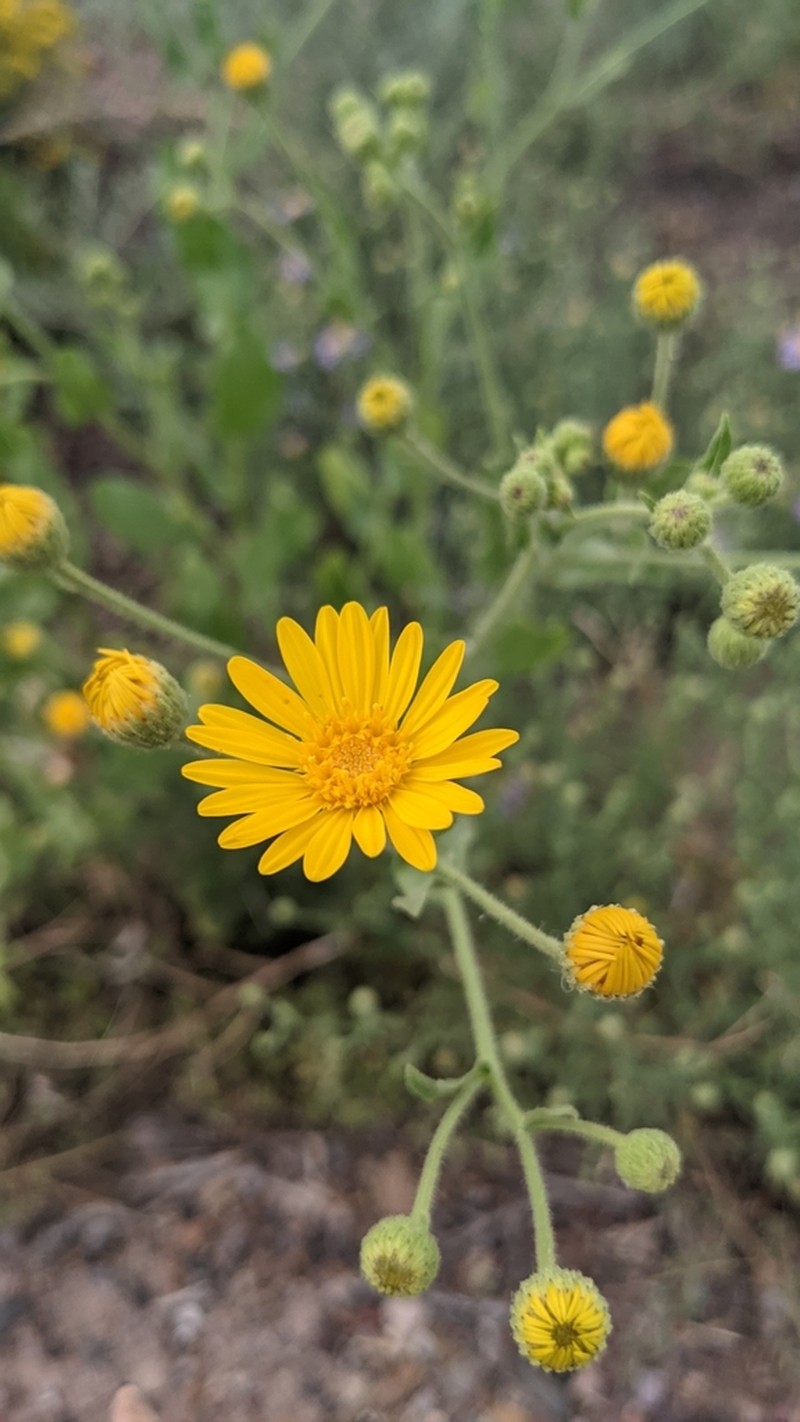
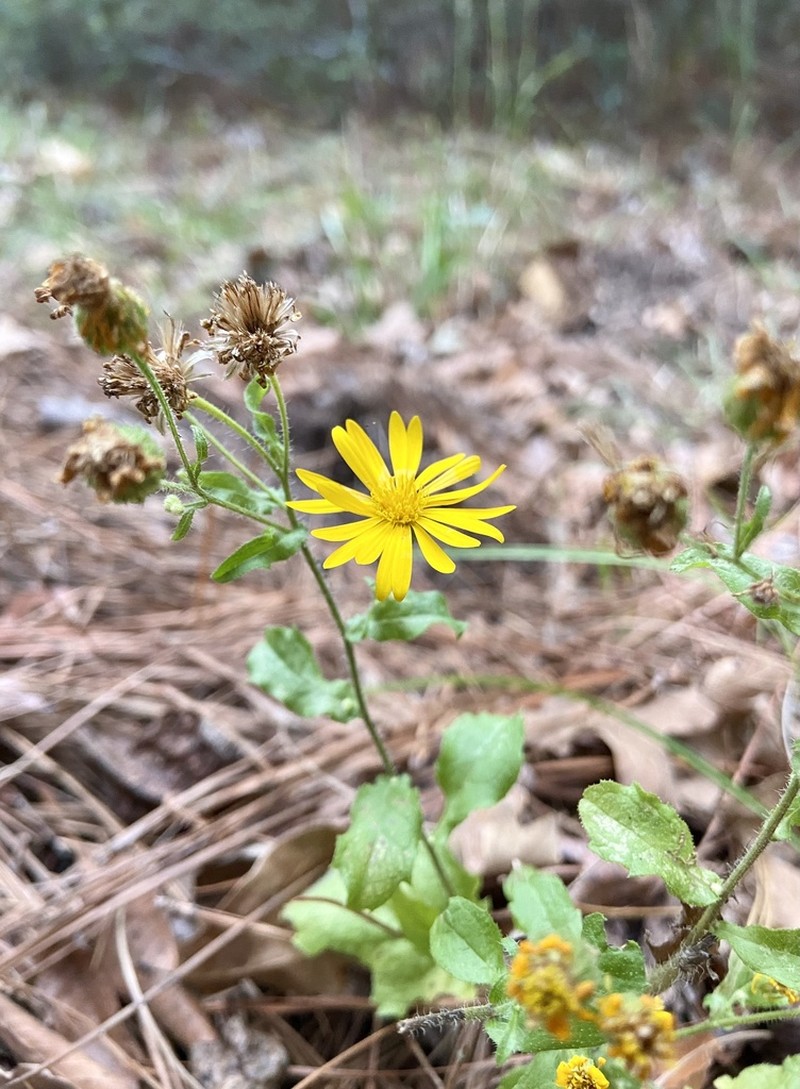
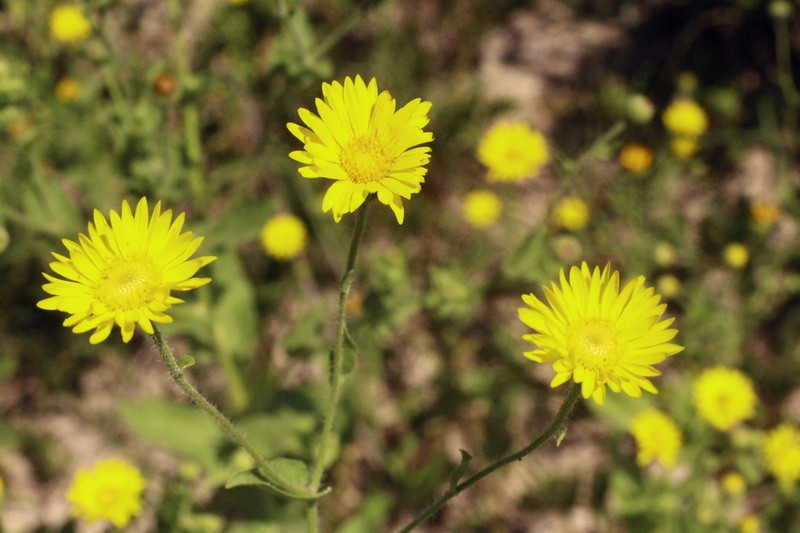
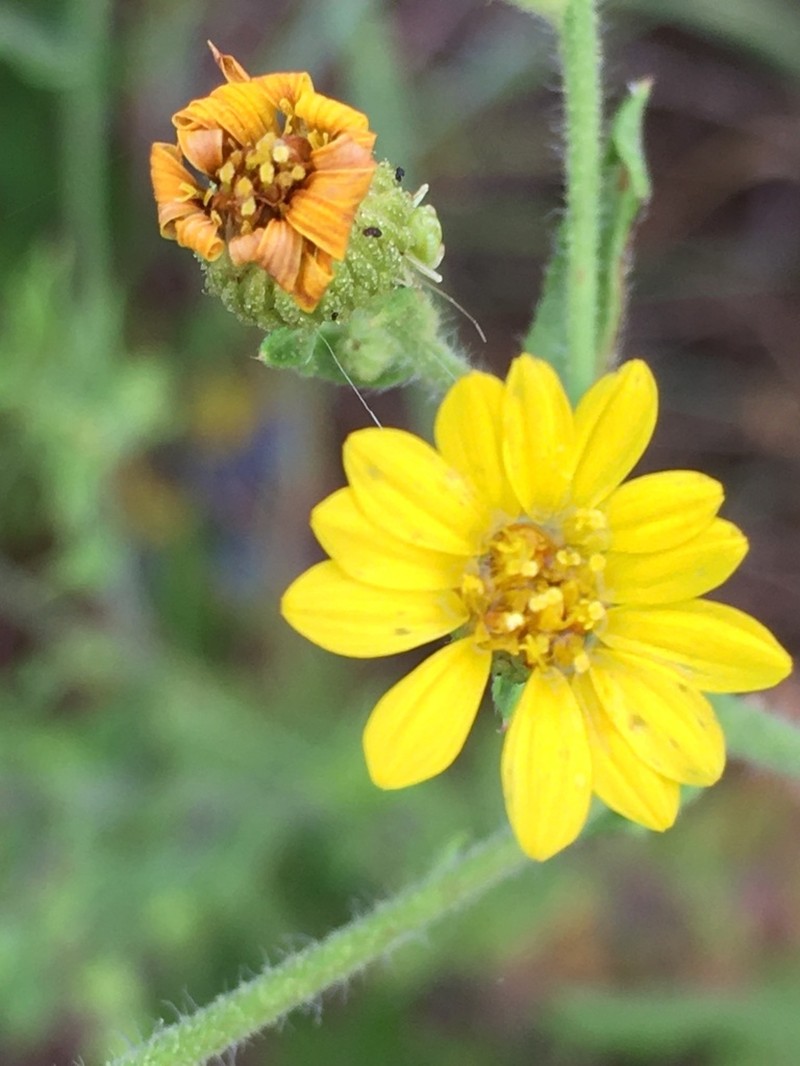
Camphorweed
Heterotheca subaxillaris
- Native to:
- Belize, Mexico, United States, Virgin Islands
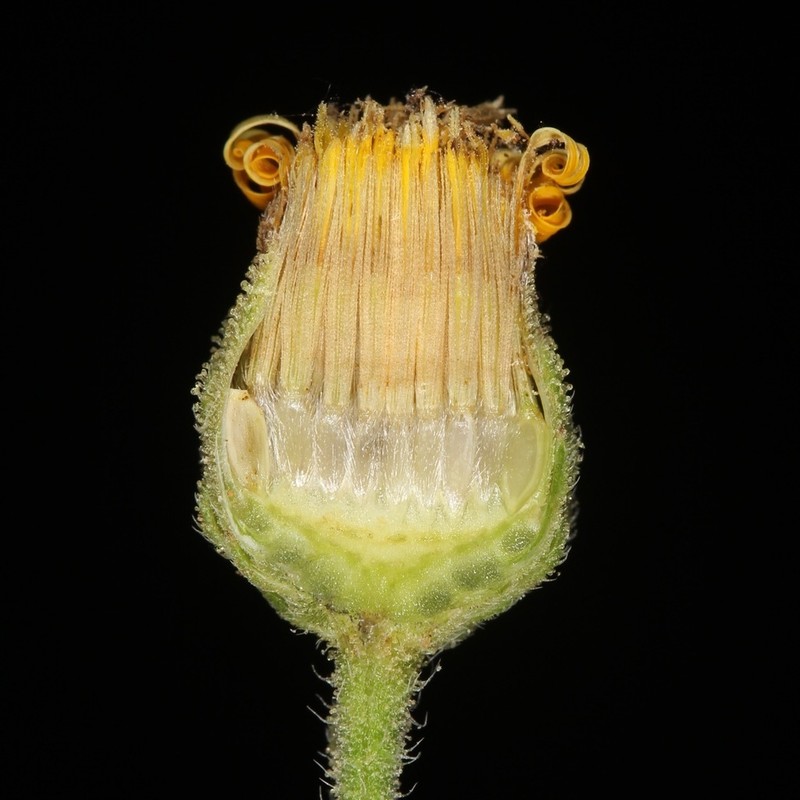
iNaturalist: © nathantaylor (iNaturalist #30782793)
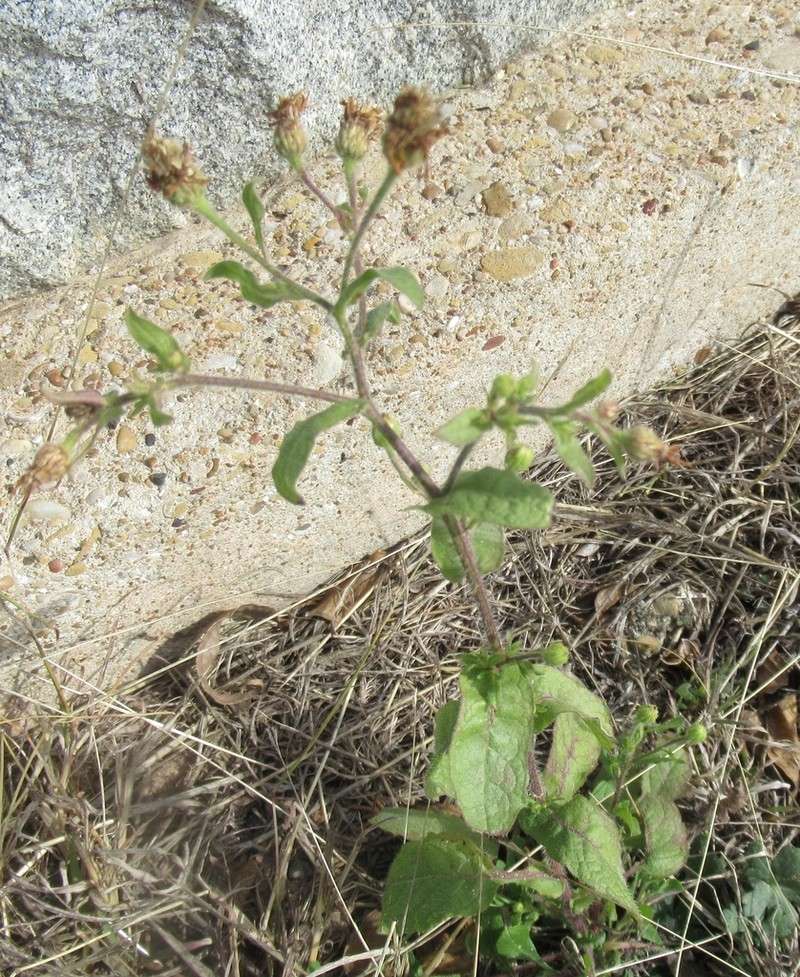
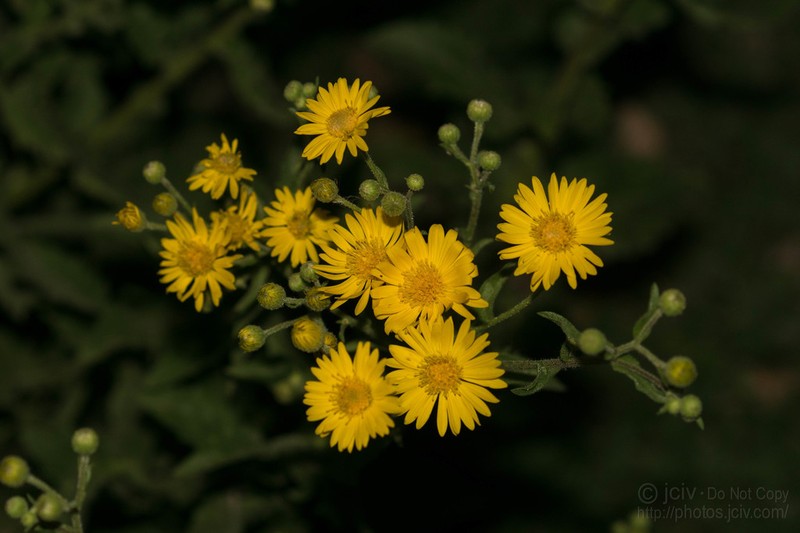
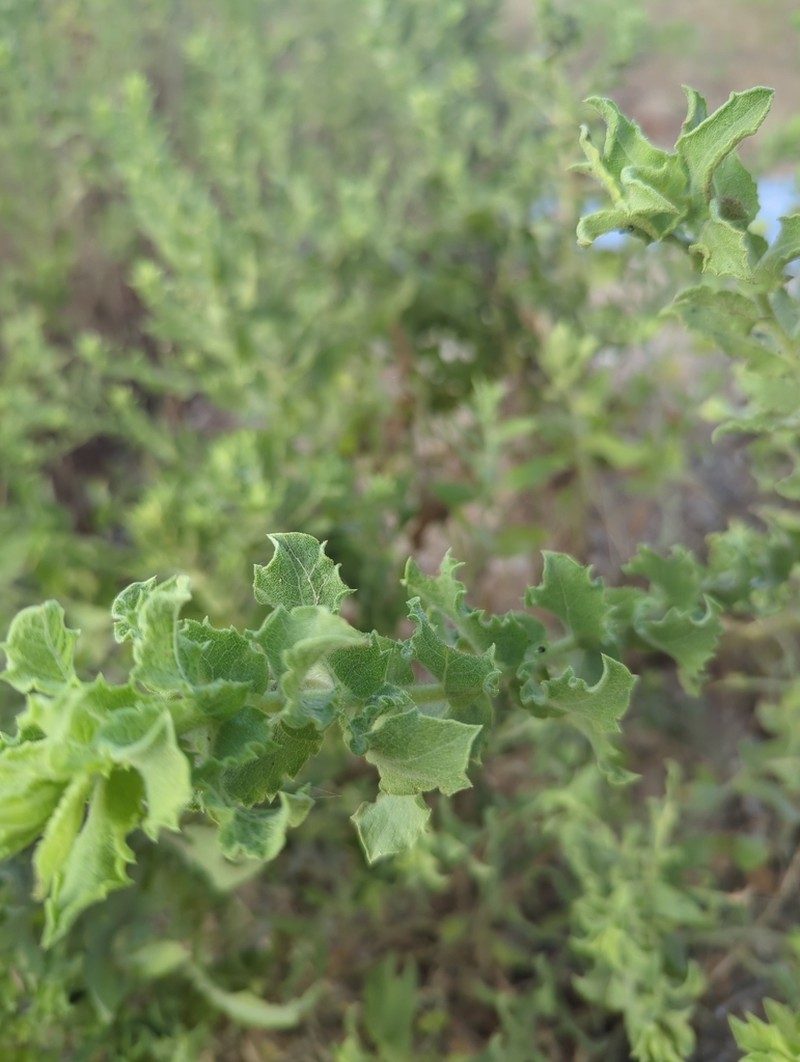
Taxonomy
- Division:
- Magnoliophyta | - Flowering plants
- Family:
- Asteraceae
- Genus:
- Heterotheca
- Species:
- Heterotheca subaxillaris
- USDA Symbol:
- HESU3
Growth Characteristics
- Life Cycle:
- Annual
- Growth Habit:
- Forb/herb
- Height:
- 100 cm
- Light Requirements:
- Full Sun
- Drought Tolerance:
- High
- Bloom Months:
- jun,jul,aug,sep,oct
- Bloom Colors:
- yellow
Wildlife Benefits
- Bees:
- ★★★☆☆ Documented bee visitation (GBIF)
- Butterflies & Moths:
- ★★★★★ Documented Lepidoptera association (GBIF)
- Caterpillars:
- ★★☆☆☆ Recorded caterpillar host plant (HOSTS Database)
Keystone Species Ranking
- Pollen Specialist Bee Keystone:
- ★★★★★ Native pollen specialist bee species supported by this genus (NWF)
Host Plant for Caterpillars
Camphorweed Flower Moth (Schinia nubila), Goldenrod Gall Moth (Epiblema scudderiana), lynx flower moth (Schinia lynx), Saturated Flower Moth (Schinia saturata), Tobacco budworm (Heliothis virescens), Bordered Patch (Chlosyne lacinia)
Garden & Ecology Notes
- Wildlife Value:
- bees, butterflies
- Salt Tolerant:
- Yes
- Fire Ecology:
- Fire adapted — tolerates or benefits from fire
- Fire Notes:
- Resprouts from root crown after fire; benefits from post-fire seed germination on bare soil.
Soil Requirements
- Soil Type:
- sandy, well-drained, nutrient-poor soil
- pH:
- 6.0 - 7.5 (slightly acidic to neutral)
- Drainage:
- excellent drainage required
- Moisture:
- dry to moderate
- Notes:
- thrives in disturbed areas and open fields
Propagation & Germination
- Stratification:
- None required
- Germination Time:
- 7–21 days
- Notes:
- Seeds germinate readily without pretreatment in warm soil.
Where to Buy
Nationwide Seller
- Bamert Seed (seeds)