
Scouler's Woollyweed
Hieracium scouleri
Also known as: Houndstongue Hawkweed
- Native to:
- Canada, United States
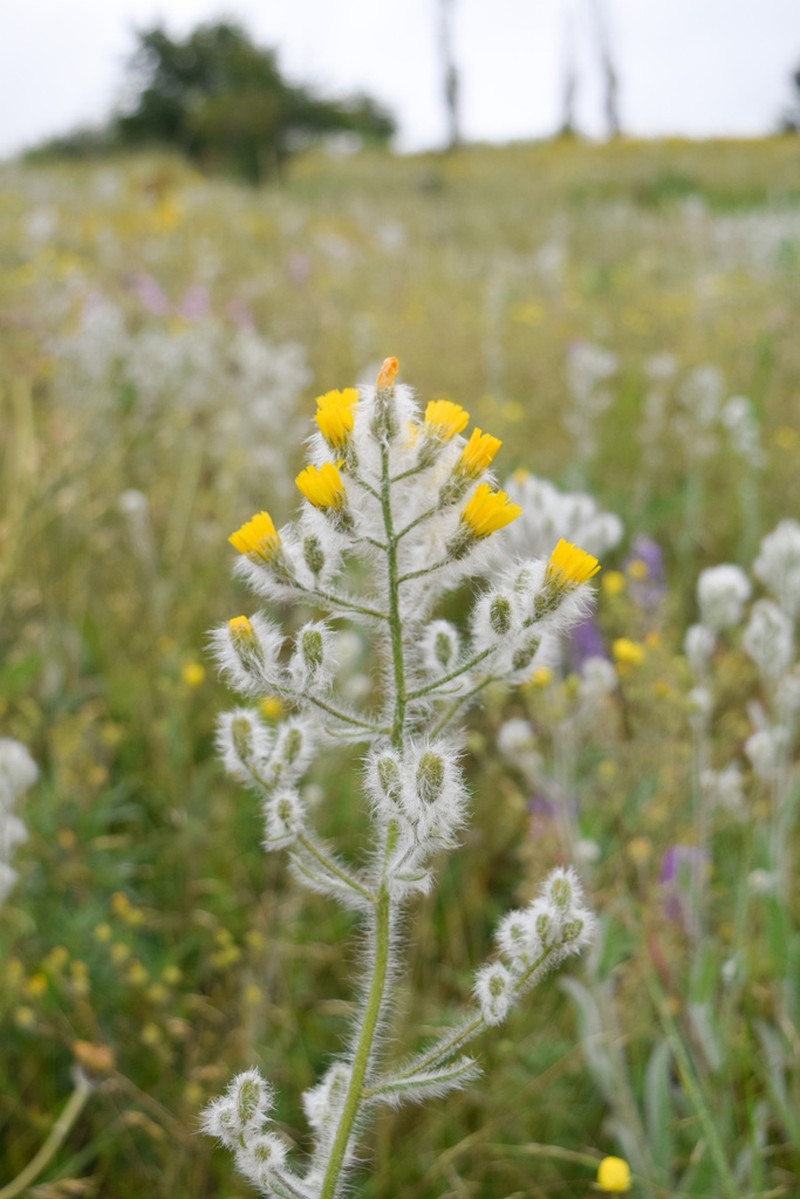
iNaturalist: © maddymlucas (iNaturalist #124822521)
Taxonomy
- Division:
- Magnoliophyta | - Flowering plants
- Family:
- Asteraceae
- Genus:
- Hieracium
- Species:
- Hieracium scouleri
- USDA Symbol:
- HISC2
Growth Characteristics
- Life Cycle:
- Perennial
- Growth Habit:
- Forb/herb
- Height:
- 90 cm
- Light Requirements:
- Full Sun
- Drought Tolerance:
- Medium
- Bloom Months:
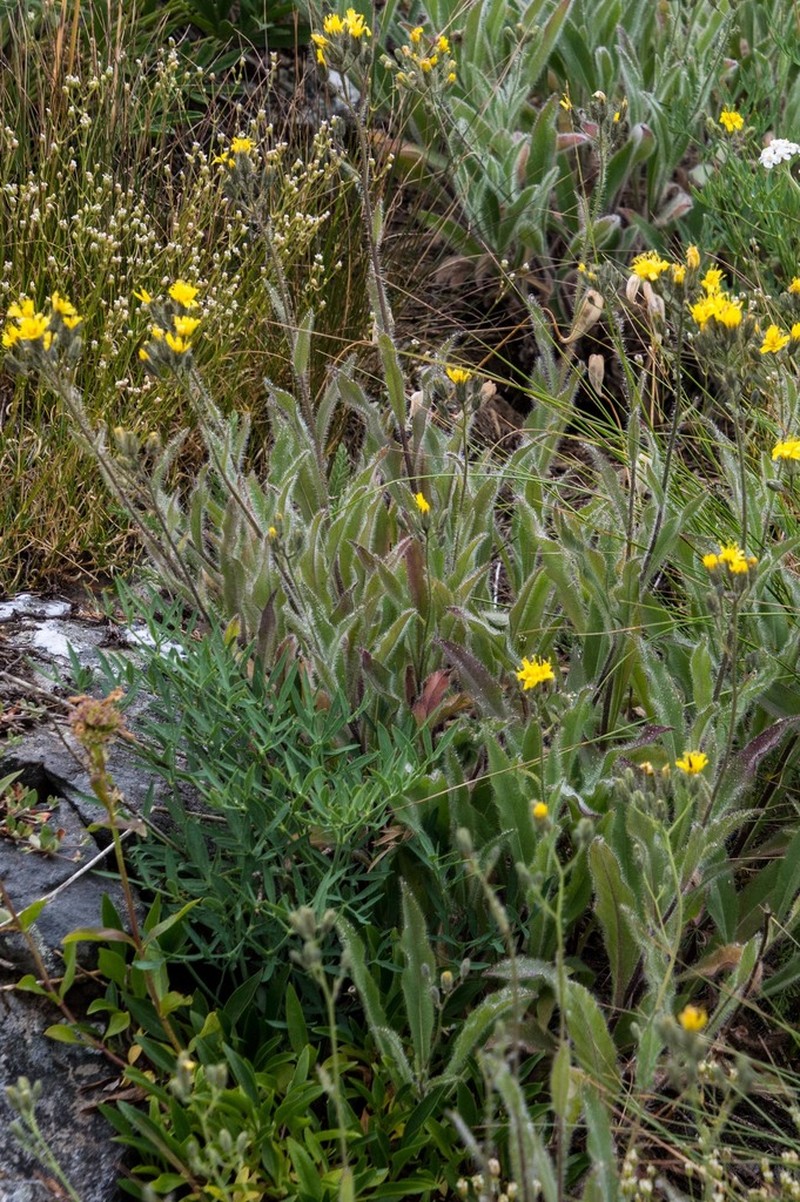
- jun,jul,aug,sep
- Bloom Colors:
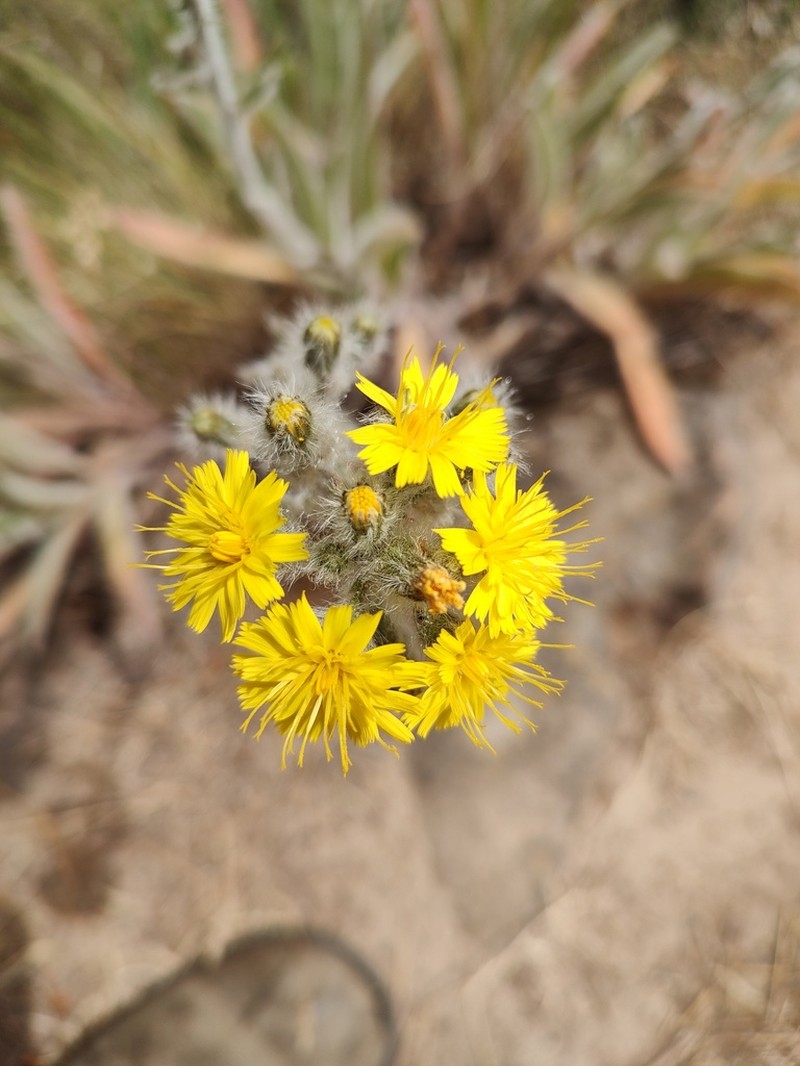
- yellow
Wildlife Benefits
- Bees:
- ★☆☆☆☆ Documented bee visitation (GBIF)
- Butterflies & Moths:
- ★☆☆☆☆ Documented Lepidoptera association (GBIF)
Keystone Species Ranking
- Pollen Specialist Bee Keystone:
- ★☆☆☆☆ Native pollen specialist bee species supported by this genus (NWF)
Host Plant for Caterpillars
Oxyptilus delawaricus
Reported Fauna Sightings
Bees: Two-form bumble bee (Bombus bifarius), Yellow-faced bumble bee (Bombus vosnesenskii)
Garden & Ecology Notes
- Wildlife Value:
- bees, butterflies
Soil Requirements
- Soil Type:
- sandy, well-drained, nutrient-poor soil
- pH:
- 5.5 - 7.0 (slightly acidic to neutral)
- Drainage:
- excellent drainage required
- Moisture:
- dry to moderate
- Notes:
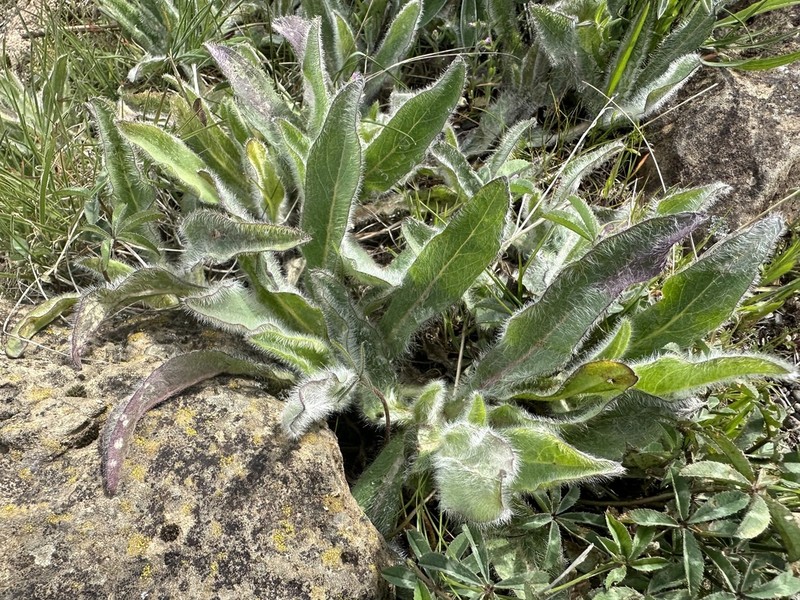
- commonly found in open, rocky areas
Propagation & Germination
Pre-treatment: None required
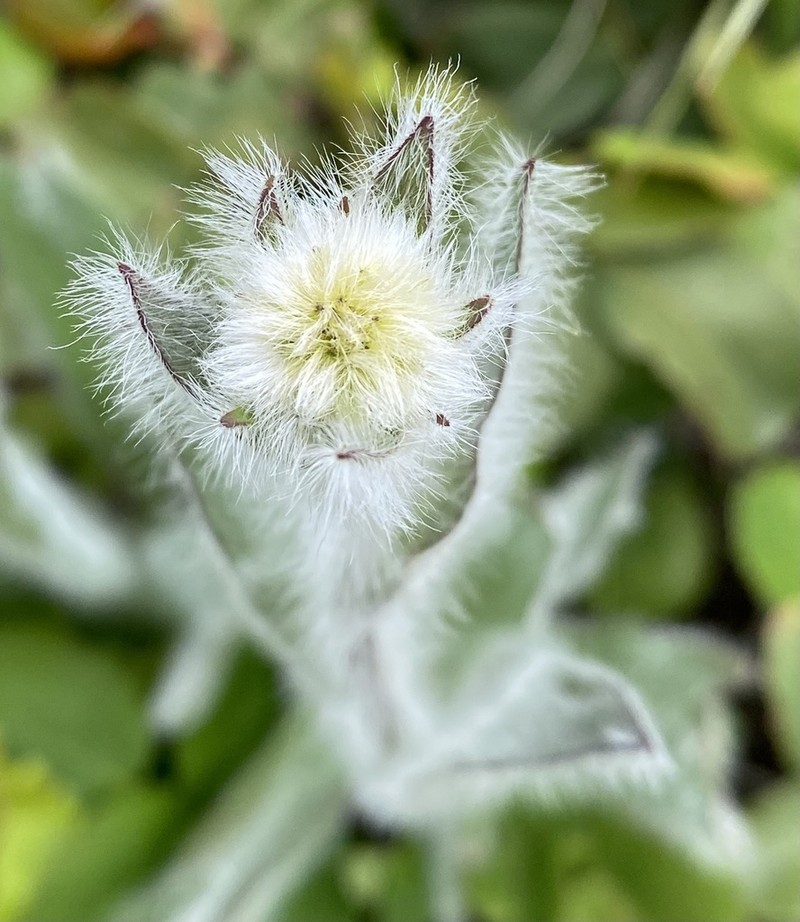
Establishment: Seed ripens in mid to late July. It is collected when the pappus begins to expand. Seed is dark reddish brown in color and wind disseminated, so must be collected before it blows away. Seed maturity is indeterminant. Seed can be collected using a vacuum cleaner. This removes only mature seed, leaving immature seed to ripen, and reduces the amount of trash which subsequently must be cleaned from the seed. Harvested seed is stored in paper bags at room temperature until cleaned.
Source: npn.rngr.net